
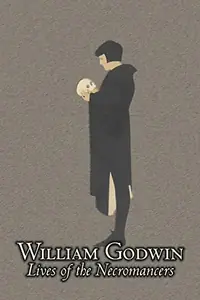
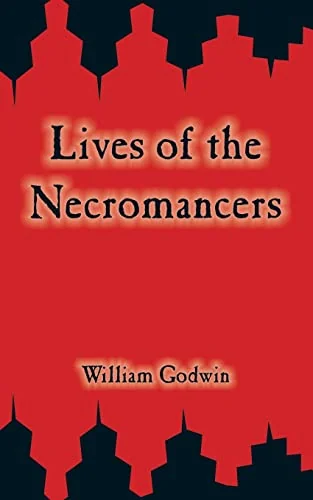
Lives of the Necromancers by William Godwin, Biography & Autobiography, Historical, Body, Mind & Spirit, Magic Studies, Occultism
Godwin, WilliamStock reported in the catalog; fulfillment is confirmed with your request.
Uncover humanity's enduring fascination with the impossible, through history's most notorious magic-workers.
William Godwin's 1834 classic delves into the historical role of sorcery, not to endorse its reality, but to understand humanity's enduring belief in the miraculous. From ancient Greek mystics like Empedocles to European Dark Age practitioners, this volume meticulously compiles accounts of magical practices and the societal impact they wielded. It offers a unique philosophical lens on how imagined phenomena shaped history, influencing both cultural narratives and, tragically, human behavior through persecution and fear. A crucial study for anyone exploring the intersection of belief and historical reality.
This 1834 work stands as a foundational text in the historical study of magic, situating itself within the tradition of philosophical inquiry into the intersection of belief and societal reality. It bridges biography and occultism by examining how perceived supernatural forces influenced cultural narratives and human behavior throughout history.


📝 Description: Lives of the Necromancers by William Godwin, Biography & Autobiography, Historical, Body, Mind & Spirit, Magic Studies, Occultism
💎 Expert review
📖 Why choose it
Why this book is worth reading
Readers with a deep interest in the philosophical underpinnings of occultism will find profound value here. Godwin does not merely recount tales of sorcery; he dissects the psychological and societal mechanisms that sustain belief in the miraculous. This book is essential for scholars and enthusiasts who wish to understand how historical figures, from Greek mystics to Dark Age practitioners, were perceived and persecuted. It offers a unique lens on how imagined phenomena shaped real-world events, making it crucial for those exploring the boundary between myth and history. If you are fascinated by the enduring human fascination with the impossible and the tragic consequences of fear-driven persecution, this meticulous compilation provides the necessary context to appreciate the cultural weight of magic studies.
⭐ Reader reviews
Reader rating
This volume is a rigorous intellectual exercise rather than an entertaining collection of spooky anecdotes. Godwin approaches his subject with philosophical detachment, analyzing the societal impact of magical beliefs rather than endorsing their validity. Consequently, readers seeking practical magical instructions or thrilling supernatural narratives will likely find this text dry and overly academic. It is not suitable for casual occultists looking for inspiration or entertainment. Instead, it demands patience from those willing to engage with dense historical analysis and philosophical argumentation. The value lies in its scholarly perspective on how belief systems influence history, making it a specialized resource for serious students of esoteric history rather than a general audience interested in the aesthetic or practice of magic.
❓ Frequently asked questions
📖 Who should read this
If you're drawn to the psychology of belief, the cultural history of the occult, or the philosophical examination of human credulity, this book offers profound insights. It’s for those who seek to understand *why* people believe, rather than merely *what* they believe, making it a vital read for intellectual explorers.
🎯 Key themes and symbolism
Human Belief's Power
Examines how the human mind constructs and sustains belief in phenomena 'that are not,' revealing the profound psychological underpinnings of faith in the impossible. Godwin highlights the enduring presence of such convictions across diverse historical eras and cultures, irrespective of empirical validation, demonstrating their influence on human action and societal structure.
Societal Consequences of Superstition
Details the tangible and often devastating outcomes when magical beliefs take hold. The book unflinchingly chronicles the 'crimes and cruelties' that arose from widespread acceptance of sorcery, underscoring the dark side of collective imagination and its historical impact, from witch trials to political manipulation, emphasizing the human cost of uncritical belief.
Rationalist Historical Inquiry
Presents a detached, philosophical approach to understanding magic's place in history. Godwin, an Enlightenment figure, seeks not to prove or disprove sorcery, but to analyze the *belief* in it as a significant, instructive chapter in human development. He offers an even-handed perspective, dissecting the phenomenon rather than participating in its mystique.
💬 Quotes from the book
“If we would know man in all his subtleties, we must deviate into the world of miracles and sorcery...”
“To know the things that are not, and cannot be, but have been imagined and believed, is the most curious chapter in the annals of man.”
📜 Historical context
📚 Glossary
- Necromancy
- Sorcery
- Empedocles
📔 Questions to reflect on
- Reflect on a societal belief from history (or even present day) that you find irrational. How did it influence people's actions and major events?
- Godwin argues that understanding 'imaginary phenomena' is instructive. In what ways can studying false beliefs offer true insights into human nature or societal structures?
- Consider the 'crimes and cruelties' Godwin mentions. How can we prevent belief, however fervent, from leading to such detrimental outcomes in our own time?
✍️ More books by this author Godwin, William
All books by this author →
You might also like
See more →
 91
91


 91
91