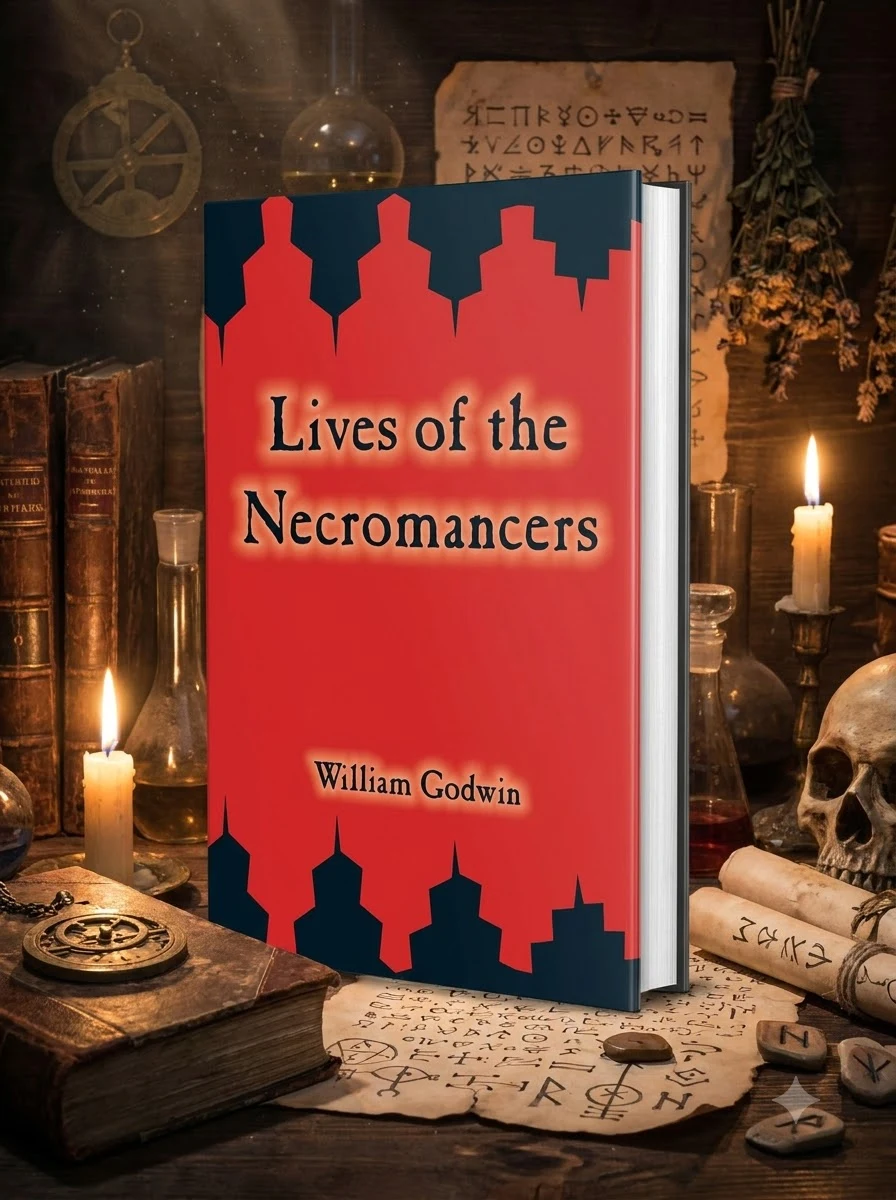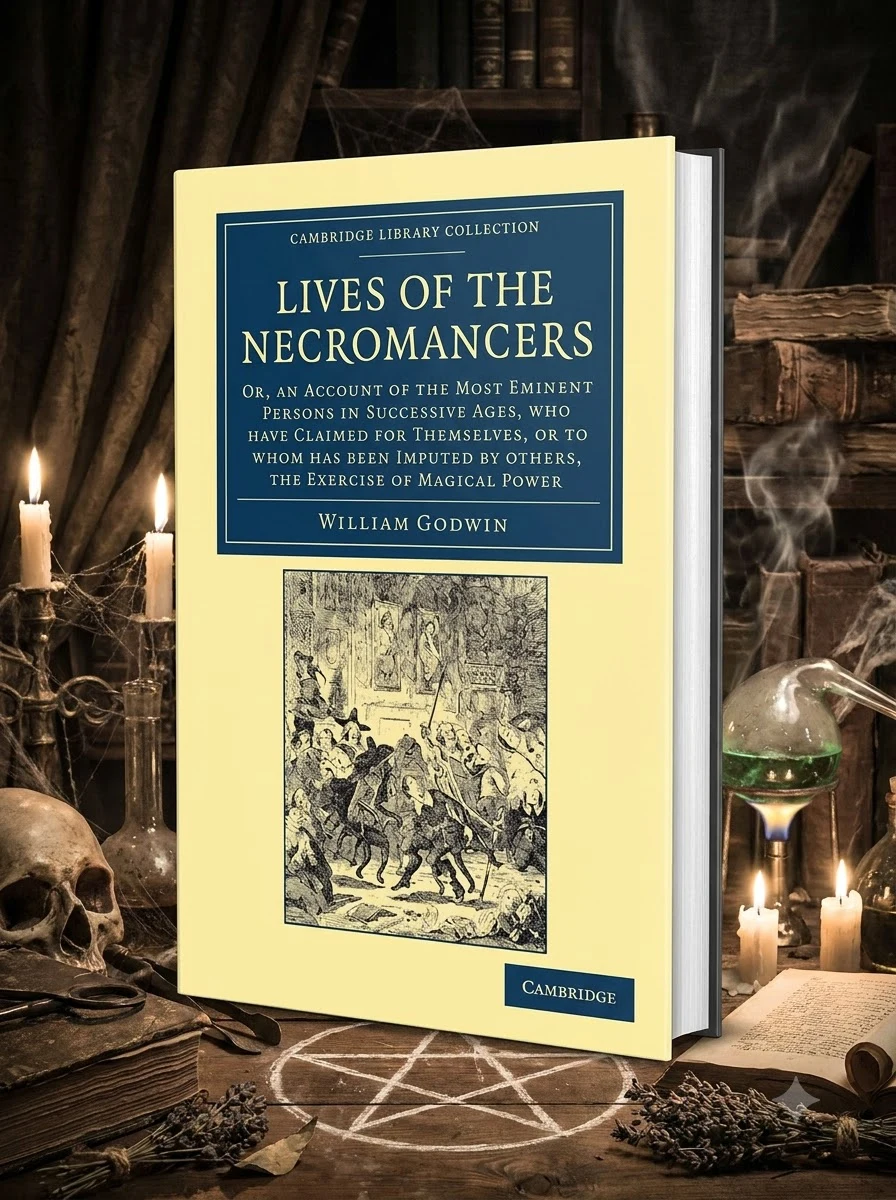
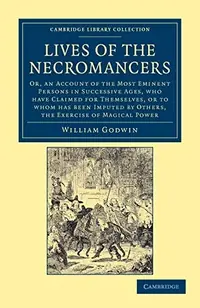
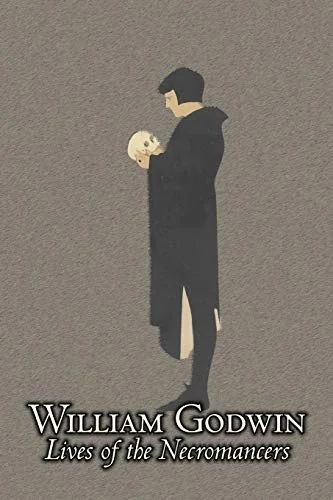
Lives of the Necromancers Godwin, William
Godwin, WilliamStock reported in the catalog; fulfillment is confirmed with your request.
Unearth the dark history of communion with the dead, explored by a visionary mind.
William Godwin, the renowned philosopher and father of Mary Shelley, meticulously examines the historical phenomenon of necromancy in this 1834 scholarly volume. Far from a practical guide, his work delves into the origins, practices, and societal perceptions of those who claimed to communicate with the deceased across various eras. It's a compelling intellectual journey through humanity's enduring fascination with the spectral veil, viewed through a distinctly analytical lens, offering a unique blend of history and philosophical inquiry into occult beliefs.
Situated within the early 19th-century intellectual tradition of scholarly occultism, this volume bridges Enlightenment rationalism with the enduring human fascination with the supernatural. It reflects a period where philosophical inquiry began to systematically document esoteric practices rather than merely condemning them.


📝 Description: Lives of the Necromancers Godwin, William
💎 Expert review
📖 Why choose it
Why this book is worth reading
This book offers a unique opportunity for readers who are fascinated by the intersection of philosophy, history, and the occult to understand necromancy not as mere superstition, but as a serious historical phenomenon. William Godwin’s analytical lens provides clarity on how societies have perceived those who claimed to communicate with the dead. It is ideal for scholars and enthusiasts alike who wish to explore the intellectual roots of spiritualism without falling into practical magic. By examining the origins and societal perceptions across eras, readers gain a deeper appreciation for humanity's enduring connection to the spectral veil, making it an essential text for understanding the philosophical underpinnings of esoteric belief systems.
⭐ Reader reviews
Reader rating
Godwin’s 1834 volume is a meticulous scholarly examination rather than a practical guide, appealing primarily to those interested in the intellectual history of necromancy. It succeeds in offering a compelling journey through humanity's fascination with the dead, viewed through a distinctly analytical and philosophical lens. However, it may not suit readers seeking actionable occult techniques or thrilling narrative fiction. The work is dense with historical inquiry, requiring patience for its academic tone. Those looking for light entertainment or immediate mystical experiences will find this dry. It is best appreciated by those who value rigorous historical analysis over sensationalism in their exploration of esoteric topics.
❓ Frequently asked questions
📖 Who should read this
If you're captivated by the historical evolution of occult practices, the philosophy behind human belief systems, or the societal impact of the supernatural, this book is for you. Ideal for scholars and curious minds alike, seeking an intellectual rather than practical exploration of necromancy.
🎯 Key themes and symbolism
The Occult's Historical Tapestry
Godwin meticulously traces the evolution of necromantic beliefs and practices through ancient civilizations, medieval folklore, and early modern traditions. He doesn't just list events but attempts to understand the cultural and psychological underpinnings that gave rise to such potent spiritual claims throughout human history, offering a panoramic view of this esoteric art.
Philosophical Roots of Belief
As a political philosopher, Godwin scrutinizes the intellectual frameworks that supported and challenged supernatural claims. He explores how societal structures, prevailing scientific understanding, and human credulity influenced the acceptance or rejection of necromancers, offering a unique perspective on the intersection of thought and superstition within historical contexts. His analysis goes beyond mere description.
Humanity's Enduring Fascination
This work explores the deep-seated human desire to transcend mortality and interact with the spiritual realm. Godwin dissects the psychological motivations behind necromantic practices, examining the fear, hope, and power dynamics that fueled these historical narratives, revealing universal truths about the human condition and our perpetual quest for the unseen.
💬 Quotes from the book
“To discern the true nature of these ancient arts, one must first strip away the layers of popular fable and confront the raw historical testimonies with an unblinking eye.”
“The human mind, ever prone to seek solace in the unknown, often crafts its most profound delusions from the very shadows it fears to penetrate.”
📜 Historical context
📚 Glossary
- Necromancy
- Occultism
- Enlightenment
📔 Questions to reflect on
- How have societal beliefs about death and the afterlife influenced the emergence and perception of practices like necromancy throughout history?
- Consider the tension between rational inquiry and the human desire for the supernatural. How does Godwin's work illuminate this enduring conflict?
- Reflect on how historical figures labeled as 'necromancers' might be reinterpreted through a modern psychological or sociological lens. What does this tell us about belief?
📖 From the series “Cambridge Library Collection - Spiritualism and Esoteric Kno”
All books in the series →

✍️ More books by this author Godwin, William
All books by this author →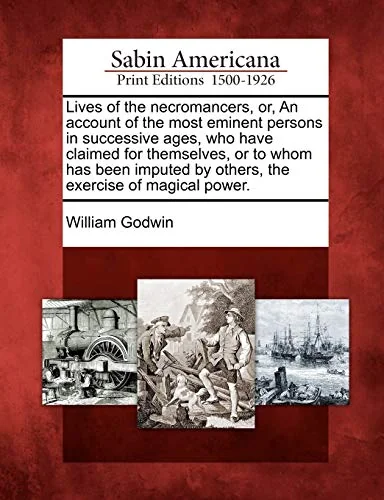
🏛 Books from this publisher Cambridge University Press
All books from this publisher →
 75
75

You might also like
See more →