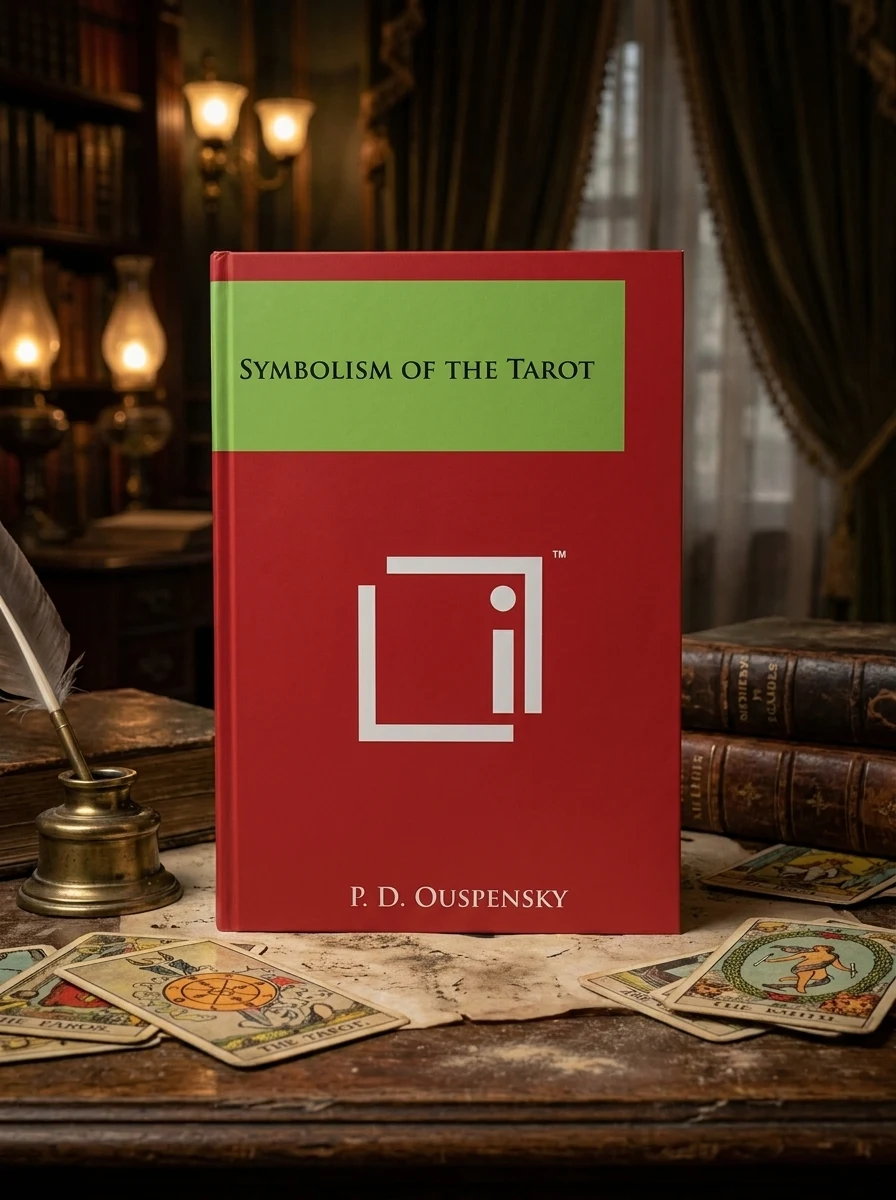
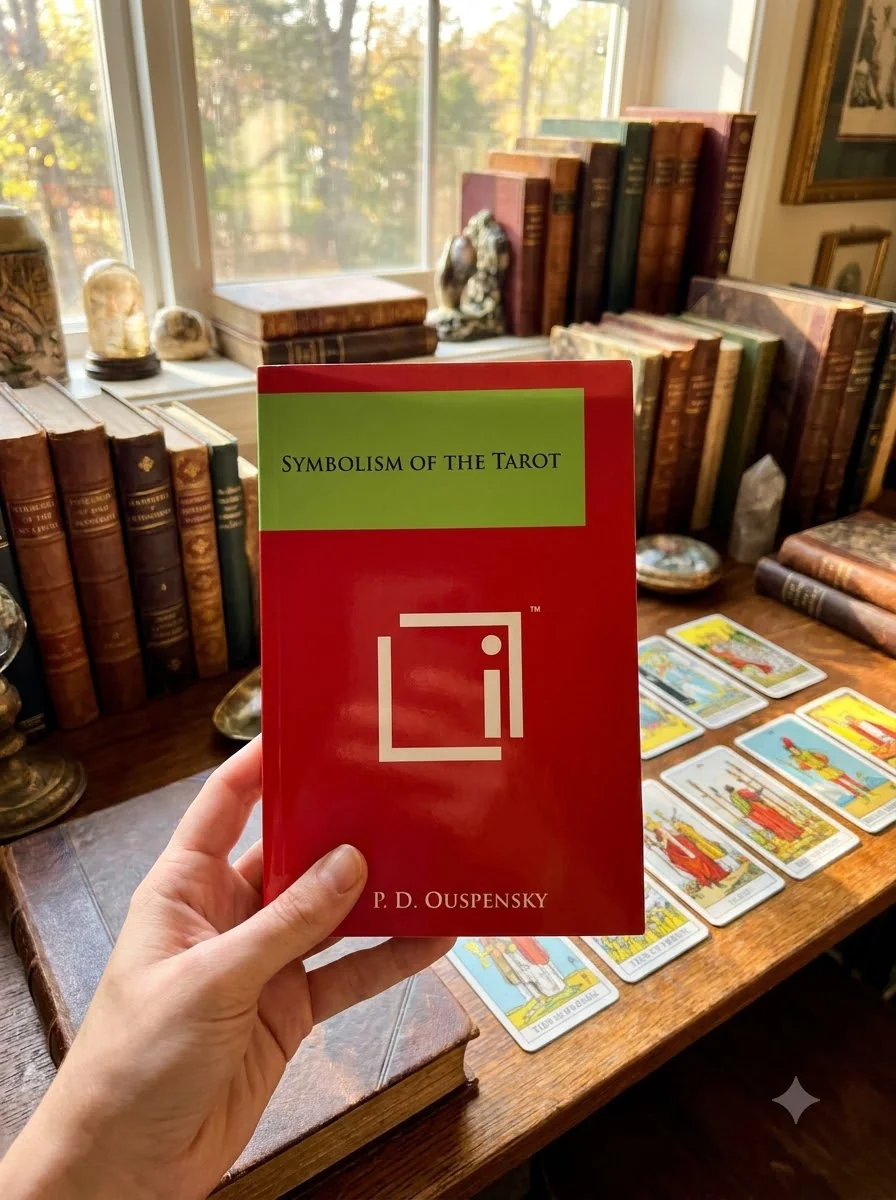
Symbolism of the Tarot
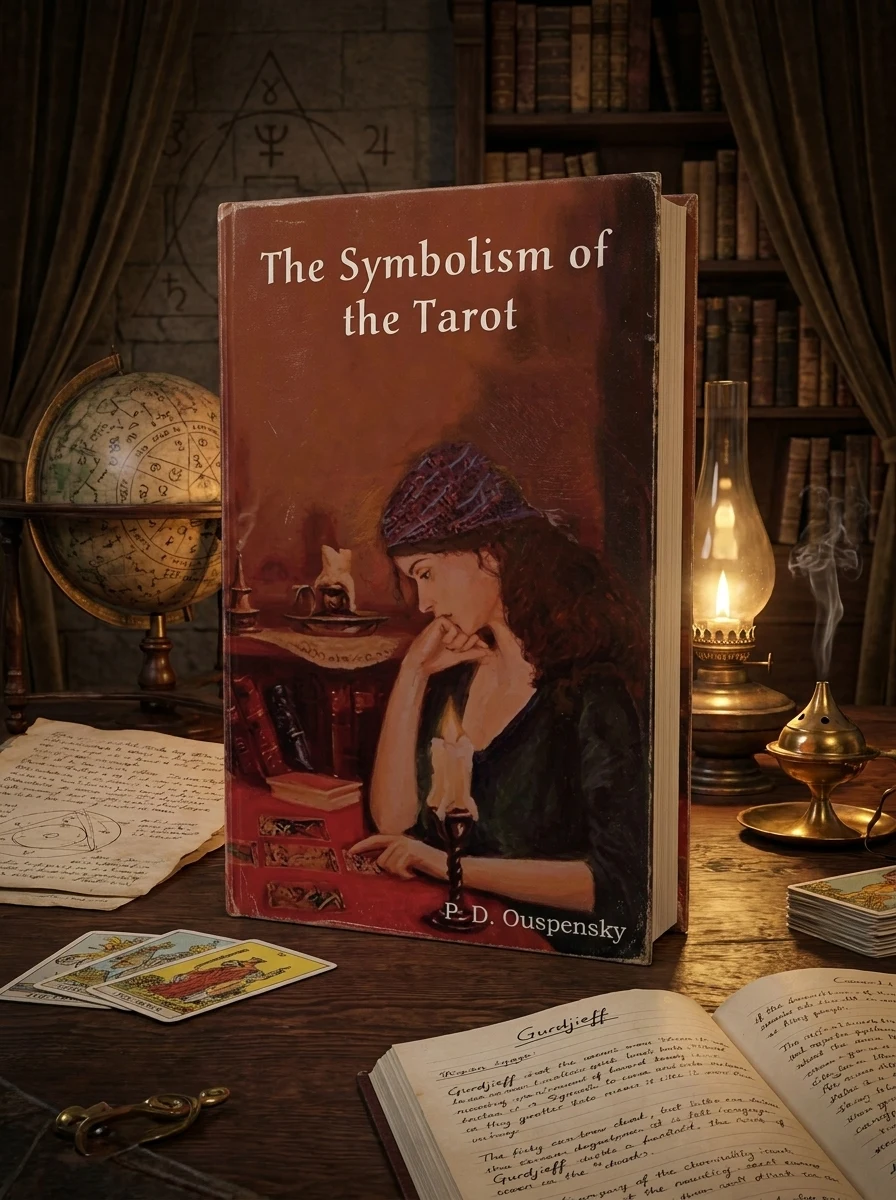
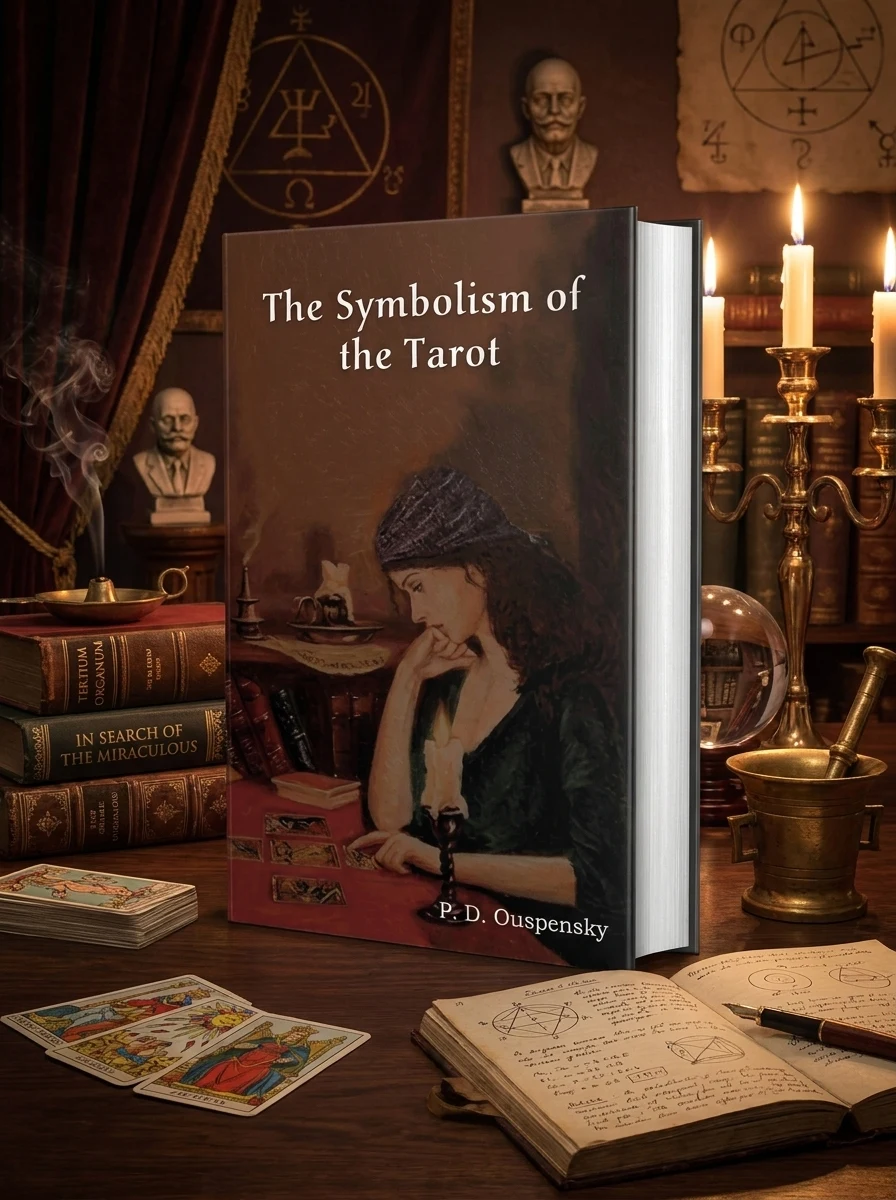
✍️ Ouspensky, P DDelve into P.D. Ouspensky's seminal exploration of the Tarot, transcending mere fortune-telling to reveal its profound philosophical and mystical dimensions. Originally published in 1913, this work interprets the Tarot as a symbolic language for cosmic principles and spiritual evolution, deeply influenced by Eastern thought. Ouspensky meticulously dissects the esoteric meaning embedded in each card, presenting the Major Arcana not as a deck for divination, but as an intricate map of psychological and spiritual development. It offers a unique lens to perceive the universe's hidden order and humanity's place within it.


📝 Description: Symbolism of the Tarot
💎 Expert review
📖 Why choose it
Why this book is worth reading
Readers seeking a profound intellectual engagement with the Tarot will find this book invaluable. It is ideal for those who view the cards as a complex symbolic language rather than a tool for simple prediction. By exploring the intricate map of psychological and spiritual development, it offers a unique lens for perceiving the universe's hidden order. This text appeals to scholars and mystics alike who wish to understand humanity's place within cosmic principles. It provides deep insights into spiritual evolution, making it a essential resource for anyone dedicated to uncovering the esoteric meanings embedded in ancient imagery.
⭐ Reader reviews
Reader rating
This seminal exploration transcends fortune-telling to reveal mystical dimensions, yet it may frustrate casual readers or those seeking practical divination guidance. It is strictly for the intellectually curious who appreciate dense philosophical analysis and Eastern influences. While it meticulously dissects the Major Arcana as a map of spiritual growth, its abstract nature might alienate those expecting straightforward interpretations. It suits serious students of esotericism but fails to engage those preferring accessible, immediate, or purely divinatory applications of the Tarot.
❓ Frequently asked questions
📖 Who should read this
If you seek to understand the Tarot not as a simple predictive tool, but as a deep philosophical system, this book is for you. Those drawn to esoteric thought, mystical traditions, and a rigorous intellectual approach to spiritual symbolism will find Ouspensky’s work a profound journey.
🎯 Key themes and symbolism
Philosophical Tarot Interpretation
Ouspensky recontextualizes the Tarot beyond its divinatory function, presenting it as a profound system of philosophical thought. He posits that the cards encapsulate universal laws and metaphysical principles, guiding the seeker towards a deeper comprehension of existence and consciousness, rather than merely predicting future events.
Esoteric Symbolism Unveiled
The author meticulously decodes the rich symbolic language inherent in the Tarot's Major Arcana. Each image, number, and character is treated as a key to unlocking hidden layers of meaning, reflecting ancient mystical traditions and psychological archetypes. This approach reveals the Tarot as a comprehensive visual encyclopedia of esoteric wisdom.
Eastern Mysticism's Influence
Ouspensky's interpretation is notably infused with concepts derived from Asian philosophical and mystical traditions. He draws parallels between the Tarot's structure and principles found in Eastern cosmology and spiritual disciplines, suggesting a universal thread connecting various paths of self-discovery and enlightenment across different cultures.
📜 Historical context
📚 Glossary
- Tarot
- Esoteric
- Major Arcana
📔 Questions to reflect on
- How does viewing the Tarot as a philosophical system rather than a divinatory tool shift your understanding of its potential applications and meaning?
- Reflect on a particular Tarot card (e.g., The Fool, The Magician) and consider how its symbolism might represent both a universal principle and a stage in personal spiritual growth.
- In what ways do you perceive elements of "Asian philosophy" or "mysticism" in the Western esoteric traditions you are familiar with, and how might the Tarot bridge these concepts?