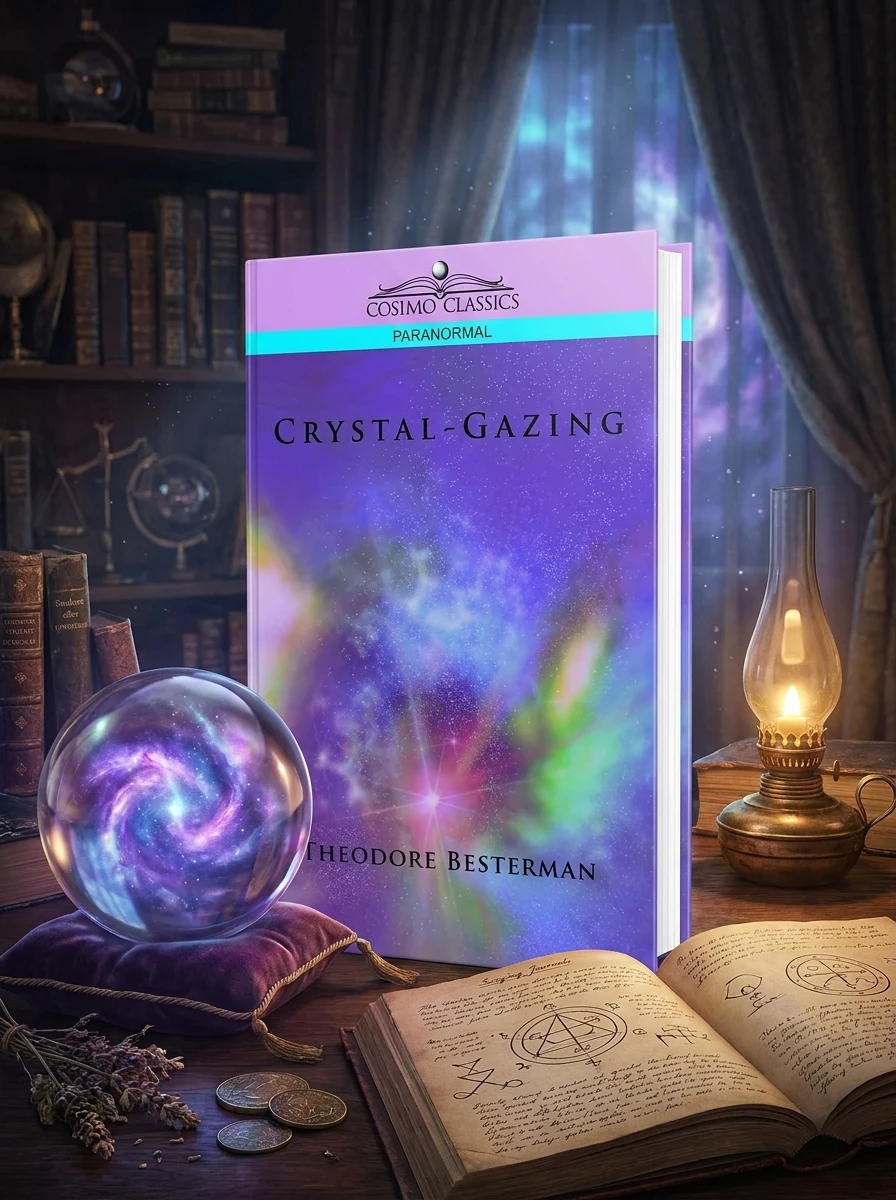
Crystal Gazing: A Study in the History, Distribution, Theory and Practice of Scrying
✍️ Besterman, TheodoreTheodore Besterman's seminal work offers an unparalleled exploration into the esoteric art of scrying. This detailed study meticulously chronicles the practice across diverse cultures and epochs, delving into the psychological and mystical theories underpinning its efficacy. From ancient Mesopotamian water scrying to Renaissance crystal balls, Besterman dissects both the historical distribution and the practical methodologies involved, providing a comprehensive academic framework for understanding this profound form of divination. It’s an essential text for anyone seeking to comprehend the spiritual and intellectual legacy of visionary practices.


📝 Description: Crystal Gazing: A Study in the History, Distribution, Theory and Practice of Scrying
💎 Expert review
📖 Why choose it
Why this book is worth reading
Scholars and serious practitioners of the occult will find profound value in Besterman’s meticulous documentation of scrying’s global distribution. This book is essential for those who wish to understand the intellectual legacy behind visionary practices rather than just performing rituals. It offers a comprehensive framework that satisfies the need for rigorous historical context alongside mystical theory. Readers interested in the psychological underpinnings of divination will appreciate the detailed dissection of methodologies across epochs. It provides clarity on how ancient water scrying evolved into Renaissance crystal ball usage. Ultimately, it empowers students of esoteric history to grasp the full scope of this ancient art with academic precision and depth.
⭐ Reader reviews
Reader rating
Besterman delivers a rigorous, albeit dense, academic exploration of scrying that prioritizes historical distribution and theory over practical instruction. This text is strictly for those seeking an intellectual framework rather than immediate mystical experience. It will likely frustrate readers looking for simple ritual guides or quick divination tips. The extensive focus on academic theory may alienate casual hobbyists who prefer accessible, hands-on occultism. However, for the serious historian of religion or the scholar of esoteric traditions, this work is invaluable. It lacks narrative flair but compensates with unparalleled depth and scholarly authority on the subject's evolution.
❓ Frequently asked questions
📖 Who should read this
If you're a serious student of divination, occult history, or the psychology of altered states, this book is an indispensable resource. It's for those who seek deep understanding over superficial instruction, offering a scholarly lens on an often-misunderstood practice.
🎯 Key themes and symbolism
Historical Roots of Scrying
This volume meticulously traces the lineage of scrying from its earliest known manifestations in antiquity through various cultures and belief systems, illustrating its pervasive presence across human history and its evolution into diverse forms of reflective divination.
Theoretical Foundations of Vision
Besterman delves into the psychological and philosophical theories attempting to explain *how* scrying works, examining concepts like subconscious projection, collective unconscious, and altered states of consciousness that facilitate visionary experiences through reflective surfaces.
Practical Methods & Tools
Beyond theory, the book offers insights into the actual techniques and implements used for scrying—from polished crystals and dark mirrors to bowls of water and ink—detailing the historical approaches practitioners employed to induce a scrying trance and interpret visions.
📜 Historical context
📚 Glossary
- Scrying
- Crystal Gazing
- Divination
📔 Questions to reflect on
- Reflect on a time you felt a strong intuition or received an unexpected insight. How might this relate to the concept of visionary experience described in the book?
- Consider the societal and psychological roles divination has played throughout history. How do these roles compare or contrast with contemporary approaches to self-discovery and foresight?
- If you were to design a personal scrying practice, what medium would you choose and why? What questions would you hope to explore?