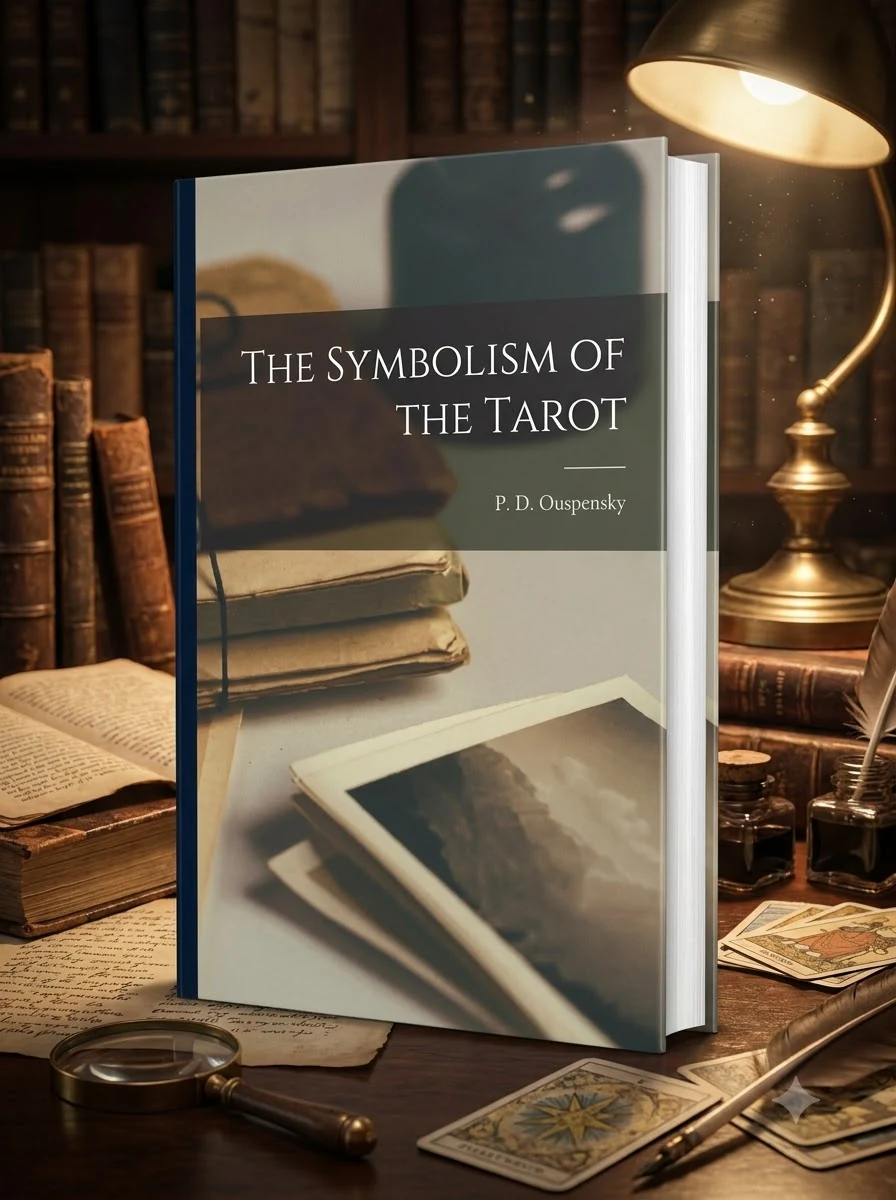
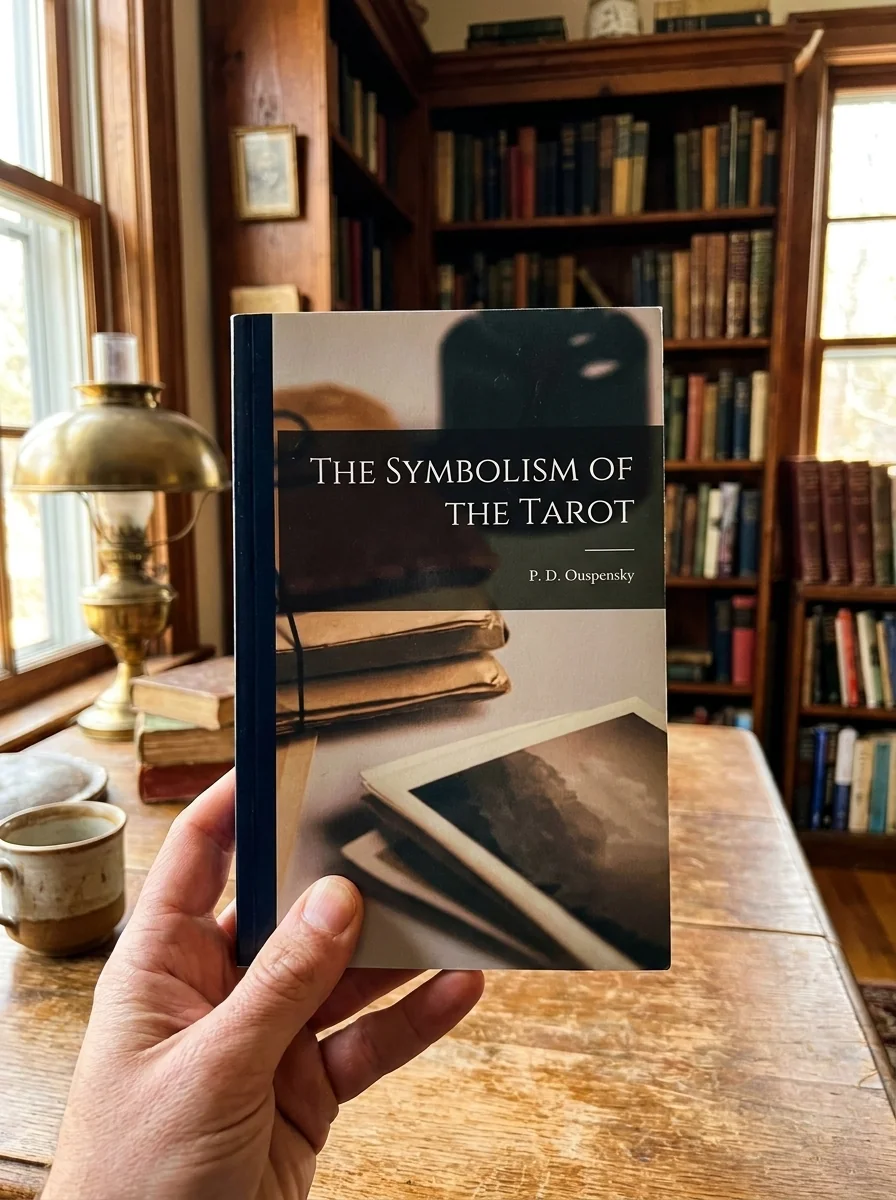
The Symbolism of the Tarot
✍️ Ouspensky, P DP. D. Ouspensky’s seminal work transcends mere card reading, delving into the Tarot as a profound philosophical system and a key to esoteric knowledge. He meticulously dissects each Major Arcana card, not as a simple divinatory tool, but as a symbolic representation of universal laws and spiritual evolution. This exploration offers readers a unique lens through which to perceive the journey of consciousness, from the material realm to higher understanding, revealing the mystical wisdom embedded in these timeless images. It's an invitation to a deeper, more intellectual engagement with the Tarot’s enigmatic language.


📝 Description: The Symbolism of the Tarot
💎 Expert review
📖 Why choose it
Why this book is worth reading
Readers seeking a profound, intellectual engagement with the Tarot will find immense value in this text. It is ideal for those who view the cards as a key to esoteric knowledge rather than simple fortune-telling aids. Ouspensky offers a unique lens for perceiving spiritual evolution and the journey of consciousness from the material realm to higher understanding. If you crave deeper, more analytical insights into the enigmatic language of the Major Arcana, this book provides the mysterious wisdom embedded in these timeless images. It transforms the reading experience into a study of universal truths, appealing to seekers who wish to uncover hidden meanings beyond surface-level interpretations.
⭐ Reader reviews
Reader rating
Ouspensky’s seminal work is a rigorous dissection of Tarot symbolism, treating each Major Arcana card as a representation of spiritual evolution and universal laws. This approach makes it an excellent resource for philosophers and serious occultists interested in the intellectual architecture of esoteric systems. However, it does not suit casual hobbyists or those seeking practical divinatory techniques. Readers looking for quick fortune-telling answers or simple imagery guides will likely find the dense philosophical content inaccessible. It demands patience and a willingness to engage with abstract concepts rather than immediate mystical experiences.
❓ Frequently asked questions
📖 Who should read this
If you seek to move beyond surface-level Tarot interpretations and desire a profound, philosophical engagement with its symbols, this book is for you. Ideal for students of esotericism, mysticism, and spiritual philosophy who are ready for a deep dive into the Tarot's intellectual underpinnings.
🎯 Key themes and symbolism
Tarot as Philosophical System
Ouspensky presents the Tarot not as a fortune-telling device, but as a structured philosophical framework. He argues that the Major Arcana embody a coherent system of ideas, reflecting fundamental universal principles and the stages of spiritual development. The book encourages a rigorous intellectual approach to understanding the deep wisdom encoded within the cards, moving beyond superficial interpretations.
Unveiling Universal Symbolism
At its core, this work explores the profound symbolic language of the Tarot. Each image, character, and number is meticulously analyzed for its deeper, esoteric meaning, connecting it to a broader tapestry of mystical traditions and psychological archetypes. Readers are guided to decipher these symbols as keys to understanding both the outer cosmos and their inner world, fostering personal revelation.
Journey of Spiritual Evolution
The book interprets the sequence of the Major Arcana as a symbolic map of the soul's journey towards enlightenment. From the Fool's innocent beginning to the World's realization, each card represents a distinct stage or lesson in the path of self-discovery and spiritual transformation. It offers insights into the challenges and triumphs inherent in the pursuit of higher consciousness.
📜 Historical context
📚 Glossary
- Tarot
- Symbolism
- Esoteric
📔 Questions to reflect on
- Reflect on a Major Arcana card you find particularly compelling. How might its symbolism relate to a current challenge or insight in your own life's journey?
- Ouspensky views Tarot as a philosophical system. Consider what 'universal truths' you believe the Tarot might represent, and how these resonate with your personal worldview.
- If each card represents a stage of spiritual evolution, where do you perceive yourself on this symbolic path, and what lessons do you feel you are currently engaging with?