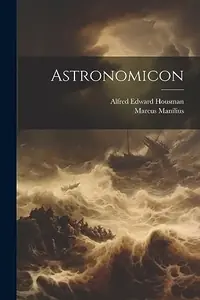
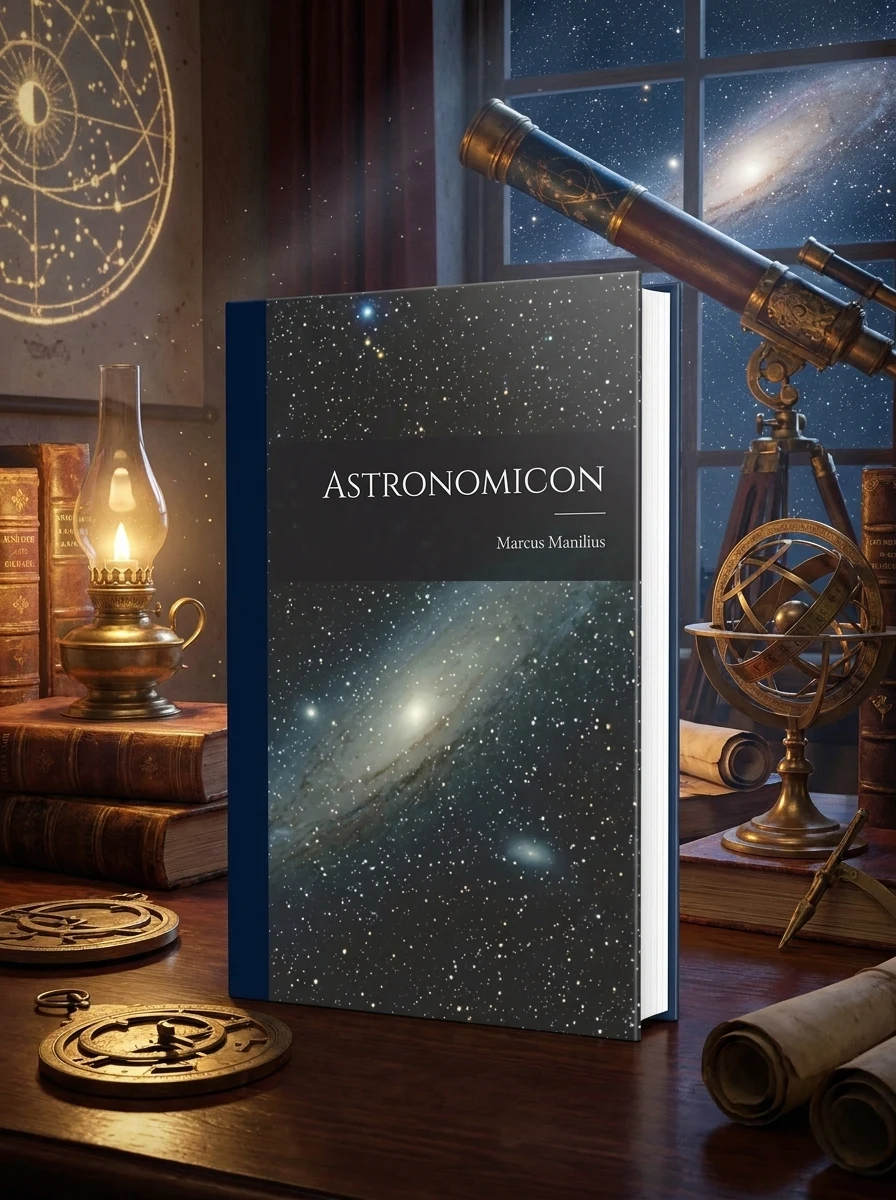
Astronomicon Manilius, Marcus
Manilius, Marcus; , Housman, Alfred EdwardStock reported in the catalog; fulfillment is confirmed with your request.
Unravel the cosmos, destiny, and ancient wisdom with Rome's forgotten astrological epic.
Delve into Marcus Manilius's monumental *Astronomicon*, a remarkable poetic journey through the cosmos from ancient Rome. This foundational text not only details early astrological principles and celestial mechanics but also reflects deeply on fate, free will, and humanity's place within the vast cosmic order. Alfred Edward Housman's acclaimed translation masterfully renders Manilius's intricate verse, offering modern readers an unparalleled window into the sophisticated astronomical and philosophical thought of the classical world, bridging science, spirituality, and poetic grandeur.
This work stands as a foundational text of ancient Roman astrology, blending classical poetic grandeur with sophisticated astronomical and philosophical thought. It serves as a bridge between the scientific understanding of celestial mechanics and the spiritual contemplation of fate in the classical world.


📝 Description: Astronomicon Manilius, Marcus
💎 Expert review
📖 Why choose it
Why this book is worth reading
Readers seeking to unravel the cosmos, destiny, and ancient wisdom will find profound value in this Rome's forgotten astrological epic. It offers modern audiences an unparalleled window into the sophisticated astronomical and philosophical thought of the classical world. Those fascinated by the intersection of science, spirituality, and poetic grandeur will appreciate how Manilius details early astrological principles while reflecting deeply on fate, free will, and humanity's place within the vast cosmic order. Alfred Edward Housman’s acclaimed translation ensures that the intricate verse remains accessible, allowing enthusiasts of esoteric history and classical literature to engage with a monumental poetic journey through the heavens.
⭐ Reader reviews
Reader rating
This edition presents Marcus Manilius's monumental Astronomicon through Alfred Edward Housman’s acclaimed translation, offering a remarkable poetic journey through the cosmos from ancient Rome. It is essential for those interested in early astrological principles and celestial mechanics that reflect on fate and free will. However, readers seeking narrative plot or light entertainment will find this work unsuitable, as it demands patience for its intricate verse and dense philosophical musings. It is not for those averse to classical poetry or complex metaphysical concepts. The text bridges science and spirituality, appealing only to those willing to delve into the sophisticated thought of the classical world without expecting straightforward prose.
❓ Frequently asked questions
📖 Who should read this
If you're drawn to the intersection of ancient philosophy, classical poetry, and the celestial mysteries, this book is for you. It's an essential read for anyone seeking to understand the historical roots of Western astrology and the profound ways ancients viewed their connection to the cosmos.
🎯 Key themes and symbolism
Fate and Celestial Influence
Manilius grapples with the profound philosophical tension between predetermined cosmic influence and individual agency. He presents a universe meticulously ordered by the stars, yet subtly probes the human capacity for choice within this grand design, inviting readers to ponder their own destiny and the intricate dance of cause and effect.
Ancient Astrological Science
This work stands as a crucial historical record of Hellenistic and Roman astronomical observations and astrological systems. It meticulously outlines planetary movements, zodiacal divisions, and their perceived terrestrial effects, offering a comprehensive look at how ancient cultures mapped and interpreted the heavens for both practical and spiritual purposes.
Poetic Cosmic Inquiry
More than a mere technical manual, *Astronomicon* is a work of profound poetic artistry. Manilius weaves complex scientific concepts and philosophical speculations into elegant Latin verse, demonstrating how ancient thought integrated rigorous inquiry with the beauty and rhythm of poetic expression, making profound ideas accessible and memorable.
💬 Quotes from the book
“Whatever binds the stars, that same chain binds the destinies of men.”
“To scrutinize the heavens, and know the cosmic dance, is to discern the very thought of God.”
📜 Historical context
📚 Glossary
- Zodiac
- Celestial Mechanics
- Stoicism
📔 Questions to reflect on
- How does Manilius's exploration of celestial determinism challenge or confirm your own beliefs about fate versus free will in your life?
- Reflect on the blend of science and spirituality in Manilius's understanding of the cosmos. How does this compare to modern perspectives on astronomy and human purpose?
- Consider the power of poetry to convey complex scientific or philosophical ideas. What insights does Manilius's verse offer that prose might miss, regarding the human connection to the stars?
✍️ More books by this author Manilius, Marcus; , Housman, Alfred Edward
All books by this author →
🏛 Books from this publisher Legare Street Press
All books from this publisher →

 83
83
 87
87
You might also like
See more →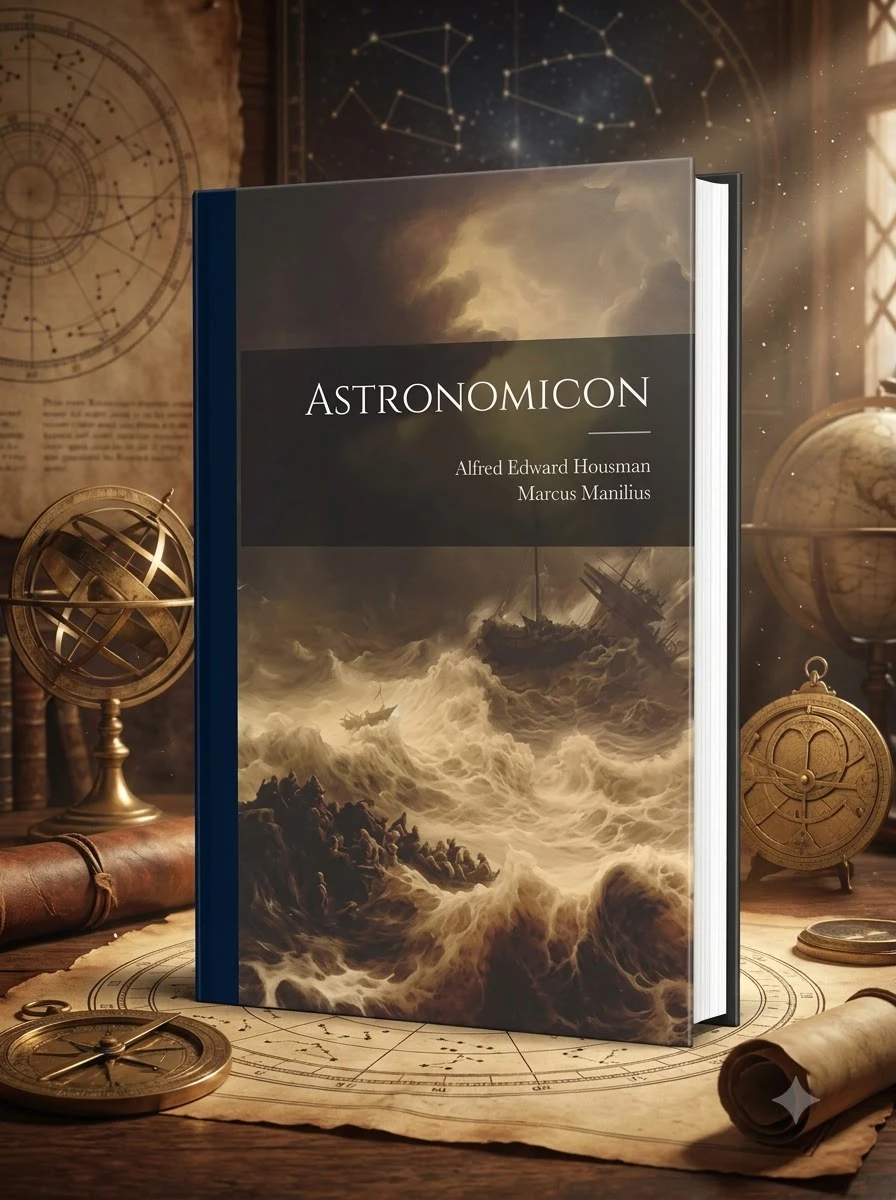 88
88
 83
83