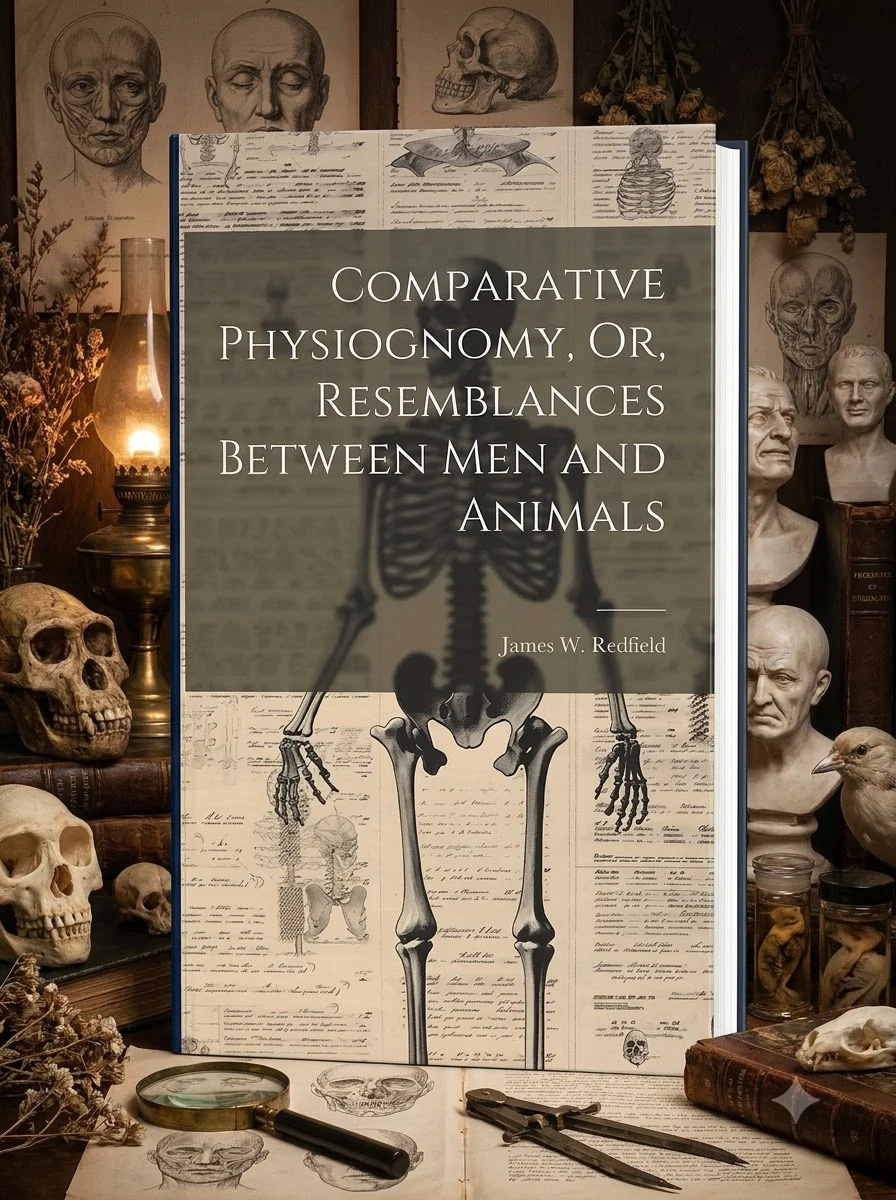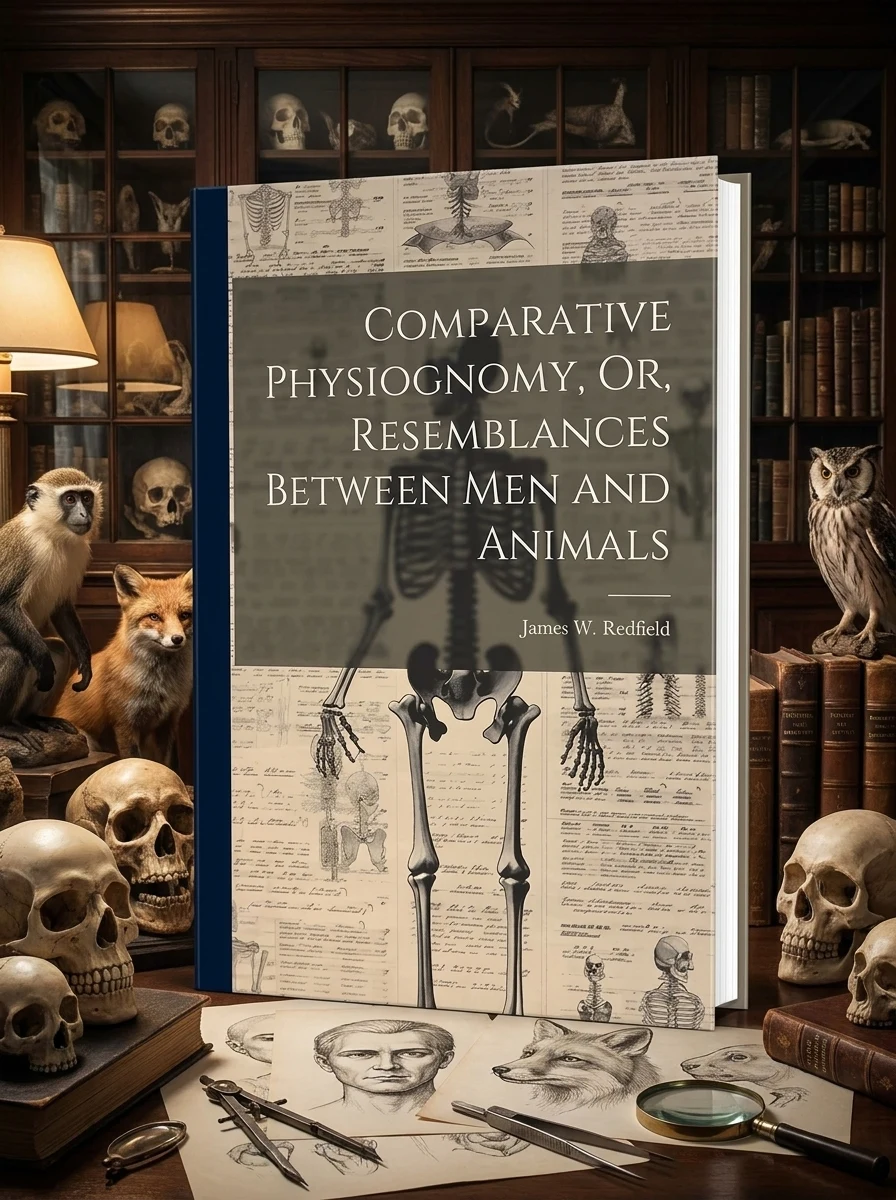
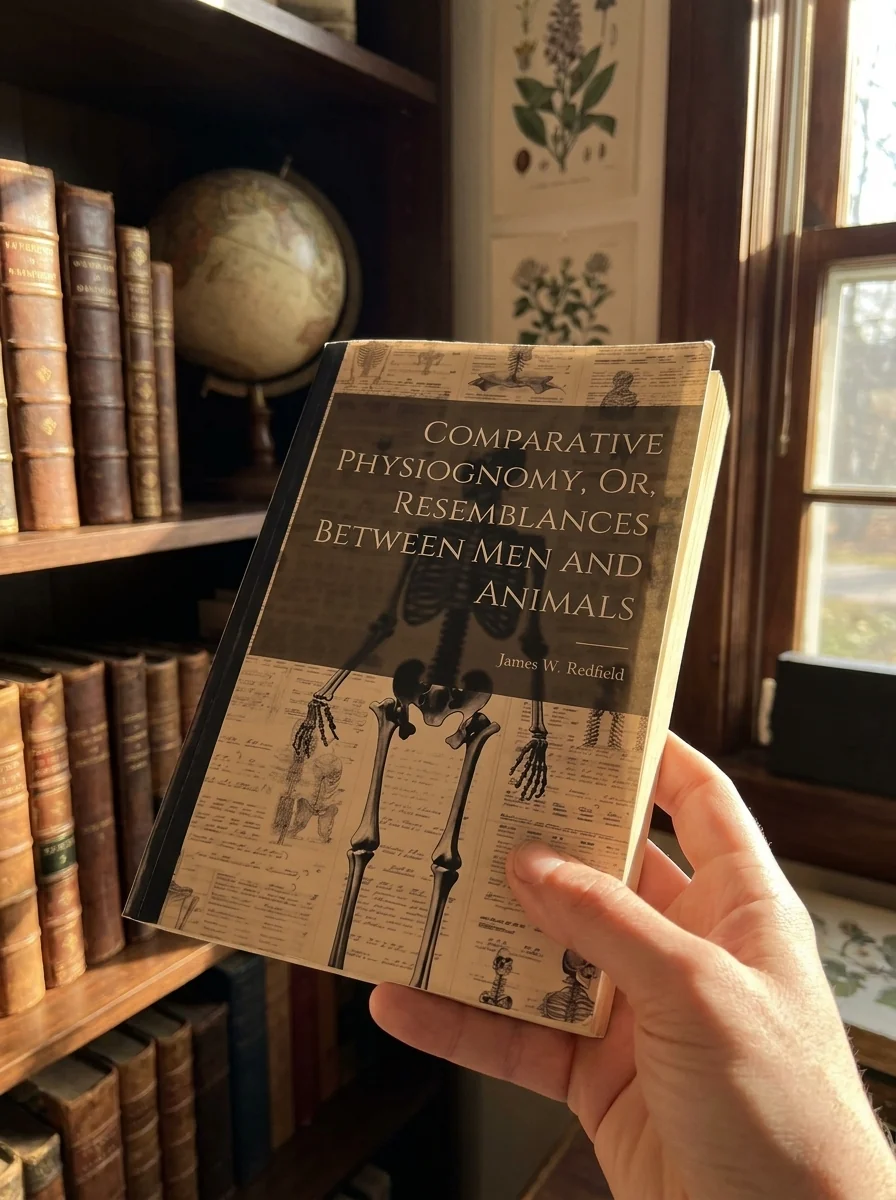
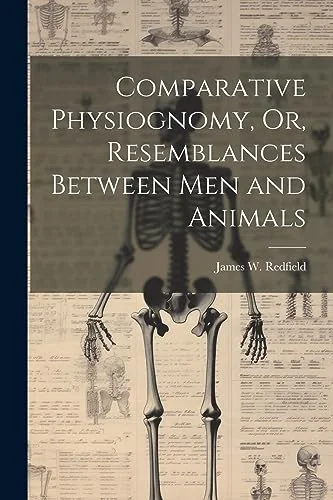
Comparative Physiognomy, Or, Resemblances Between Men and Animals
✍️ Redfield, James WComparative Physiognomy analyzes the historical pseudo-science connecting human facial features to animal traits.
This paperback release provides a direct look at nineteenth-century character study traditions through the lens of early American popular science. James W. Redfield presents a systematic examination of physical traits, comparing human facial structures directly with those of animals. The text reflects historical attitudes toward the mind, body, and spiritual connections present in early medical and scientific thought, serving as a primary document for those interested in the evolution of occult sciences and historical pet lore.
Originating in United States history, this text sits at the intersection of nineteenth-century medicine, early American science, and traditional Mind, Body, Spirit practices. It documents a period when physiognomy informed popular understanding of human character and the animal world.


📝 Description: Comparative Physiognomy, Or, Resemblances Between Men and Animals
💎 Expert review
📖 Why choose it
Why this book is worth reading
Readers fascinated by the intersection of history, biology, and occult philosophy will find this volume a compelling artifact. It offers a unique window into how nineteenth-century thinkers interpreted human temperament through the lens of animal resemblance. Those interested in the evolution of character analysis or the speculative philosophies of the past will appreciate its candid exploration of innate connections between physical appearance and behavior. It serves as both a curious intellectual history piece and a testament to the era's blend of observation and mysticism, appealing to anyone who enjoys uncovering the wild truths hidden within historical texts.
⭐ Reader reviews
Reader rating
This book is best suited for historians of science or enthusiasts of esoteric traditions seeking to understand past methodologies. It is NOT suitable for readers looking for modern scientific validity, as the premises are largely discredited today. Those expecting rigorous contemporary psychology may find the speculative nature frustrating. However, for those willing to engage with a singular volume that explores uncanny parallels between human faces and animal species, it provides an engaging, if dated, perspective on how our ancestors categorized human nature through observable physical traits without relying on modern empirical standards.
❓ Frequently asked questions
📖 Who should read this
If you're drawn to the history of esoteric thought, the quirky byways of early science, or attempts to decipher personality from appearance, this book is for you. It offers a unique glimpse into 19th-century intellectual curiosities regarding human and animal connections.
🎯 Key themes and symbolism
The Art of Physiognomy
Redfield's work stands as a curious artifact within the long tradition of physiognomy, the practice of judging character from facial features. He pushes this ancient art into a comparative realm, proposing a direct, albeit speculative, link between human and animal countenances as indicators of underlying nature, reflecting a particular 19th-century scientific curiosity.
Echoes of the Wild
At its core, this volume explores the audacious claim that human faces mirror distinct animal traits, thereby revealing an individual's intrinsic disposition. Redfield meticulously details these alleged resemblances, inviting readers to ponder the primal connections between humanity and the animal kingdom, a perspective both insightful and controversial for its time.
Victorian Scientific Curiosity
Redfield's text is a quintessential product of its era, embodying the 19th century's fervent drive to classify and understand the natural world, including humanity. It showcases a period when scientific inquiry often mingled with philosophical speculation and pseudoscientific theories, offering a unique glimpse into the intellectual landscape of American thought regarding human nature and biological relationships.
📜 Historical context
📚 Glossary
- Physiognomy
- Pseudoscientific
- Temperament
📔 Questions to reflect on
- How might the historical practice of physiognomy, even if flawed, reflect deeper human desires to understand and categorize ourselves and others?
- Consider your own face, or the faces of those around you. Can you identify any features that, in a purely speculative sense, might evoke animalistic resemblances? What biases might this exercise reveal?
- In what ways do contemporary understandings of genetics, psychology, and social conditioning challenge or align with the historical concept that character is visibly etched upon the face?