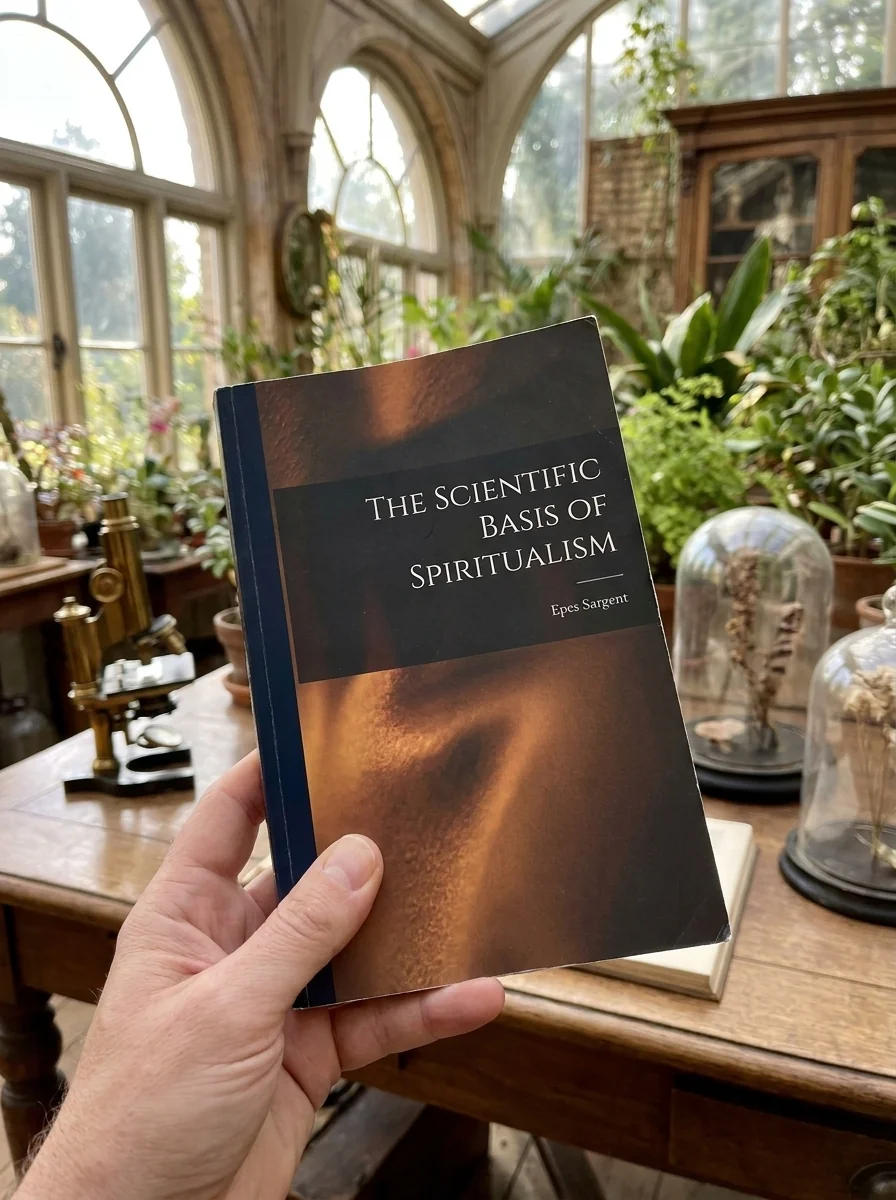
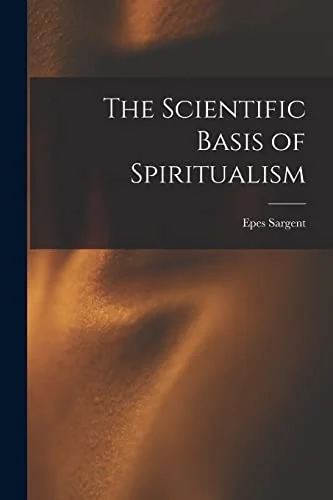
The Scientific Basis of Spiritualism
✍️ Sargent, EpesEpes Sargent's seminal work delves into the controversial realm of Spiritualism, striving to bridge the chasm between empirical science and the unseen world. Far from dismissing spirit communication as mere superstition, Sargent meticulously examines phenomena like mediumship and psychic abilities through a lens of rational inquiry. He seeks to establish a framework where spiritual experiences can be understood, if not fully explained, by a rigorous, systematic approach, challenging the scientific orthodoxy of his era. This volume offers a compelling argument for a broader understanding of consciousness and existence beyond conventional materialist views.


📝 Description: The Scientific Basis of Spiritualism
💎 Expert review
📖 Why choose it
Why this book is worth reading
Readers fascinated by the intersection of consciousness studies and occult history will find this text indispensable. It appeals to those who crave a rigorous, systematic approach to spiritual phenomena rather than emotional or mystical accounts. If you are weary of dismissing spirit communication as mere superstition, Sargent offers a compelling framework for understanding it through rational inquiry. This book is ideal for scholars and seekers alike who wish to challenge scientific orthodoxy without abandoning logic. It provides a unique perspective on existence beyond conventional materialist views, making it essential for anyone dedicated to expanding their understanding of the unseen world through a lens of empirical evidence and thoughtful analysis.
⭐ Reader reviews
Reader rating
Sargent’s seminal work is a bold attempt to legitimize Spiritualism through rational inquiry, yet it may frustrate readers seeking straightforward mystical answers. It does not suit those who prefer emotional validation or unexamined faith over rigorous systematic analysis. The text demands patience from those uncomfortable with challenging scientific orthodoxy of its era. While the argument for a broader consciousness is compelling, the dense focus on bridging empirical science with spiritual experiences may feel academic to casual occultists. However, for the intellectually curious skeptic or the serious practitioner, it remains a vital, if demanding, resource in understanding the historical and philosophical underpinnings of mediumship.
❓ Frequently asked questions
📖 Who should read this
If you're a seeker of truth beyond conventional boundaries, curious about the historical attempts to rationalize the unseen, or a student of mind-body-spirit connections, this book invites you. It's for those who dare to question established paradigms and explore the intersection of science and spirituality.
🎯 Key themes and symbolism
Science Meets the Ethereal
Sargent endeavors to apply a methodical, investigative approach to phenomena often relegated to the supernatural. He scrutinizes evidence, debunks charlatanry, and postulates theories that seek to integrate spiritual experiences within a nascent scientific paradigm, arguing that genuine psychic events are not antithetical to natural law, but rather extensions of it.
Exploring Consciousness Beyond Matter
The text probes the fundamental question of consciousness's origin and persistence, suggesting it extends beyond the physical brain. Sargent explores ideas of a non-local mind and the potential for intelligence to operate independently of the body, offering a philosophical and empirical challenge to strictly materialist views on existence and identity.
Investigating Spirit Communication
Sargent meticulously documents and analyzes accounts of mediumship, clairvoyance, and other psychic manifestations. His goal is to differentiate authentic phenomena from fraud, providing a reasoned basis for the existence of communication with discarnate entities. This exploration aims to elevate spiritualist practices from mere belief to a subject worthy of serious academic consideration.
📜 Historical context
📚 Glossary
- Spiritualism
- Mediumship
- Psychic Phenomena
📔 Questions to reflect on
- How might modern science approach the phenomena discussed in this book differently than Sargent did in his era?
- What personal experiences or beliefs, if any, challenge your own understanding of the boundary between the material and the spiritual?
- If consciousness can exist independently of the physical body, what implications does this have for our understanding of life, death, and human identity?