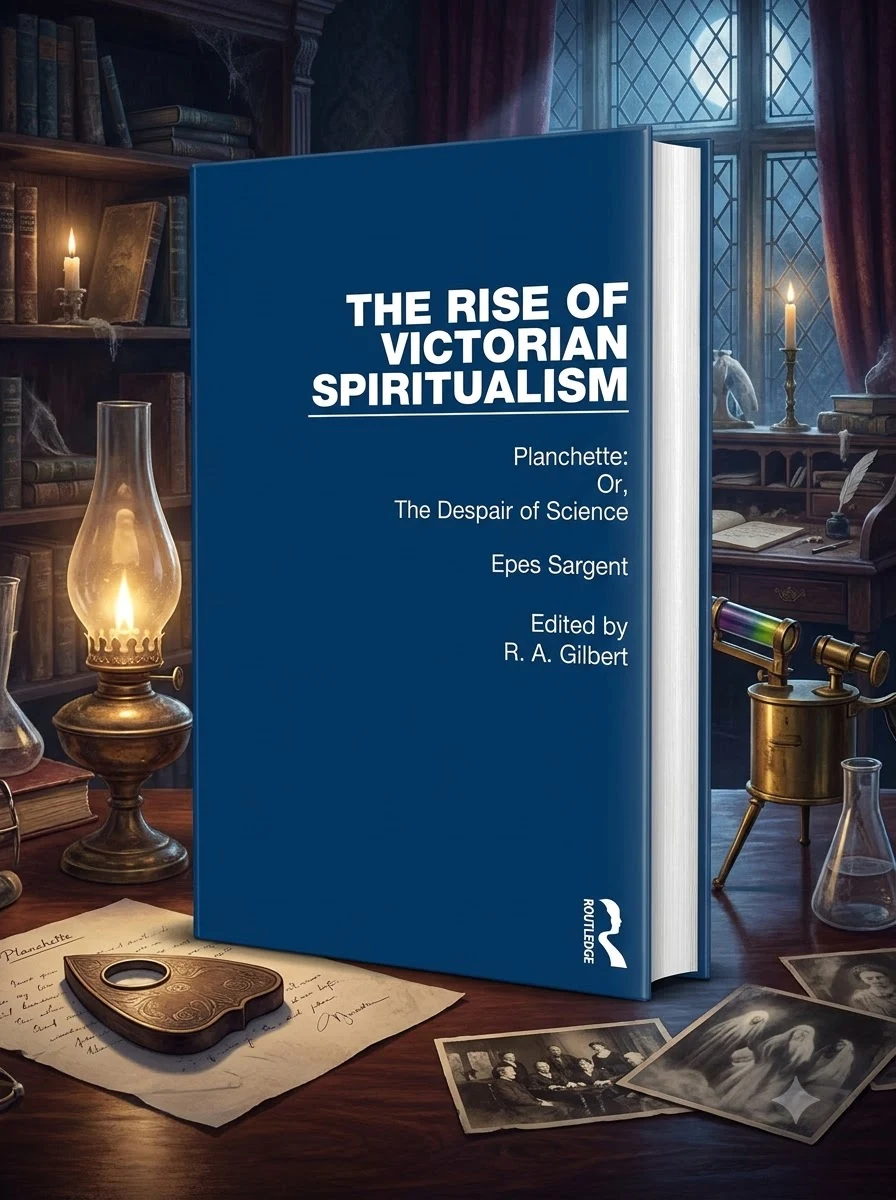
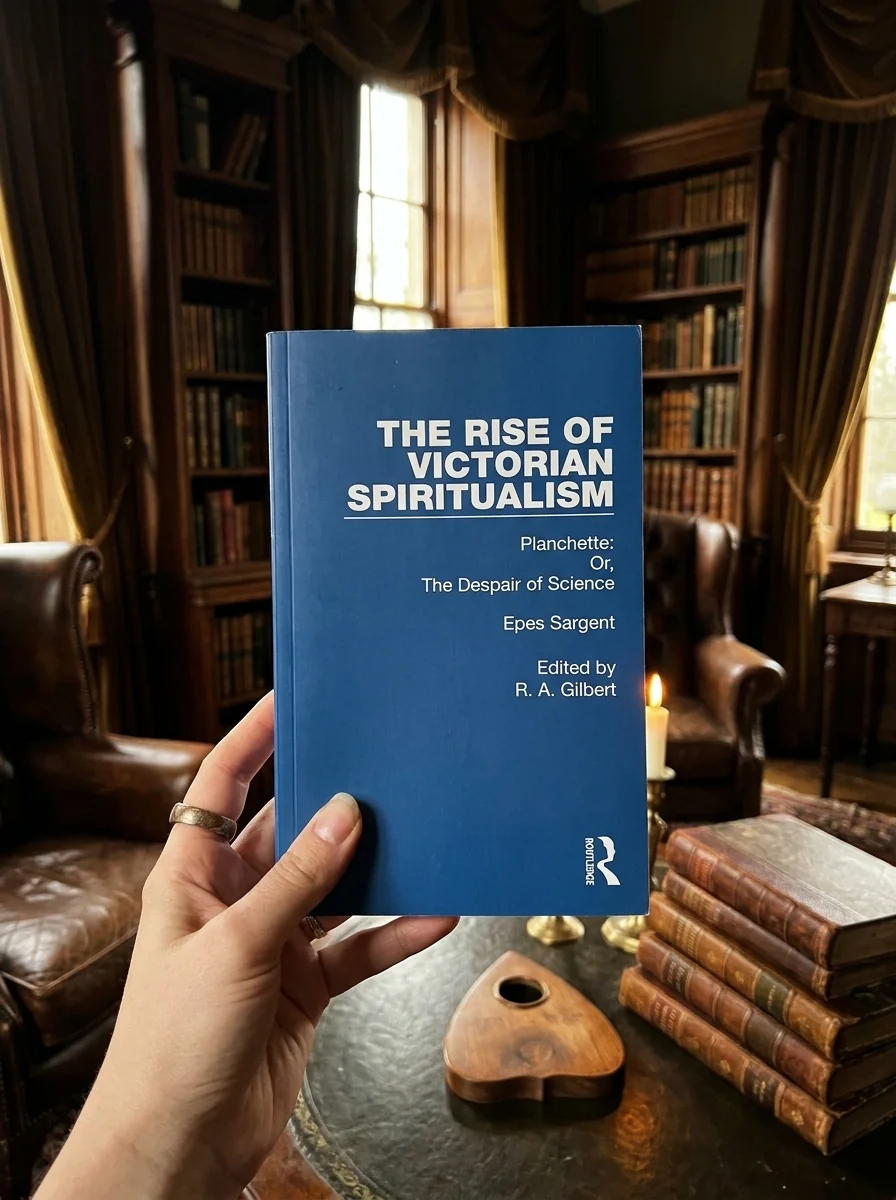
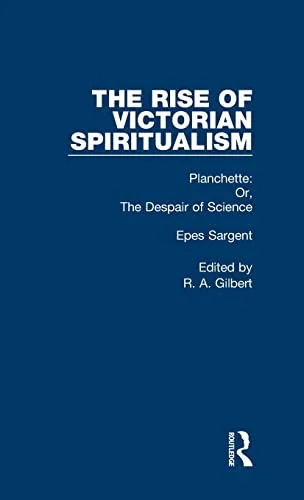
Planchette Or Despair Sci V3 Sargent, Epes
✍️ Sargent, EpesEpes Sargent's *Planchette Or Despair* delves into the enigmatic realm of spiritualism, exploring the profound human desire to connect with unseen forces. This pivotal work scrutinizes the use of the planchette as a conduit for communication, examining both its potential as a gateway to profound insights and the psychological precipice it might represent. Sargent navigates the delicate balance between genuine spiritual inquiry and the pitfalls of delusion, offering a compelling perspective on the era's fascination with the afterlife. It's an essential read for those pondering the frontiers of consciousness and the enduring quest for meaning beyond the material.


📝 Description: Planchette Or Despair Sci V3 Sargent, Epes
💎 Expert review
📖 Why choose it
Why this book is worth reading
Readers deeply intrigued by the historical intersection of psychology and occult practice will find this book invaluable. It serves as a crucial guide for those navigating their own spiritual journeys, offering a balanced perspective on the planchette's role as both a tool for insight and a potential trap for delusion. Those who ponder the frontiers of consciousness and seek meaning beyond the material world will appreciate Sargent’s candid exploration of doubt versus faith. It is particularly beneficial for individuals standing at the precipice of belief, providing a nuanced framework to understand the psychological weight of seeking contact with unseen forces without succumbing to despair or blind acceptance.
⭐ Reader reviews
Reader rating
Sargent offers a compelling, if somewhat dated, examination of spiritualism’s core mechanics and emotional stakes. The text is essential for historians of religion and those studying the psychology of belief during the Victorian era. However, readers seeking empirical proof of supernatural phenomena may find the work frustratingly ambiguous, as it prioritizes psychological analysis over definitive validation. Skeptics who expect a hard debunking might also feel the tone is too sympathetic to the spiritualist experience. It is best suited for those interested in the cultural and mental landscape of the time rather than those looking for absolute truths or modern scientific critiques of parapsychology.
❓ Frequently asked questions
📖 Who should read this
For seekers fascinated by spiritualism's arcane arts and historical attempts to bridge worlds, this book offers a unique lens. If you ponder the human quest for meaning beyond life, or the psychological impact of such pursuits, Sargent’s work awaits.
🎯 Key themes and symbolism
Spirit Communication Methods
The book likely explores the mechanics and implications of using tools like the planchette for purported communication with spirits. It would detail the methods employed by spiritualists of the era, discussing the phenomenon of automatic writing and the belief systems surrounding messages from the beyond.
Psychological Boundaries Explored
Given 'Despair' in the title, Sargent probably examines the mental and emotional consequences of engaging with spiritualist practices. This could involve the potential for psychological distress, delusion, or the profound existential questions that arise when seeking contact with the deceased.
Faith Versus Doubt
Sargent's work almost certainly grapples with the tension between fervent belief in spiritualism and the rational skepticism of its critics. It would likely present arguments for and against the authenticity of spirit manifestations, reflecting the societal debates surrounding these practices during its original publication period.
📜 Historical context
📚 Glossary
- Planchette
- Spiritualism
- Automatic Writing
📔 Questions to reflect on
- How do you personally distinguish between genuine spiritual experience and psychological projection in matters of the unseen?
- Consider the human need for connection with the departed. What are the ethical implications of seeking such contact through tools like the planchette?
- In an age of skepticism, what enduring appeals does spiritualism hold, and how might these reflect deeper societal or individual anxieties?