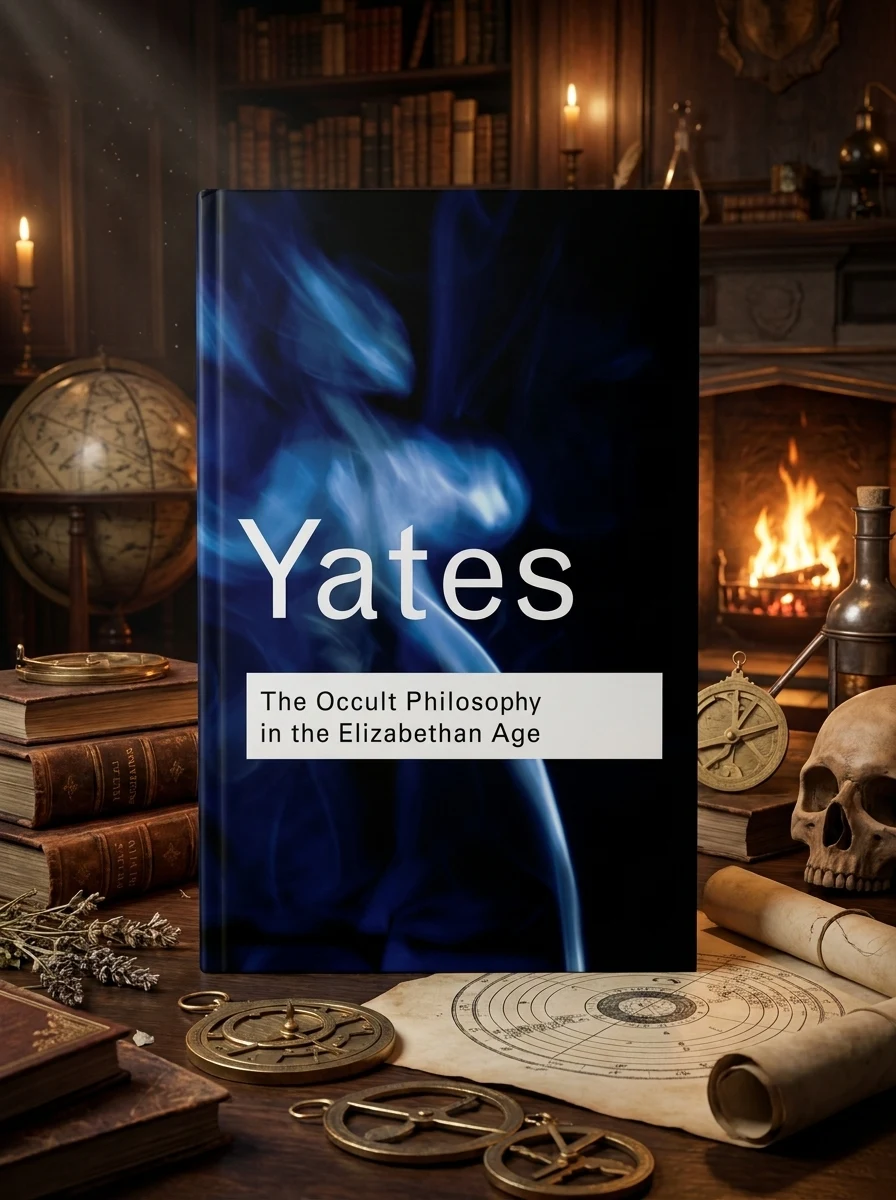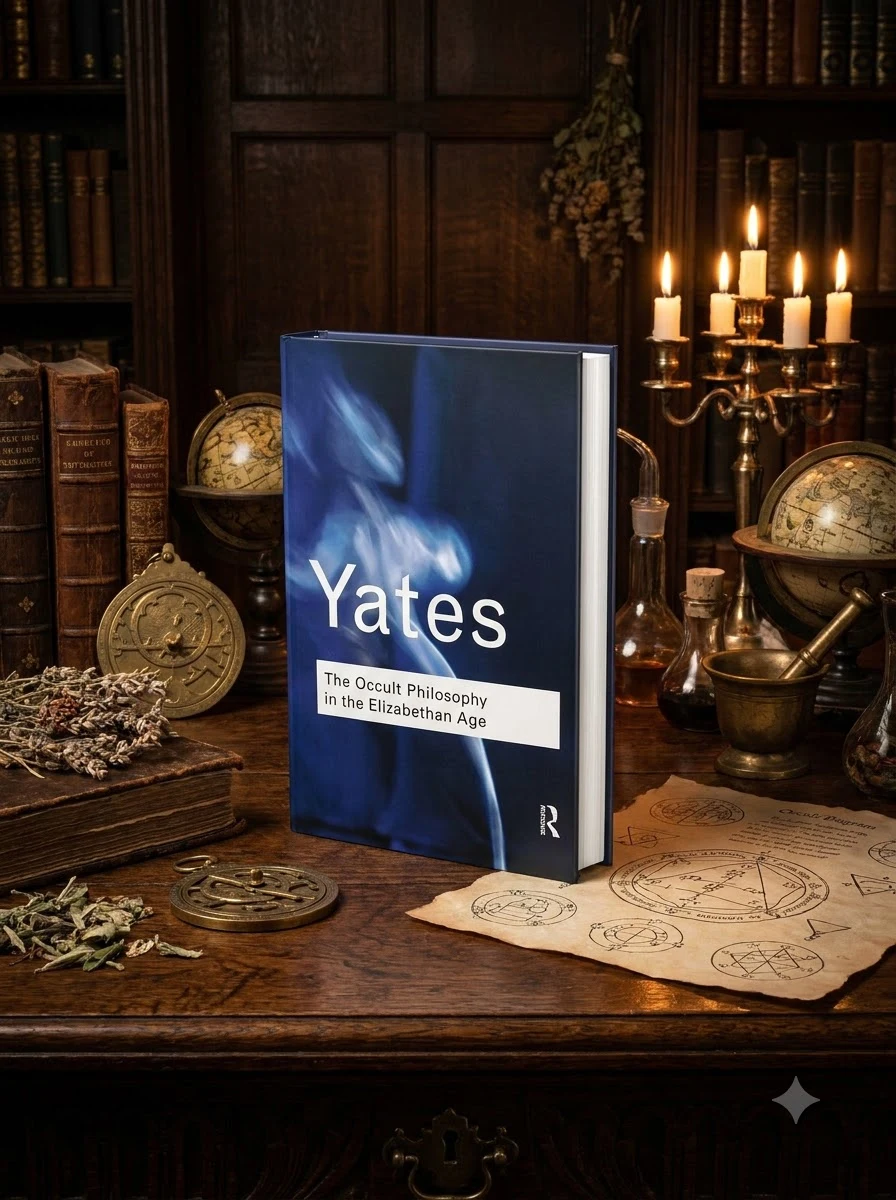
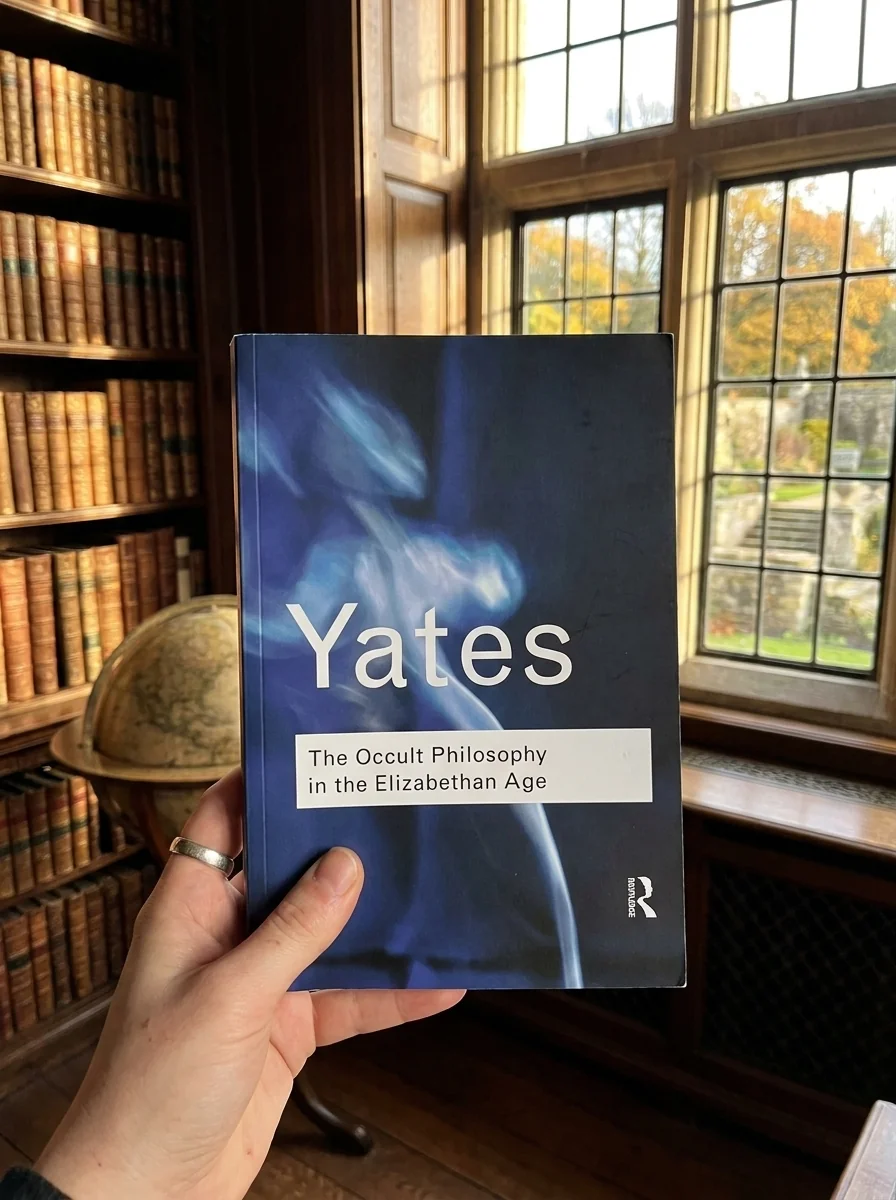
The Occult Philosophy in the Elizabethan Age Yates, Frances
✍️ Yates, FrancesDame Frances Yates's seminal work masterfully redefines our understanding of the Renaissance, unveiling the profound influence of occult philosophy. This accessible yet penetrating survey delves into the intellectual landscape of the Elizabethan era, highlighting pivotal figures like John Dee and Giordano Bruno. Yates meticulously demonstrates how these esoteric traditions were not antithetical to, but rather foundational for, the burgeoning scientific revolution of the seventeenth century. Her engaging prose illuminates the surprising connections between ancient wisdom, magical practices, and the very bedrock of Western civilization, making complex ideas remarkably clear.


📝 Description: The Occult Philosophy in the Elizabethan Age Yates, Frances
💎 Expert review
📖 Why choose it
Why this book is worth reading
Readers fascinated by the hidden currents that shaped Western thought will find this book indispensable. It is particularly beneficial for those seeking to understand the surprising connections between ancient wisdom, magical practices, and the bedrock of modern science. Yates’s accessible prose makes complex esoteric ideas clear, revealing how pivotal figures like John Dee influenced the scientific revolution. Anyone interested in the intersection of mysticism and intellectual history will gain a deeper appreciation for how these traditions laid the groundwork for Western civilization. It offers a penetrating survey that challenges conventional narratives about the separation of magic and science.
⭐ Reader reviews
Reader rating
Yates masterfully illuminates the esoteric underpinnings of the Elizabethan age, demonstrating their crucial role in the development of modern science. Her engaging prose renders complex philosophical connections remarkably clear for the dedicated reader. However, this work does not suit those seeking straightforward historical chronologies devoid of metaphysical interpretation, nor readers who prefer a strict separation between occult practices and scientific inquiry. It is also less appropriate for those uninterested in the intellectual biography of figures like Giordano Bruno or the nuanced history of Renaissance magic. While essential for understanding the era's esoteric currents, it demands an engagement with abstract philosophical concepts that may alienate casual readers.
❓ Frequently asked questions
📖 Who should read this
If you're fascinated by the hidden undercurrents of intellectual history, the Renaissance, or the surprising origins of modern science, this book is essential. It's for anyone eager to grasp how magic and philosophy intertwined to shape our world.
🎯 Key themes and symbolism
Occult Roots of Science
This book persuasively argues that Renaissance occult philosophy, far from being a superstitious dead end, provided crucial intellectual frameworks and motivations that fostered the rise of modern scientific inquiry. It explores how a magical worldview, focused on understanding and manipulating nature's hidden forces, laid groundwork for empirical observation and experimentation.
Elizabethan Esoteric Minds
Yates shines a spotlight on key intellectual luminaries of the Elizabethan age, such as the enigmatic Dr. John Dee and the visionary Giordano Bruno. She examines their profound contributions to esoteric thought, their unique syntheses of magic, philosophy, and early science, and their significant, often overlooked, impact on the intellectual currents of their time.
Redefining Western Thought
The work challenges conventional narratives of intellectual history by positioning esoteric traditions at the heart of Western civilization's development. It reveals how ideas once considered marginal were, in fact, central to the cultural and scientific shifts of the Renaissance, profoundly influencing the trajectory of European thought and its subsequent global impact.
📜 Historical context
📚 Glossary
- Esotericism
- Renaissance
- Elizabethan Age
📔 Questions to reflect on
- How does understanding the esoteric underpinnings of the Renaissance challenge or confirm your existing views on the origins of scientific thought?
- Consider how contemporary 'fringe' or unconventional ideas might, in retrospect, be seen as foundational to future mainstream intellectual movements.
- Reflect on the tension between rationalism and mysticism throughout history. How does Yates's work reframe this perceived opposition?