Comparative Physiognomy, Or, Resemblances Between Men and Animals.
✍️ Redfield, James WA historic study of physical resemblances between human beings and animals.
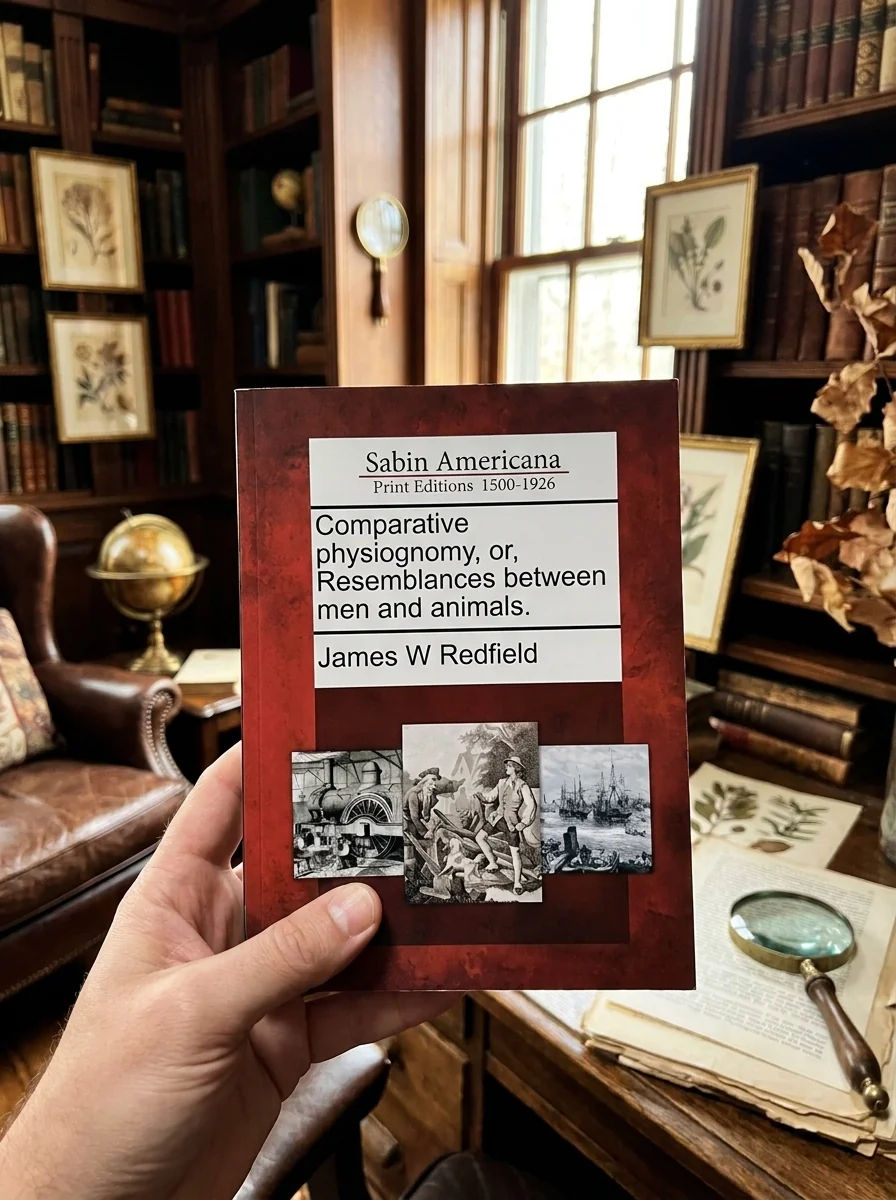
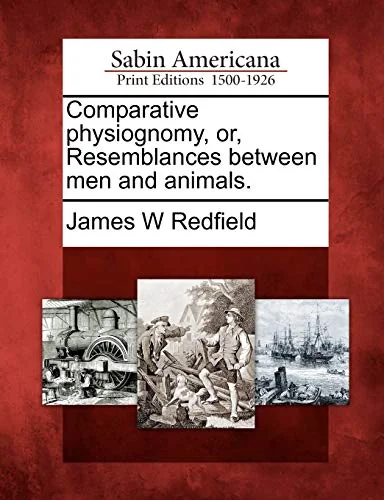
James W. Redfield's 338-page study examines the physical resemblances between humans and animals, offering a unique reflection of early American thought. Part of the Sabin Americana collection based on Joseph Sabin's Bibliotheca Americana, this print-on-demand paperback reissue features high-quality scans from the Huntington Library and includes detailed historical illustrations for researchers, historians, and readers of natural history.
Originating from an 1852 edition held by the Huntington Library, this text forms part of Sabin Americana, spanning four hundred years of western hemisphere history.


📝 Description: Comparative Physiognomy, Or, Resemblances Between Men and Animals.
💎 Expert review
📖 Why choose it
Why this book is worth reading
Readers with a keen interest in the history of psychology and the evolution of esoteric thought will find this treatise particularly rewarding. It serves as a unique window into how past societies perceived personality through external signs, offering an intriguing look at the enduring human quest to decode the inner self via outward appearance. Those fascinated by the hidden animal within every person, or those studying the intersection of biology and philosophy in historical contexts, will gain valuable insights. The book is ideal for scholars and hobbyists alike who wish to understand the cultural perceptions that once linked cunning, strength, and gentleness directly to facial features and bodily forms.
⭐ Reader reviews
Reader rating
This volume offers a fascinating, albeit dated, perspective on character analysis through the lens of animal resemblance. While it provides a rich resource for understanding historical scientific thought and societal perceptions, it is not suitable for modern readers seeking evidence-based psychological frameworks or those with a strong aversion to pseudo-scientific typologies. The work’s value lies strictly in its historical context as a testament to 19th-century beliefs rather than contemporary validity. Readers looking for rigorous academic critique or up-to-date physiological studies will likely find the content obsolete. However, for those willing to engage with it as a cultural artifact, it remains an intriguing exploration of how humanity has historically attempted to map the soul onto the face.
❓ Frequently asked questions
📖 Who should read this
Seekers of forgotten sciences, students of 19th-century American thought, and anyone fascinated by the historical intersections of biology, psychology, and divination will find this a captivating read. It’s perfect for those intrigued by how past generations attempted to decode the human spirit through observable traits.
🎯 Key themes and symbolism
Physiognomic Beliefs
This book meticulously outlines the popular 19th-century pseudo-science of physiognomy, detailing methods for interpreting facial features and body language as indicators of personality, moral fiber, and destiny. It explores the intricate systems developed to categorize individuals based on outward appearance, providing a historical blueprint for character assessment.
Human-Animal Connection
Redfield posits a provocative link between human physiognomy and the animal kingdom. He argues that specific animal traits, whether cunning, loyalty, or ferocity, find their reflection in human countenances, suggesting a deeper, observable continuum between species. This offers a unique lens through which to view human nature.
Historical Context of Science
Situated within the "Sabin Americana" collection, this volume serves as a vital artifact of early American intellectual history. It illuminates the scientific inquiries and popular philosophical currents of the 19th century, showcasing how nascent scientific thought grappled with complex questions of human identity and the desire to classify and understand the self.
📜 Historical context
📚 Glossary
- Physiognomy
- Phrenology
- Sabin Americana
📔 Questions to reflect on
- How might an understanding of historical physiognomy influence your perception of character portrayal in 19th-century literature or art?
- Reflect on modern biases or stereotypes tied to physical appearance. How do they compare to the systematic approach of physiognomy, and what are the ethical implications?
- If you were to develop a contemporary system of 'comparative physiognomy,' what connections between human and animal traits might you propose, and why?