How to Know Higher Worlds
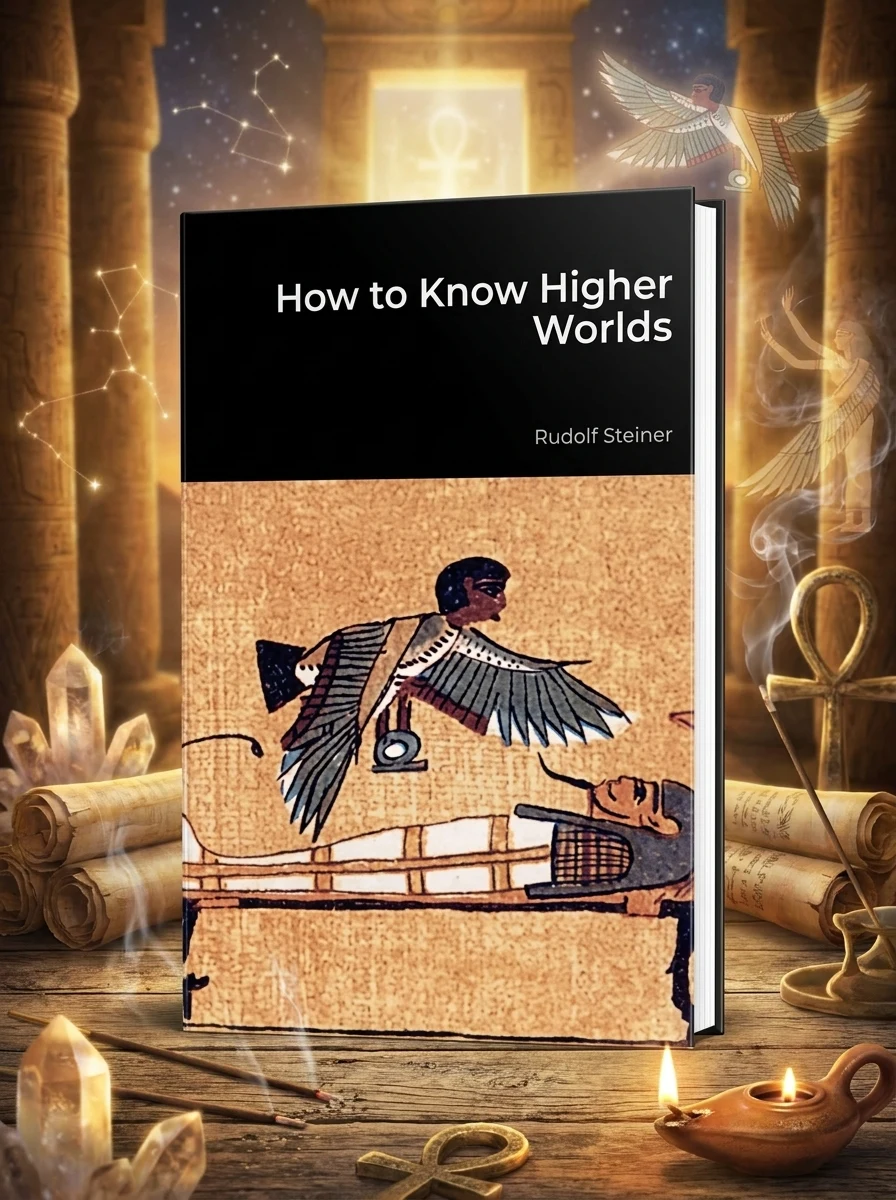
✍️ Steiner, RudolfThis foundational text by Rudolf Steiner offers a practical methodology for individuals seeking direct experience of spiritual dimensions. More than a philosophical treatise, it functions as a training regimen, guiding readers to cultivate inner faculties for perceiving unseen realities. Steiner, drawing on his own lifelong spiritual insights and rigorous intellectual background, posits that dedicated ethical practice and meditative discipline can awaken an individual's capacity for higher consciousness. This journey, he argues, not only unveils profound truths about existence but also fosters greater morality, creativity, and self-directed freedom, leading to actions rooted in altruistic love.


📝 Description: How to Know Higher Worlds
💎 Expert review
📖 Why choose it
Why this book is worth reading
This book is essential for the serious seeker who feels constrained by purely materialistic worldviews and craves a structured path to spiritual autonomy. Readers will gain a practical, step-by-step framework for developing their own inner sight, moving beyond passive belief to active perception. It appeals to those interested in self-development, ethical evolution, and the cultivation of creativity through disciplined meditation. If you desire a methodology that links spiritual insight directly to moral action and altruistic love, this guide offers the necessary tools to navigate higher realms with clarity and purpose.
⭐ Reader reviews
Reader rating
Steiner’s work is a rigorous manual rather than a casual introduction to mysticism. It demands significant ethical discipline and meditative practice, making it unsuitable for those seeking quick fixes or abstract philosophy without application. Skeptics of direct spiritual perception or readers preferring poetic over systematic approaches will likely find its intellectual density and prescriptive nature off-putting. However, for the dedicated student willing to undergo transformative inner work, it provides an unparalleled roadmap to conscious spiritual experience.
❓ Frequently asked questions
📖 Who should read this
If you're a seeker yearning for direct, verifiable spiritual experience beyond dogma, this book is for you. Ideal for those ready to commit to inner discipline and ethical self-transformation, it offers a challenging yet rewarding path to higher consciousness, appealing to both the intellectually curious and the spiritually earnest.
🎯 Key themes and symbolism
Cultivating Spiritual Perception
Steiner outlines a systematic approach to awakening latent spiritual senses. Far from being an abstract concept, this book provides actionable steps and mental exercises designed to refine one's inner awareness, allowing for direct, personal encounter with non-physical realities and a deeper understanding of existence beyond the material.
Ethical Inner Cultivation
Integral to Steiner's spiritual path is the profound emphasis on moral development. He argues that genuine spiritual insight is inseparable from ethical living, proposing that conscious cultivation of virtues and selfless action are not mere byproducts but essential prerequisites for perceiving and navigating higher worlds, ultimately leading to true freedom.
A Scientific Approach to Spirit
Breaking from purely mystical traditions, Steiner endeavors to apply a disciplined, methodical framework akin to scientific inquiry to the exploration of spiritual phenomena. He seeks to provide a verifiable and systematic understanding of supra-sensible experiences, making spiritual knowledge accessible and comprehensible through an intellectual yet experiential lens.
📜 Historical context
📚 Glossary
- Higher Worlds
- Anthroposophy
- Spiritual Vision
📔 Questions to reflect on
- What ethical discipline do you believe is most crucial for spiritual growth, and how might you integrate it more deeply into your daily life?
- Reflect on moments when you've felt a connection to something 'higher' or beyond the material. How did these experiences manifest, and what did they reveal to you?
- How does the idea of a 'scientific' approach to spiritual experience resonate with or challenge your current understanding of spirituality?