If you've felt drawn to Rudolf Steiner's name—whether through Waldorf education, biodynamic farming, or a friend's recommendation—you've probably noticed something: his books can feel intimidating. Steiner wrote over 300 works, many dense with spiritual science that assumes prior knowledge. But here's what most introductions miss: Steiner's real gift wasn't theory. It was showing how spiritual understanding lives in the body, the seasons, and the actual work of becoming more conscious.
This matters especially now. We're entering autumn—what Steiner called a threshold season when the earth's forces turn inward and human consciousness naturally shifts toward reflection and deepening. If you've ever felt more introspective in September, more drawn to questions about meaning and growth, you've felt what Steiner mapped: that human development and the world move together in rhythms we can actually work with.
The nine books below aren't ranked by difficulty alone. They're ordered by readiness: where you actually are right now, and what will meet you there. Some are short and aphoristic. Others are systematic. A few bridge Steiner's work into practices you can do this week. All of them assume you're serious—but not that you've read twenty other books first.
Start Here: The Threshold Books (Under $15)
These are the books to pick up first. They're short, they don't assume you know Steiner's terminology, and they're designed to meet the beginner's real question: "What is this actually about, and can I trust it?"
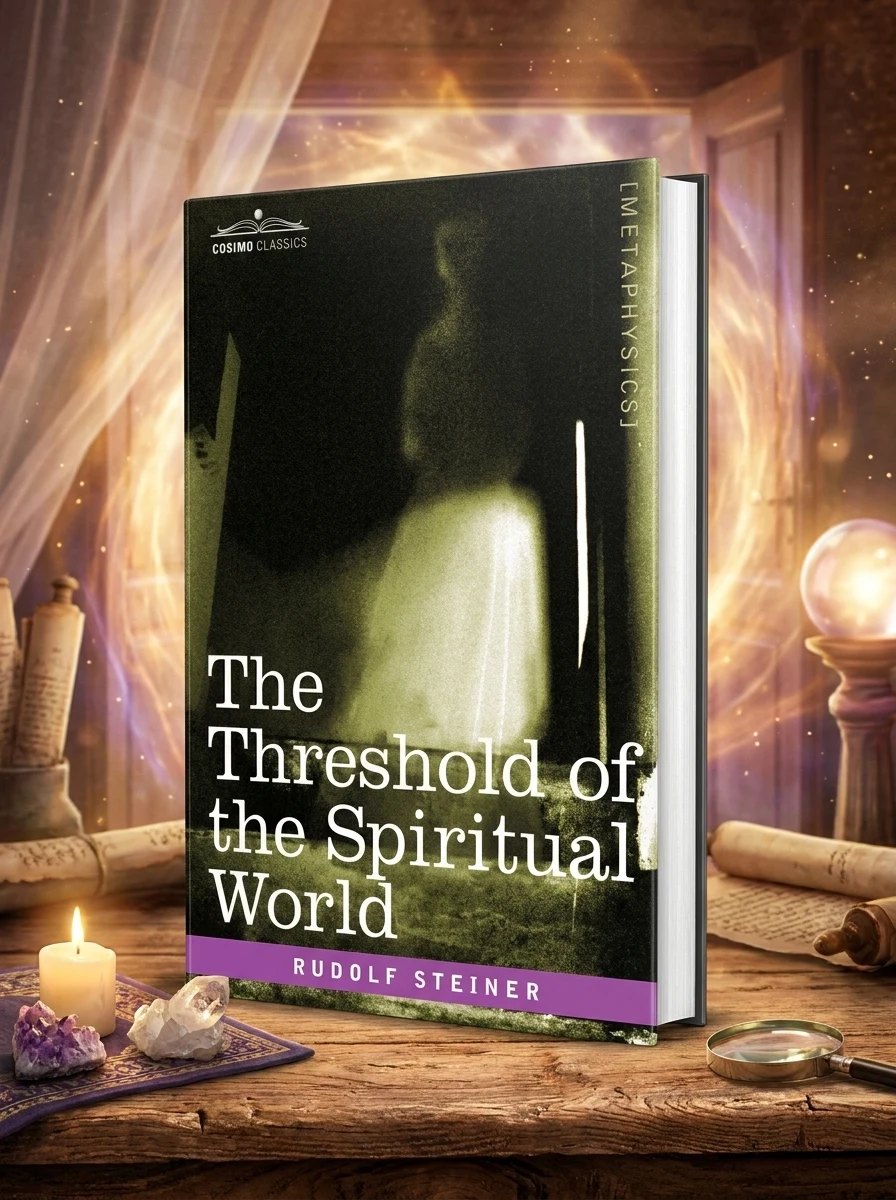
1. The Threshold of the Spiritual World — Rudolf Steiner
The Threshold of the Spiritual World is exactly what its title promises: a book about the moment when inner work becomes real. Steiner wrote this for people who sense there's more to existence than the material world offers, but who haven't yet committed to systematic practice. At under $15, it's also the most accessible entry point in his entire body of work. The book is short, aphoristic, and honest about what spiritual development actually requires—not belief, but disciplined attention. If you're reading this in autumn, this is the book to start with. It speaks directly to the season's inward turn.
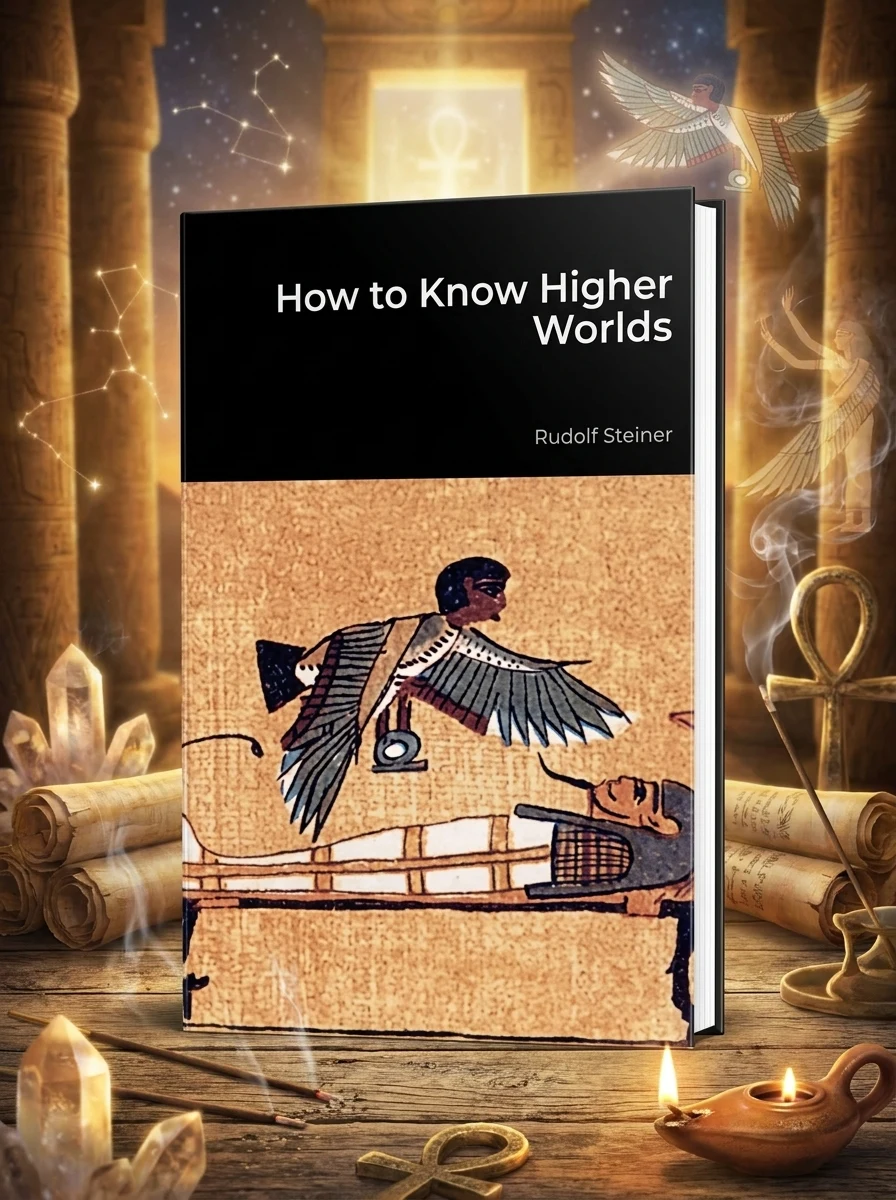
2. How to Know Higher Worlds — Rudolf Steiner
How to Know Higher Worlds is Steiner's practical manual for inner development. Unlike many spiritual books that describe what enlightenment looks like, this one tells you what to do on Tuesday morning. It outlines six exercises—concentration, meditation, imagination, inspiration, intuition, and what Steiner calls "thinking in pictures"—that train perception itself. The book assumes you're ready to work, not just read. It's under $15 and has been the entry point for serious practitioners for over a century. If you want method more than philosophy, start here.
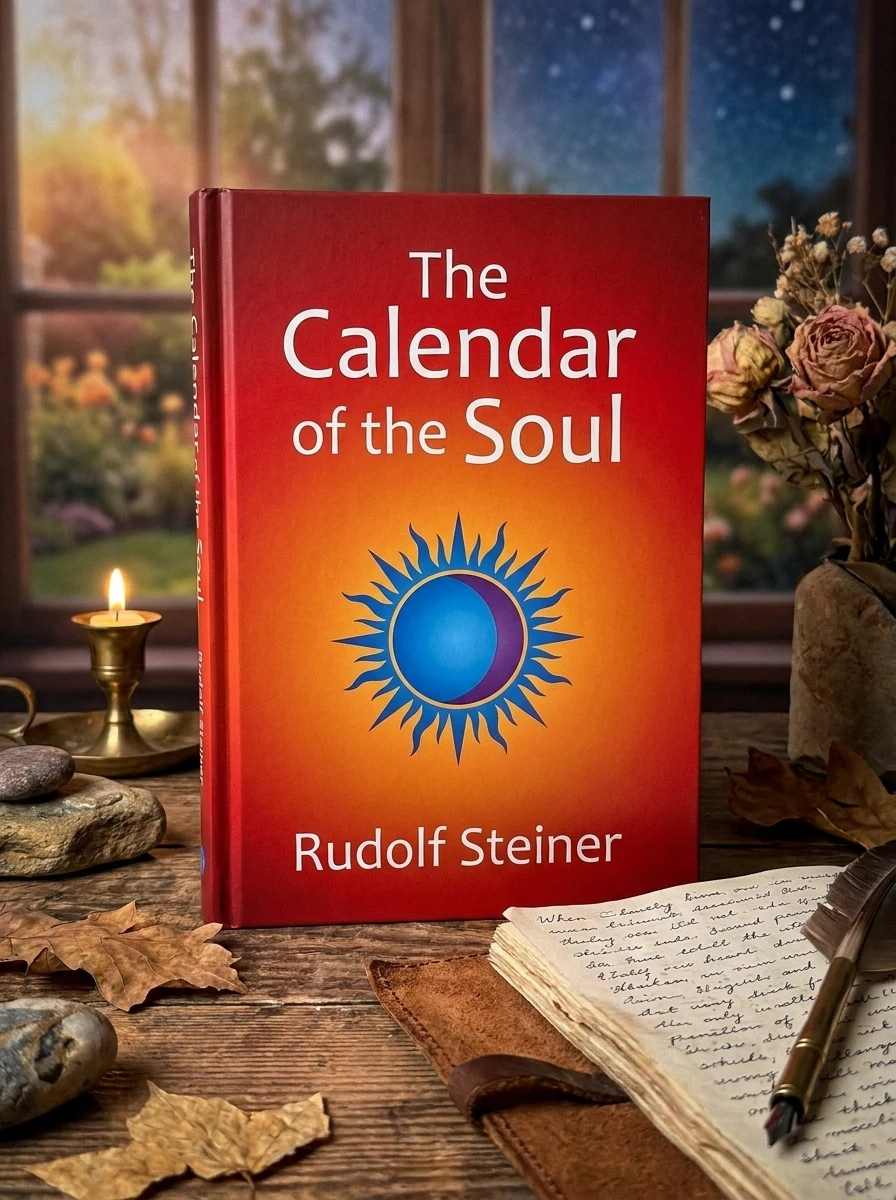
3. The Calendar of the Soul — Rudolf Steiner
The Calendar of the Soul is Steiner's gift to anyone who wants to feel the year's rhythm in their own consciousness. It contains 52 weekly verses—one for each week—that guide your inner life through the seasons. This is where Steiner's seasonal wisdom becomes practical. In autumn, the verses turn toward introspection and the descent into winter's darkness. You can read one verse each week, or use it as a daily anchor for meditation. At $13, it's the cheapest way to experience Steiner's understanding of how human consciousness moves with the zodiac and the turning year. Many practitioners consider it essential.
Next Level: The Systematic Foundations (Under $25)
Once you've read one threshold book and felt the pull to go deeper, these works give you the architecture of Steiner's thinking. They're longer and more demanding, but they're written to be understood, not just absorbed.
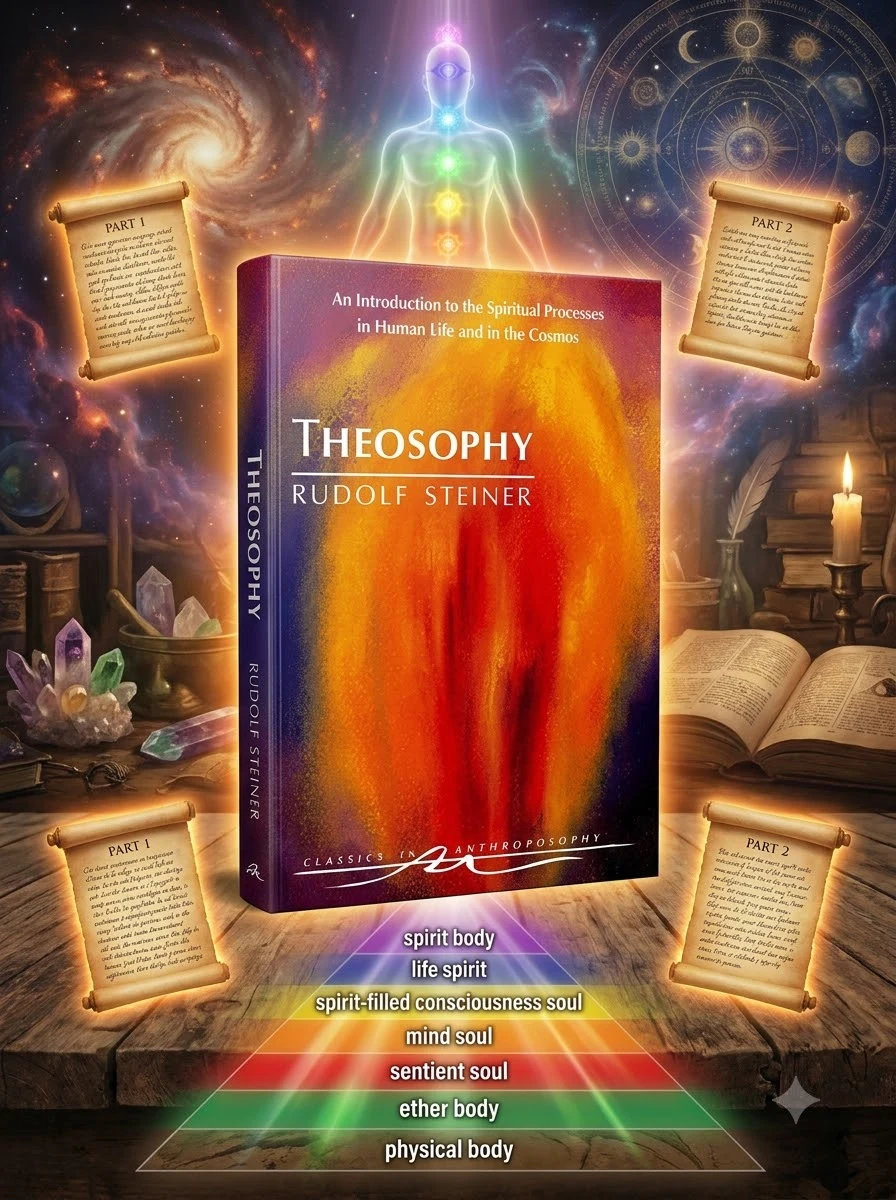
4. Theosophy: An Introduction to the Spiritual Processes in Human Life and in the Cosmos — Rudolf Steiner
Theosophy is Steiner's foundational map of reality. It describes the human being as a multi-layered entity—physical body, etheric body, astral body, and ego—and shows how these interact with the spiritual hierarchies that govern the cosmos. It's systematic without being dry. Steiner writes as someone who has observed these realities directly, not as a theorist. If you want to understand the structure behind Steiner's work—why he talks about reincarnation, karma, and spiritual development the way he does—this is the book. At $15, it's also a bargain for what it contains.
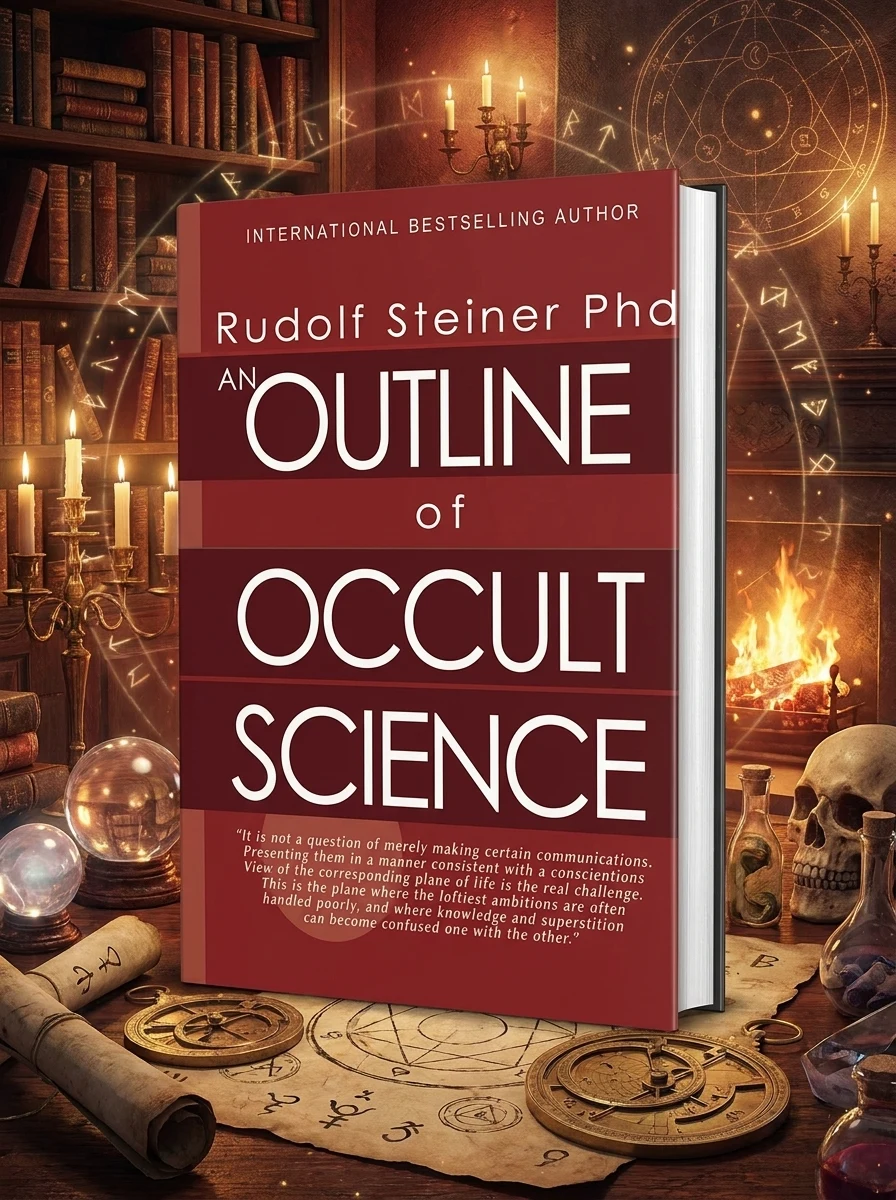
5. An Outline of Occult Science — Rudolf Steiner
An Outline of Occult Science is Steiner's most comprehensive work. It covers human evolution, the structure of consciousness, the nature of sleep and dreams, reincarnation, karma, and the future development of humanity. It's longer and denser than the threshold books, but it's also the one book that gives you the full picture of what Steiner meant by spiritual science. Multiple editions exist at different price points ($8–$42). Start with a cheaper version to see if the material resonates; if it does, you can upgrade to a more annotated edition later. This is the book serious practitioners return to repeatedly.
6. Astronomy and Astrology: Finding a Relationship to the Cosmos — Rudolf Steiner
Astronomy and Astrology bridges modern science and ancient wisdom. Steiner shows how to think about the stars not as distant objects but as living presences that shape consciousness on Earth. This is especially relevant in autumn, when the night sky becomes more visible and the year's astronomical turning points matter more. If you're drawn to astrology but want a spiritual rather than predictive approach, this book reframes the entire conversation. At $22, it's a bridge between Steiner's theoretical work and practical seasonal living.
For the Committed: Deepening Practice (Under $30)
These books are for people who've read at least one threshold work and want to move into specialized territory—whether that's Steiner's understanding of the afterlife, his esoteric Christianity, or his aphoristic method of teaching.
7. The Threshold of the Spiritual World: Aphoristic Contemplations — Rudolf Steiner
The Threshold of the Spiritual World: Aphoristic Contemplations is a deeper version of the threshold book mentioned above. It's organized as a series of short, dense statements meant for meditation rather than linear reading. At $38, it's pricier, but it's designed for practitioners who want to work with Steiner's words over time—reading one aphorism, sitting with it, returning to it weeks later. This is how serious anthroposophists use Steiner: not as a book to finish, but as a practice to inhabit.
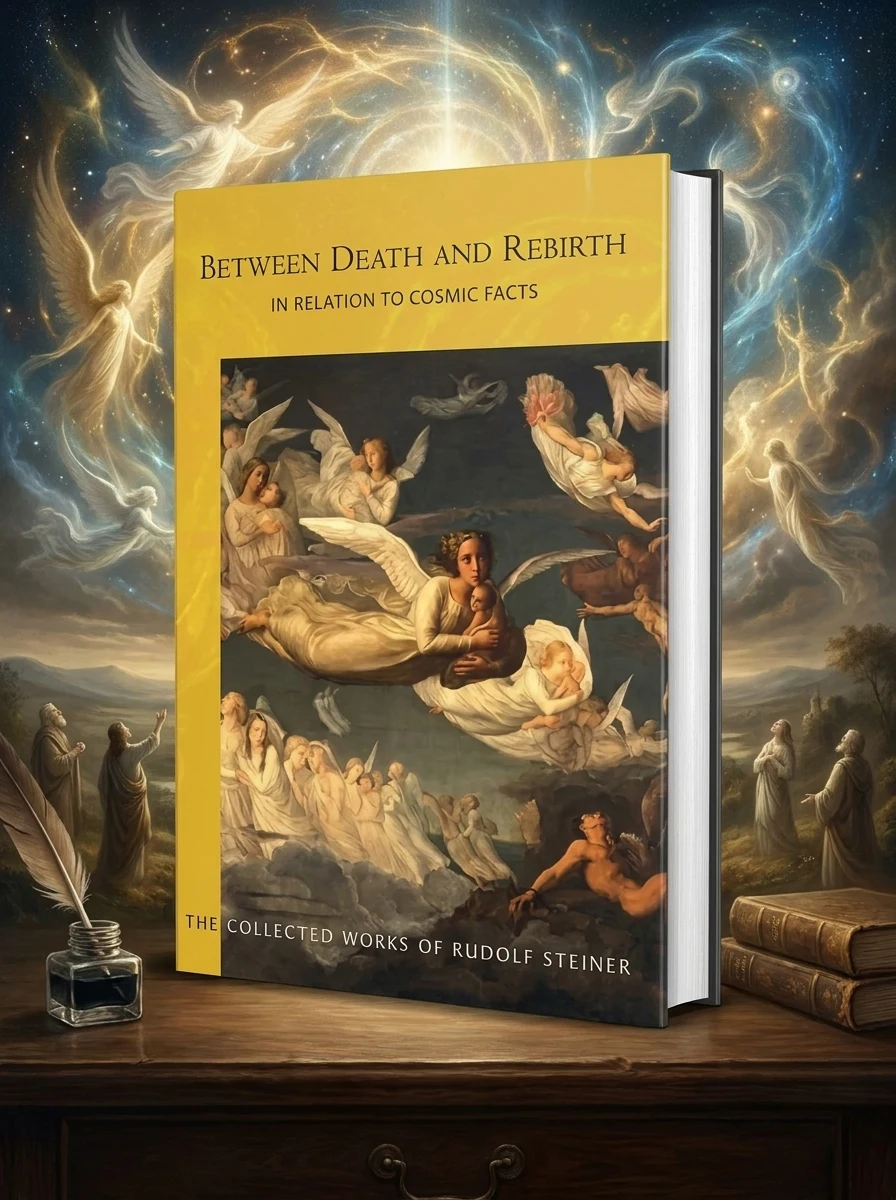
8. Between Death and Rebirth: In Relation to Cosmic Facts — Rudolf Steiner
Between Death and Rebirth explores what Steiner understood about the afterlife and the soul's journey between incarnations. It's not mystical fantasy; it's a careful description of spiritual realities based on Steiner's direct observation. If you're curious about reincarnation and karma but want something deeper than popular accounts, this is the book. At $26, it's substantial but focused. It's especially valuable for practitioners working with grief or questions about mortality—themes that naturally arise in autumn.
9. The Secret Stream: Christian Rosenkreutz and Rosicrucianism — Rudolf Steiner
The Secret Stream traces the hidden lineage of Western esotericism through the figure of Christian Rosenkreutz. Steiner shows how spiritual knowledge has been preserved and transmitted through history, and why the Rosicrucian path matters for modern seekers. At $21, it's a bridge into Steiner's understanding of Western esoteric tradition. If you're drawn to alchemy, Freemasonry, or the deeper currents of Christianity, this book opens those doors.
How to Choose Your Starting Point
You don't need to read all nine books. You need to read the right one first.
If you want a quick taste: Start with The Threshold of the Spiritual World. It's short, under $15, and honest about what spiritual work requires. Read it in a week. If it resonates, move to the next level.
If you want a practice: Start with How to Know Higher Worlds or The Calendar of the Soul. Both give you something to do, not just something to think about. The Calendar is especially powerful right now, in autumn, when the verses guide you into the season's natural inward turn.
If you want the full map: Start with Theosophy, then move to An Outline of Occult Science. These two books give you Steiner's complete architecture. They're denser, but they're also complete. You won't have to guess what he meant.
If you're already committed: Read the threshold books first anyway. They're short enough that they won't waste your time, and they'll show you what Steiner considered essential. Then move into the specialized works—Between Death and Rebirth if you're working with mortality or reincarnation, Astronomy and Astrology if you're drawn to the cosmos, The Secret Stream if you're interested in Western esotericism.
One final note: Autumn is the season when Steiner's work becomes most alive. The inward turn of the year mirrors the inward turn of spiritual development. If you're reading this in September or October, pick one of these books and let the season teach you what Steiner meant. The rhythm of the turning year will do half the work for you.