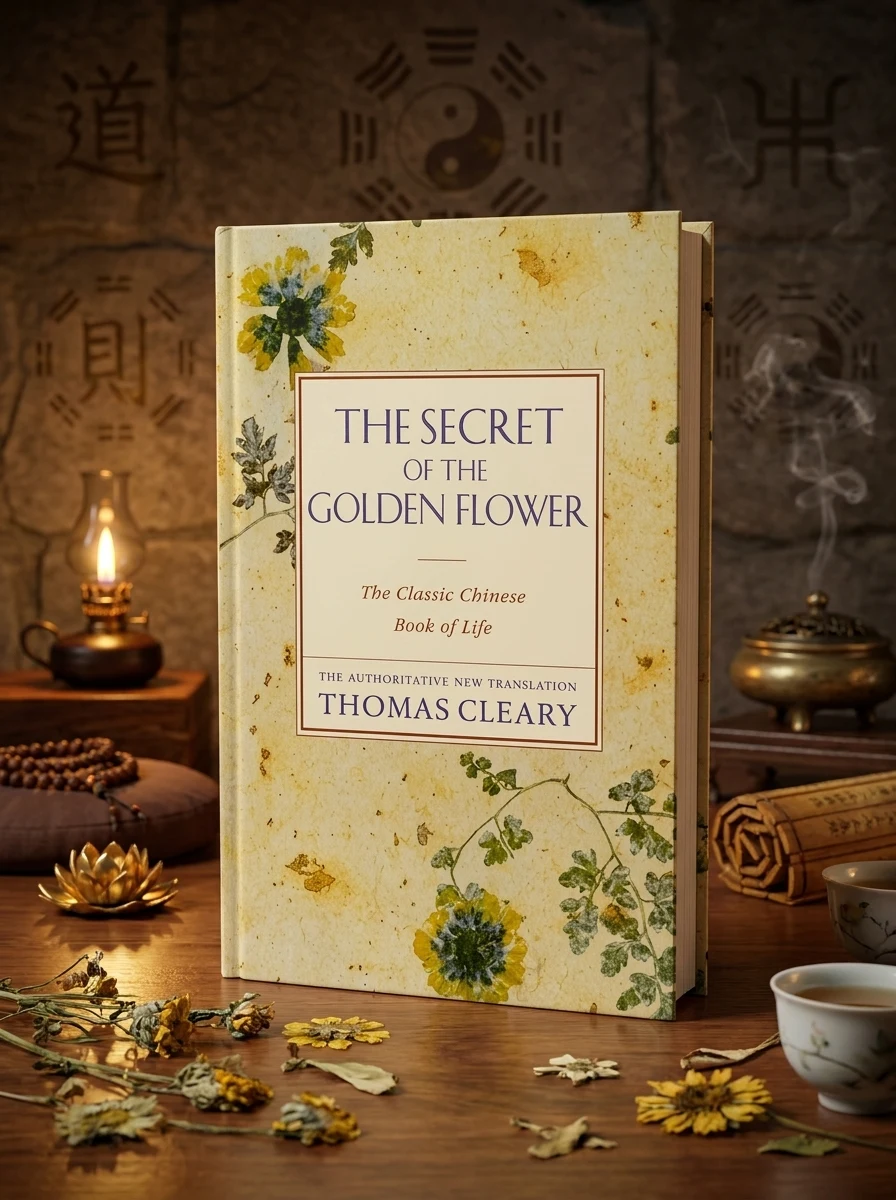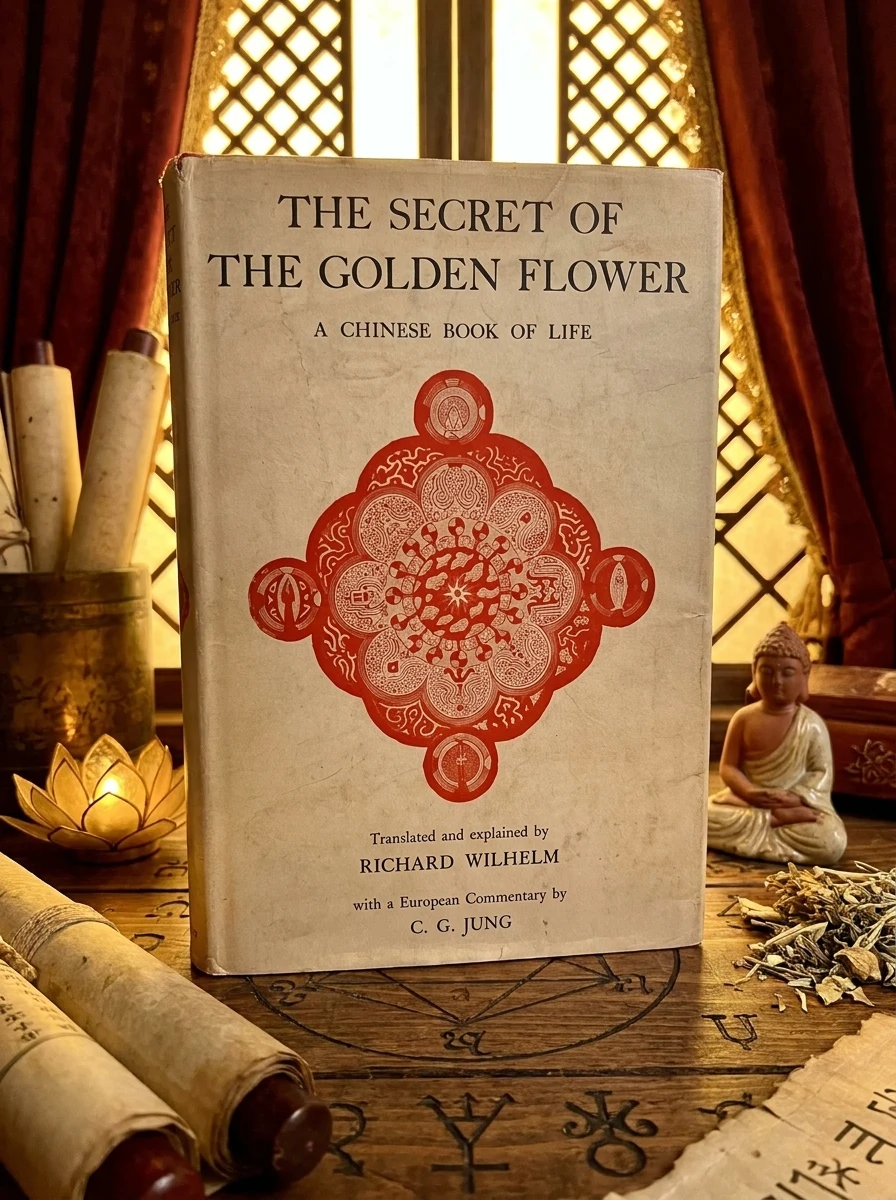
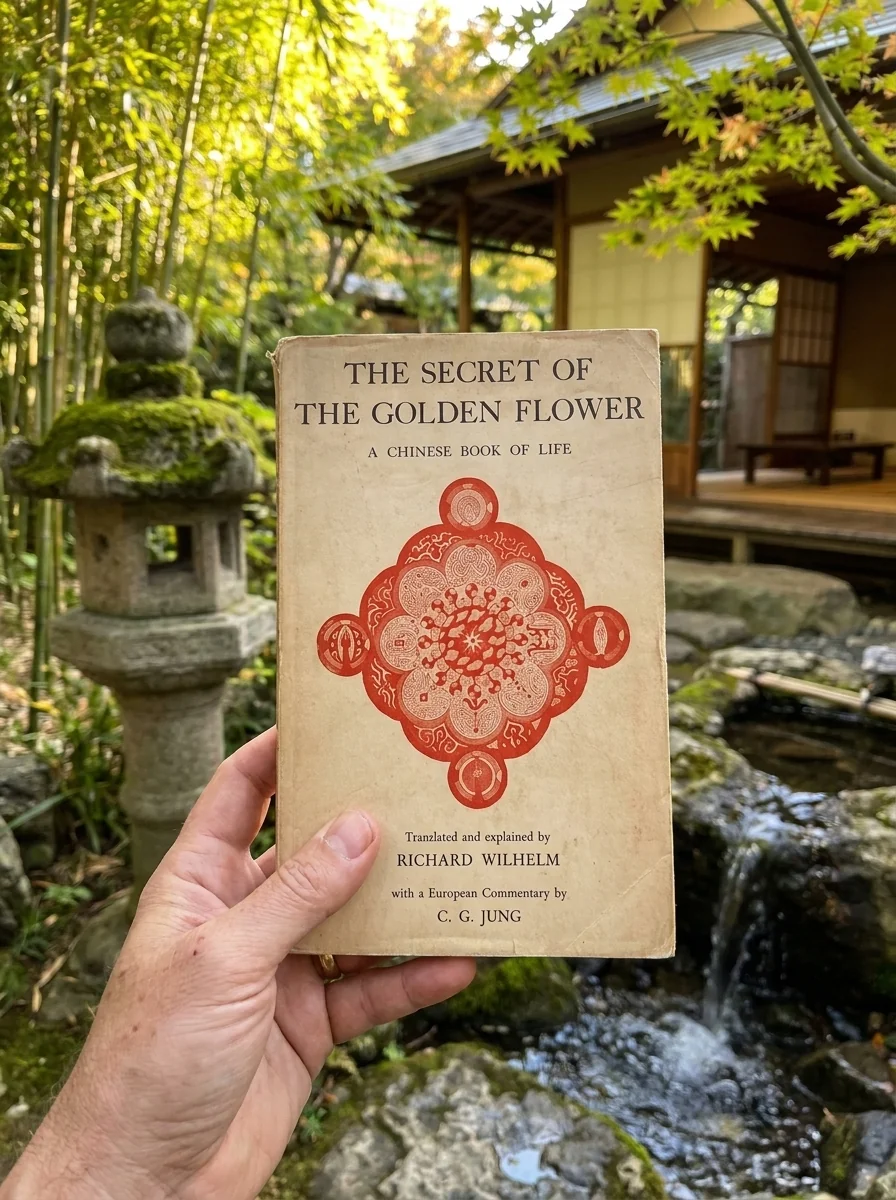
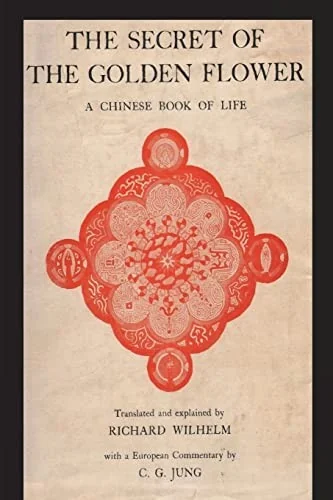
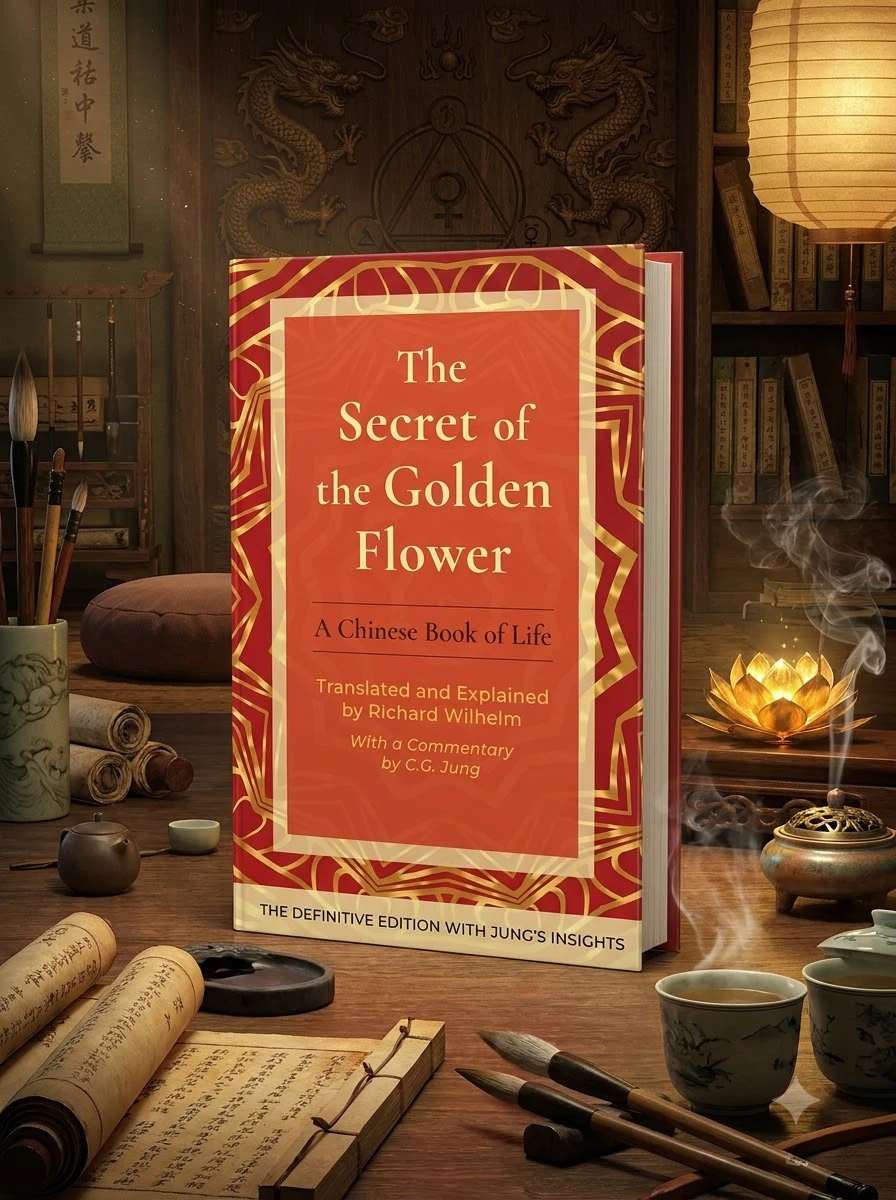
The Secret of the Golden Flower: A Chinese Book of Life
✍️ Wilhelm, RichardAn ancient Taoist meditation guide translating traditional Asian philosophy into practical personality integration.
This edition presents Richard Wilhelm's 1931 translation of an ancient Taoist meditation guide. Focused on silent contemplative methods, the text bridges Asian philosophy, Taoism, and the I Ching. Wilhelm's background as a sinologist and associate of Carl Jung informs this publication, which treats early Chinese spiritual exercises as actionable methods for internal balance. Released by Must Have Books, this 154-page paperback serves readers searching for direct translations of historical Taoist texts.
First translated into German by sinologist Richard Wilhelm and published in 1931, this volume originates from ancient Chinese Taoist meditation traditions. It represents an early twentieth-century effort to share traditional Asian philosophy and internal spiritual practices with a broader western audience.


📝 Description: The Secret of the Golden Flower: A Chinese Book of Life
💎 Expert review
📖 Why choose it
Why this book is worth reading
Readers seeking profound self-integration and inner transformation will find this work invaluable for its practical roadmap to holistic psychological harmony. It appeals to those interested in structured meditation practices that synthesize mind, body, and spirit without relying on complex dogma. Individuals drawn to Taoist wisdom or esoteric traditions will appreciate the detailed yet silent approach to cultivating spiritual consciousness. This book is ideal for seekers desiring a manual rather than mere philosophy, offering actionable insights for modern spiritual journeys and deep personal synthesis through the metaphorical Golden Flower.
⭐ Reader reviews
Reader rating
This seminal treatise offers a unique perspective on inner development, blending Taoist depth with practical application. However, it does not suit readers seeking quick fixes or purely academic historical analysis. Those expecting straightforward philosophical essays may find the meditative structure demanding. It requires patience and an openness to esoteric concepts like the Golden Flower metaphor. While insightful for dedicated practitioners of meditation and spiritual psychology, casual readers might struggle with its dense focus on internal alchemy. It is best reserved for those committed to long-term inner work and willing to engage with its specific, structured approach to self-integration.
❓ Frequently asked questions
📖 Who should read this
If you seek a practical, step-by-step approach to Taoist meditation and personal transformation, this book is for you. Dive into ancient wisdom that promises psychological integration and spiritual awakening through disciplined inner work. Ideal for those ready for profound self-exploration.
🎯 Key themes and symbolism
Inner Alchemy Practice
At its core, the text reveals a systematic method for spiritual cultivation, often termed inner alchemy. It guides the practitioner through silent meditation techniques designed to transform vital energies and achieve higher states of consciousness, echoing advanced Zen practices with remarkable clarity and detailed instruction for profound inner work.
Personality Integration
Wilhelm, and later Jung, championed this work as a practical blueprint for unifying the disparate aspects of the self. It offers a pathway to reconcile conscious and unconscious elements, fostering psychological wholeness and balance. This process leads to a deeply integrated personality, harmonizing internal conflicts for a more centered existence.
Rediscovering Ancient Wisdom
This volume represents a vital reintroduction of profound Taoist teachings to the Western world. Wilhelm's dedicated scholarship unearthed and translated a text whose esoteric wisdom had long been obscure. Its rediscovery illuminated a direct, experiential path to enlightenment, bridging ancient Eastern philosophy with contemporary psychological understanding.
📜 Historical context
📚 Glossary
- Golden Flower
- Inner Alchemy
- Individuation
📔 Questions to reflect on
- Reflect on your current understanding of "integration of personality." How might a structured meditation practice contribute to this in your own life?
- The text speaks of "circulating the light." What inner energies or aspects of yourself do you feel need more focused attention or harmonization?
- Consider the idea of a "Golden Flower" within. What does this metaphor evoke for you regarding your own potential for spiritual awakening?


![How to Manifest: Bring Your Goals Into Alignment with the Alchemy of the Universe [A Manifestation Book]](/img/how-to-manifest-bring-your-goals-into-alignment-with-the-alchemy-of-the-universe-a-manifestation-book-scene.webp)