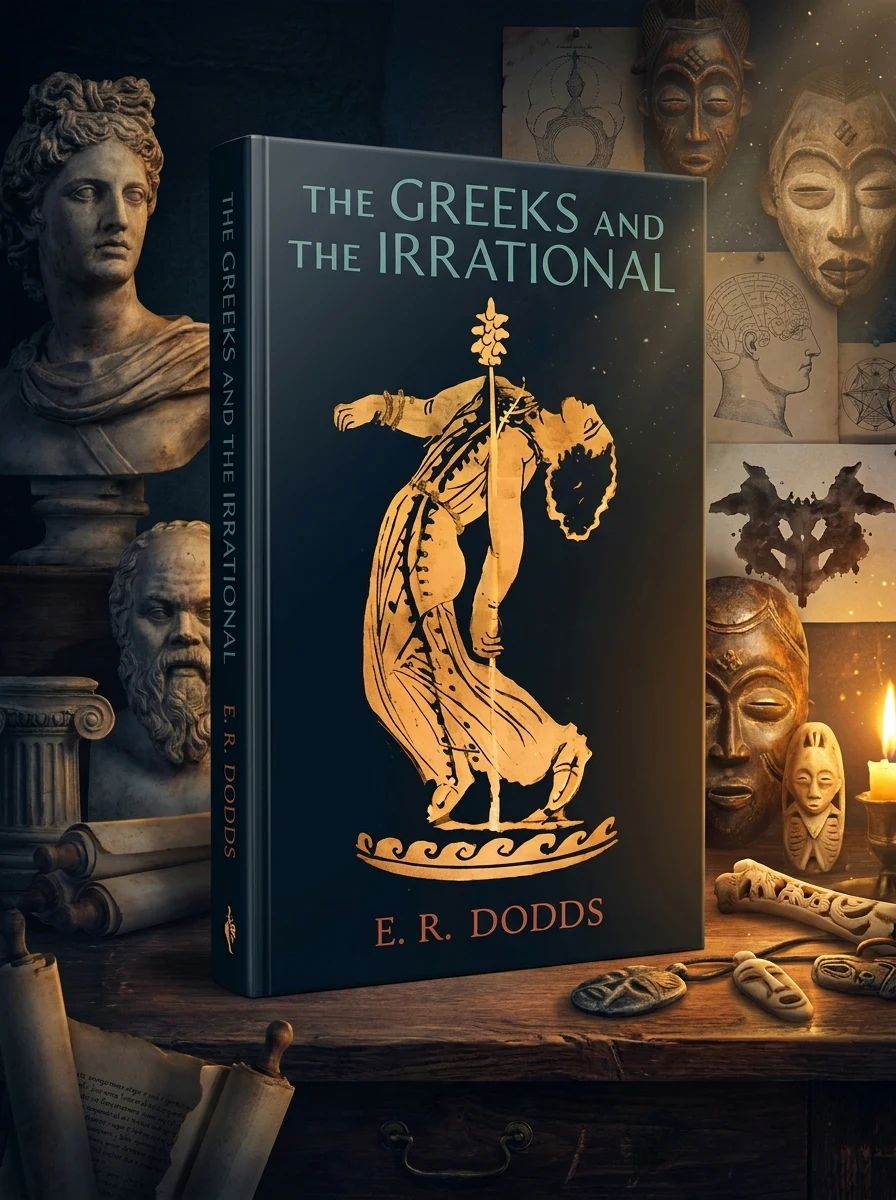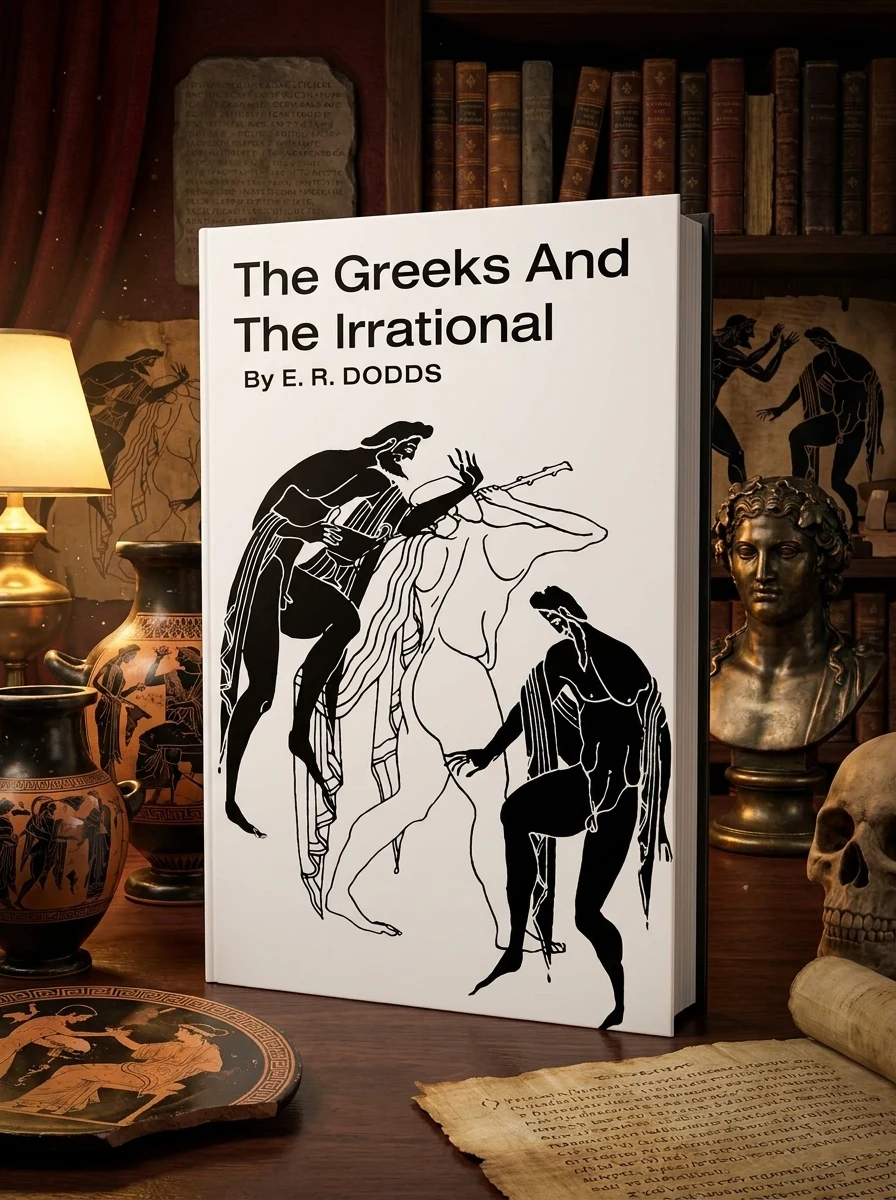

The Greeks and the Irrational
✍️ Dodds, E RE.R. Dodds' seminal work radically reinterprets classical Greece, moving beyond the familiar image of pure reason. He masterfully employs modern analytical tools, drawing from anthropology and psychology, to illuminate the profound influence of mystical, primitive, and often unsettling 'irrational' forces on Greek thought, religion, and society. This groundbreaking study reveals a complex civilization deeply entwined with pre-rational belief systems and emotional depths, challenging centuries of idealized scholarship, and offering a richer, more nuanced portrait of their spiritual and psychological landscape.


📝 Description: The Greeks and the Irrational
💎 Expert review
📖 Why choose it
Why this book is worth reading
Readers fascinated by the hidden currents of ancient consciousness will find this text indispensable. Dodds invites you to look beyond the familiar image of pure reason, revealing a complex civilization deeply entwined with pre-rational belief systems and emotional depths. If you seek a richer, more nuanced portrait of the Greek spiritual landscape, this book offers profound insights into how mystical and primitive forces shaped their society. It is essential for those willing to explore unsettling truths about the human psyche and the origins of religious thought, providing a vital counter-narrative to centuries of idealized scholarship that ignored these irrational undercurrents.
⭐ Reader reviews
Reader rating
Dodds’ groundbreaking study radically reinterprets classical Greece by employing modern analytical tools from anthropology and psychology. It illuminates the profound influence of mystical forces on Greek thought, challenging centuries of idealized scholarship. However, this is not a light read for those seeking simple historical narratives or uncritical admiration of ancient rationality. Readers expecting a straightforward account of Greek logic will find themselves confronted with unsettling emotional depths and primitive belief systems. It demands intellectual rigor from anyone wishing to understand the true complexity of the Greek spiritual landscape without romanticizing it.
❓ Frequently asked questions
📖 Who should read this
If you're fascinated by the hidden depths of ancient civilizations, or seek to understand the interplay between reason and mysticism, this book offers a profound re-evaluation. It's essential for anyone curious about the psychological underpinnings of cultural evolution.
🎯 Key themes and symbolism
Modern Interpretive Lenses
The author innovatively applies insights from early 20th-century anthropology and psychology to classical texts, providing a fresh methodology for understanding ancient cultures. This approach allows him to dissect the underlying motivations and cultural patterns that previous, more purely historical analyses might have overlooked or dismissed as mere superstition.
Challenging Classical Ideals
This book directly confronts the prevailing Enlightenment-era view of ancient Greece as solely the cradle of pure logic and reason. Dodds meticulously uncovers the darker, more primitive, and often anxiety-driven aspects of Greek spirituality, demonstrating that their celebrated rationality coexisted with, and was often born from, deep irrational roots.
📜 Historical context
📚 Glossary
- Chthonic
- Daimon
- Hubris
📔 Questions to reflect on
- How might acknowledging the 'irrational' in historical cultures change our understanding of our own modern rationalities?
- Consider a moment in your own life where an 'irrational' impulse or belief held significant sway. How did it shape your actions or perceptions?
- If ancient Greece was not purely rational, what does this imply about the origins and development of Western philosophical thought?