The Greeks and the Irrational
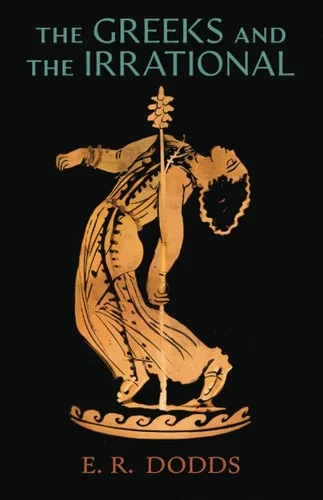
✍️ Dodds, E RE.R. Dodds' seminal work, originally delivered as his 1949 Berkeley lectures, fundamentally reshapes our understanding of ancient Greek thought. Challenging the prevailing notion of a purely rational society, Dodds reveals the profound role of the "irrational" in their culture. He masterfully integrates anthropological insights and psychological analysis to illuminate the deeper currents of the Greek psyche, including their collective anxieties and a pervasive sense of guilt, which he compellingly links to shifts in societal structures. This enduring classic offers a vital, nuanced portrait of a civilization far more complex than commonly imagined.


📝 Description: The Greeks and the Irrational
💎 Expert review
📖 Why choose it
Why this book is worth reading
Readers seeking to dismantle the simplistic stereotype of the Greeks as purely logical beings will find this book transformative. It is essential for those interested in the psychological underpinnings of civilization, offering a nuanced portrait of a society driven by deep-seated anxieties and guilt rather than just reason. If you are fascinated by how collective mental states shape societal structures, Dodds provides a compelling, evidence-based argument that reveals the hidden currents of the Greek psyche. This volume is for the intellectually curious who want to understand the irrational depths that have long been obscured by historical bias, offering a vital correction to our understanding of Western intellectual heritage.
⭐ Reader reviews
Reader rating
Dodds delivers a seminal critique that fundamentally reshapes our grasp of ancient Greek thought. By integrating anthropology and psychology, he exposes the profound role of the irrational in their culture, linking collective guilt to societal shifts. This is a rigorous academic work for serious scholars and students of classical history. However, it does not suit readers seeking light entertainment or those who prefer a strictly traditional, uncritical view of Greek rationality. The dense synthesis of complex ideas may alienate casual readers expecting a straightforward historical narrative. It demands attention and an open mind to the challenging thesis that reason was merely the surface of a much deeper, darker psychological reality.
❓ Frequently asked questions
📖 Who should read this
If you seek to move beyond simplistic portrayals of ancient Greece and truly understand the human element behind its myths and philosophies, this book is essential. It's for anyone fascinated by the interplay of culture, psychology, and the hidden currents that shape human societies.
🎯 Key themes and symbolism
Deconstructing Greek Rationality
Dodds meticulously dismantles the long-held belief that ancient Greek civilization was solely founded on logic and reason. He instead uncovers the pervasive influence of non-rational thought patterns, mystical experiences, and what might be considered "primitive" perspectives. This re-evaluation forces us to confront a richer, more complex intellectual landscape.
Mind, Culture, and Antiquity
The author employs cutting-edge approaches from anthropology and psychology to delve into the ancient Greek mind. By drawing parallels with other societies and examining universal human experiences, Dodds offers a unique framework for interpreting their myths, rituals, and philosophical expressions, moving beyond mere historical recounting.
Unpacking Greek Anxieties
Dodds notably explores the undercurrents of anxiety and guilt prevalent in Greek society, tracing their origins to evolving social dynamics, particularly the weakening of traditional family bonds and the absolute obedience they once commanded. This sheds light on the emotional landscape that shaped their art, religion, and philosophy.
📜 Historical context
📚 Glossary
- Rationalism
- Anthropology
- Psyche
📔 Questions to reflect on
- How does understanding the 'irrational' elements within ancient Greek culture alter your perception of their enduring legacy and achievements?
- Consider a modern society or your own culture: what 'irrational' or non-rational beliefs, rituals, or anxieties might an anthropologist uncover centuries from now?
- Dodds connects societal shifts to collective anxieties. Reflect on contemporary global or local changes; how might these be influencing the collective anxieties present in our world today?