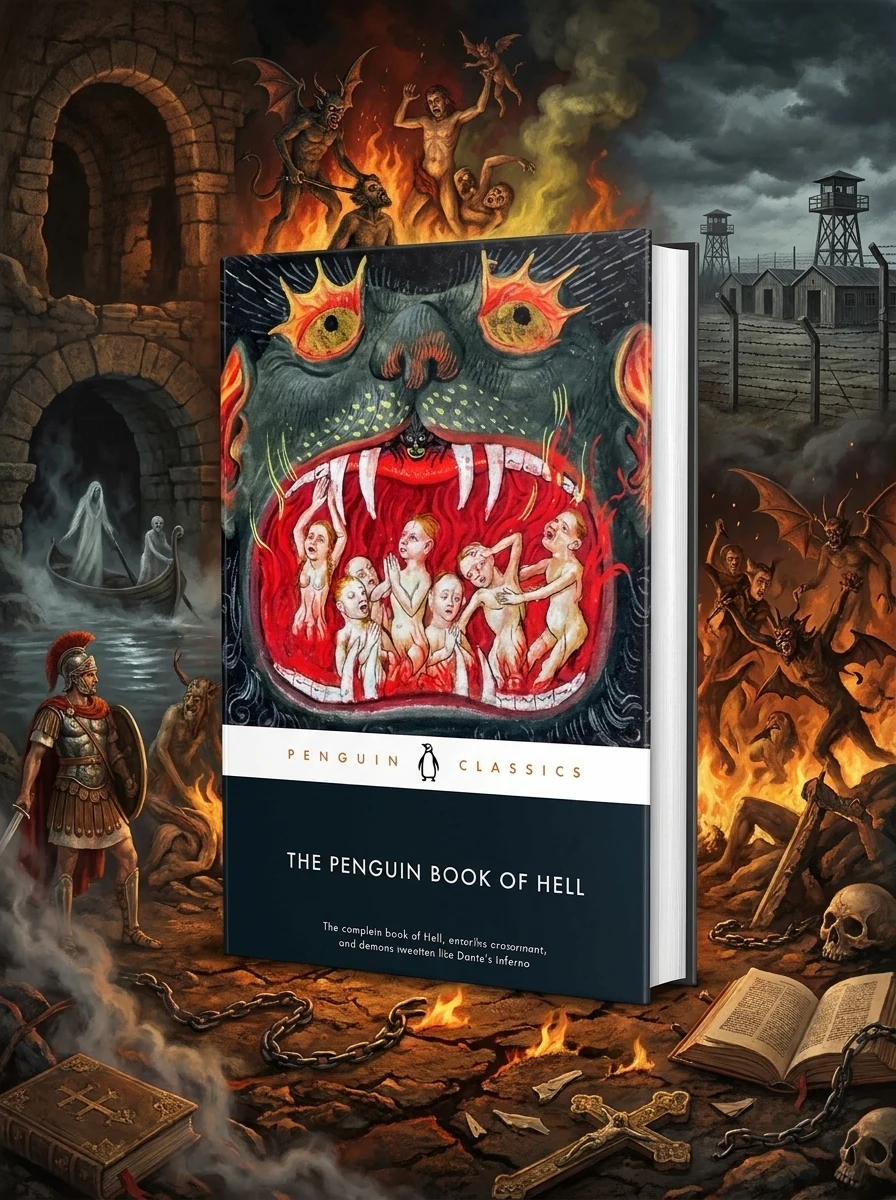
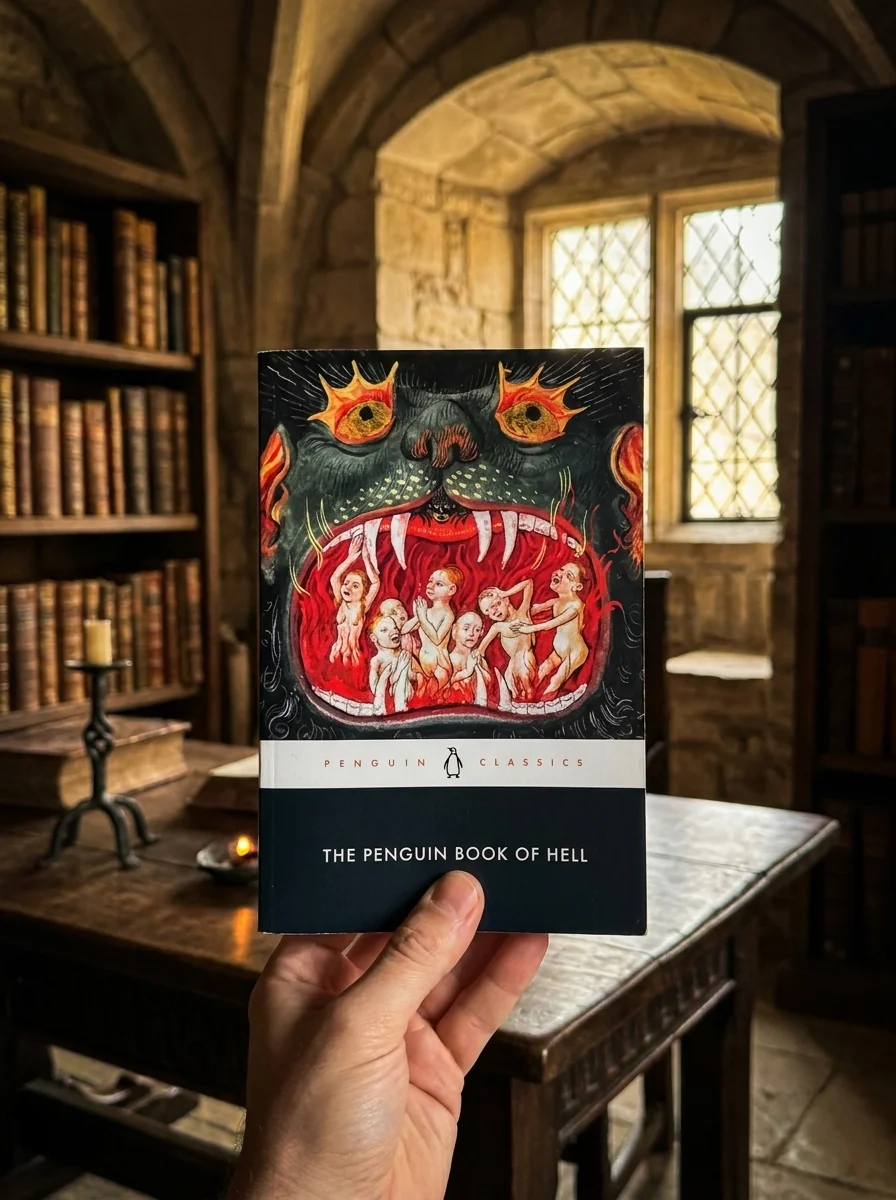
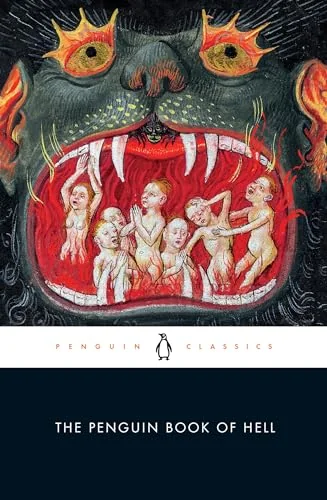
The Penguin Book of Hell
✍️ Bruce, Scott GThis compelling anthology delves into humanity's enduring fascination with damnation, tracing its evolution across three millennia. From the shadowy Sheol of the Hebrew Bible to contemporary interpretations of "hell on earth," it chronicles diverse perspectives. Readers will encounter classical journeys into Hades, chilling medieval demonic depictions, Dante's meticulously structured torments for various sins, and the intellectual quandaries of Victorian thinkers grappling with eternal punishment. Through a rich tapestry of historical texts, this volume reveals how the concept of hell has profoundly shaped our collective consciousness, both in life and the contemplation of death.


Praise for this book
“One of the prime motives of these texts is rage, rage against people occupying positions of exceptional trust and power who lie and cheat and trample on the most basic values and yet who escape the punishment they so manifestly deserve. History is an unending chronicle of such knaves, and it is a chronicle too of frustration and impotence, certainly among the mass of ordinary people but even among those who feel…”
“You will be [frightened] by The Penguin Book of Hell, in which writers from antiquity to the 20th century describe the eternal, infernal hereafter. Abandon all hope, ye who enter here.”
“This fascinating collection kept me reading long after midnight, and the images it put in my head kept me up even longer. A deeply engaging read.”
📝 Description: The Penguin Book of Hell
💎 Expert review
📖 Why choose it
Why this book is worth reading
Readers fascinated by the intersection of theology, literature, and history will find this anthology deeply rewarding. It offers a comprehensive journey through humanity's darkest visions, from ancient Hebrew concepts of Sheol to Victorian intellectual debates on eternal punishment. Those seeking to understand how the concept of hell has shaped our collective consciousness regarding life and death will appreciate its rich tapestry of perspectives. It is ideal for scholars and casual readers alike who wish to trace the enduring fascination with damnation without needing prior specialized knowledge, providing a broad yet insightful overview of these profound cultural narratives.
⭐ Reader reviews
Reader rating
While this anthology provides a sweeping overview of hellish imagery across three millennia, it may disappoint readers seeking original philosophical critique or modern literary fiction. It is strictly a curated collection of historical texts and perspectives, meaning those looking for contemporary analysis or narrative storytelling might find it dry. However, for anyone interested in the evolution of demonic depictions from medieval times to Victorian thinkers, it serves as an essential reference. The breadth of coverage compensates for the lack of deep singular focus, making it a valuable resource for understanding the historical weight of these concepts rather than offering new theological arguments.
❓ Frequently asked questions
📖 Who should read this
If you're drawn to the darker corners of religious history, enjoy exploring humanity's most profound fears, or wish to understand the cultural impact of eternal damnation, this collection offers an unparalleled journey. Prepare to confront chilling visions and timeless theological debates.
🎯 Key themes and symbolism
Evolution of Damnation
Explore how concepts of post-mortem punishment have transformed from ancient shadowy realms like Sheol and Hades to the intricate, sin-specific circles of Dante's Inferno, and even to modern secular "hells on earth." It highlights the shifting cultural and theological understandings of eternal suffering.
Demonic and Divine Justice
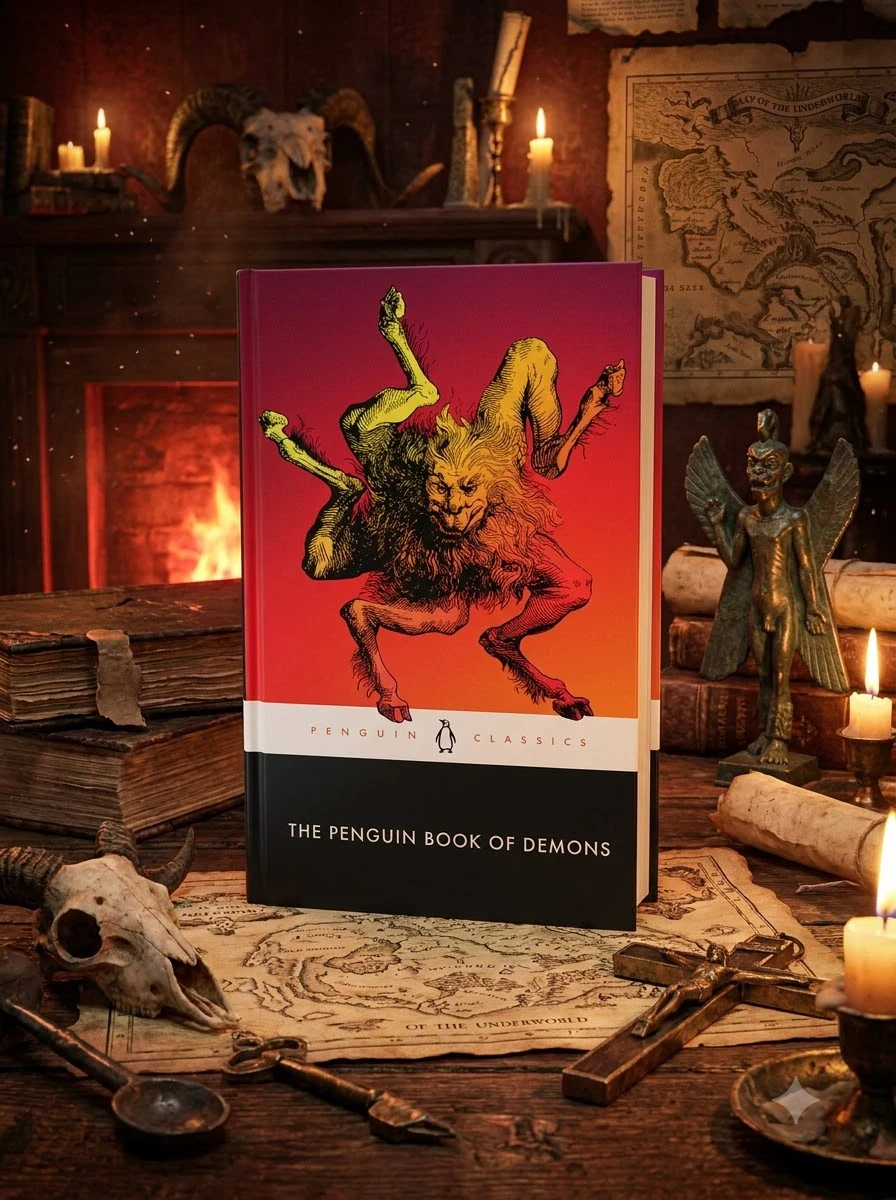
Discover the diverse portrayals of infernal rulers and the mechanisms of divine retribution. From the monstrous, multi-limbed Devil imagined by Irish monks to Dante's precise, crime-appropriate tortures, the book examines how different eras conceived of supernatural justice and the entities enforcing it.
Cultural Impact of Hell
Uncover how visions of hell have permeated literature, theology, and philosophy for thousands of years. The collection demonstrates the concept's persistent influence on human thought, from inspiring epic poetry and theological treatises to provoking scientific and philosophical debates about the afterlife's very existence.
📜 Historical context
📚 Glossary
- Sheol
- Acheron
- Dante's Inferno
📔 Questions to reflect on
- How have your own personal or cultural understandings of "hell" been shaped by literature, religion, or historical events?
- Considering the various forms of torment described, which particular punishment or vision of hell do you find most psychologically impactful or disturbing, and why?
- In what ways do you see concepts of "hell on earth" manifesting in contemporary society, and how do they compare to historical visions of damnation?