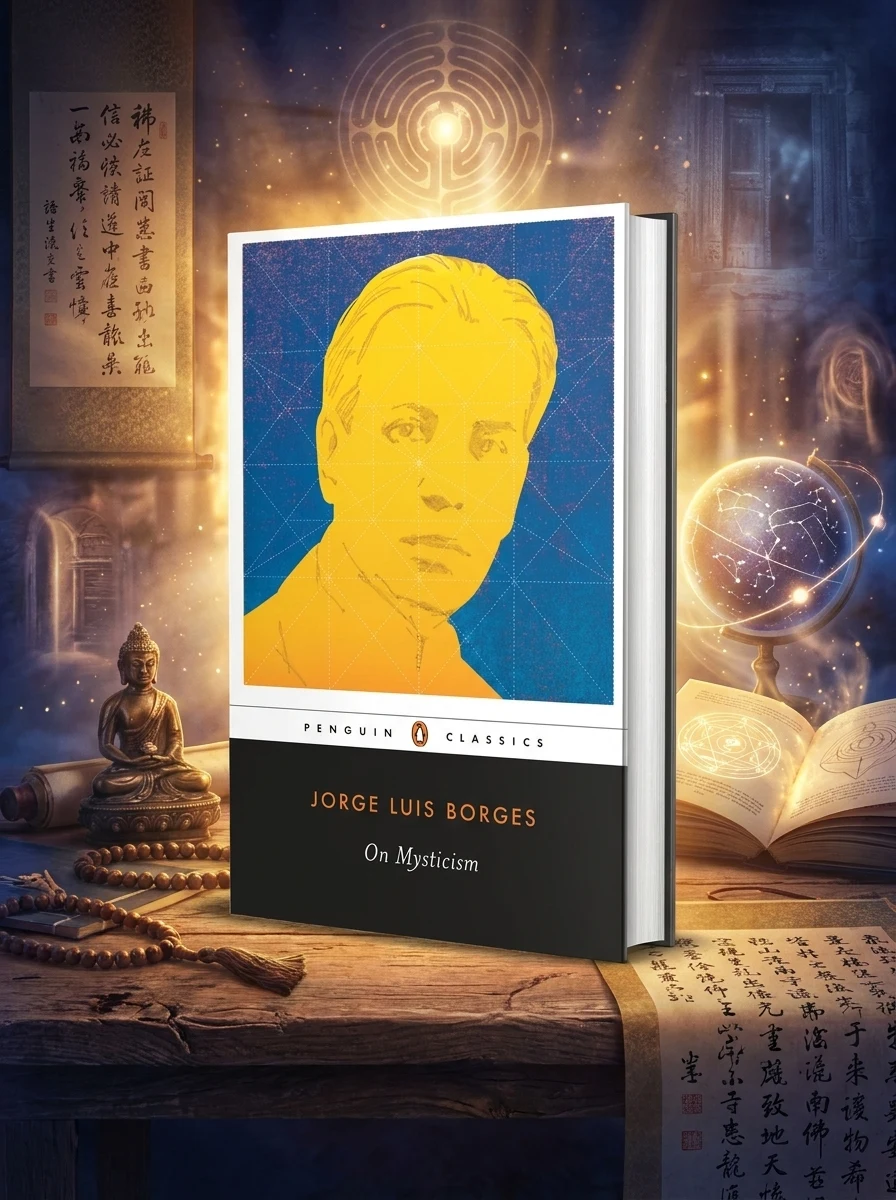
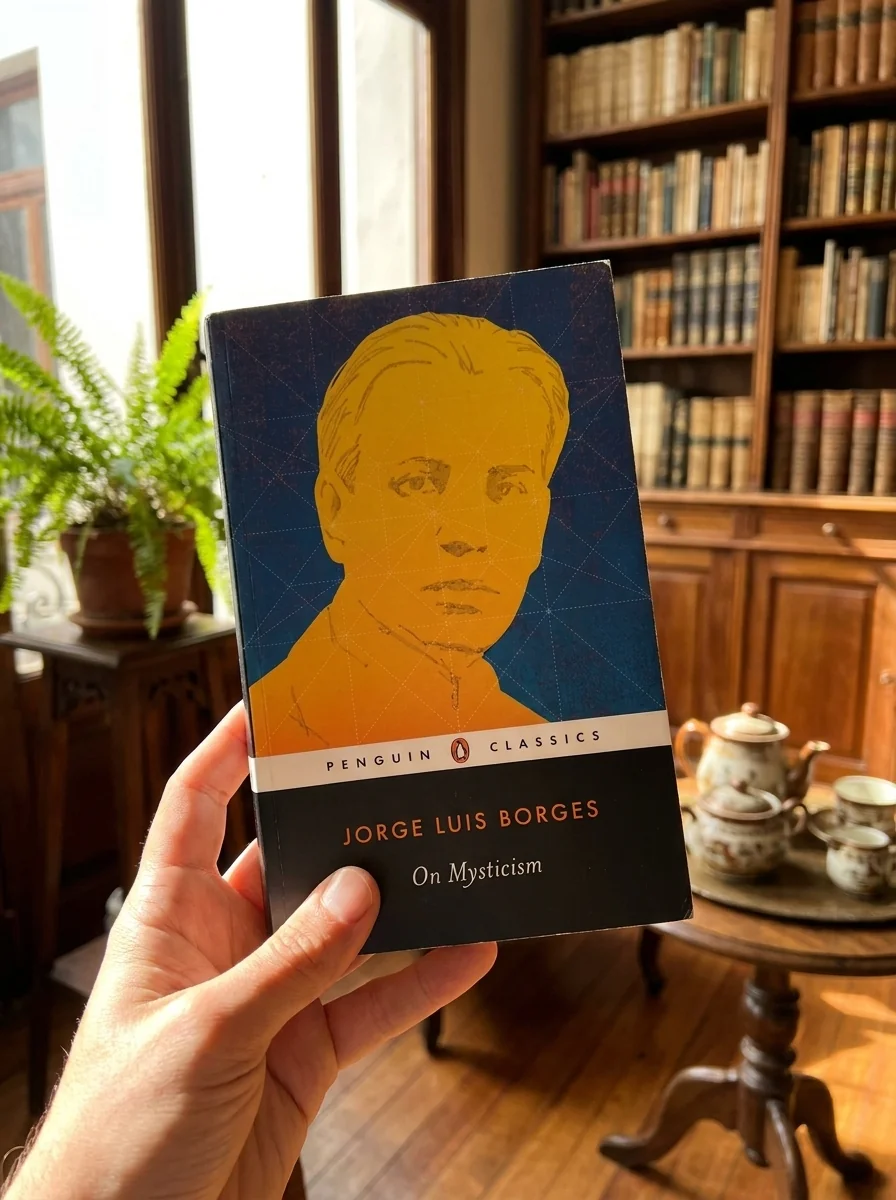
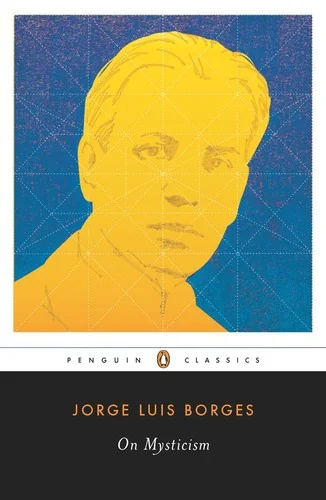
On Mysticism
This curated collection unveils Jorge Luis Borges's profound engagement with the mystical, presenting a fascinating tapestry of his prose and poetry. Delving into the enigmatic interplay of reason, faith, and illusion, Borges masterfully explores the ineffable dimensions of existence. Edited by his widow, Maria Kodama, the volume gathers both renowned and previously untranslated pieces, illuminating his deep appreciation for Eastern spiritual traditions. It offers readers an unparalleled opportunity to witness how this literary titan wove transcendent concepts into his signature, mesmerizing narratives, revealing the very heart of his visionary philosophy.


📝 Description: On Mysticism
📑 What's inside
- On Mysticism
- Contents
- Introduction by Maria Kodama
- A Note on the Text
- I. Borges the Mystic
- The Circular Ruins
- The Library of Babel
- Funes the Memorious
- The Aleph
- The Zahir
- The Writing of the God
- The Simurgh and the Eagle
- A New Refutation of Time
- Paradiso XXXI, 108
- Epilogue to
- Dreamtigers
- Poem of the Gifts
- Matthew XXV: 30
- On Salvation by Deeds
- Patio
- II. Through the Looking Glass
- George Santayana
- Thomas Mann on Schopenhauer
- Berkeley's Crossroads
- "The Tragic Everyday, The Blind Pilot, Words and Blood"
- Do You Believe in God?
- Sources
💎 Expert review
📖 Why choose it
Why this book is worth reading
Readers seeking a profound intellectual journey will find immense value in this curated collection. It is ideal for those fascinated by the labyrinthine mind and the interplay of reality and illusion. By presenting both renowned and previously untranslated pieces, it offers an unparalleled opportunity to witness how Borges masterfully explores the ineffable. Those drawn to visionary philosophy and the enigmatic connection between faith and reason will appreciate the deep appreciation for Eastern spiritual traditions. This book serves as a gateway to understanding the heart of his transcendent vision, inviting you to step into a tapestry where the mystical is rendered with mesmerizing precision and depth.
⭐ Reader reviews
Reader rating
This collection is a dense, rewarding exploration for the dedicated esotericist, but it may frustrate casual readers seeking straightforward narrative or clear doctrinal explanations. The text demands patience and an openness to ambiguity, as Borges intertwines reason and faith in complex ways that resist simple interpretation. It does not suit those who prefer explicit spiritual guidance or linear storytelling. However, for the intellectually curious, it provides a fascinating look at how literary art can illuminate transcendent concepts. The editing by Maria Kodama ensures a comprehensive view of his work, making it essential for scholars and enthusiasts alike, despite its challenging nature.
❓ Frequently asked questions
📖 Who should read this
If you're drawn to literature that challenges conventional thought, explores the boundaries of consciousness, and weaves spiritual questions into intricate narratives, this collection is essential. It's for those who appreciate intellectual rigor fused with profound imaginative depth.
🎯 Key themes and symbolism
Metaphysical Reality
Borges consistently blurs the lines between objective reality and the fantastical. This collection showcases his penchant for crafting narratives where the tangible world dissolves into philosophical puzzles, inviting readers to question the very fabric of existence and the nature of perception itself.
Eastern Spiritual Traditions
Drawing deeply from his extensive knowledge of Eastern philosophies and religions, Borges integrates concepts such as reincarnation, cosmic unity, and the illusion of self into his work. These influences provide a rich, complex backdrop for his meditations on eternity and the human condition, enriching his mystical explorations.
Reason Versus Faith
Throughout these writings, Borges constructs intricate intellectual labyrinths where logical deduction often collides with profound spiritual intuition. He explores the tension between empirical thought and transcendent belief, suggesting that true understanding may lie in embracing paradoxes rather than resolving them.
📜 Historical context
📚 Glossary
- Mysticism
- Metaphysical
- Ineffable
📔 Questions to reflect on
- How does Borges's blending of logic and the mystical challenge your own understanding of truth and reality?
- Consider the role of "Eastern religions" in Borges's work. What specific concepts resonate most with his narrative style, and why?
- If language itself can be a form of magic, as Borges suggests, how might this alter our approach to reading and writing about the ineffable?