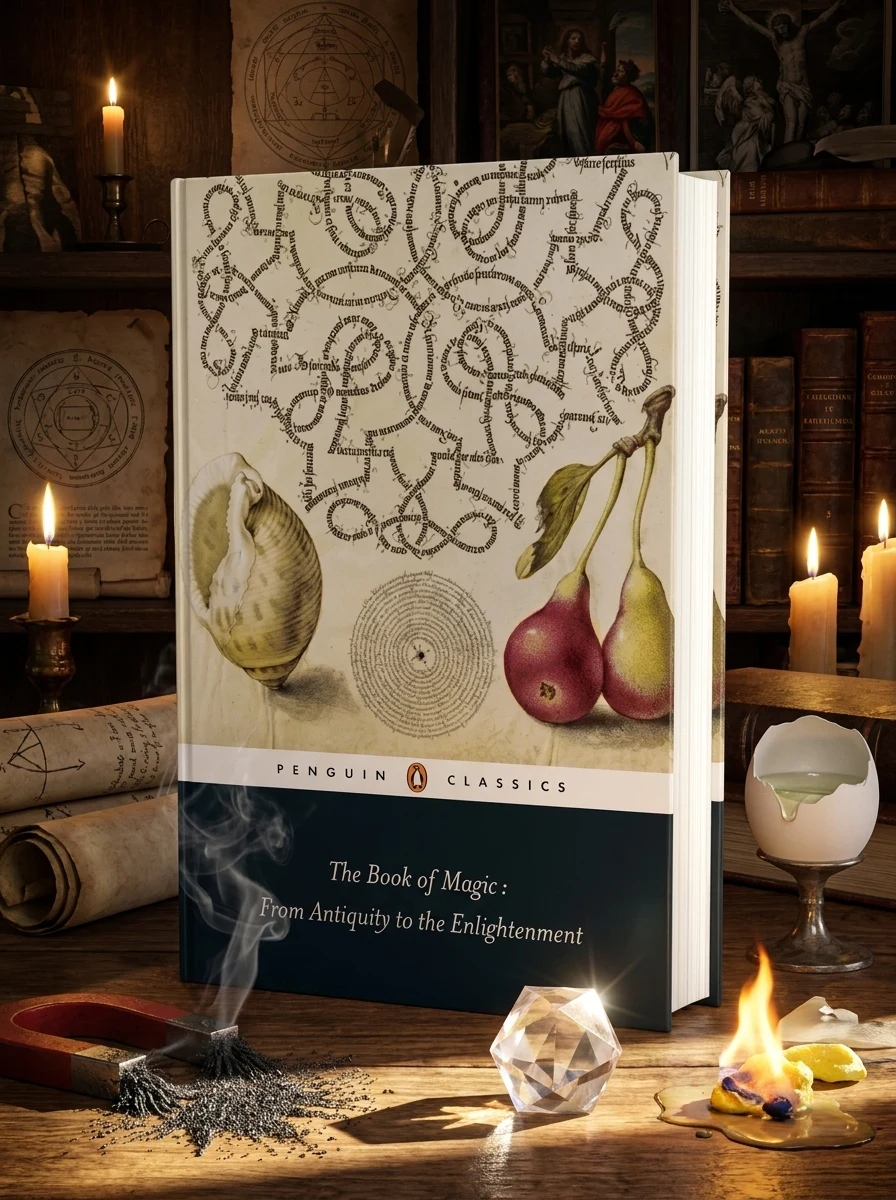
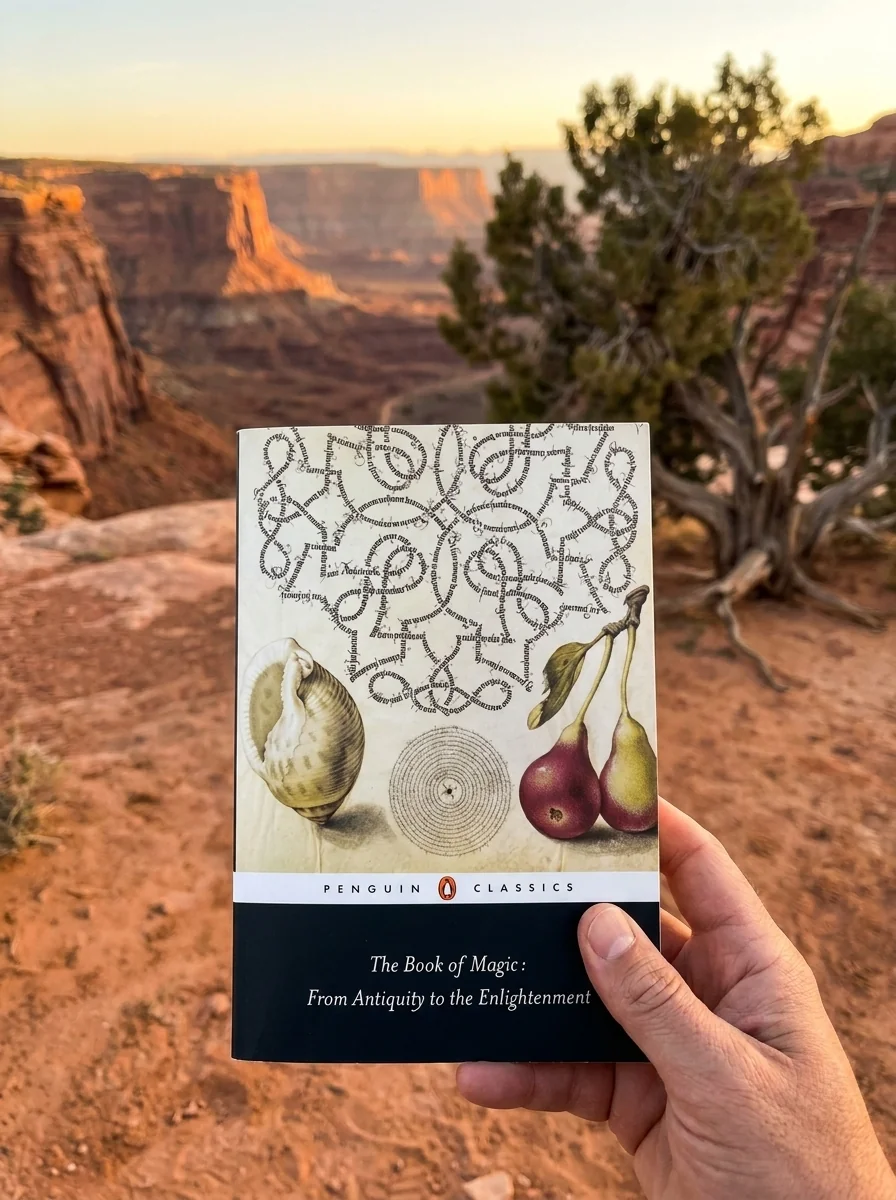
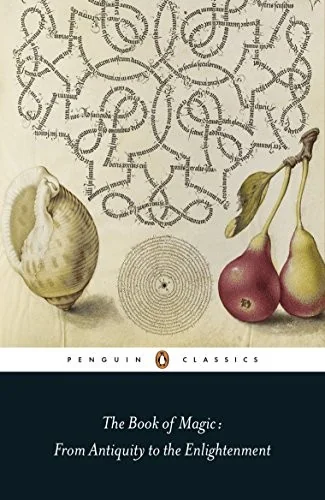
The Book of Magic: From Antiquity to the Enlightenment
A scholarly anthology of Western magic sources from Biblical antiquity through the European Renaissance.
Compiled by UCLA professor Brian Copenhaver, this anthology traces the tangled history of Western occultism through primary texts. The collection demonstrates how Biblical accounts of magical battles and supernatural acts provided ongoing validation for magic, even as the Christian church worked to suppress deviant practices. By bringing together medieval incantations, ancient anonymous works, and writings from figures like Thomas Aquinas and Paracelsus, the volume shows that magic was an important element of the Renaissance that helped shape the early scientific tradition.
This anthology covers Western magical traditions from the Old Testament period through the European Renaissance and Enlightenment. It details the tension between Christian church attempts to suppress deviant magic and the persistent scholarly interest in arcane practices among major European thinkers.


Praise for this book
“Impressive and well-edited . . . Reading this rich collection allows each of us to cut our own path through the dense snarls of the history of a body of ideas.”
“A rich anthology.”
📝 Description: The Book of Magic: From Antiquity to the Enlightenment
💎 Expert review
📖 Why choose it
Why this book is worth reading
This volume is essential for anyone seeking to dismantle simplistic myths about the occult's role in Western culture. Readers who appreciate deep historical inquiry will find immense value in Brian Copenhaver’s meticulous compilation of primary sources. It offers a rare glimpse into how history’s most brilliant minds engaged with magic as a complex tapestry of superstition, earnest inquiry, and spiritual quest. By tracing these hidden currents from antiquity to the Enlightenment, the book challenges established narratives and reveals the persistent influence of enchantment on intellectual development. It is particularly rewarding for scholars and serious hobbyists who want to understand the nuanced lineage of Western magical traditions without modern bias or superficial interpretation.
⭐ Reader reviews
Reader rating
Copenhaver presents a vital scholarly contribution that recontextualizes magic within the broader scope of Western intellectual history. The anthology’s strength lies in its rigorous selection of primary sources, exposing the controversial yet persistent presence of the occult among elite thinkers. However, this is not a practical grimoire or a light introductory guide for casual readers seeking spellwork or immediate mystical experiences. Those looking for accessible, non-academic explanations of magic may find the dense historical analysis and scholarly tone inaccessible. It demands patience and a willingness to engage with complex textual evidence rather than offering quick fixes or entertaining folklore.
❓ Frequently asked questions
📖 Who should read this
If you're drawn to the esoteric roots of Western civilization, or wish to understand the complex interplay between religion, science, and the mystical, this collection is indispensable. It's for curious minds seeking to unravel the genuine historical magic, beyond mere folklore.
🎯 Key themes and symbolism
Biblical Magic's Legacy
Discover how narratives within the Old and New Testaments provided peculiar validation for magical practices, even as organized religion sought suppression. This collection highlights the enduring tension between sacred texts and emerging, often divergent, magical traditions that drew inspiration, revealing an unexpected lineage.
Renaissance Occult Fascination
Explore how the European Renaissance, an era of scientific and artistic rebirth, was deeply intertwined with occult studies. The book brings to light the contributions and curiosities of luminaries like John Dee and Paracelsus, demonstrating magic's central, though sometimes clandestine, role in the era's intellectual currents.
Diverse Magical Practices
Delve into the rich variety of magical expressions documented across centuries, from protective charms and potent curses to elaborate summonings and healing rituals. This anthology showcases the sheer breadth of historical magical thought and practice, presenting a fascinating mosaic of beliefs and applications that shaped daily life.
📜 Historical context
📚 Glossary
- Incantations
- Occultism
- Renaissance
📔 Questions to reflect on
- How does the portrayal of magic in ancient texts compare to its representation in modern fantasy or spiritual practices?
- Reflect on the societal implications of "deviant" practices being suppressed by religious institutions throughout history.
- Consider the fine line between early scientific inquiry and magical experimentation as depicted in this anthology.