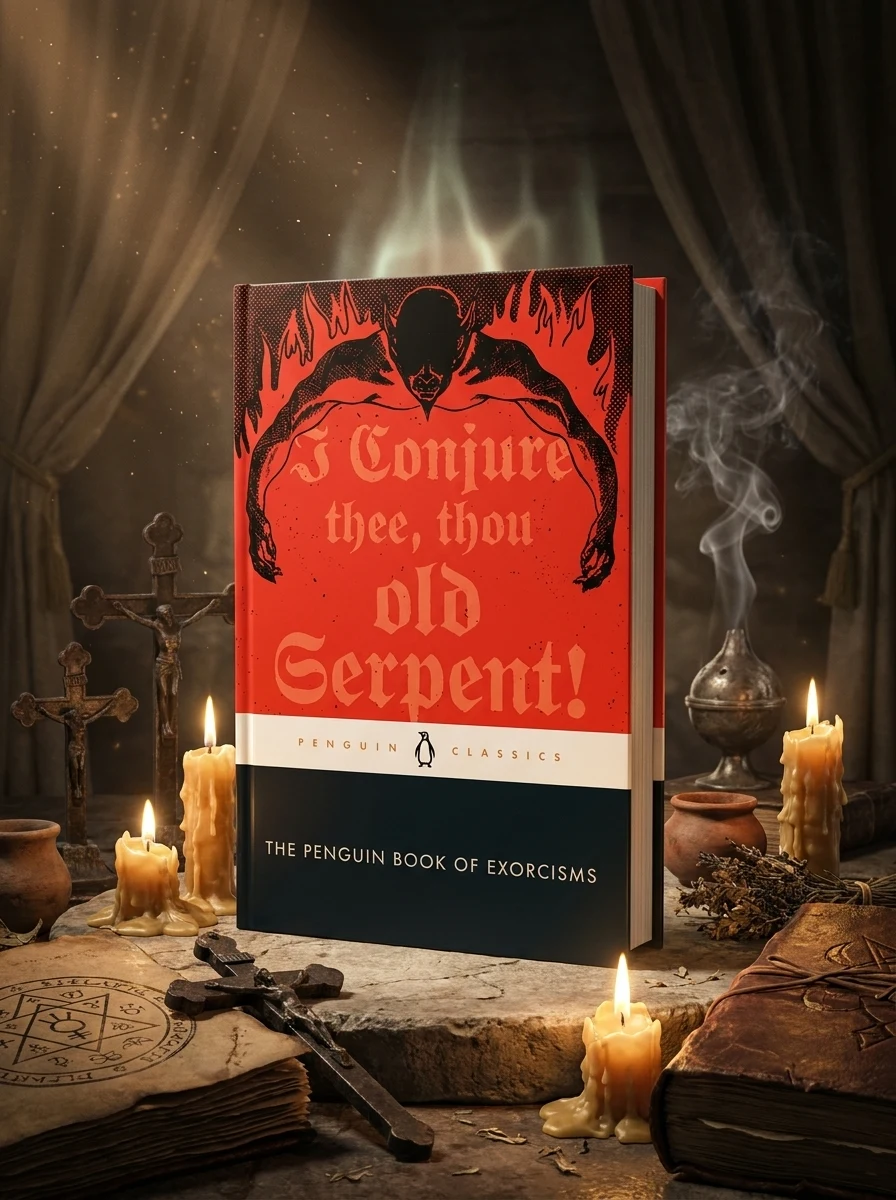
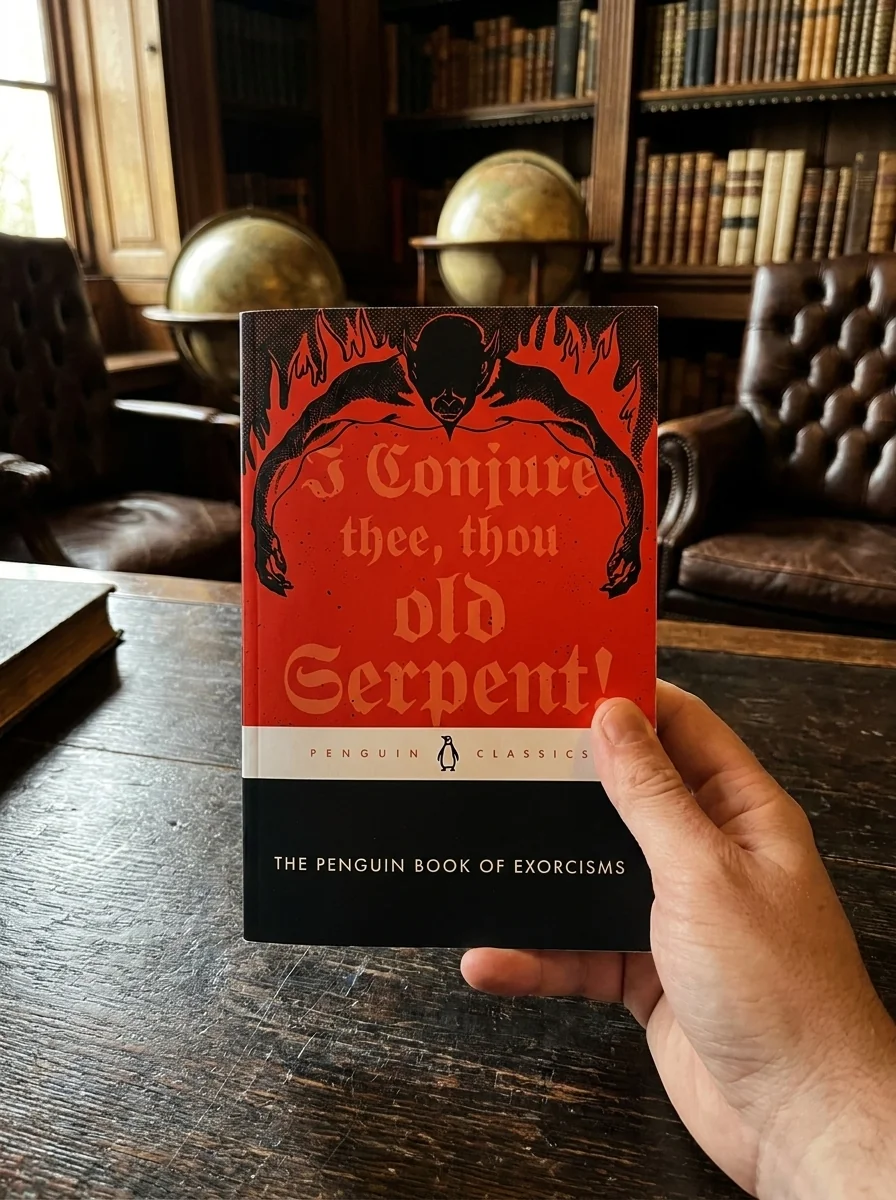

The Penguin Book of Exorcisms
This compelling anthology meticulously documents real-world encounters with spiritual possession and the rites of exorcism across vast stretches of time and geography. From the ancient Middle East to colonial America and modern South Africa, it gathers astonishing narratives that highlight humanity's enduring struggle with unseen forces. Delve into historical reports of levitation, superhuman strength, and speaking in tongues, demonstrating the universal and persistent nature of these phenomena. Joseph Laycock presents a scholarly yet accessible compilation, offering a panoramic view of one of humanity's most profound and terrifying mysteries, as documented through the ages.


📝 Description: The Penguin Book of Exorcisms
💎 Expert review
📖 Why choose it
Why this book is worth reading
Readers fascinated by the intersection of history, religion, and the supernatural will find this anthology indispensable. It offers a panoramic view of humanity's enduring struggle with unseen forces, documenting real-world encounters from ancient Mesopotamia to modern South Africa. The book is perfect for those seeking to understand the universal nature of possession narratives without getting bogged down in dense theological jargon. Laycock’s accessible style makes complex historical reports on levitation and speaking in tongues approachable. It appeals to anyone curious about how different societies have interpreted and combated spiritual threats throughout the ages, providing a chilling yet scholarly perspective on one of humanity's most profound mysteries.
⭐ Reader reviews
Reader rating
This compilation provides a fascinating, albeit unsettling, survey of exorcism rites across millennia. Laycock successfully gathers astonishing narratives that highlight the persistent human fear of spiritual possession. However, readers seeking visceral horror or supernatural fiction will be disappointed; this is a scholarly anthology, not entertainment. Those expecting definitive theological answers regarding the existence of demons may also find it lacking, as it focuses on historical documentation rather than apologetics. It is best suited for academic minds and cultural analysts who appreciate objective reporting on chilling accounts. The tone remains detached, which might feel cold to readers looking for spiritual guidance or dramatic storytelling.
❓ Frequently asked questions
📖 Who should read this
If you're captivated by the intersection of religion, folklore, and the supernatural, this collection is for you. Dive into humanity's historical grappling with unexplained phenomena, whether you're a scholar, a curious reader, or simply fascinated by the enduring mystery of possession.
🎯 Key themes and symbolism
Global Spirit Encounters
The book vividly illustrates how beliefs in spirit possession are not confined to a single culture or religion. It traverses continents and epochs, from ancient Egyptian rites to medieval European convents and African spiritual traditions, revealing the diverse interpretations and universal human response to perceived demonic or spiritual influence across the globe.
The Evolution of Exorcism
Explore how the practices and understandings of exorcism have transformed throughout history. This collection traces the evolution from early biblical accounts and the Prophet Muhammad's interventions to the formalized rituals of the Catholic Church and other religious traditions, offering insights into changing theological and societal perspectives on spiritual liberation.
Manifestations of Possession
Discover the recurring and often terrifying signs attributed to possession, documented through centuries. The book compiles eyewitness accounts of phenomena like unnatural physical strength, glossolalia (speaking in unknown tongues), levitation, and malevolent gazes, providing a fascinating historical record of these extraordinary and unsettling occurrences.
📜 Historical context
📚 Glossary
- Levitation
- Speaking in Tongues
- Poltergeist
📔 Questions to reflect on
- Reflect on how cultural beliefs and historical contexts might shape the perception and documentation of spiritual possession. What does this book reveal about human interpretation of the unknown?
- Considering the diverse accounts of signs and manifestations of possession, which particular phenomena do you find most compelling or unsettling, and why?
- How do the accounts in this collection challenge or reinforce your own understanding of spirituality, the supernatural, and the boundaries of human experience?