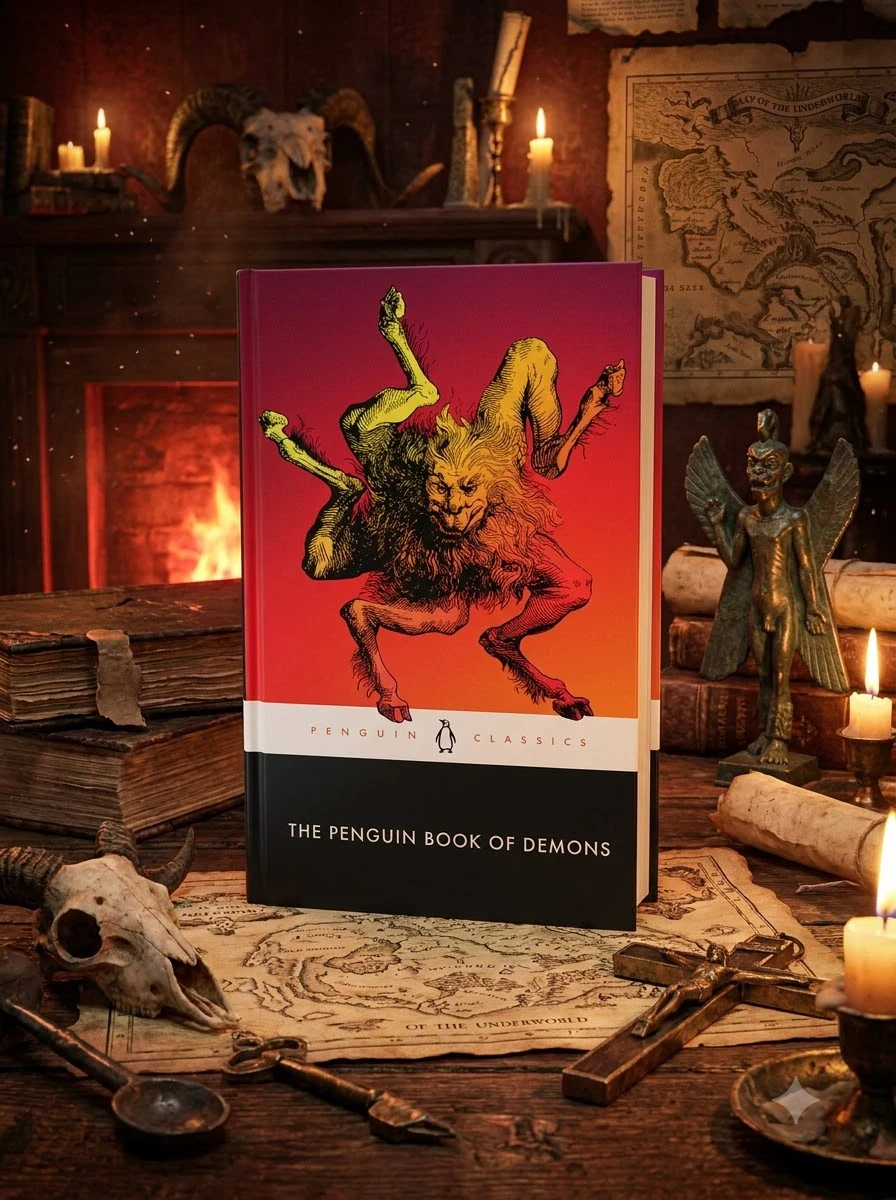
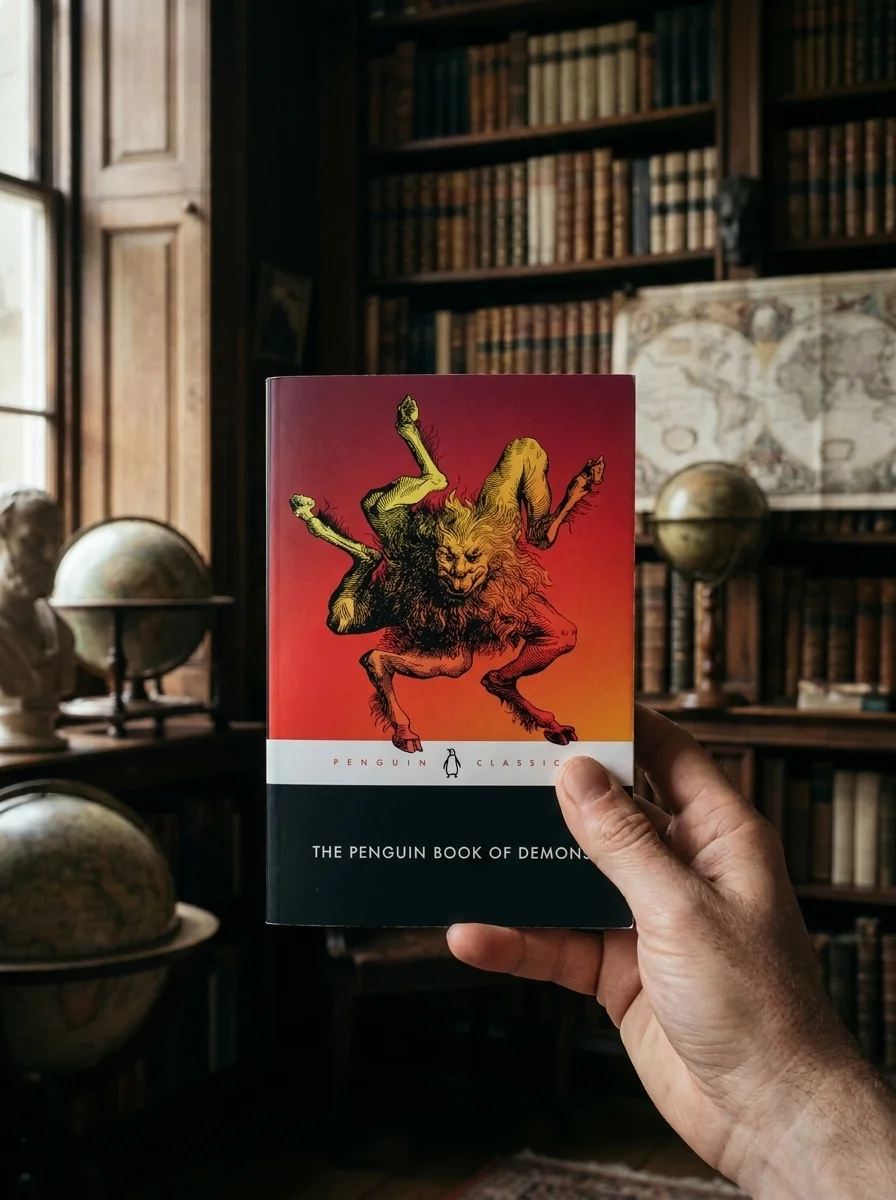
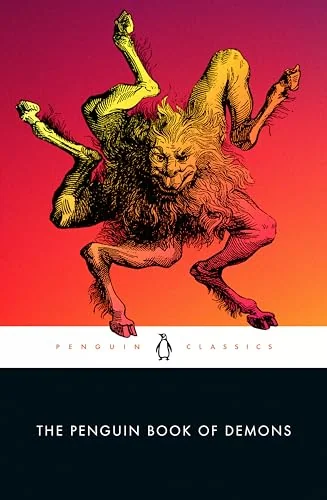
The Penguin Book of Demons
✍️ Bruce, Scott GThis compelling anthology journeys through three thousand years of human interaction with the demonic, compiling historical accounts from across the globe. From the daemons of ancient Greece to the Jinn of Islamic tradition and the Wendigo of Native American lore, it meticulously documents how diverse societies have conceptualized and confronted forces of evil. Bruce illuminates the shared threads of fear, temptation, and the unknown that bind these narratives, offering a profound look at humanity's efforts to define, understand, and battle the supernatural entities that have haunted our collective consciousness.


Praise for this book
“All the devils are here.”
📝 Description: The Penguin Book of Demons
💎 Expert review
📖 Why choose it
Why this book is worth reading
Readers fascinated by the intersection of history, mythology, and the supernatural will find this book a treasure trove of insight. It is ideal for those who wish to understand not just what demons are, but how humanity has perceived and feared them for millennia. If you enjoy tracing the shared threads of terror and temptation across diverse cultures—from Greek daemons to Native American lore—this anthology provides a profound, unifying perspective on our collective consciousness. It offers more than just scary stories; it delivers a deep dive into how different societies define and battle evil, making it essential for students of folklore and curious minds alike.
⭐ Reader reviews
Reader rating
Scott G. Bruce curates a compelling journey through three thousand years of demonic encounters, offering a rigorous yet engaging look at global malevolent spirits. The anthology succeeds in highlighting the universal human response to the unknown, weaving together disparate traditions like Islamic Jinn lore and ancient Greek accounts into a cohesive narrative. However, this book may not suit readers seeking purely fictional horror or those who prefer singular, focused theological treatises over broad comparative analysis. It is best for those interested in the anthropological and historical dimensions of fear rather than practical occult guidance. A solid, informative resource for the intellectually curious.
❓ Frequently asked questions
📖 Who should read this
For those fascinated by world mythology, the history of religion, and the darker currents of human folklore, this compendium is essential. If you seek to understand how societies have grappled with the concept of evil across millennia, this scholarly yet accessible volume awaits your perusal.
🎯 Key themes and symbolism
Global Demonology
The book masterfully showcases the vast diversity of malevolent entities across cultures and time, from biblical Nephilim to Byzantium's child-eating Gelloudes. It highlights how these figures, despite their distinct origins, often serve similar roles in explaining plague, moral decay, or unexplained phenomena, offering a comprehensive, cross-cultural study of fear incarnate.
Human Encounters with Evil
Through a curated collection of historical narratives, the work details the intimate and often terrifying ways humans have experienced demonic presence. These accounts range from tales of possession and temptation to the desperate measures taken to hunt or appease such beings, providing a vivid picture of the personal and societal impact of these beliefs throughout history.
The Evolution of Fear
By presenting a chronological and geographic survey, the anthology subtly traces how the manifestation and interpretation of evil spirits have adapted alongside human societies. It reveals how ancient anxieties about natural disasters transformed into fears of spiritual corruption, demonstrating the enduring human need to personify and confront the unknown aspects of existence.
📜 Historical context
📚 Glossary
- Nephilim
- Jinn
- Wendigo
📔 Questions to reflect on
- Reflect on how the specific cultural anxieties of a society might shape the form and function of its demonic entities. Provide an example from the book.
- Consider the human need to personify evil. What psychological or societal benefits might arise from giving a name and form to malevolent forces?
- If you were to create a 'demon' for our modern world, what societal fear would it embody, and what would its characteristics and methods of torment be?