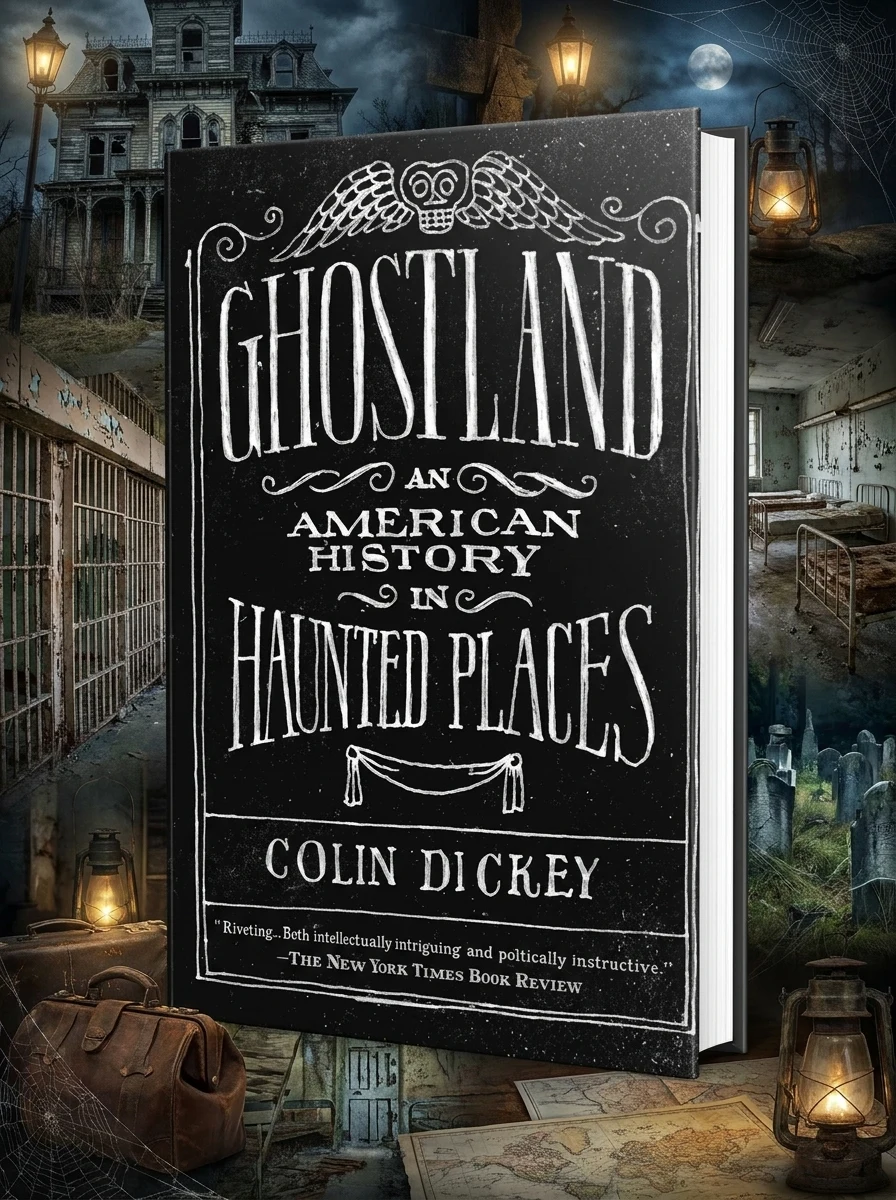
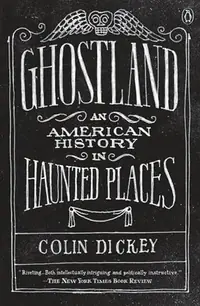
Ghostland: An American History in Haunted Places
Dickey, ColinStock reported in the catalog; fulfillment is confirmed with your request.
Journey through America's spectral landscapes to unearth its most unsettling historical truths.
Colin Dickey embarks on a fascinating intellectual road trip across the United States, exploring the country's most famously haunted locations. He delves beyond mere ghost stories, using these spectral sites—from decaying mansions to forgotten prisons—as lenses through which to examine repressed chapters of American history. Dickey investigates why certain places become repositories for the supernatural and what these persistent legends reveal about our collective memory, societal anxieties, and the uncomfortable truths we often try to bury. It's a compelling exploration of how the past continues to manifest in our present, both literally and metaphorically.
This work sits firmly within the tradition of American ghostlore and cultural history, blending spiritualism with critical social analysis. It reflects a contemporary interest in using haunted spaces as metaphors for national identity and collective memory.


📝 Description: Ghostland: An American History in Haunted Places
💎 Expert review
📖 Why choose it
Why this book is worth reading
Readers who crave a deeper intellectual engagement with the supernatural will find this book particularly rewarding. It is ideal for those fascinated by American history but weary of dry academic texts, offering instead a vibrant exploration of how societal anxieties manifest in local legends. If you enjoy road trips that uncover hidden narratives rather than just scenic views, this guide to spectral landscapes provides a unique lens on the past. It appeals to individuals interested in psychology and sociology, revealing how we use ghosts to process uncomfortable truths. The book transforms mere spookiness into a serious inquiry into collective memory, making it essential for anyone seeking to understand the emotional undercurrents of American culture through its most infamous haunted sites.
⭐ Reader reviews
Reader rating
Dickey offers a compelling blend of travelogue and historical critique, successfully transforming ghost stories into sociological evidence. However, readers seeking traditional paranormal investigation techniques or straightforward horror narratives will likely find this work too analytical and detached from the thrill of the chase. It is not for those who prefer unexamined superstition over critical inquiry. The tone remains academic yet accessible, which may disappoint fans of pure fiction or sensationalist ghost hunting shows. Nevertheless, it stands as a sophisticated examination of why we haunt ourselves, rewarding the thoughtful reader with insights into national identity while alienating those looking for simple scares.
❓ Frequently asked questions
📖 Who should read this
If you're drawn to the intersection of history, folklore, and critical cultural analysis, and enjoy probing the deeper meanings behind our fascination with the supernatural, this book is for you. It's perfect for those who appreciate intellectual curiosity over jump scares.
🎯 Key themes and symbolism
History's Haunting Echoes
This book proposes that supernatural occurrences are often echoes of historical trauma and injustice. It explores how specific locations—sites of violence, neglect, or significant social upheaval—become focal points for enduring legends, suggesting that the 'ghosts' are manifestations of unaddressed past events rather than simple folklore. The author skillfully intertwines historical research with spectral narratives.
Collective Memory & Myth
Dickey examines the psychological and cultural reasons behind our enduring fascination with haunted places. He questions what these stories tell us about our shared anxieties, our need to confront or compartmentalize difficult histories, and the ways in which societal narratives are constructed and perpetuated through tales of the supernatural. It's a deep dive into the American psyche.
Unpacking Repressed Pasts
The book brilliantly argues that many alleged hauntings serve as involuntary memorials to the 'ghosts' of American history—the forgotten, the inconvenient, or the actively suppressed. From indigenous burial grounds to sites of slavery or industrial tragedy, Dickey reveals how these spectral narratives force a confrontation with aspects of our national story that we might otherwise choose to ignore.
💬 Quotes from the book
“The true haunting in America is not a spectral figure, but the inconvenient truth we collectively strive to bury beneath layers of myth and forgetfulness.”
“Every creaking floorboard, every inexplicable chill, becomes a whisper from a past society desperately wishes to silence, yet cannot fully erase.”
📜 Historical context
📚 Glossary
- Zombie Homes
- Haunted Places
- Collective Imagination
📔 Questions to reflect on
- Consider a local 'haunted' place or urban legend. What historical events or social anxieties might have contributed to its origins and persistence?
- How do you think our collective memory, or lack thereof, shapes our perception of the past? Can 'ghosts' serve as guardians of forgotten narratives?
- Reflect on a time you felt an inexplicable atmosphere in an old building or historical site. What emotions did it evoke, and how might those feelings connect to its history?
✍️ More books by this author Dickey, Colin
All books by this author →
🏛 Books from this publisher Penguin Books
All books from this publisher →
 86
86
You might also like
See more →
 91
91