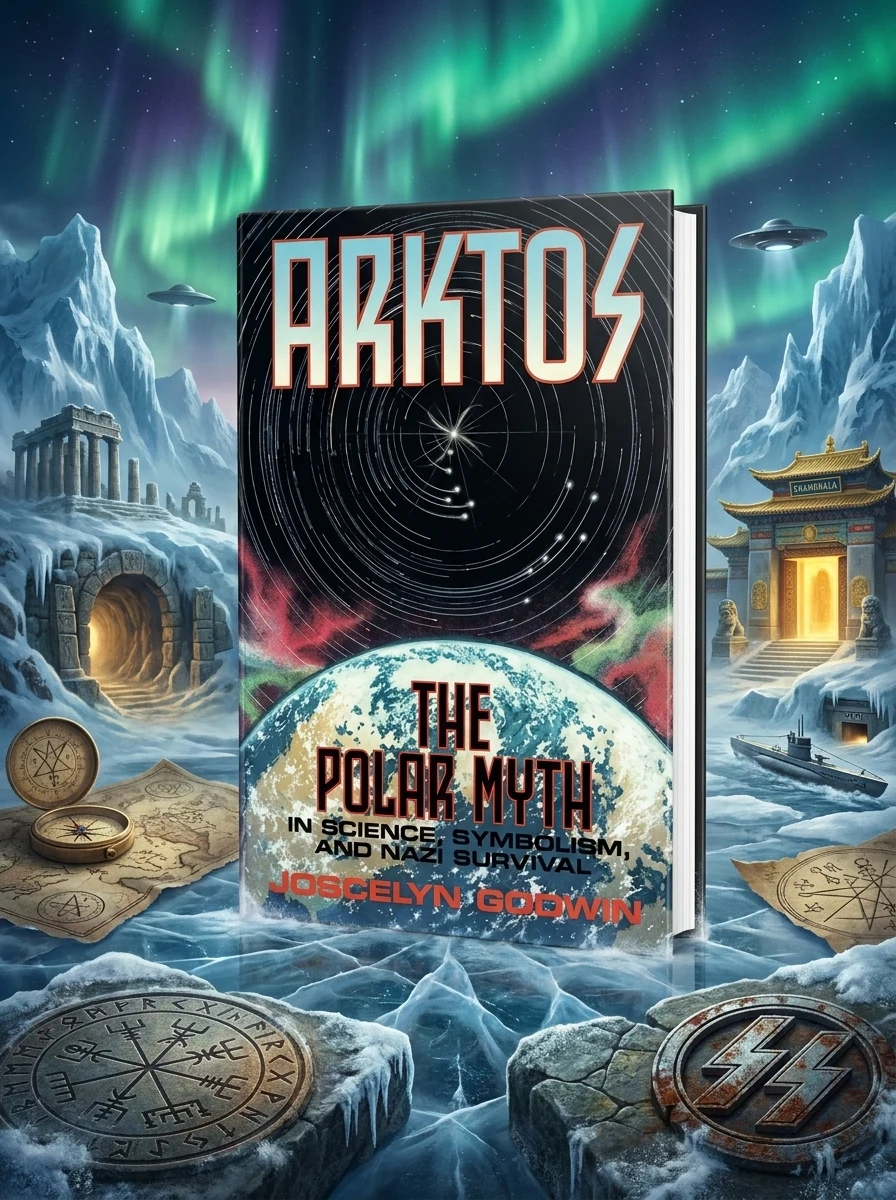
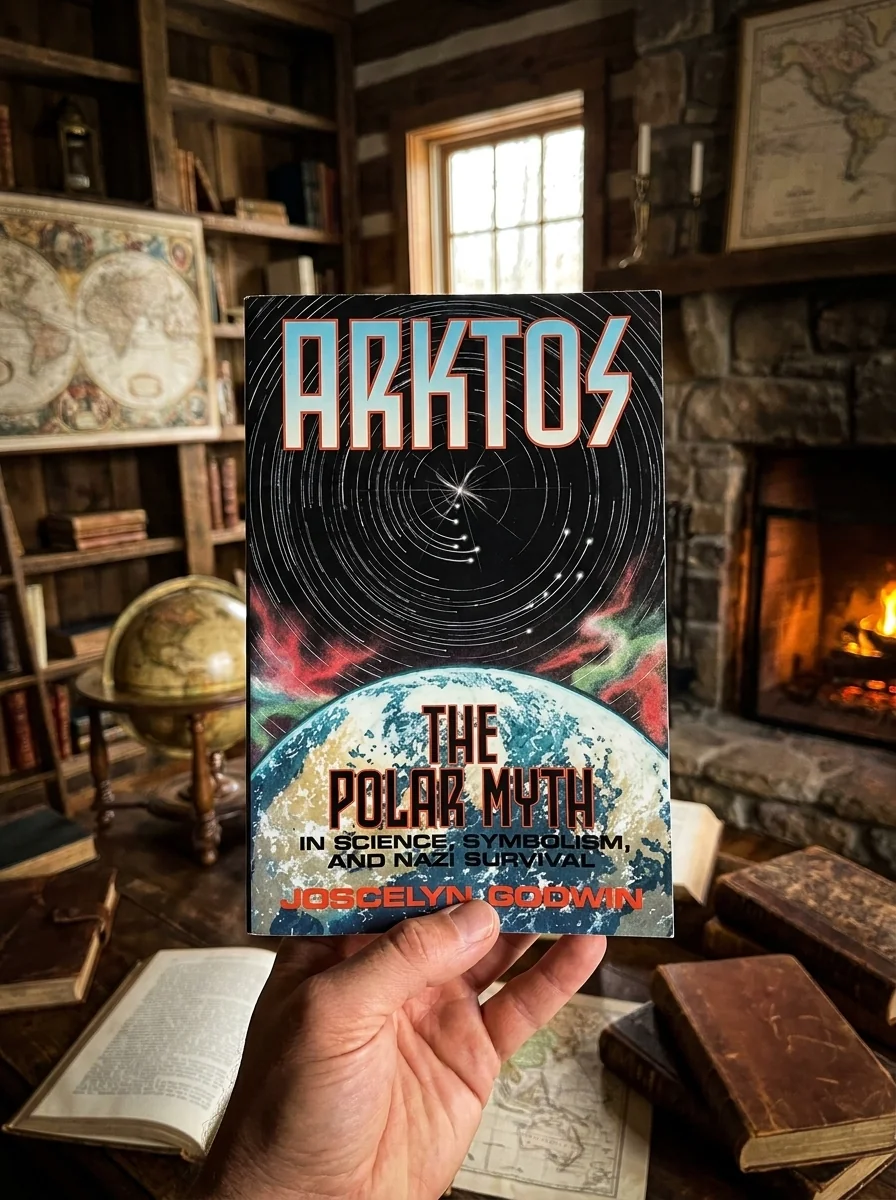
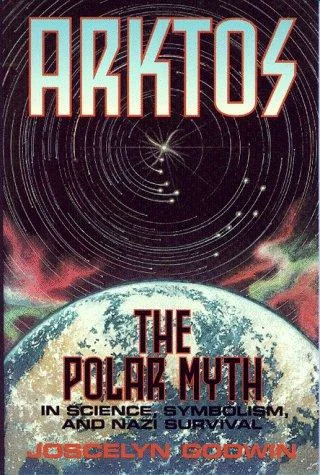
Arktos: The Polar Myth in Science, Symbolism & Nazi Survival (Revised)
✍️ Godwin, JoscelynJoscelyn Godwin's compelling work delves into the enigmatic world of polar myths, from the fabled lands of Thule and Hyperborea to their disturbing resurgence in Nazi occult ideology. This meticulously researched volume navigates through tales of a pristine Arctic homeland, exploring how these ancient narratives were twisted to support notions of an Aryan genesis. It further extends to contemporary legends, examining claims of Hitler's survival, secret Antarctic bases, UFOs, the Hollow Earth, and the elusive hidden kingdoms of Agartha and Shambhala, offering a profound look at humanity's enduring fascination with the pole.


📝 Description: Arktos: The Polar Myth in Science, Symbolism & Nazi Survival (Revised)
💎 Expert review
📖 Why choose it
Why this book is worth reading
Readers fascinated by the dark undercurrents of European history and the persistence of myth will find this volume indispensable. It offers a profound look at humanity's enduring fascination with the pole, tracing how narratives of a pristine Arctic homeland were twisted to support notions of Aryan genesis. Those interested in the convergence of ancient esoteric traditions and modern political extremism will gain valuable insight into these chilling reinterpretations. The book serves as a critical resource for understanding how symbolic landscapes influence contemporary legends, including claims about secret bases and hidden kingdoms, making it essential for serious students of occult history.
⭐ Reader reviews
Reader rating
Godwin provides a meticulously researched exploration that is both compelling and disturbing. While the analysis of Nazi ideological appropriation is rigorous, readers seeking purely academic historiography may find the focus on conspiracy theories, such as Hitler's survival or UFO connections, distracting. It is not suited for those who prefer straightforward historical accounts without esoteric speculation. However, for enthusiasts of the occult and symbolic history, it offers a vital, if unsettling, perspective on how ancient myths were weaponized, making it a necessary, albeit niche, addition to any serious collection.
❓ Frequently asked questions
📖 Who should read this
If you're drawn to the shadowy intersections of ancient mythology, esoteric history, and geopolitical conspiracy, this book is essential. It's for those who seek to understand how profound symbols and fantastical narratives can be both inspiring and dangerously manipulated.
🎯 Key themes and symbolism
Ancient Polar Myths
The book meticulously traces the origins and evolution of legendary polar civilizations like Hyperborea and Thule. It examines how these ancient myths, often associated with a Golden Age and a sacred northern land, provided foundational narratives for later esoteric and political movements, shaping perceptions of humanity's primordial past.
Nazi Occultism & Esotericism
Godwin rigorously dissects the insidious appropriation of these ancient myths by Nazi ideologues, particularly through groups like the Thule Society. He reveals how concepts of an 'Aryan' Arctic homeland were weaponized, linking fantastical tales to the darkest chapters of modern history, including theories of Hitler's escape and secret Antarctic operations.
Hidden Earth & Survival Legends
This volume explores a fascinating array of post-war esoteric theories concerning hidden realms and survival. It delves into the lore of the Hollow Earth, the subterranean city of Agartha, and the spiritual sanctuary of Shambhala, alongside speculative narratives involving UFOs and German bases in Antarctica, blurring the lines between myth, conspiracy, and the paranormal.
📜 Historical context
📚 Glossary
- Hyperborea
- Agartha
- Thule Society
📔 Questions to reflect on
- Reflect on humanity's enduring fascination with hidden or inaccessible lands. What psychological or spiritual needs might such myths fulfill?
- Consider how ancient myths, intended for spiritual or cultural understanding, can be distorted and weaponized for political or ideological gain. Where do you see parallels in contemporary society?
- The book explores various interpretations of the 'pole'—as a physical location, a symbolic center, and a spiritual ideal. How do these different meanings resonate with your own understanding of 'center' or 'origin'?