
The Demon in the Ekur: Angels, Demons, Plasmas, Patristics, and Pyramids
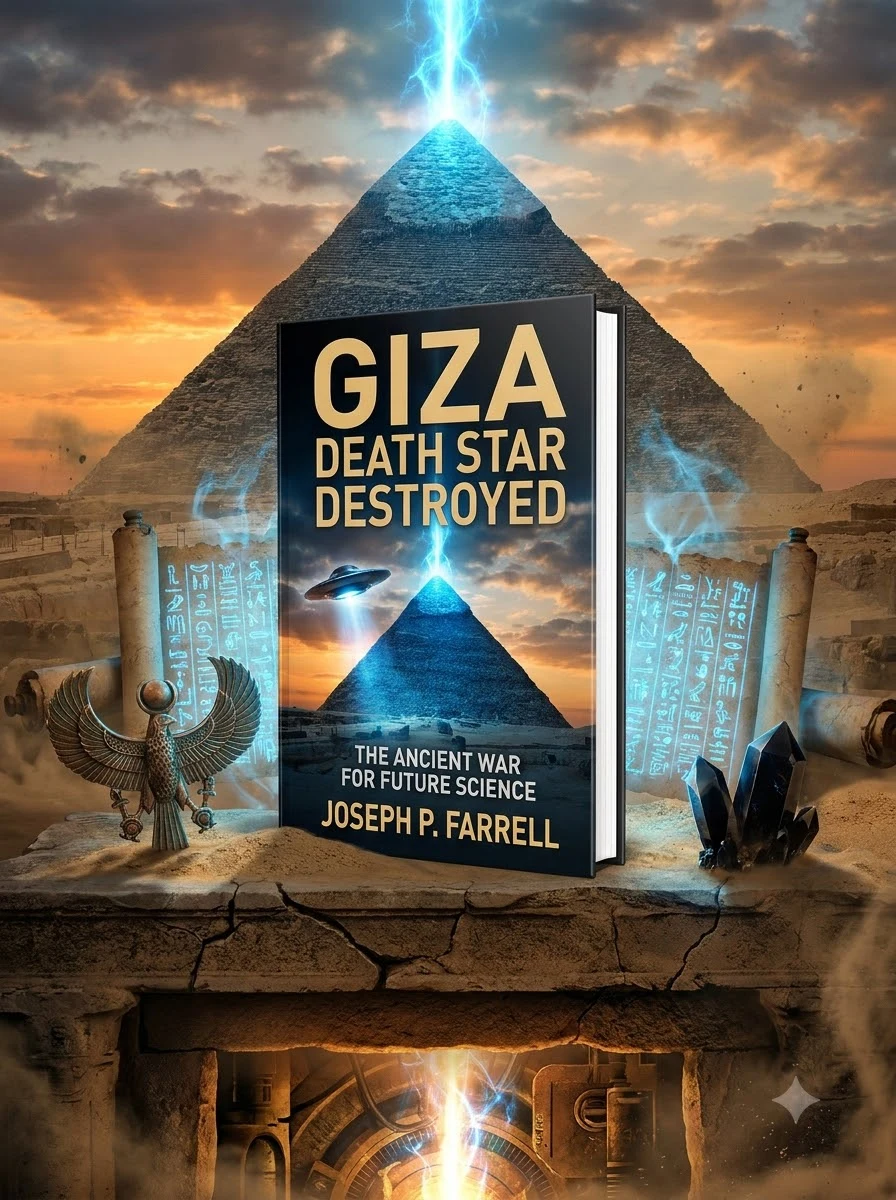
✍️ Farrell, Joseph PJoseph P. Farrell's "The Demon in the Ekur" offers a challenging reinterpretation of ancient history and cosmology. This volume revisits the controversial "Giza Death Star" theory, connecting it with Mesopotamian "Ekur" concepts and the Great Pyramid's enigmatic purpose. Farrell explores "Plasma Cosmotheology," proposing a "Plasma Life Hypothesis" that blends patristic angelology with modern physics. He delves into the nature of angels—their immateriality, shapeshifting abilities, and role as guardians—and Lucifer's specific connection to Earth. The book provocatively links these insights to ancient mysteries, from Sitchin to Mexican pyramids, culminating in a radical synthesis of science, theology, and ancient lore.


📝 Description: The Demon in the Ekur: Angels, Demons, Plasmas, Patristics, and Pyramids
💎 Expert review
📖 Why choose it
Why this book is worth reading
Readers fascinated by the convergence of ancient mystery, theological debate, and speculative science will find this volume a stimulating intellectual adventure. Joseph P. Farrell invites you to abandon conventional boundaries between physics and metaphysics, offering a radical cosmological vision that reinterprets the Great Pyramid and Mesopotamian lore through the lens of plasma theory. If you enjoy unraveling enigmas where angels, demons, and cosmic forces intersect, this book provides a unique framework for understanding history. It is ideal for those willing to engage with complex, interdisciplinary arguments that challenge established paradigms regarding the nature of immaterial beings and ancient engineering. This text rewards persistent curiosity with a provocative synthesis of patristic angelology and modern scientific hypotheses.
⭐ Reader reviews
Reader rating
Farrell’s latest volume presents a bold, albeit polarizing, attempt to unify patristic angelology with plasma cosmology and ancient architectural mysteries. While the synthesis of Sumerian 'Ekur' concepts with Giza’s enigmatic purpose offers a fresh perspective for enthusiasts of alternative history, the work demands significant patience from skeptics. It is not suited for readers seeking empirically verified mainstream archaeology or straightforward theological texts. The dense integration of scientific jargon with esoteric lore may alienate those preferring clear, accessible narratives. However, for those immersed in the 'Giza Death Star' discourse and interested in how immaterial entities might interact with physical matter, this book serves as a crucial, if contentious, contribution to the genre’s ongoing dialogue.
❓ Frequently asked questions
📖 Who should read this
If you're drawn to speculative history, alternative archaeology, or the intersection of ancient theology and cutting-edge physics, this book is for you. Prepare to have your perceptions of angels, ancient structures, and cosmic origins radically re-evaluated. It's for those who question narratives.
🎯 Key themes and symbolism
Angelic Nature and Reality
Farrell deeply examines the characteristics of angels through patristic writings, particularly Dionysius and John of Damascus. He explores their immaterial yet potent existence, their capacity for shapeshifting, non-local presence, and communication beyond words, proposing an "Angelic Uncertainty Principle" that challenges conventional understanding of spiritual beings.
Pyramids as Ancient Tech
This book revisits the provocative "Giza Death Star" hypothesis, framing ancient pyramids as something far beyond tombs or observatories. Farrell connects these massive structures, including those in Mexico, to the Mesopotamian "Ekur" concept, suggesting a shared, advanced technological or energetic purpose rooted in a forgotten cosmic understanding.
Plasma and Cosmic Life
A central concept is "Plasma Cosmotheology," which posits that plasma is fundamental to cosmic and perhaps even life's origins. Farrell introduces the "Plasma Life Hypothesis," integrating this scientific idea with ancient theological perspectives, offering a radical new framework for understanding the universe and its energetic, living components.
📜 Historical context
📚 Glossary
- Ekur
- Patristics
- Plasma Cosmotheology
📔 Questions to reflect on
- How might a re-evaluation of angelic nature, as proposed by Farrell, alter our understanding of consciousness and its potential interaction with the physical world?
- If ancient civilizations possessed knowledge of plasma cosmology, what implications does this have for our current scientific paradigms and historical timelines?
- Consider the concept of "guardians of regions." How might this ancient idea manifest in a modern, energetic understanding of the cosmos or even earthly geopolitics?