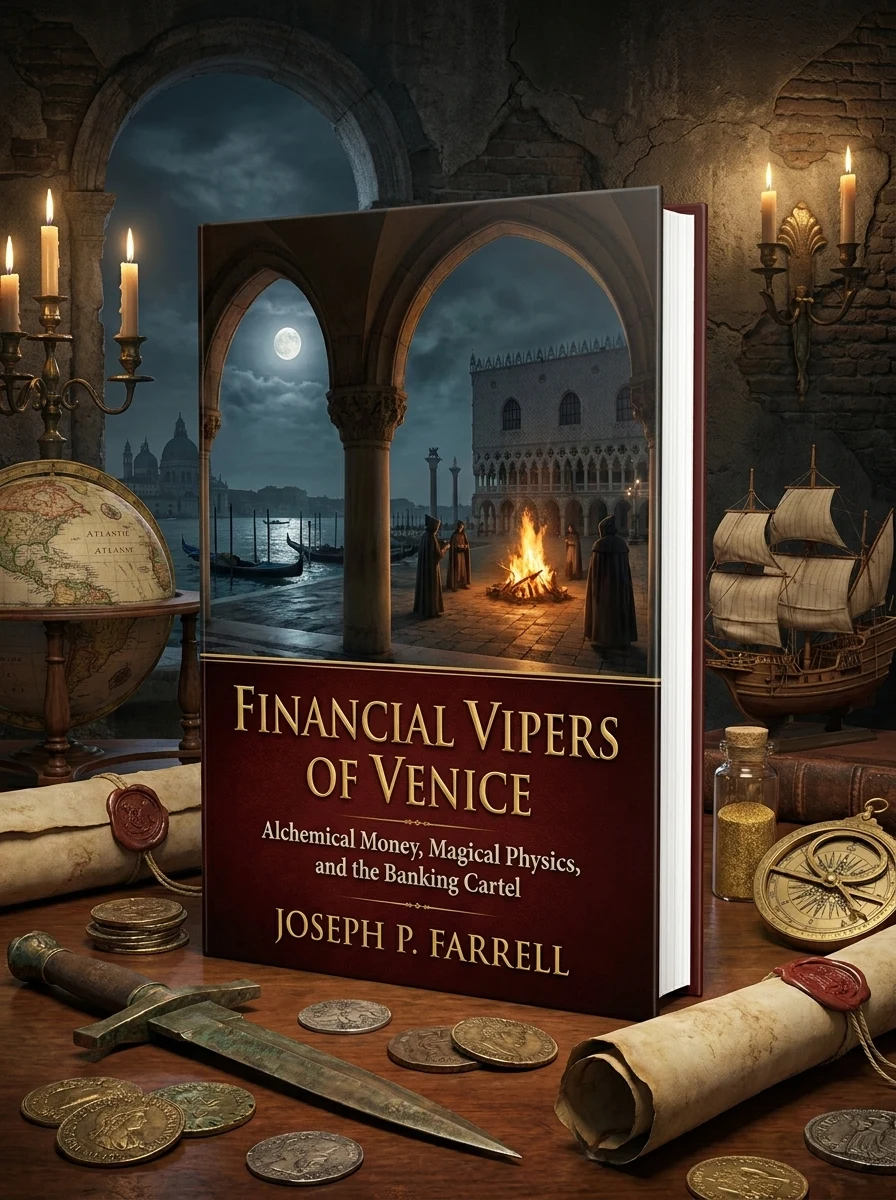
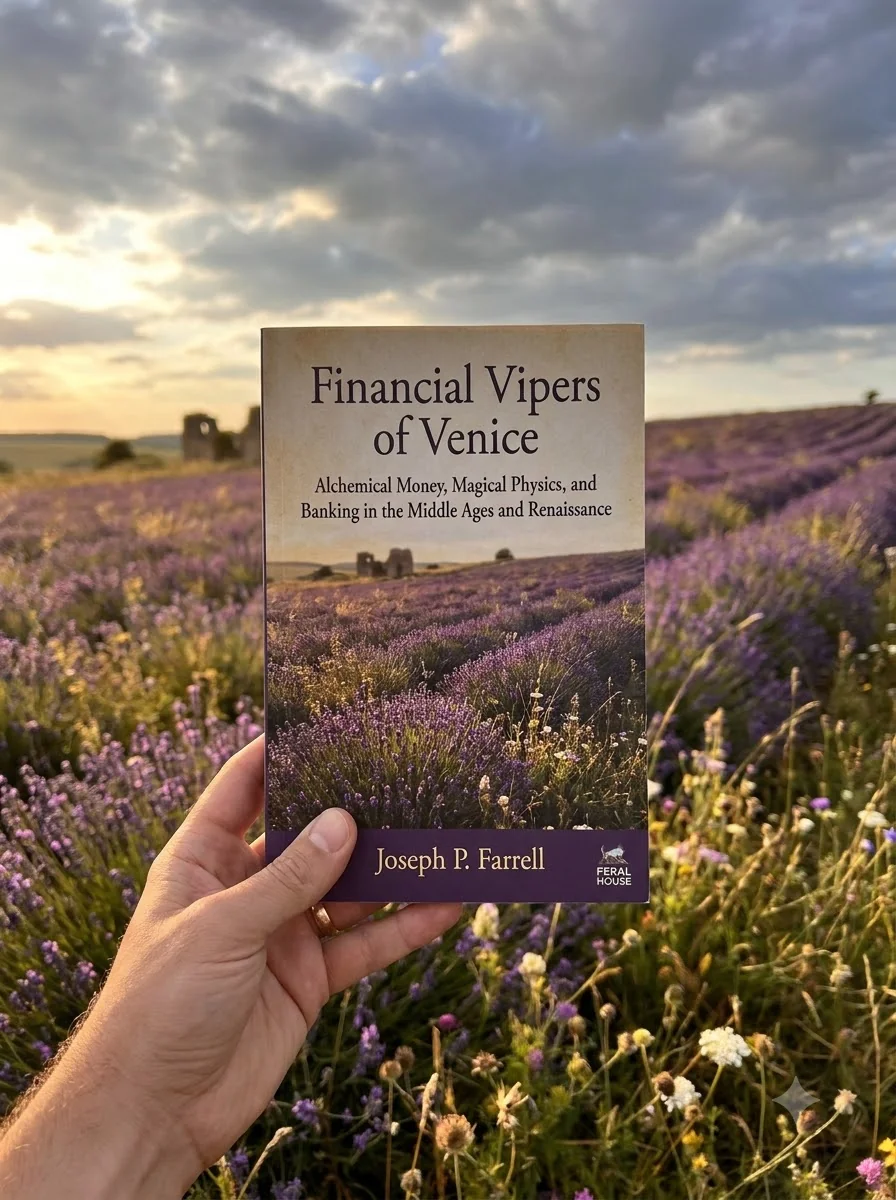

Financial Vipers of Venice: Alchemical Money, Magical Physics, and Banking in the Middle Ages and Renaissance
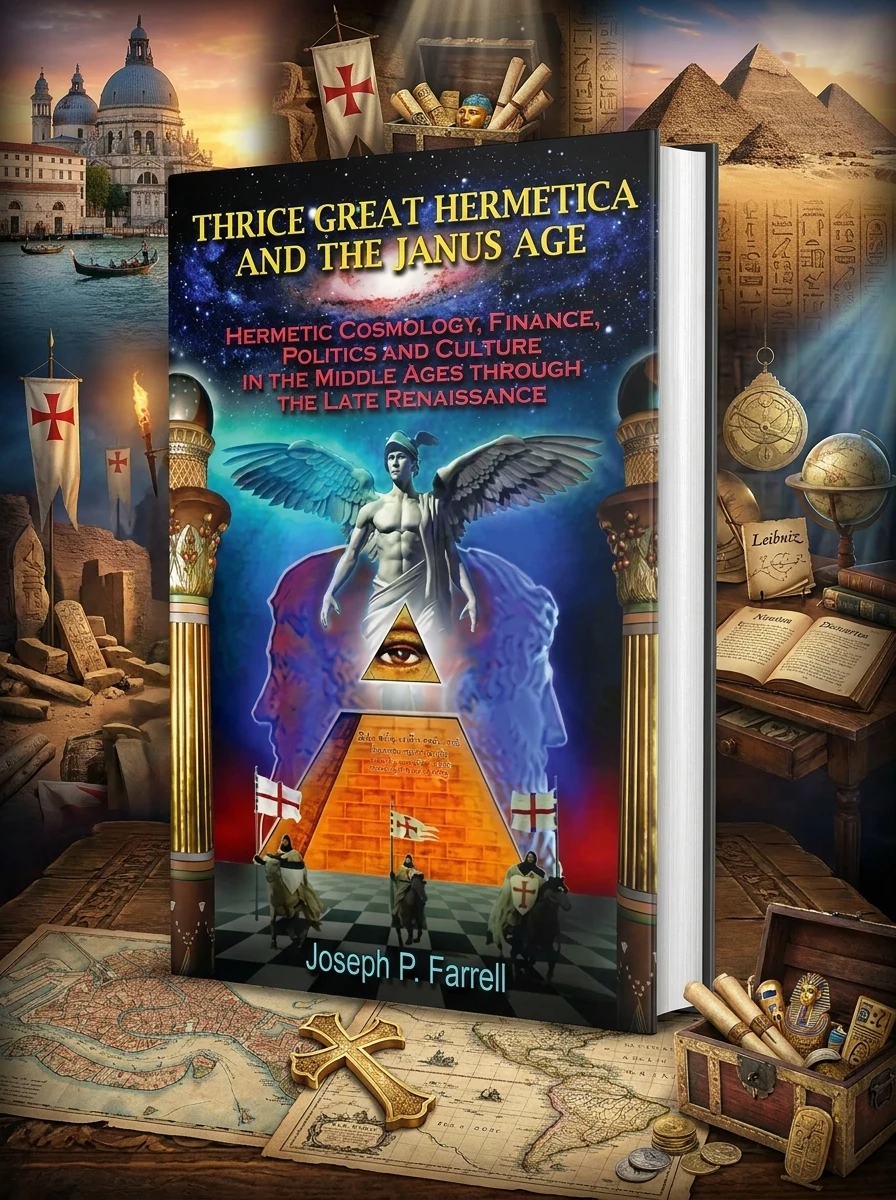
✍️ Farrell, Joseph PJoseph P. Farrell plunges into the shadowy origins of modern finance, tracing its roots from ancient Mesopotamia to the powerful banking houses of Renaissance Venice. This compelling investigation posits that early financial institutions engaged in alchemical manipulation of wealth, influencing popes, markets, and historical events. Farrell argues that figures like Giordano Bruno and Christopher Columbus challenged this entrenched system of control. By examining medieval financial practices, the book illuminates how today's global economy, with its complex instruments and fiat money, bears the indelible mark of these ancient, often occult, beginnings. It's a provocative look at currency's true nature.


📝 Description: Financial Vipers of Venice: Alchemical Money, Magical Physics, and Banking in the Middle Ages and Renaissance
💎 Expert review
📖 Why choose it
Why this book is worth reading
Readers fascinated by the hidden architectures of power and the mystical underpinnings of global finance will find this book profoundly illuminating. Farrell invites you to look beyond standard economic narratives, revealing how alchemical principles and arcane manipulations shaped the rise of powerful banking houses in Venice and beyond. If you are intrigued by the idea that figures like Giordano Bruno and Christopher Columbus were not just explorers or philosophers but challengers to an entrenched system of occult control, this text offers a compelling alternative perspective. It is ideal for those who seek to understand the spiritual and magical roots of fiat money and modern economic instruments, providing a provocative lens through which to view the true nature of currency and the enduring legacy of medieval financial practices.
⭐ Reader reviews
Reader rating
This title offers a bold, unconventional thesis linking alchemy directly to the origins of modern banking. Farrell’s argument that early financial institutions engaged in magical manipulation is certainly provocative and will appeal to readers seeking alternative histories of economics. However, it may not suit those who prefer strictly documented academic economic history or skepticism toward esoteric interpretations of historical events. The book demands an openness to metaphysical explanations for material wealth creation. While intellectually stimulating for its niche audience, readers expecting conventional financial analysis or rigorous peer-reviewed historiography might find the assertions too speculative. It is best approached as a fascinating exploration of occult economics rather than a definitive economic textbook, serving primarily those already invested in esoteric worldviews.
❓ Frequently asked questions
📖 Who should read this
For those who question official historical narratives, seek hidden forces behind global finance, or are fascinated by the intersection of esotericism and economic power, this book offers a radical perspective. Prepare to see the origins of our monetary system in a deeply unsettling, new light.
🎯 Key themes and symbolism
Alchemical Finance & Power
Explores the hidden connections between medieval banking practices and esoteric alchemical principles. Farrell suggests that early financial systems weren't just about gold, but about a magical understanding of value creation and manipulation, granting immense power to those who mastered these arcane economic arts to control nations and influence history.
Venetian Banking's Dark Influence
Uncovers the alleged machinations of Venetian financiers during the Middle Ages and Renaissance. This theme highlights how these powerful entities purportedly manipulated markets, suppressed rivals, funded conflicts, and even influenced religious authorities to consolidate their wealth and maintain a tight grip on information and precious metals, shaping the course of European history.
Ancient Roots of Modern Economy
Draws a direct line from medieval financial innovations—like bonds, bills of exchange, and early forms of fiat currency—to the complex global economic structures of today. Farrell argues that institutions we consider modern, such as national debts and private central banking, have surprising historical parallels and, perhaps, shared philosophical underpinnings rooted in these earlier eras.
📜 Historical context
📚 Glossary
- Fiat Money
- Banksters
- Bills of Exchange
📔 Questions to reflect on
- How might understanding the "alchemical" nature of early finance change your perspective on modern economic systems and the concept of wealth?
- Consider the historical figures mentioned (Bruno, Columbus). In what ways could their actions have genuinely disrupted established power structures, beyond conventional historical interpretations?
- If modern financial instruments indeed have medieval, even esoteric, origins, what implications does this have for our understanding of global control and sovereignty today?