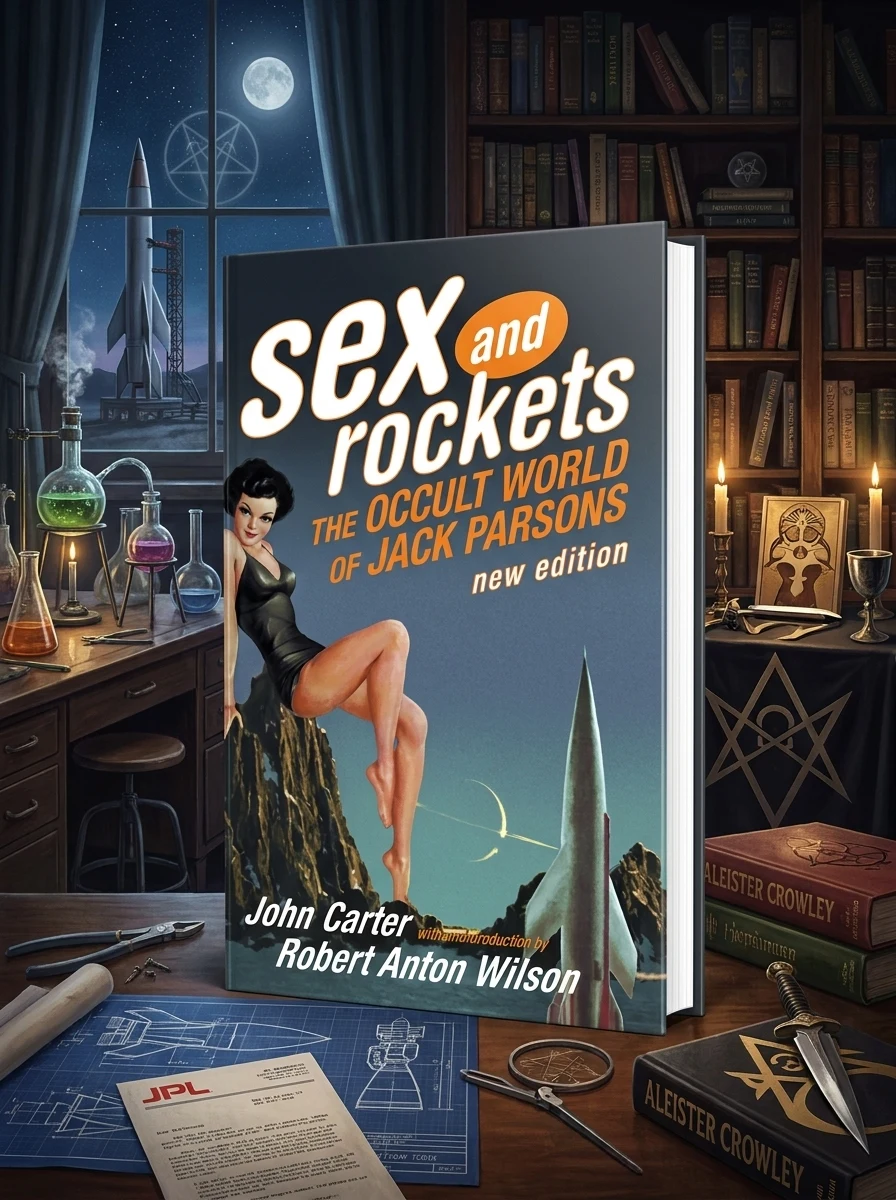

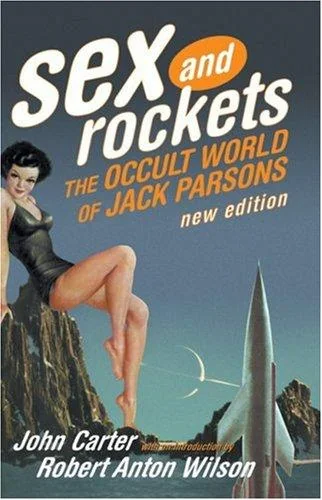
Sex and Rockets: The Occult World of Jack Parsons
Delve into the extraordinary, enigmatic life of John Whiteside "Jack" Parsons, a man who simultaneously pioneered rocket science and plunged into the depths of esoteric ritual. This biography illuminates Parsons' pivotal role in founding the Jet Propulsion Laboratory and developing groundbreaking rocket fuel for WWII, while also exposing his fervent dedication to Aleister Crowley's Thelema. From hosting science fiction luminaries to conducting "Babalon" rituals with L. Ron Hubbard, Parsons' existence was a volatile blend of genius and mysticism, culminating in a mysterious, fatal explosion that remains unexplained.


Praise for this book
“One of the best books of the year.”
📝 Description: Sex and Rockets: The Occult World of Jack Parsons
💎 Expert review
📖 Why choose it
Why this book is worth reading
Readers fascinated by the bizarre intersection of hard science and high magic will find this biography utterly compelling. If you are intrigued by figures who defied conventional boundaries, Jack Parsons offers a rare glimpse into a life where rocket fuel and ritual blood were mixed with equal fervor. This book is essential for those interested in the hidden history of the Jet Propulsion Laboratory or the tangible impact of Thelema on American esotericism. It appeals to anyone curious about how genius and mysticism can coexist in one volatile individual, providing a vivid portrait of a man who chased both stars and spiritual transcendence with dangerous dedication.
⭐ Reader reviews
Reader rating
This biography provides a thorough exploration of Parsons' dual legacy, balancing his scientific contributions at JPL with his esoteric activities. However, it may not suit readers seeking a purely technical manual on rocket engineering or those uncomfortable with explicit descriptions of ritual sex magic. It is also less ideal for purists who prefer Crowley's primary texts over secondary biographical analysis. While engaging, the narrative focuses heavily on the sensational aspects of his life, potentially overshadowing the rigorous scientific context for some audiences. Nevertheless, it remains a vital resource for understanding the specific cultural milieu that allowed such a unique figure to emerge.
❓ Frequently asked questions
📖 Who should read this
If you're drawn to the fringes where scientific innovation meets profound esoteric practice, or fascinated by complex, controversial figures who shaped the 20th century, this book offers an unparalleled journey into a truly unique mind.
🎯 Key themes and symbolism
Dual Genius & Contradiction
The book meticulously details Parsons' bifurcated existence: a scientific prodigy whose innovations were crucial for aeronautics and space travel, juxtaposed with his profound, often radical, immersion in occult practices. It explores how these seemingly disparate worlds converged and clashed within one brilliant, tormented individual, challenging conventional notions of genius.
Thelemic Sorcery & Babalon Working
Readers are taken deep into Parsons' commitment to Aleister Crowley's Thelema, particularly his audacious "Babalon Working" rituals. The book describes his ambition to manifest a new aeon through magic, including his controversial collaborations with L. Ron Hubbard, offering a rare glimpse into a potent, yet often misunderstood, magical current of the 20th century.
Enigmatic Demise & Legacy
The narrative culminates in the unresolved mystery of Parsons' sudden, violent death. Was it an accident, suicide, or something more sinister? The book scrutinizes the circumstances, leaving readers to ponder the true nature of his end and the lasting impact of his scientific and esoteric contributions on modern culture and technology.
📜 Historical context
📚 Glossary
- Thelema
- Babalon Working
- JPL
📔 Questions to reflect on
- How do you reconcile radical scientific innovation with deeply unconventional spiritual or occult belief systems?
- What are the ethical implications of using magical rituals to influence societal change, as Parsons attempted?
- Consider the concept of a 'tormented but glorious life.' How might this apply to other historical figures you know, and what does it reveal about the human condition?