Aleister Crowley's bibliography is vast and bewildering. He wrote grimoires, philosophical treatises, autobiographical novels, poetry, journals, and dense magical theory—often mixing all of them together. A reader searching for "Aleister Crowley books" might be looking for practical ritual instruction, or they might want to understand his philosophy, or they might simply want to know who he was. The problem is that many editions and collections blur these categories, leaving newcomers frustrated.
This guide separates Crowley's work into three clear buckets: practical magical instruction (grimoires and ritual systems), foundational philosophy and theory (the ideas behind his magic), and biographical or literary works (who he was and what he believed). We've focused on texts that actually deliver what their titles promise, and we've left out the redundant editions and secondary sources that clutter search results.
If you're serious about Crowley—whether as a practitioner, scholar, or curious reader—you need to know the difference. A book on Thoth tarot is not the same as a book on ceremonial magic, even though both are "Crowley." This guide will save you time and money.
Practical Grimoires and Ritual Instruction: The Working Texts
These books are designed to be used. They contain actual rituals, invocations, and step-by-step magical procedures. If you want to practice Crowley's system, start here.
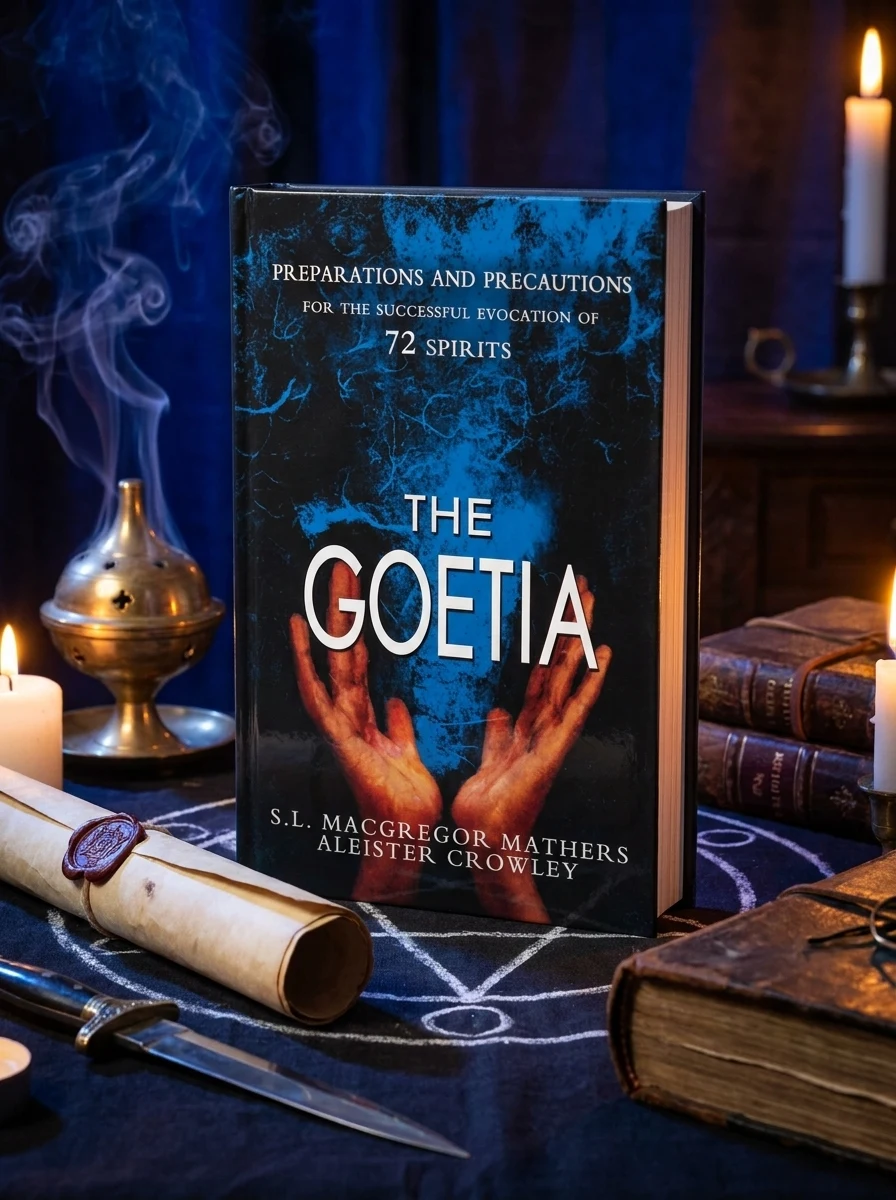
1. The Goetia — Aleister Crowley and S.L. MacGregor Mathers
The Goetia is the working grimoire—the Lesser Key of Solomon, edited and annotated by Crowley. It contains 72 spirits, their seals, their hours of operation, and the precise procedures for summoning them. This is not theory. It is a manual. If you want to understand how Crowley approached practical ceremonial magic, this is where to begin. The price is under $10, making it the most accessible entry point into his magical practice.
2. The Magical Books of Solomon: The Greater and Lesser Keys & The Testament of Solomon
This collection brings together three foundational grimoires in one volume. The Greater Key and Lesser Key are the core texts of Western ceremonial magic; the Testament adds another layer of angelic and demonic lore. Crowley's editions include his commentary and practical notes. This is the complete grimoire toolkit, under $20.
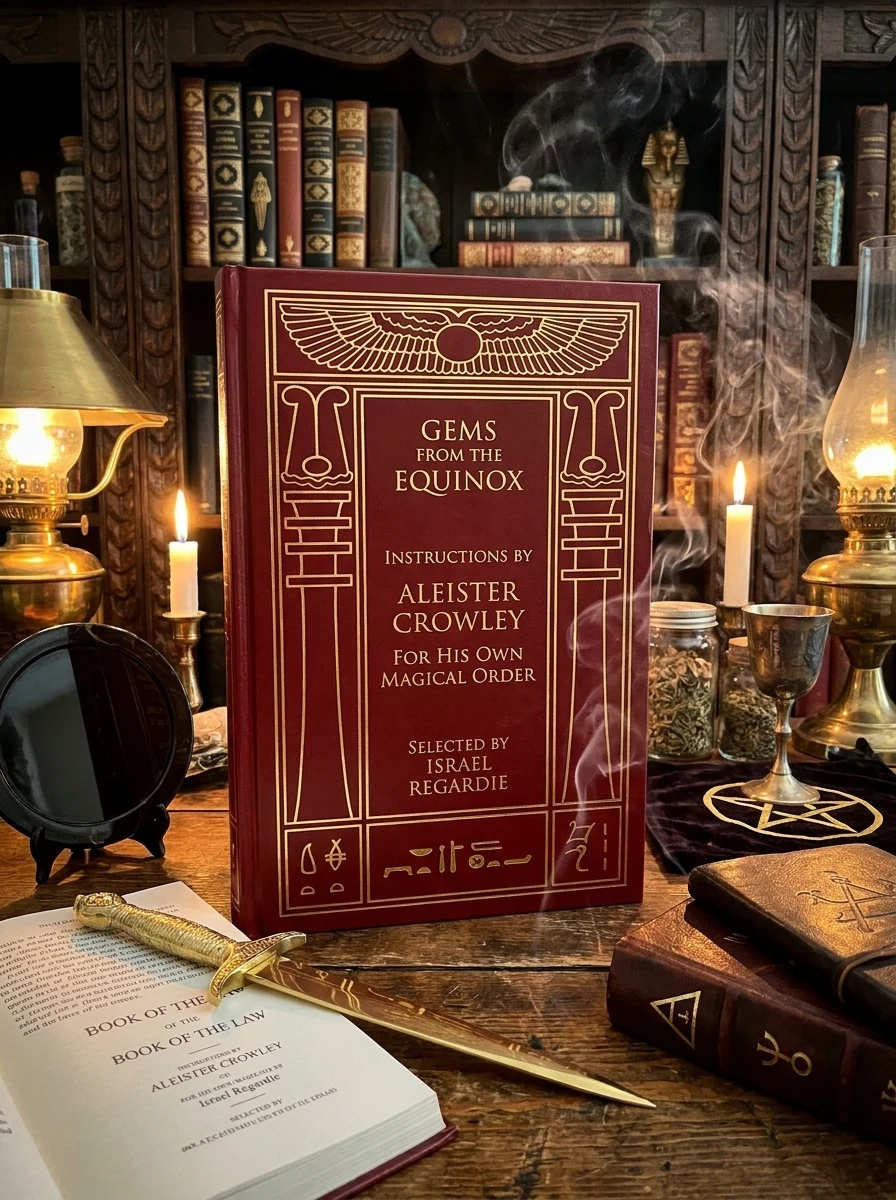
3. Gems from the Equinox: Instructions by Aleister Crowley for His Own Magical Order
Gems from the Equinox, edited by Israel Regardie, is a compendium of Crowley's actual instructional material from his magical order. These are the lessons he wrote for his students—not autobiography, not philosophy, but direct teaching on ritual, visualization, and magical technique. If you want to know how Crowley trained practitioners, this is the primary source. It is more expensive (around $64) but essential for serious students.
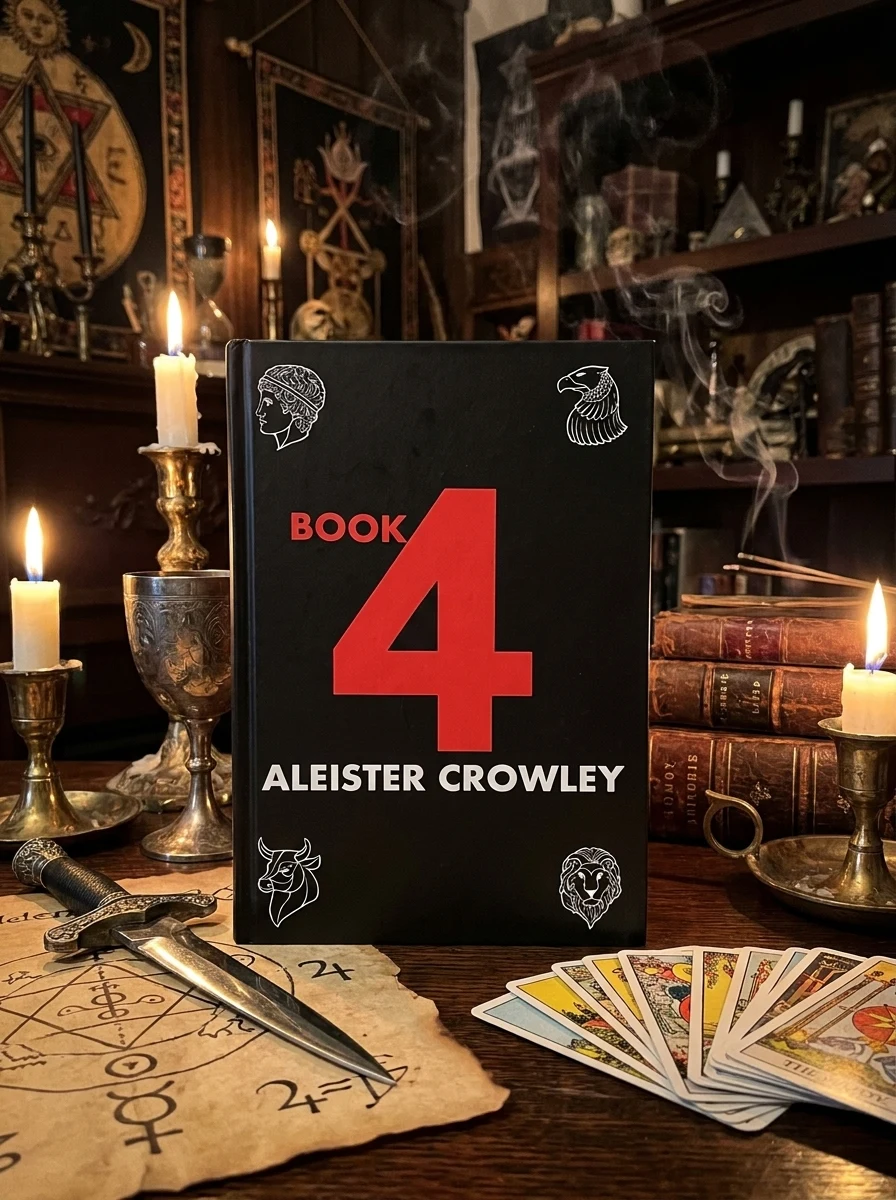
4. Book 4 — Aleister Crowley
Book 4 is Crowley's foundational manual on ceremonial magic. It covers the theory and practice of ritual in clear, systematic language—more accessible than his denser works, but still rigorous. It explains the mechanics of how magic works according to Crowley's system, with practical exercises. Under $20, it serves as a bridge between grimoire work and deeper magical philosophy.
Foundational Philosophy and Theory: Understanding the System
These texts explain Crowley's magical philosophy and the ideas underlying his practice. They are not instruction manuals, but they are essential for understanding why he did what he did.
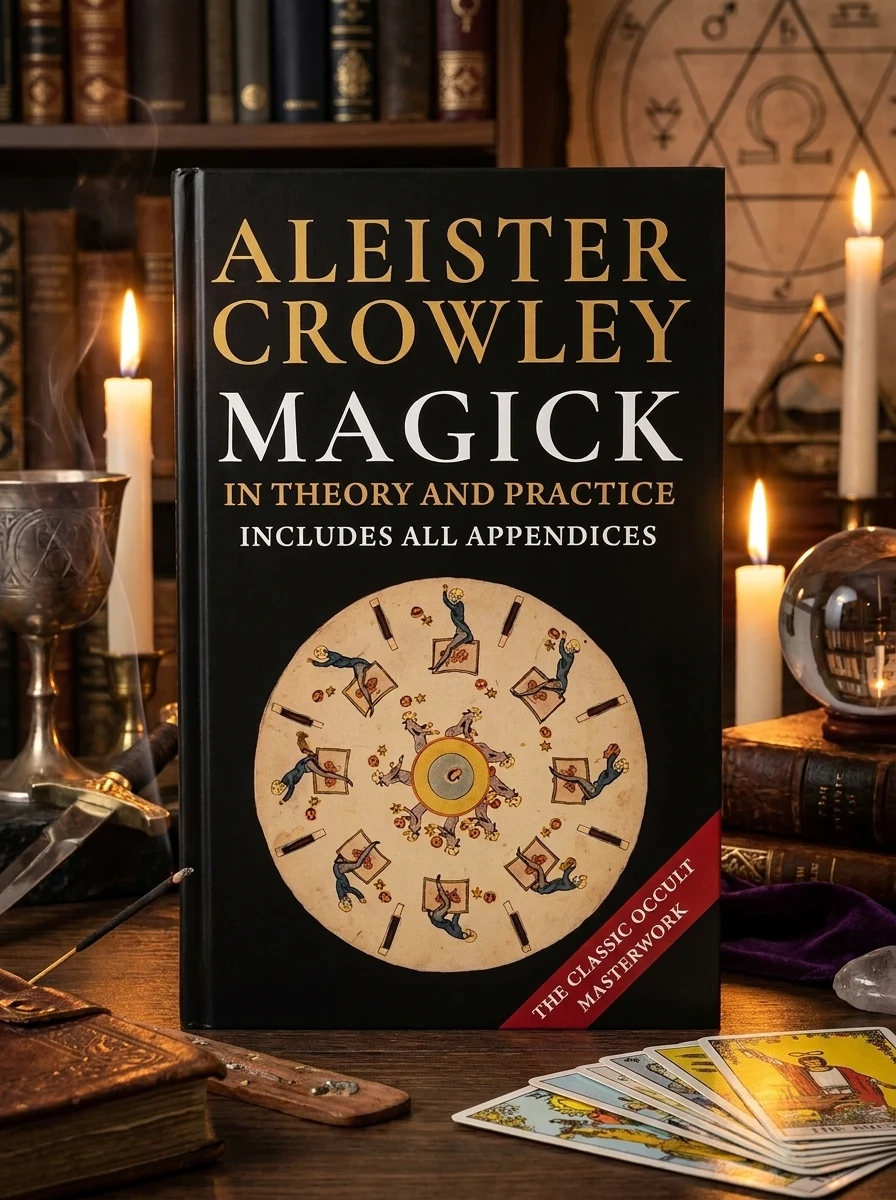
5. Magick in Theory and Practice — Aleister Crowley
Magick in Theory and Practice is Crowley's masterwork on magical philosophy. It is dense, ambitious, and foundational to modern occultism. The book covers the nature of magic, the structure of the universe according to Hermetic philosophy, and the role of the magician. It is not a how-to guide; it is a why guide. Multiple editions exist at different price points ($20–$25). This is the text that shapes how contemporary magicians think about their craft.
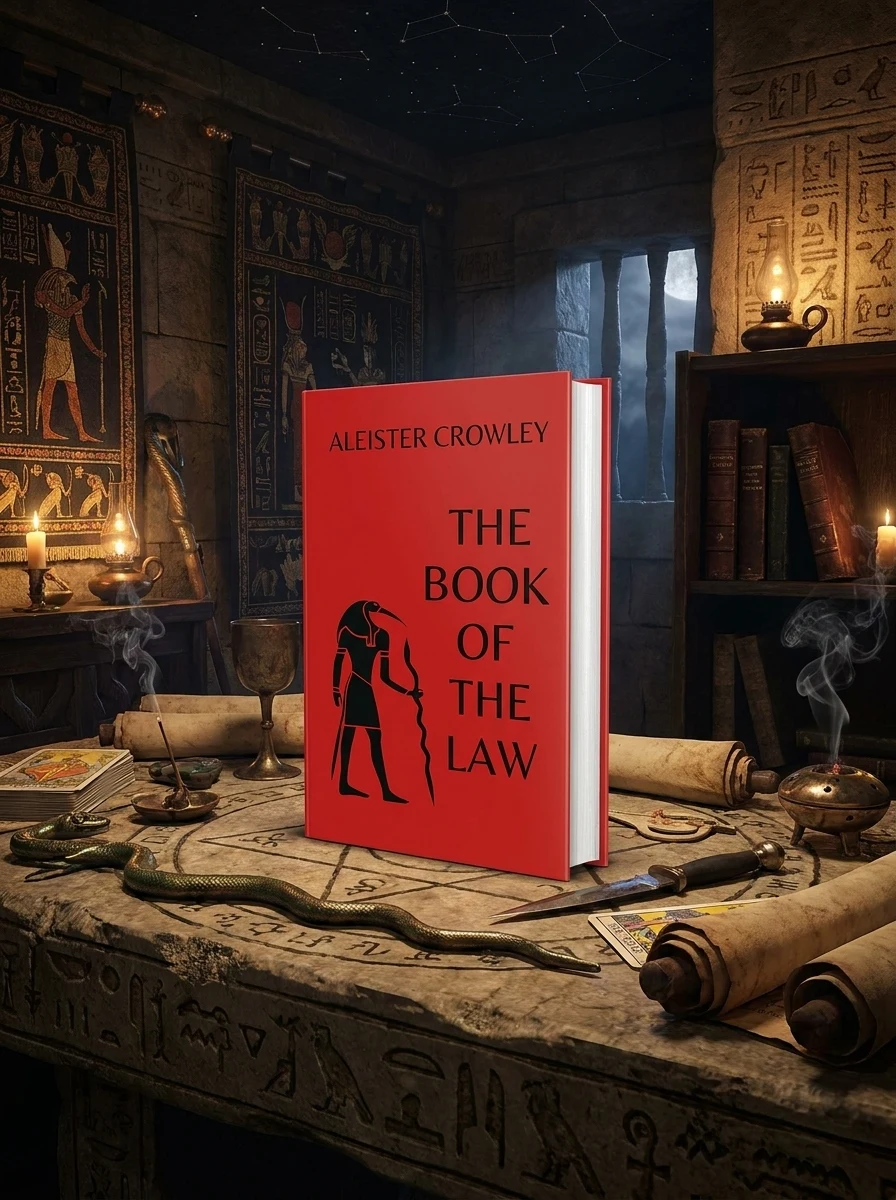
6. The Book of the Law — Aleister Crowley
The Book of the Law (Liber AL vel Legis) is the sacred text of Thelema, Crowley's spiritual philosophy. It is short, cryptic, and revolutionary. "Do what thou wilt shall be the whole of the Law" is the core principle. This book is not about magic technique; it is about the spiritual and ethical framework that Crowley believed should guide magical practice and life itself. Under $15 for most editions, it is the philosophical foundation of everything Crowley wrote. Many readers find it bewildering on first reading—that is intentional.
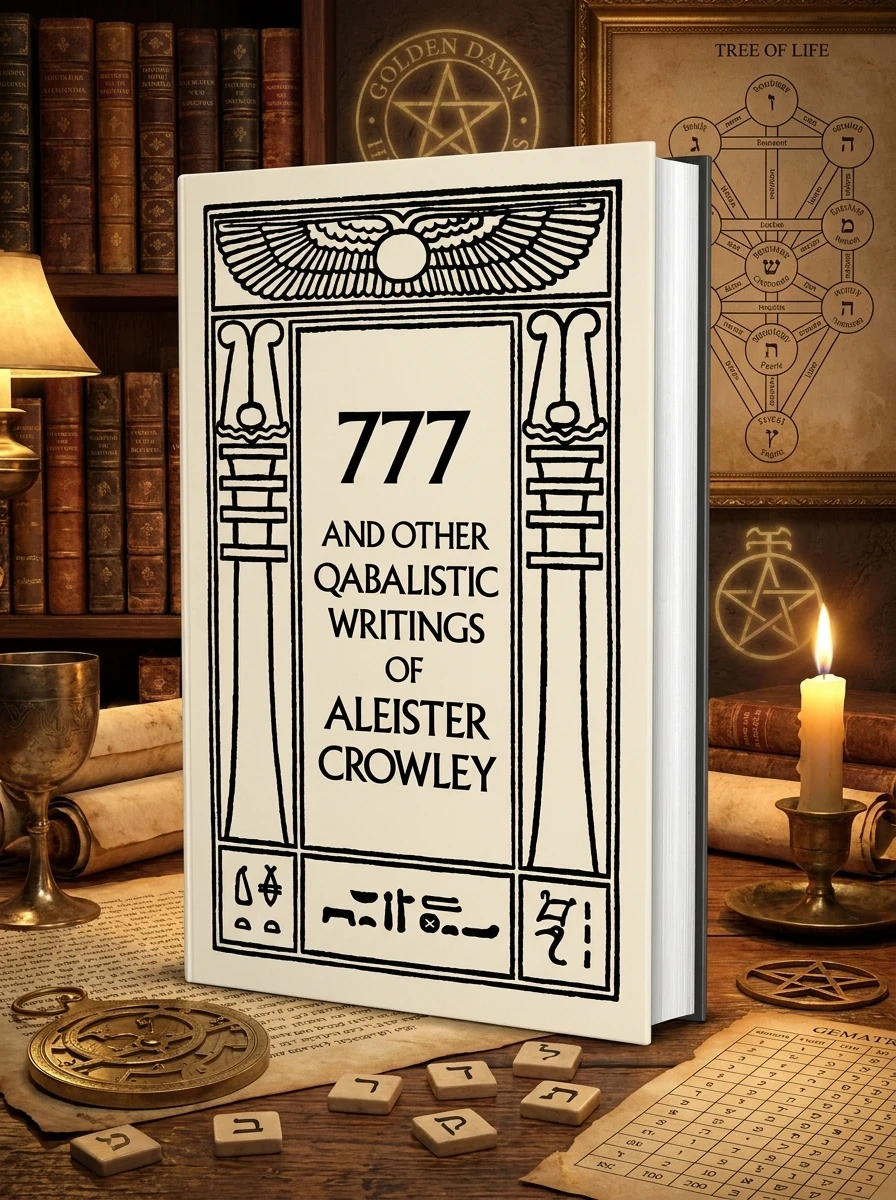
7. 777 & Other Qabalistic Writings of Aleister Crowley — Aleister Crowley
777 is a reference table and philosophical commentary on the Qabalah, the Jewish mystical system that Crowley integrated into Western magic. It is not a narrative text; it is a map. If you want to understand how Crowley connected tarot, astrology, Hebrew letters, and the Tree of Life into a unified magical system, this is where that connection is made explicit. Around $28, it is dense but invaluable for serious students.
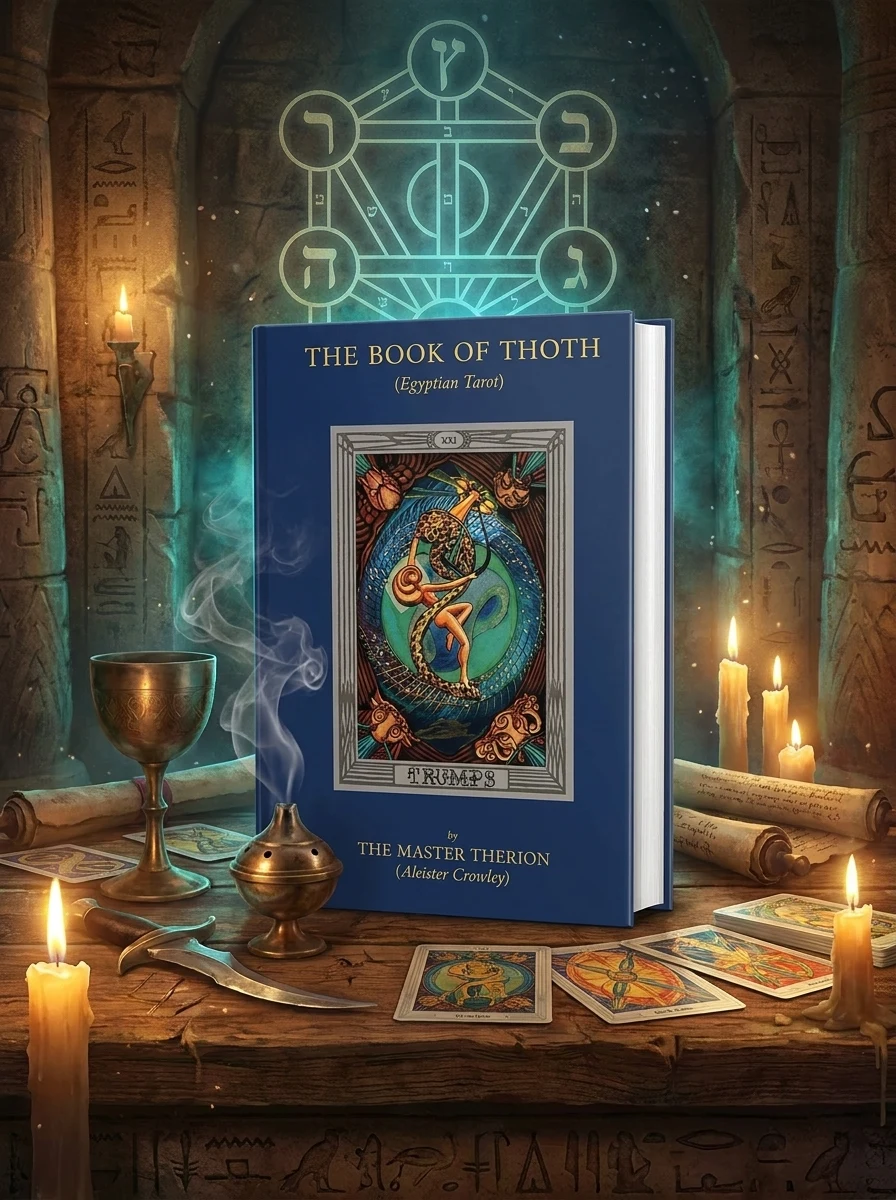
8. The Book of Thoth: (Egyptian Tarot) — Aleister Crowley
The Book of Thoth is Crowley's philosophical and practical guide to his tarot deck (the Thoth Tarot). It is part tarot instruction, part mystical philosophy, part magical theory. If you work with the Thoth deck or want to understand how Crowley synthesized Egyptian symbolism, astrology, and Qabalah into a single divination system, this is essential. Around $25, it bridges practical divination and esoteric philosophy. The work demonstrates how Crowley applied his understanding of Thoth, the Egyptian god of wisdom and magic, to modern occult practice.
Autobiography, Philosophy, and Literary Works: Who He Was
These texts reveal Crowley's life, his ideas about society and spirituality, and his personality. They are not instruction manuals, but they illuminate the man behind the magic.
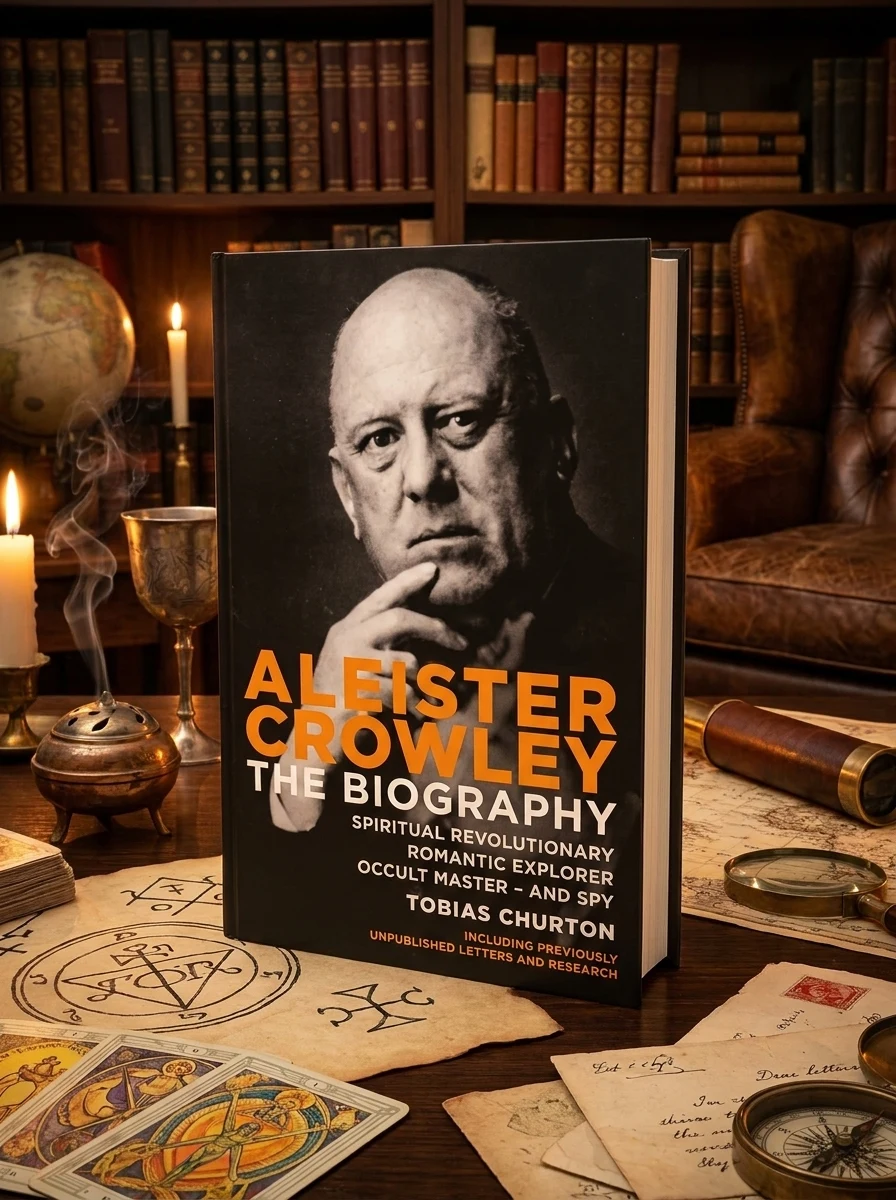
9. Aleister Crowley: The Biography — Tobias Churton
Churton's biography is the most readable, scholarly account of Crowley's life. It avoids sensationalism without avoiding controversy. If you want to understand who Crowley was—his relationships, his political views, his spiritual evolution, his genuine contributions to occultism—this is the definitive modern biography. Around $30, it is written for intelligent readers who want facts, not mythology. This is where to start if you want context before diving into his own writings.
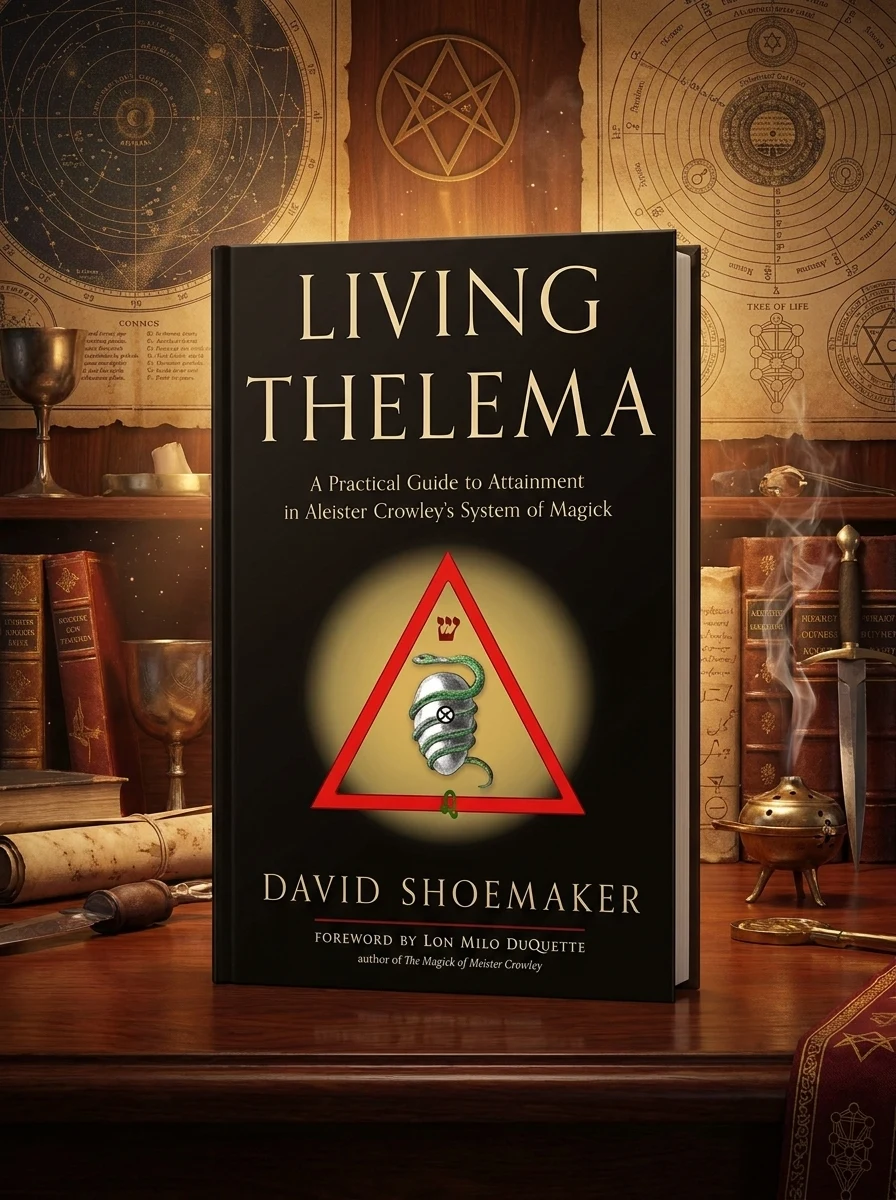
10. Living Thelema: A Practical Guide to Attainment in Aleister Crowley's System of Magick — David Shoemaker
Living Thelema translates Crowley's dense theoretical system into accessible, step-by-step practice. Shoemaker takes the philosophy of Thelema and shows how to apply it to actual magical work and spiritual development. At around $19, this is ideal for practitioners who find Crowley's original texts overwhelming but want to work within his framework. It bridges the gap between theory and practice without oversimplifying.
How to Choose Your Path
Your reading order depends on what you actually want from Crowley:
- If you want to practice his magic: Start with The Goetia or Book 4, then move to Gems from the Equinox as you deepen your practice.
- If you want to understand his philosophy: Begin with The Book of the Law (it is short), then read Magick in Theory and Practice for the full system.
- If you want to know who he was: Start with Churton's biography, then read his own works with better context.
- If you work with tarot: The Book of Thoth is essential if you use the Thoth deck; 777 provides the underlying symbolic system.
- If you want practical guidance without overwhelming theory: Living Thelema offers a modern, accessible path through Crowley's system.
Do not try to read everything at once. Crowley is dense, sometimes contradictory, and often deliberately obscure. A single focused text—whether a grimoire, a philosophical treatise, or a biography—will teach you more than skimming five. Choose based on your actual need, not on completeness. The catalog above represents the core works that deliver what they promise. Everything else is either redundant, secondary, or a distraction from the real material.