The Book of the Law
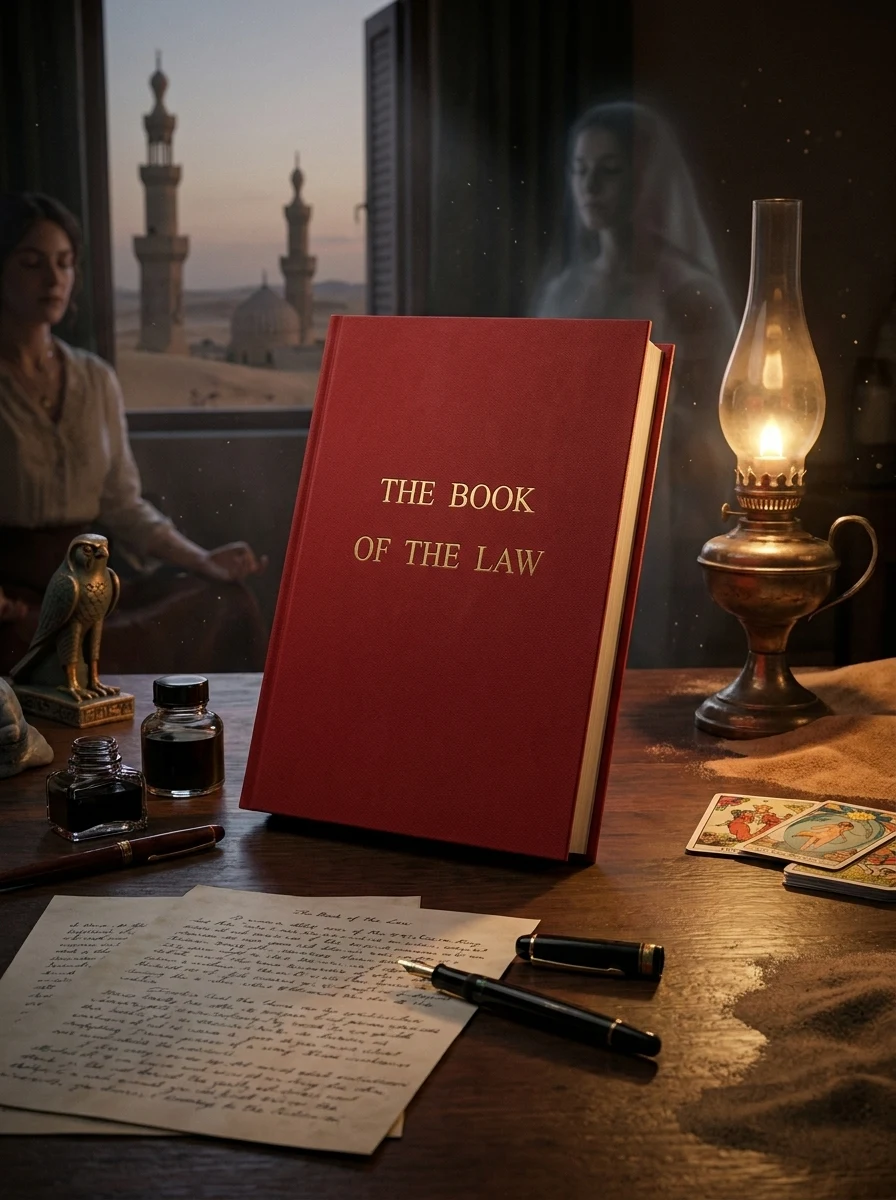
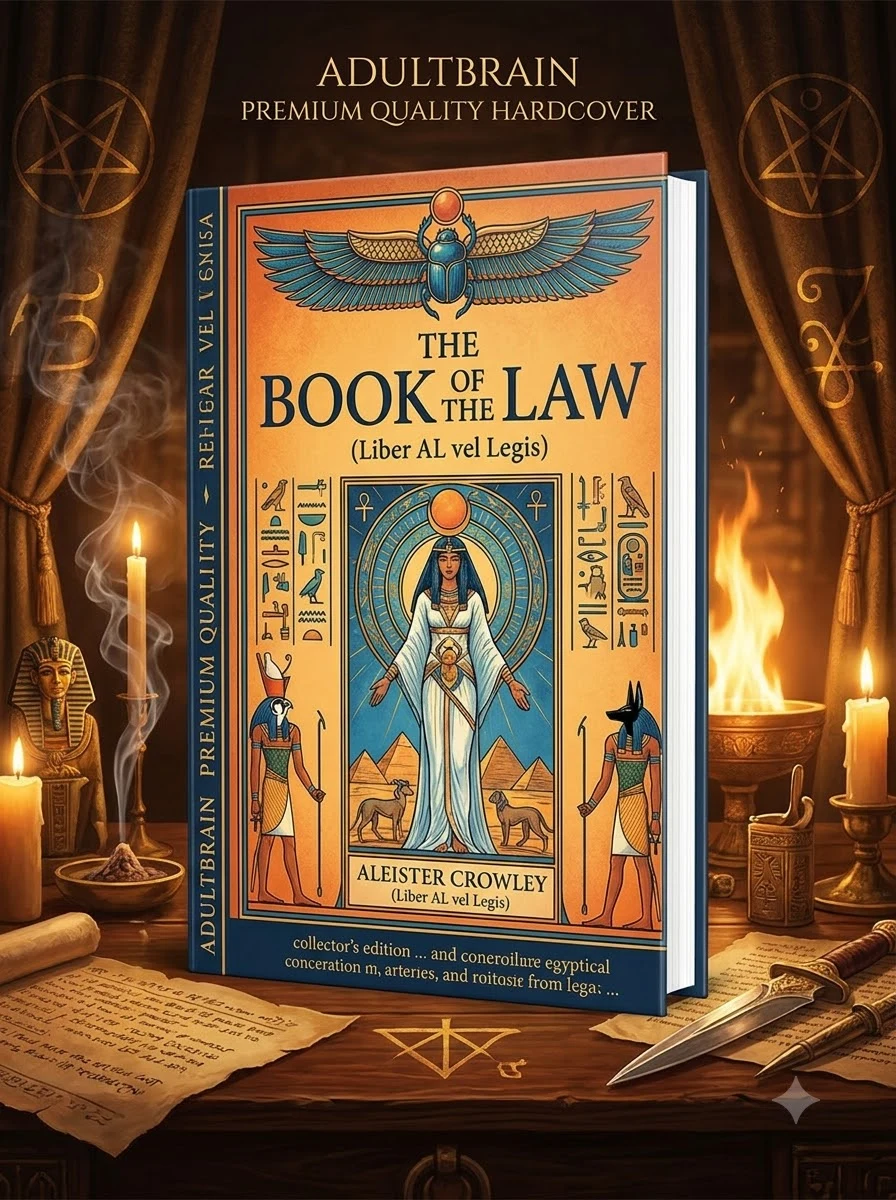
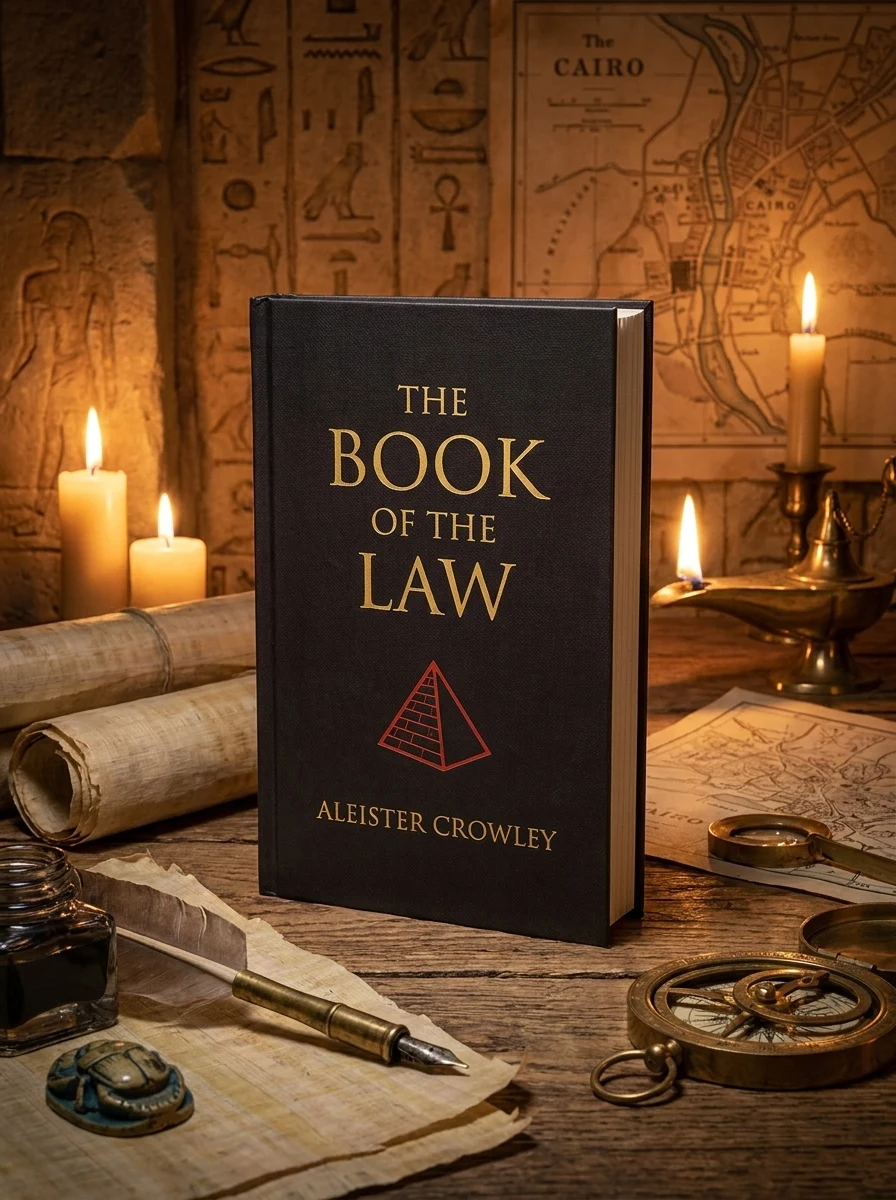
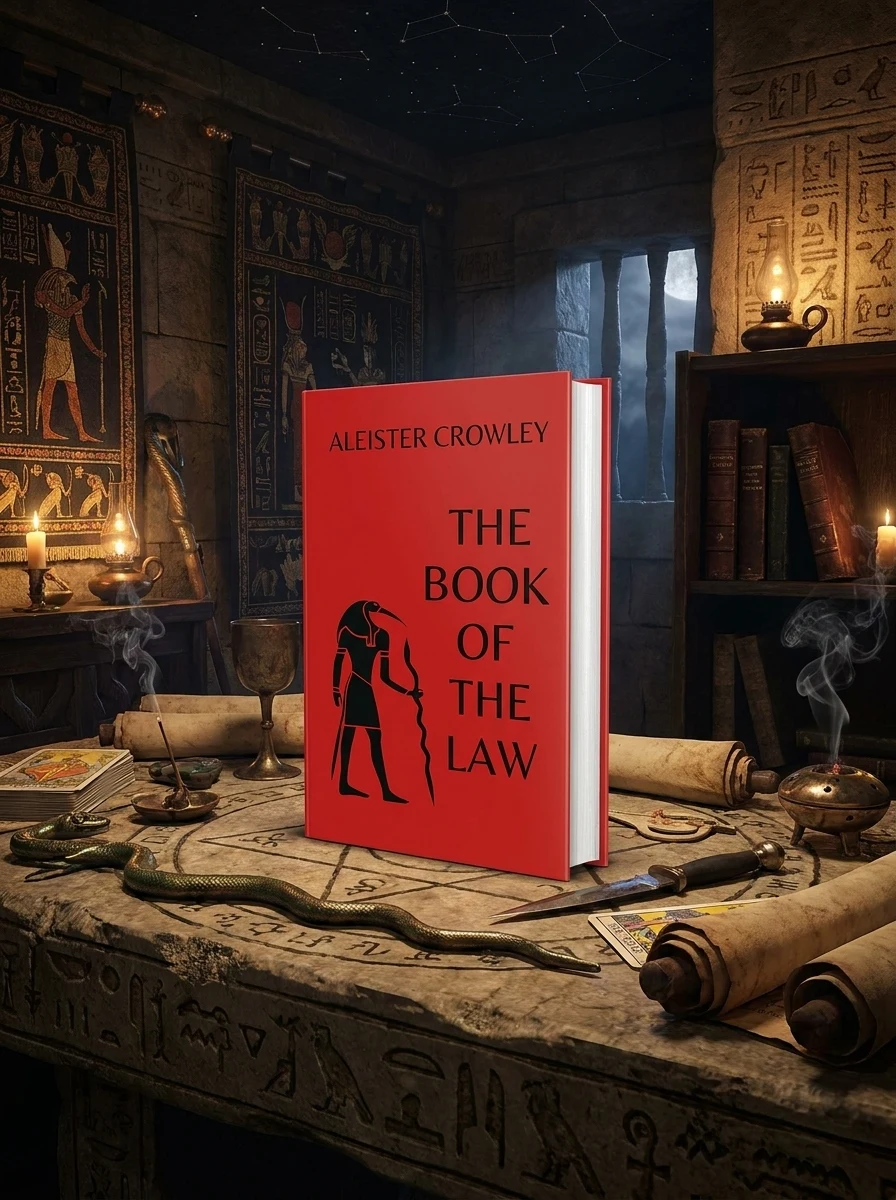
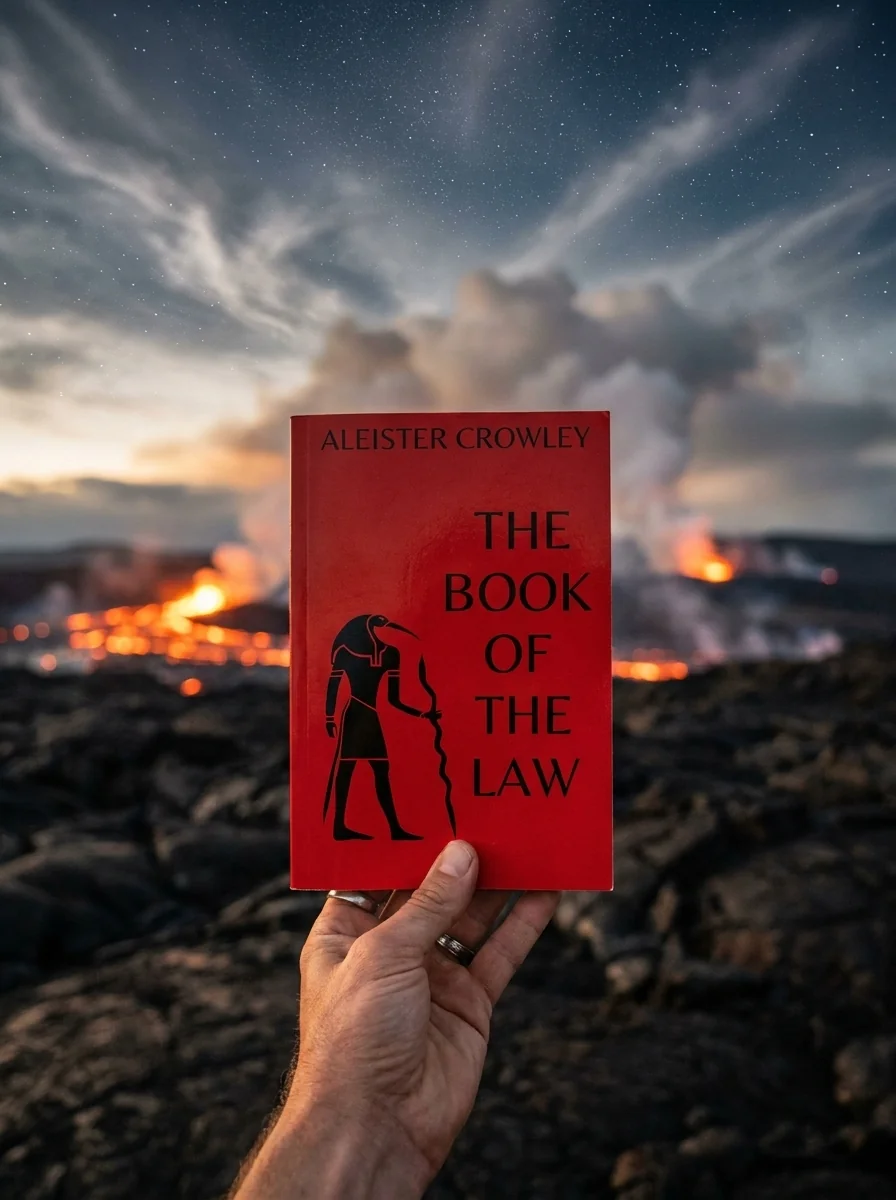
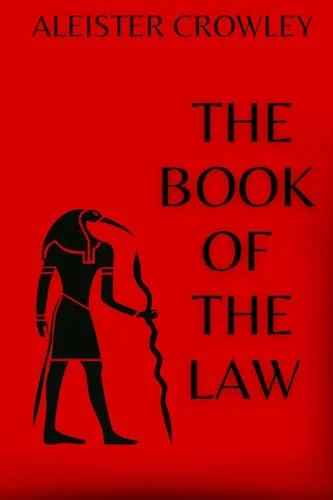
✍️ Crowley, AleisterThis edition presents Aleister Crowley's foundational manifesto, written under spiritual dictation in 1904. It centers on the philosophy of Thelema, asserting that personal will serves as the primary law of existence. Through poetic language, cryptic verses, and intricate symbolism, the text redefines concepts of morality and spiritual purpose. The publication provides background information through an introductory guide and annotations. These supplementary materials explain the primary themes for readers examining occultism and magick studies. Measuring under a quarter-centimeter thick, this compact volume delivers the complete core revelation of Crowley's central philosophical work.


📝 Description: The Book of the Law
💎 Expert review
📖 Why choose it
Why this book is worth reading
Readers drawn to radical self-discovery and the evolution of consciousness will find this text profoundly compelling. It offers a unique framework for absolute self-realization, urging individuals to embrace personal sovereignty above all else. Those interested in revolutionary spiritual manifestos or the redefinition of moral paradigms will appreciate its provocative stance on primal will. The work challenges conventional thinking, providing a poetic yet enigmatic exploration of human potential. It is ideal for seekers willing to engage with non-human intelligence concepts and those eager to dismantle traditional spiritual structures in favor of a more autonomous path toward enlightenment.
⭐ Reader reviews
Reader rating
This manifesto delivers a potent challenge to established moral norms, championing the dictum that one’s true will constitutes the entirety of the law. Its poetic prose and enigmatic verses create a dense, immersive experience for the dedicated occultist. However, readers seeking straightforward religious guidance or conventional ethical frameworks will likely find its radical individualism alienating and confusing. It is not suitable for those who prefer clear, dogmatic instruction or who are uncomfortable with the concept of non-human dictation. The text demands active intellectual engagement and a willingness to confront unsettling spiritual redefinitions, making it a niche but essential read for serious esoteric students.
❓ Frequently asked questions
📖 Who should read this
If you are a seeker unafraid to question dogma and carve your own spiritual path, this book is for you. It challenges preconceptions and demands introspection, offering profound insights into personal liberty and the nature of existence for the truly adventurous spirit.
🎯 Key themes and symbolism
Individual Will & Freedom
At its core, this text champions the absolute sovereignty of the individual. It proposes that true spiritual and personal fulfillment arises from discovering and acting upon one's unique purpose or "True Will," unburdened by conventional societal or religious constraints. This radical emphasis on self-determination forms the bedrock of its philosophy.
Divine Dictation & Revelation
Crowley asserted this work was not his own composition but directly channeled from a preternatural entity named Aiwass. This claim to divine or extra-dimensional dictation lends the text an aura of profound mystery and authority, positioning it as a direct message for a new aeon of human spiritual development.
Challenging Morality
The book boldly confronts established ethical frameworks, suggesting that traditional concepts of good and evil are relative and often restrictive. It advocates for a morality rooted in individual will and cosmic law, urging readers to transcend conventional dualities and embrace a more fluid, personal understanding of right action.
📜 Historical context
📚 Glossary
- Thelema
- Magick
- Aiwass
📔 Questions to reflect on
- How does the concept of "True Will" resonate with your personal understanding of purpose and freedom?
- In what ways might conventional moral codes hinder or support the discovery of your authentic self?
- Consider a situation where you acted solely based on your inner conviction, disregarding external expectations. What was the outcome?