When most people hear "Thelema," they think of Aleister Crowley—the sensationalized figure, the scandal, the mythology. But Thelema itself is something different: a living magical philosophy built on the principle of individual will and the famous maxim "Do what thou wilt shall be the whole of the Law." The philosophy has outlasted its founder, evolved beyond him, and attracted serious practitioners, scholars, and artists who engage with its ideas on their own terms.
If you're drawn to Thelema but tired of the Crowley circus—or if you want to understand the doctrine itself without getting lost in biography and scandal—this guide offers a different path. We've organized twelve essential books into four categories: the foundational texts you need to read, the practical grimoires for actual work, the contemporary voices reshaping the tradition, and the rigorous scholarship that separates myth from history.
The goal is simple: help you find the books that match where you are in your practice, whether you're a complete beginner, a working magician, or someone seeking to understand Thelema's place in Western esotericism.
The Core Texts: What Every Thelemite Should Read
You cannot engage seriously with Thelema without encountering its foundational documents. These are the texts that define the tradition—not as history, but as living doctrine.
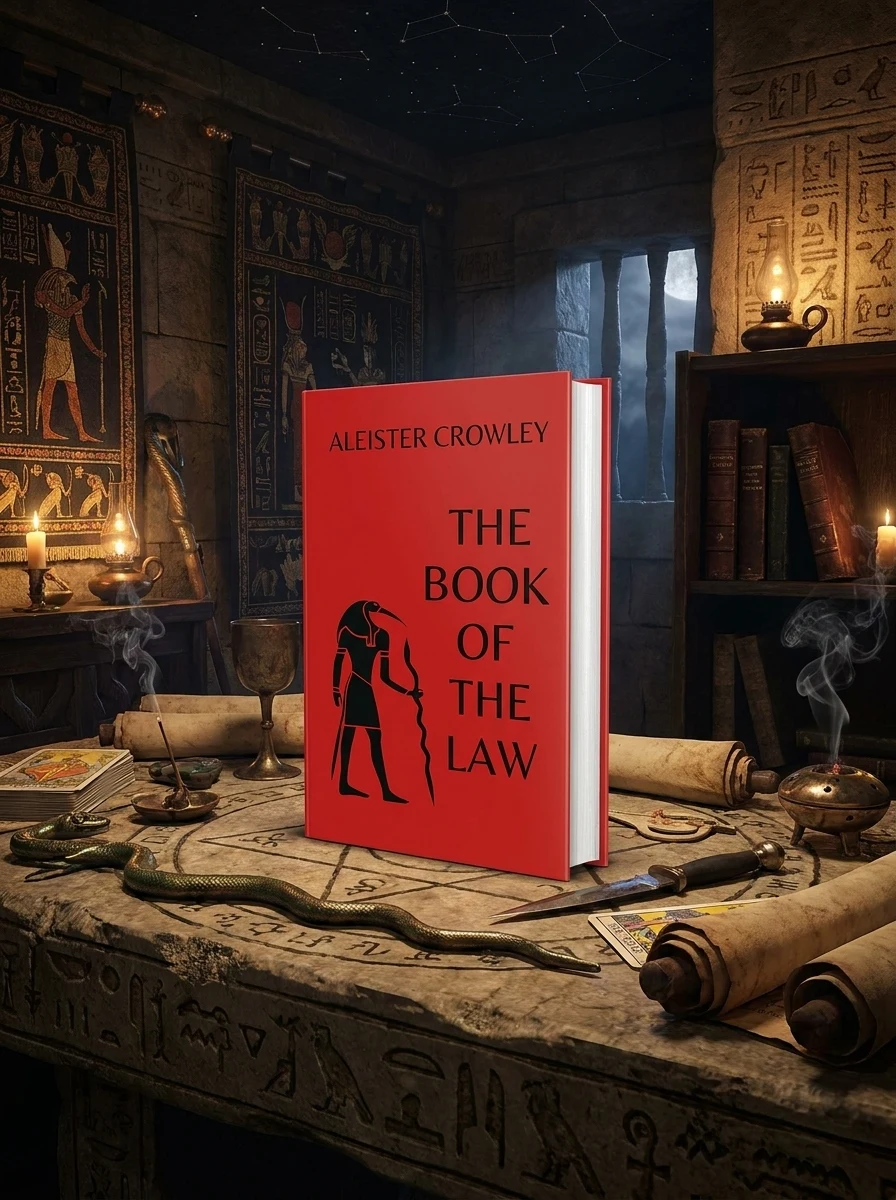
1. The Book of the Law — Aleister Crowley
The Book of the Law is the scripture of Thelema. Received (or written—the debate continues) in 1904, this short, cryptic text is the philosophical core from which everything else flows. It's not an easy read. The language is archaic and deliberately obscure, the imagery is provocative, and the meaning shifts depending on how you approach it. But that's precisely the point: it demands active interpretation rather than passive acceptance. If you're serious about understanding Thelema, you need to sit with this text, read it multiple times, and let it work on you. Available in several editions, including a pocket version under $15 for portability.
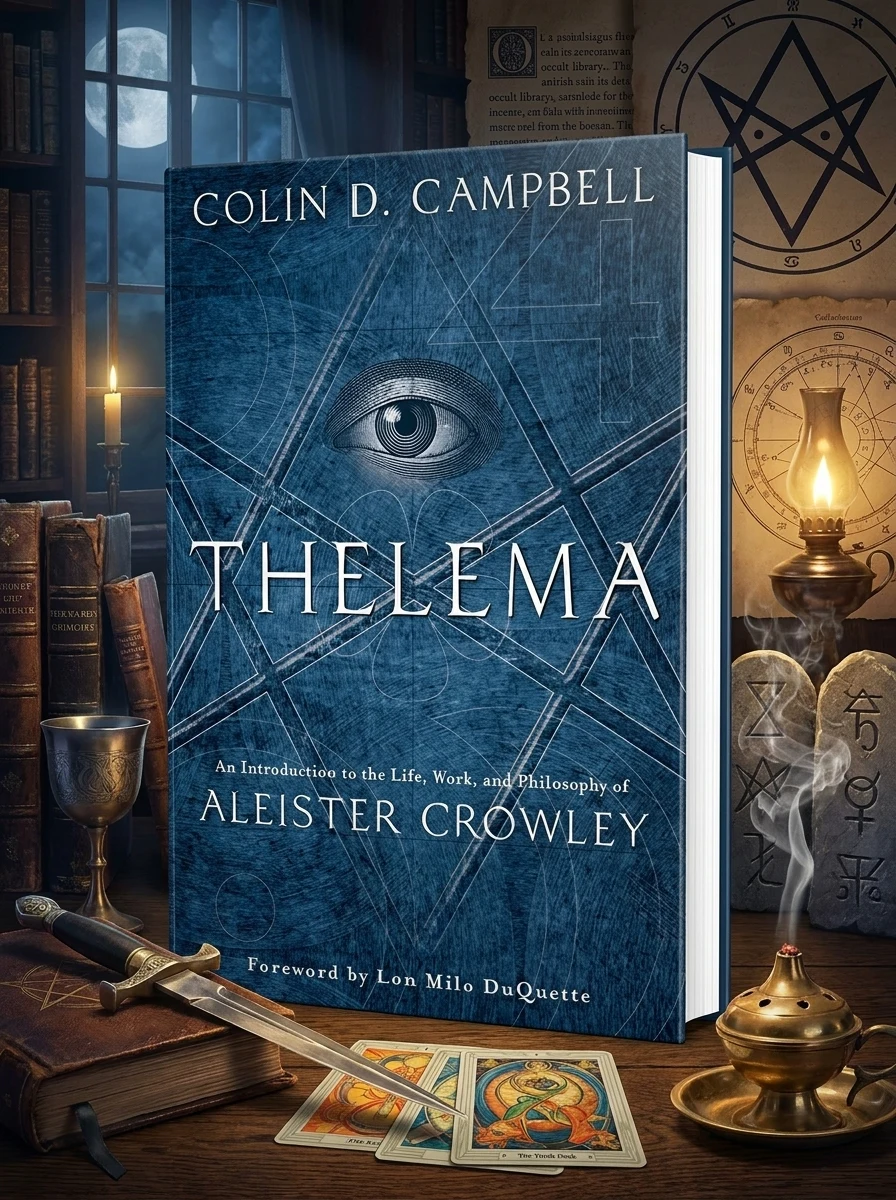
2. Thelema: An Introduction to the Life, Work & Philosophy of Aleister Crowley — Colin D. Campbell
Campbell's introduction does something rare: it treats Thelema as a coherent philosophy rather than a biographical footnote. This is the book to read first if you want context without getting bogged down in Crowley's personal drama. Campbell walks you through the core ideas—the nature of will, the rejection of conventional morality, the role of the individual in spiritual practice—and shows how they connect to Western esoteric tradition. It's accessible, under $20, and genuinely useful as a foundation.
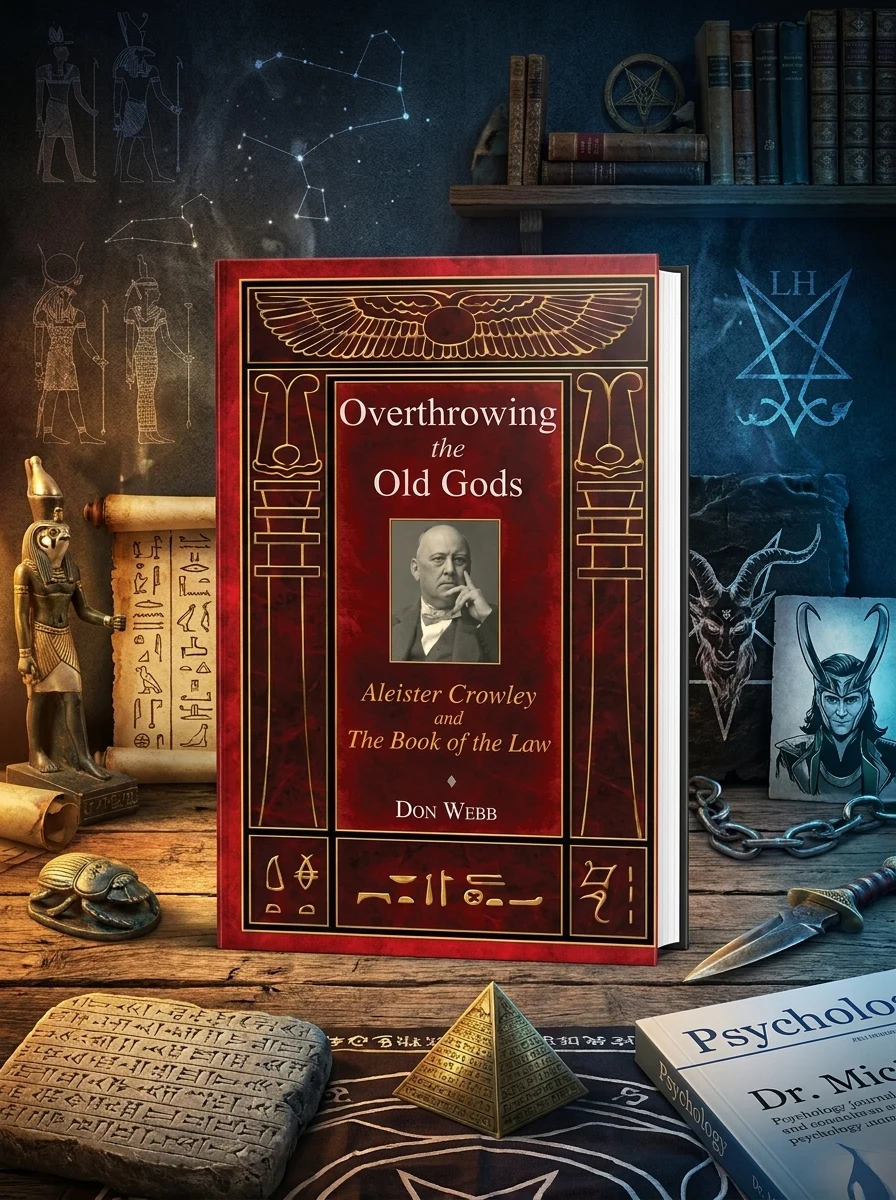
3. Overthrowing the Old Gods: Aleister Crowley and the Book of the Law — Don Webb
Webb's analysis goes deeper. He examines how The Book of the Law functions as a radical rejection of Judeo-Christian morality and explores what that rejection actually means for a practitioner. This is for readers ready to engage with Thelema's genuinely transgressive elements—not as shock value, but as philosophical substance. Webb doesn't sanitize the tradition; he contextualizes it. Under $20.
Practical Grimoires: Working with Thelemic Magic
Understanding Thelema intellectually is one thing. Practicing it is another. These books bridge the gap between philosophy and actual magical work.
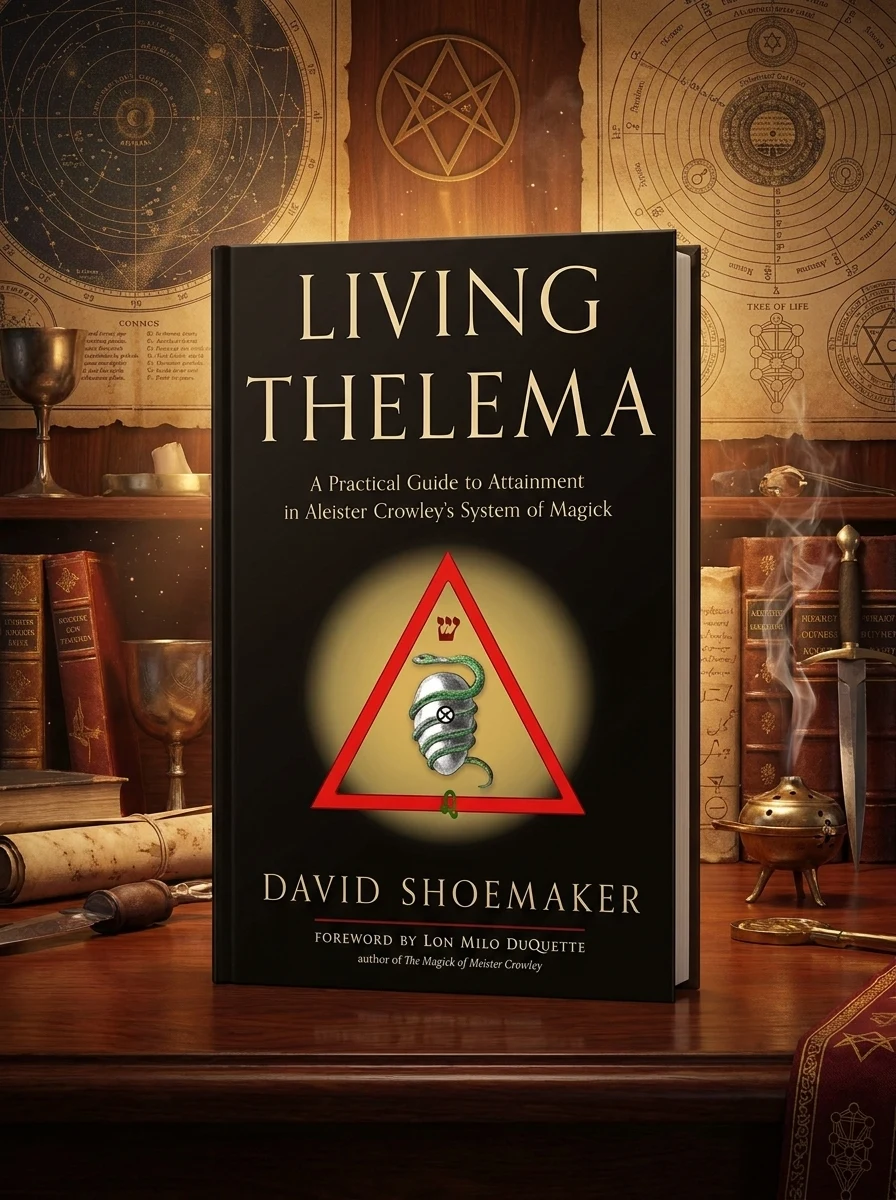
4. Living Thelema: A Practical Guide to Attainment in Aleister Crowley's System of Magick — David Shoemaker
Shoemaker's guide is exactly what its title promises: a manual for practitioners. If you've read The Book of the Law and thought "now what?" this is your answer. Shoemaker breaks down Thelemic practice into digestible steps, explains the structure of Crowley's magical system without requiring you to wade through dense ceremonial texts, and offers genuine guidance for different levels of experience. This is the book that transforms philosophy into praxis. Under $20.
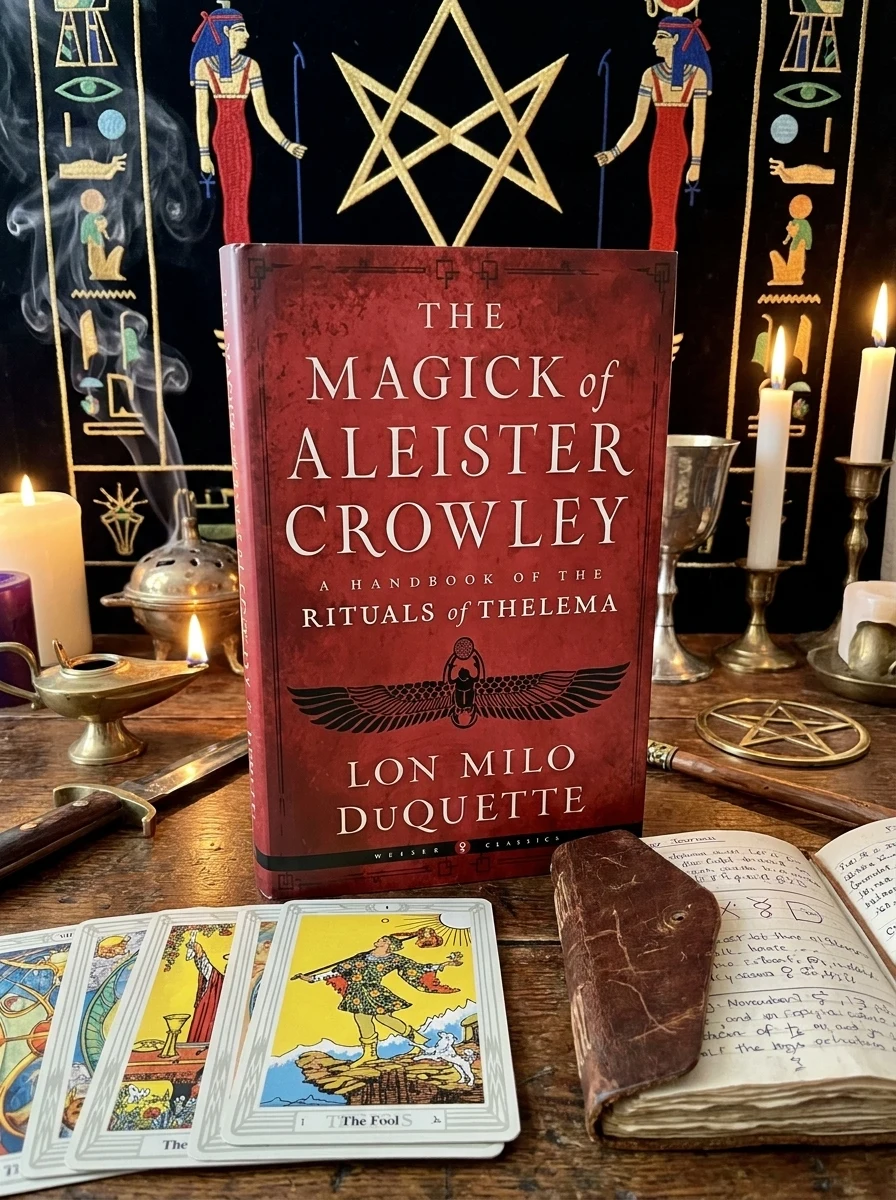
5. The Magick of Aleister Crowley: A Handbook of the Rituals of Thelema — Lon Milo DuQuette
DuQuette's handbook is for practitioners ready to engage with actual ritual work. He takes Crowley's often-cryptic instructions and translates them into workable ceremonies. DuQuette has a gift for making complex material accessible without dumbing it down. If you want to understand how Thelemic ritual functions—the symbolism, the structure, the intent—this is the clearest guide available. Around $20.
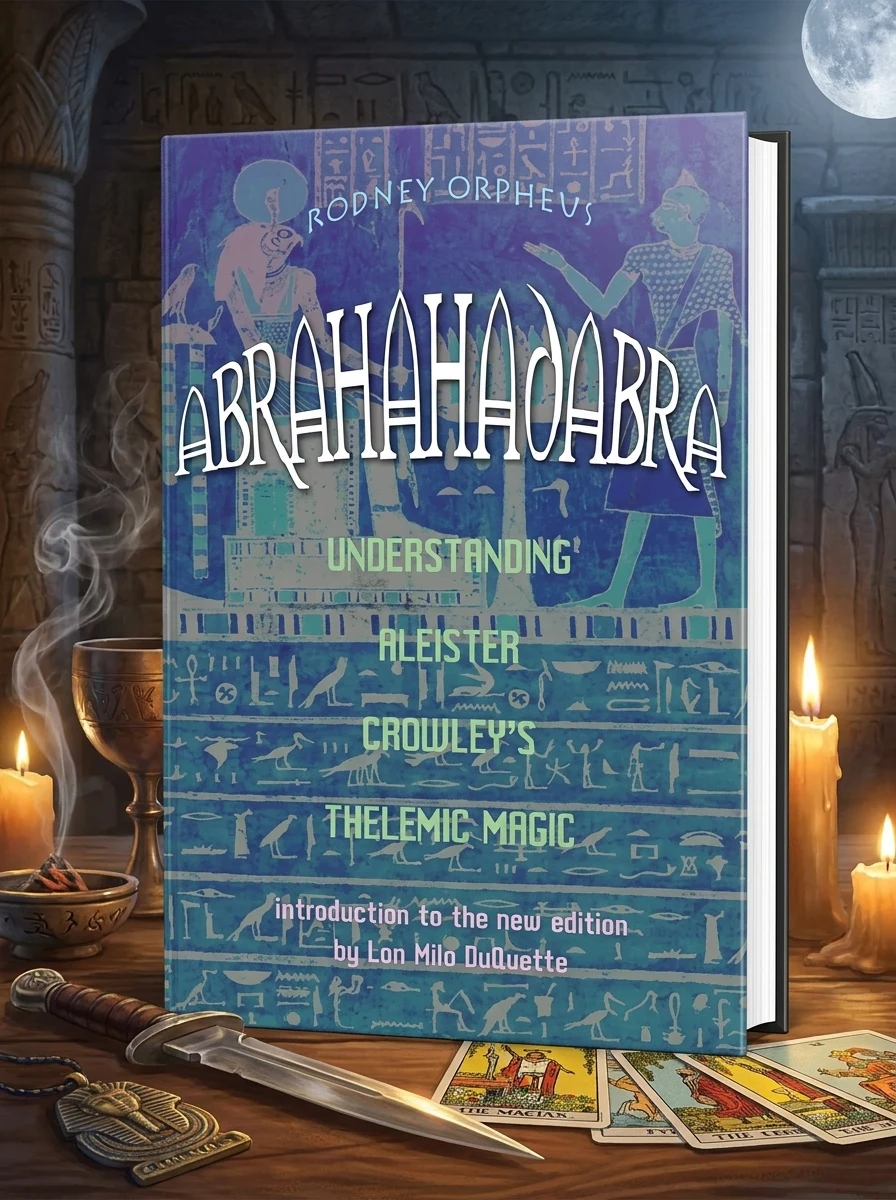
6. Abrahadabra: Understanding Aleister Crowley's Thelemic Magic — Rodney Orpheus and Lon Milo DuQuette
This collaboration between Orpheus and DuQuette offers something between a primer and an extended exploration. It examines the magical theory underlying Thelemic practice—the symbolism, the correspondences, the psychological dimensions. If you've done some basic reading and want to understand the why behind the practices, not just the how, this book rewards careful study. Under $20.
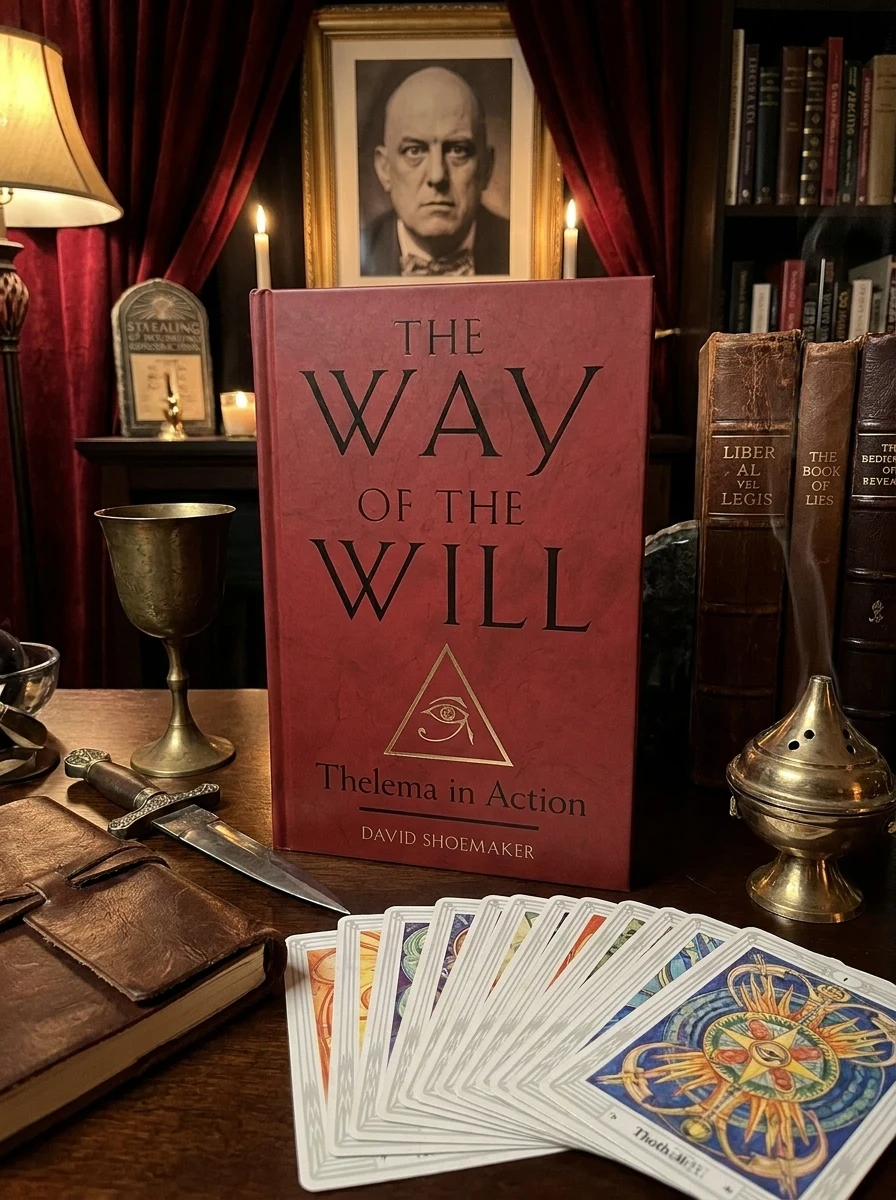
7. The Way of the Will: Thelema in Action — David Shoemaker
Shoemaker returns with a focus on how Thelemic philosophy translates into lived experience. This is less about ritual and more about integrating the principle of will into daily practice—understanding your true will, aligning your actions with it, and navigating the ethical complexities that arise. It's philosophical but grounded, theoretical but practical. Under $20.
Contemporary Voices: Thelema Beyond the Founder
Thelema is not a dead tradition preserved in amber. Living practitioners and artists continue to reshape and reinterpret it. These books show what the philosophy looks like in contemporary hands.
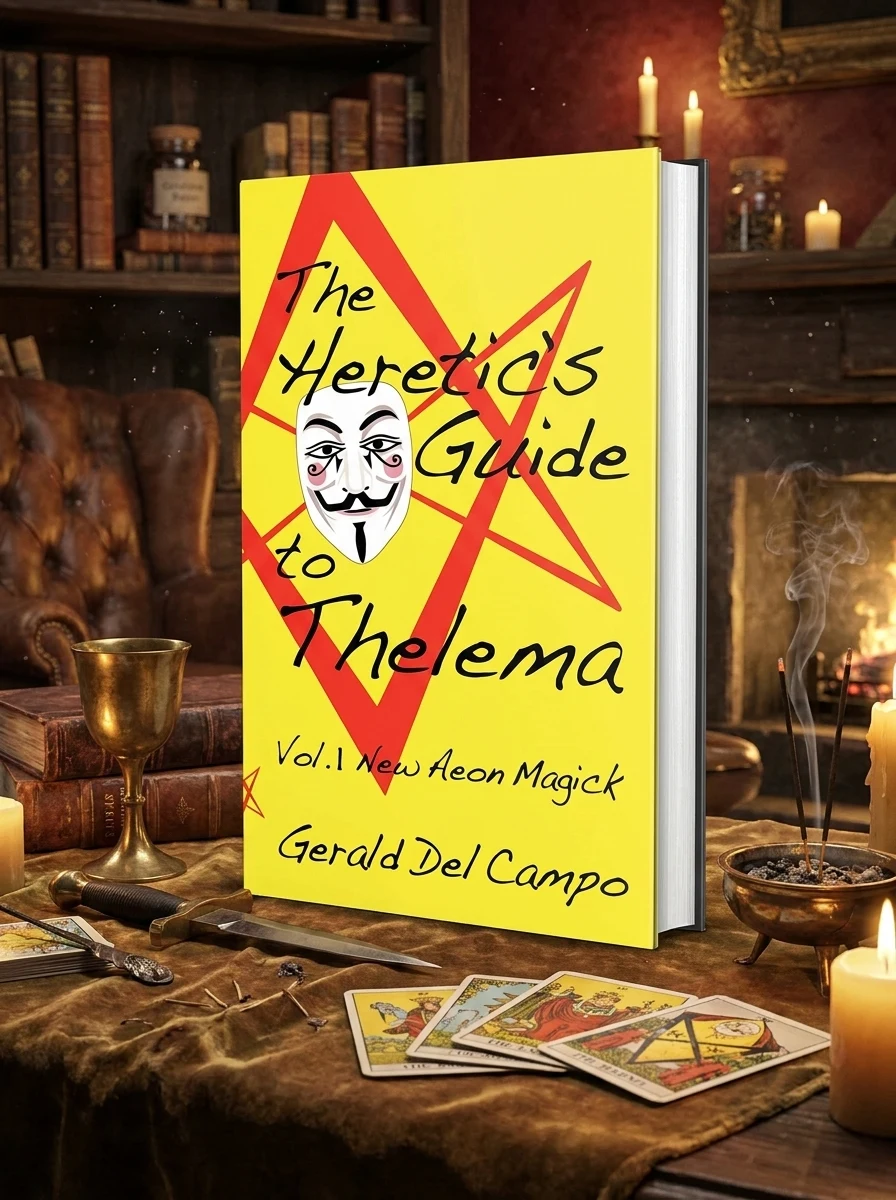
8. The Heretic's Guide to Thelema Volume 1: New Aeon Magick — Gerald Enrique Del Campo
Del Campo's work is essential for anyone tired of treating Crowley as scripture. He brings a critical, creative eye to Thelemic practice—questioning assumptions, proposing new approaches, and showing how the philosophy can evolve. This is for practitioners ready to think for themselves rather than simply follow inherited forms. Around $20.
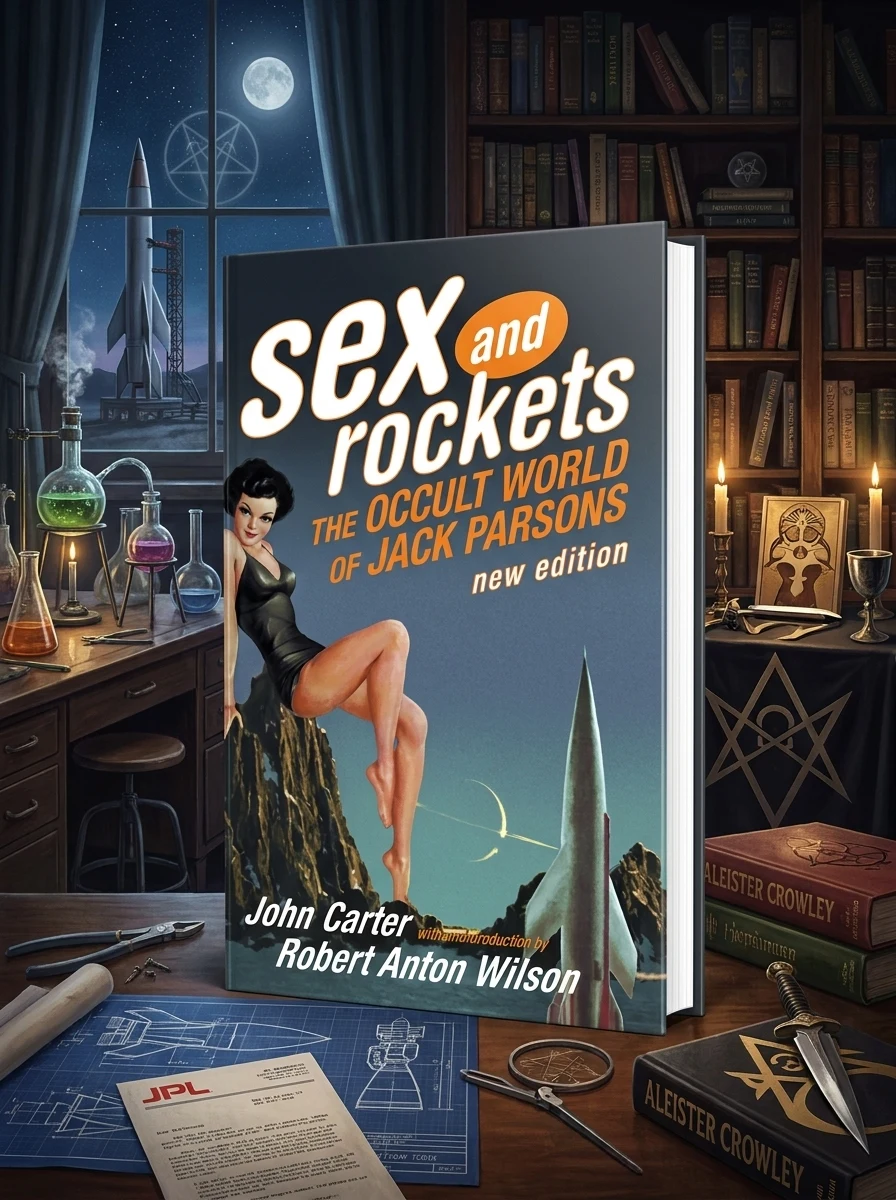
9. Sex and Rockets: The Occult World of Jack Parsons — John Carter
Parsons was a rocket scientist, a Thelemite, and one of the most fascinating figures in 20th-century occultism. Carter's biography shows Thelema in action—not in ceremonial chambers, but in the life of someone trying to live the philosophy while navigating science, sexuality, and genuine spiritual seeking. This is Thelema as lived experience, messy and complex. Around $17.
10. Wormwood Star: The Magickal Life of Marjorie Cameron (Revised) — Spencer Kansa
Cameron was an artist, a magician, and a central figure in post-war Thelemic circles. Kansa's biography reveals a woman who engaged with Thelema on her own terms, integrating it with visual art and personal vision. This book demonstrates that Thelema has always been more than Crowley—it's a living tradition shaped by multiple voices. Around $25.
11. Thee Psychick Bible: Thee Apocryphal Scriptures Ov Genesis Breyer P-Orridge and Thee Third Mind Ov Thee Temple Ov Psychick Youth — Genesis Breyer P-Orridge
P-Orridge's work shows Thelema filtered through performance art, music, and radical counterculture. This is challenging, unconventional, and deliberately provocative—but it demonstrates how Thelemic ideas continue to inspire creative practitioners who refuse conventional forms. Not for everyone, but essential for understanding Thelema's living evolution. Around $28.
Rigorous Scholarship: Understanding the Tradition Historically
If you want to understand Thelema's place in Western esotericism—not just practice it, but comprehend its historical and intellectual roots—these texts offer serious scholarship without sensationalism.
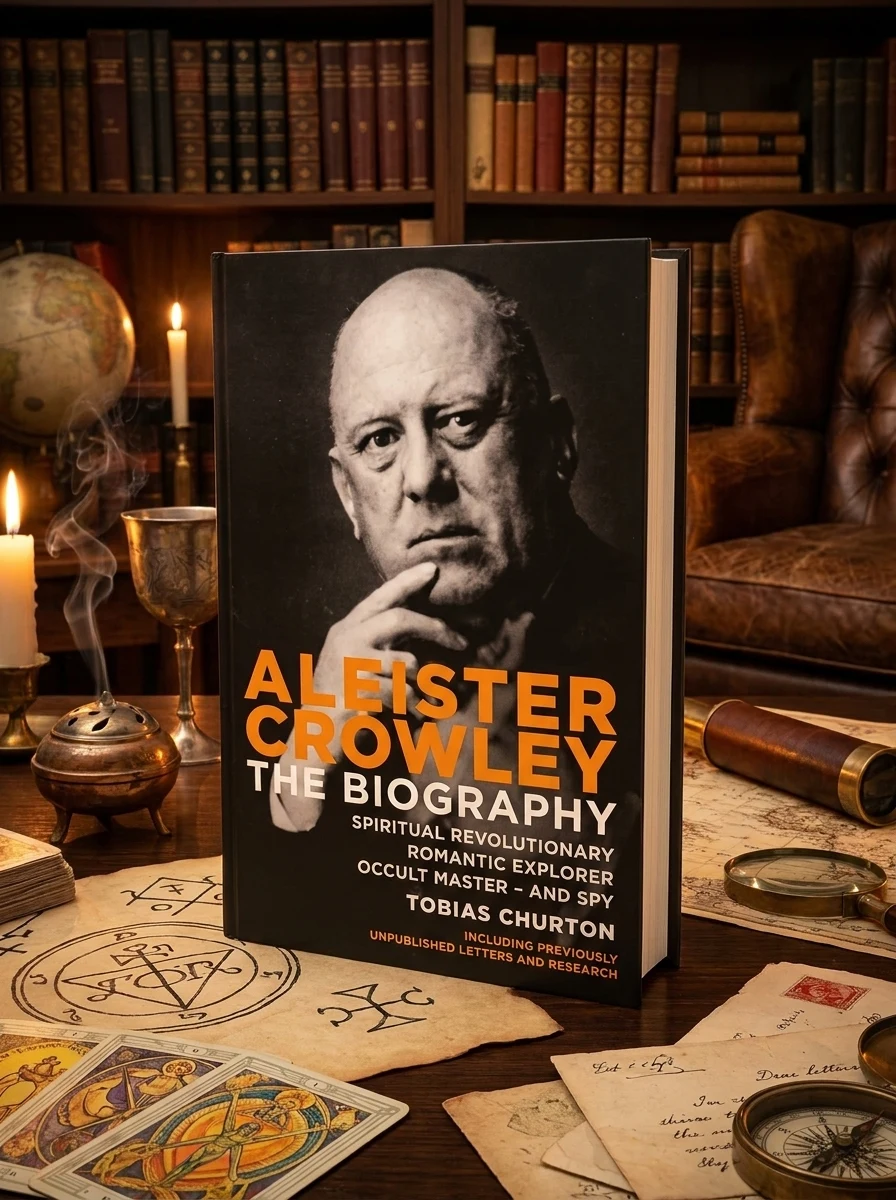
12. Aleister Crowley: The Biography — Tobias Churton
Churton's biography is the definitive modern life of Crowley. Unlike earlier sensationalized accounts, Churton treats his subject as a complex historical figure—a genuine spiritual seeker, a flawed human, and a significant influence on 20th-century esotericism. This is essential for anyone who wants to separate the man from the myth and understand how Thelema emerged from his specific historical moment. Around $30.
How to Choose Your Starting Point
The order you read these books matters. Here's how to think about it:
If you're completely new to Thelema: Start with Campbell's Introduction (book 2) to understand the philosophy, then read The Book of the Law (book 1) itself. Don't worry if it's obscure—that's normal. Then move to Shoemaker's Living Thelema (book 4) to see how it translates into practice.
If you're a practicing magician exploring Thelema: Read The Book of the Law first, then jump to DuQuette's Handbook (book 5) or Shoemaker's Living Thelema (book 4). You have the ceremonial background to move quickly into practical work.
If you're intellectually curious about Crowley and esotericism: Start with Churton's Biography (book 12) for historical context, then read Webb's Overthrowing the Old Gods (book 3) to understand Thelema's philosophical significance. Follow with contemporary voices like Del Campo (book 8) or the biographies of Parsons and Cameron (books 9-10) to see how the tradition evolved.
If you want to challenge conventional interpretations: Read Del Campo's Heretic's Guide (book 8) alongside The Book of the Law itself. Let them argue with each other. Then explore the creative practitioners—Parsons, Cameron, P-Orridge—to see what Thelema looks like when it's not bound by orthodoxy.
The key is this: Thelema is a philosophy built on individual will and personal interpretation. There's no single "right" way to approach these texts. Read what calls to you, question what you read, and let the tradition speak to your own practice rather than trying to fit yourself into inherited forms. That's what Thelema actually teaches.