When most people think of Kabbalah today, they picture celebrity culture and watered-down spirituality. But the real tradition—both the Jewish mystical core and its Western esoteric branches—is far deeper, more rigorous, and more rewarding than the pop version suggests.
The problem is that "Kabbalah books" is a category that contains multitudes. You might be looking for scholarly grounding in Jewish mysticism. You might want to understand how Kabbalah shaped Western magic. You might seek practical techniques for meditation or ritual. Or you might simply want to know what the Zohar actually says beneath centuries of interpretation.
This guide separates those paths. We've organized books by what they actually do—whether they ground you in Jewish sources, teach Western Qabalistic philosophy, connect Kabbalah to Tarot and astrology, or offer practices you can use. No pretense. No celebrity gossip. Just the real tradition, in reading order.
Start Here: Foundations for Complete Beginners
If Kabbalah is entirely new to you, these books won't assume prior knowledge. They're written to be accessible without being shallow.
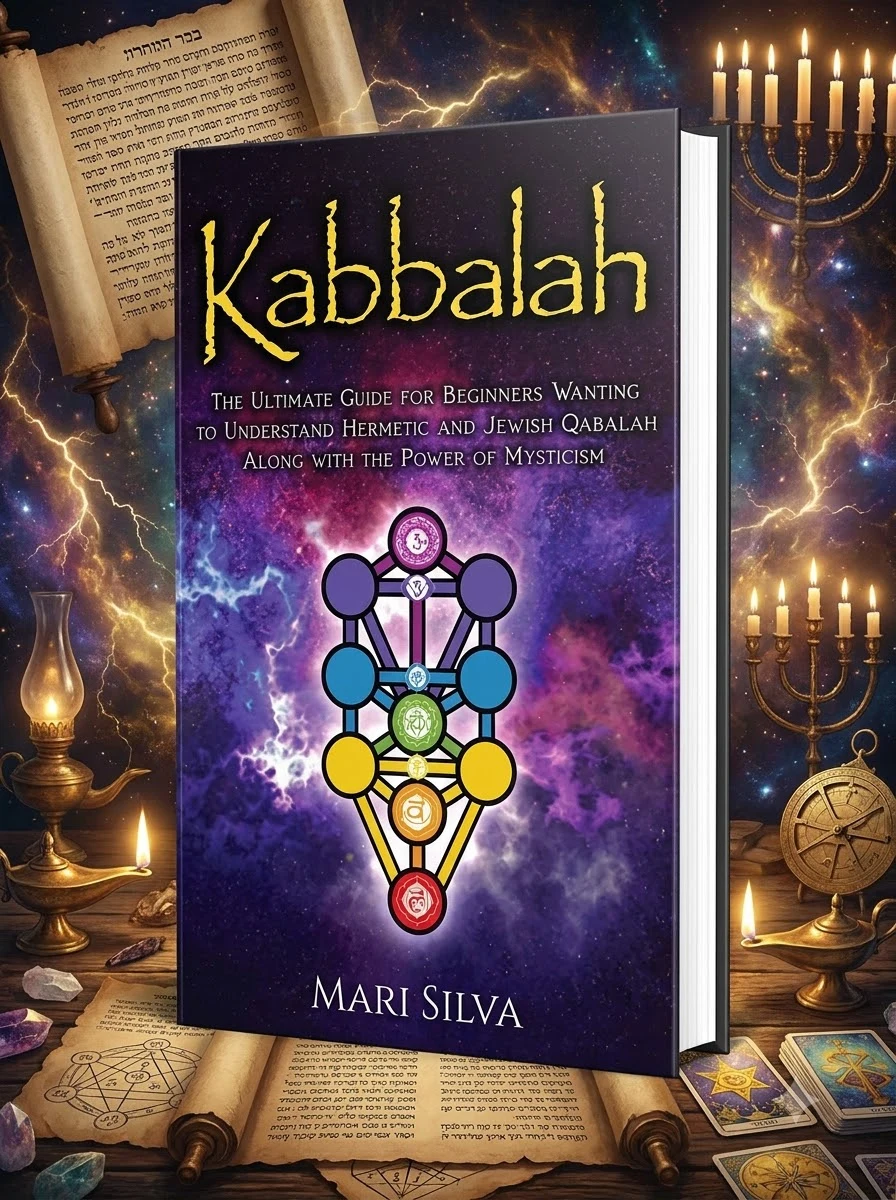
1. Kabbalah: The Ultimate Guide for Beginners—Mari Silva
Kabbalah: The Ultimate Guide for Beginners does what the title promises. Silva walks you through both the Jewish mystical roots and the Hermetic Western adaptations without pretending they're the same thing. She explains the Tree of Life structure, the role of the Sefirot, and how Kabbalah actually functions as a system. This is the book to read if you want a 360-degree view before committing to deeper study. Under $30.
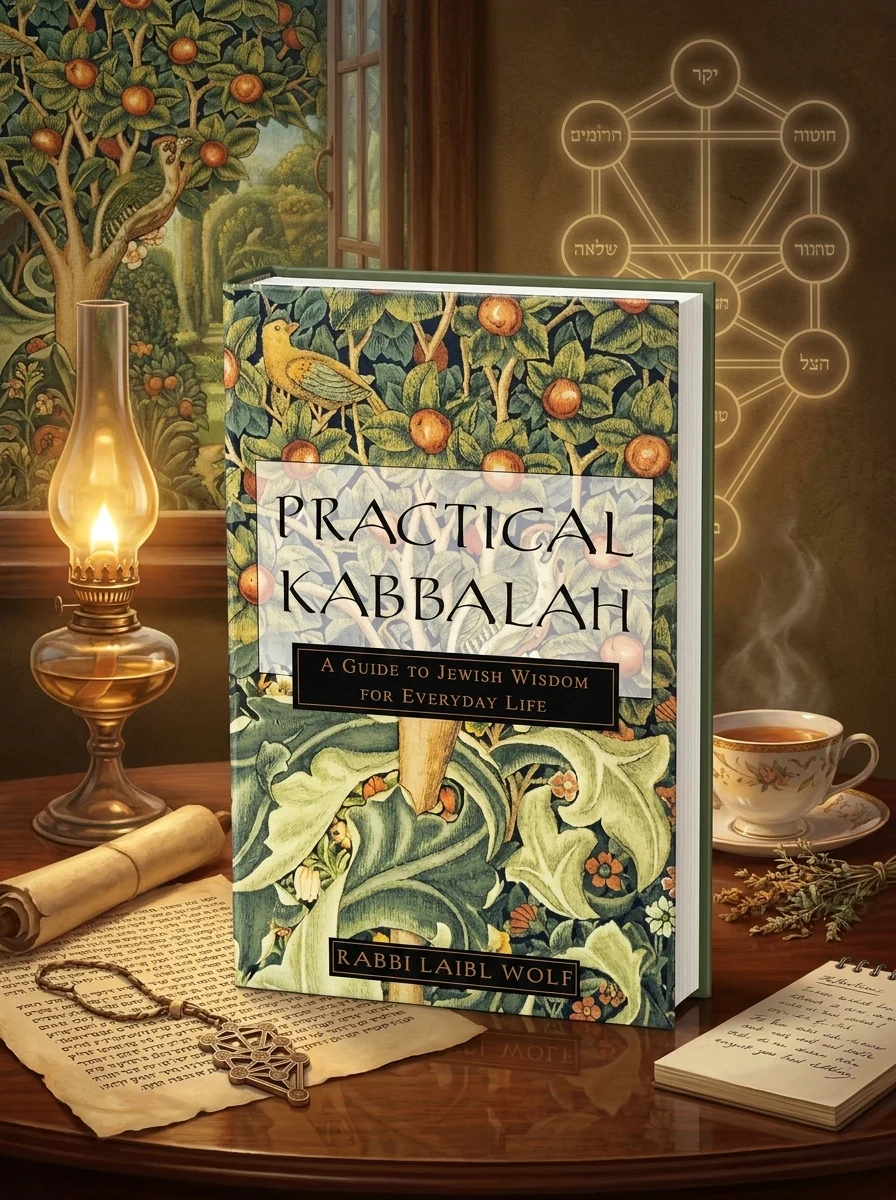
2. Practical Kabbalah: A Guide to Jewish Wisdom for Everyday Life—Laibl Wolf
Practical Kabbalah takes a different angle: it shows you how Kabbalistic thinking actually changes how you live. Wolf, a rabbi and teacher, grounds the tradition in real spiritual practice rather than abstract philosophy. If you're skeptical of overly theoretical approaches, this book proves Kabbalah isn't just intellectual—it's meant to transform your relationship to yourself and others. Under $15.
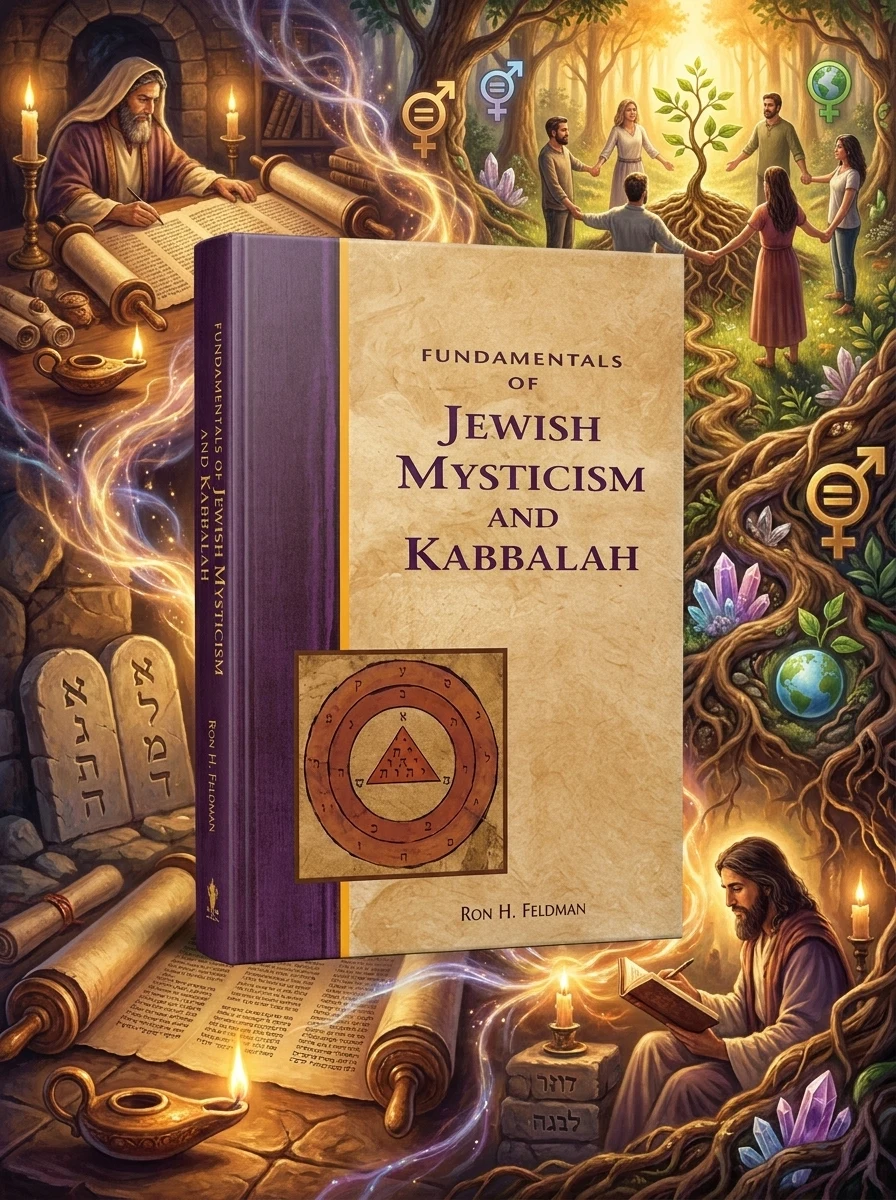
3. Fundamentals of Jewish Mysticism and Kabbalah—Ron Feldman
Fundamentals of Jewish Mysticism and Kabbalah is the scholarly entry point. Feldman traces how Kabbalah actually developed historically—from early Jewish esotericism through the medieval period to modern practice. If you want to understand what's authentic and what's later invention, this book gives you the framework. It's rigorous but readable. Under $15.
The Core Texts: Understanding the Tree of Life and Its Mechanics
Once you have the basics, most serious students need to understand the Tree of Life—the central diagram of Kabbalistic thought. These books teach it from different angles, and you'll likely want more than one.
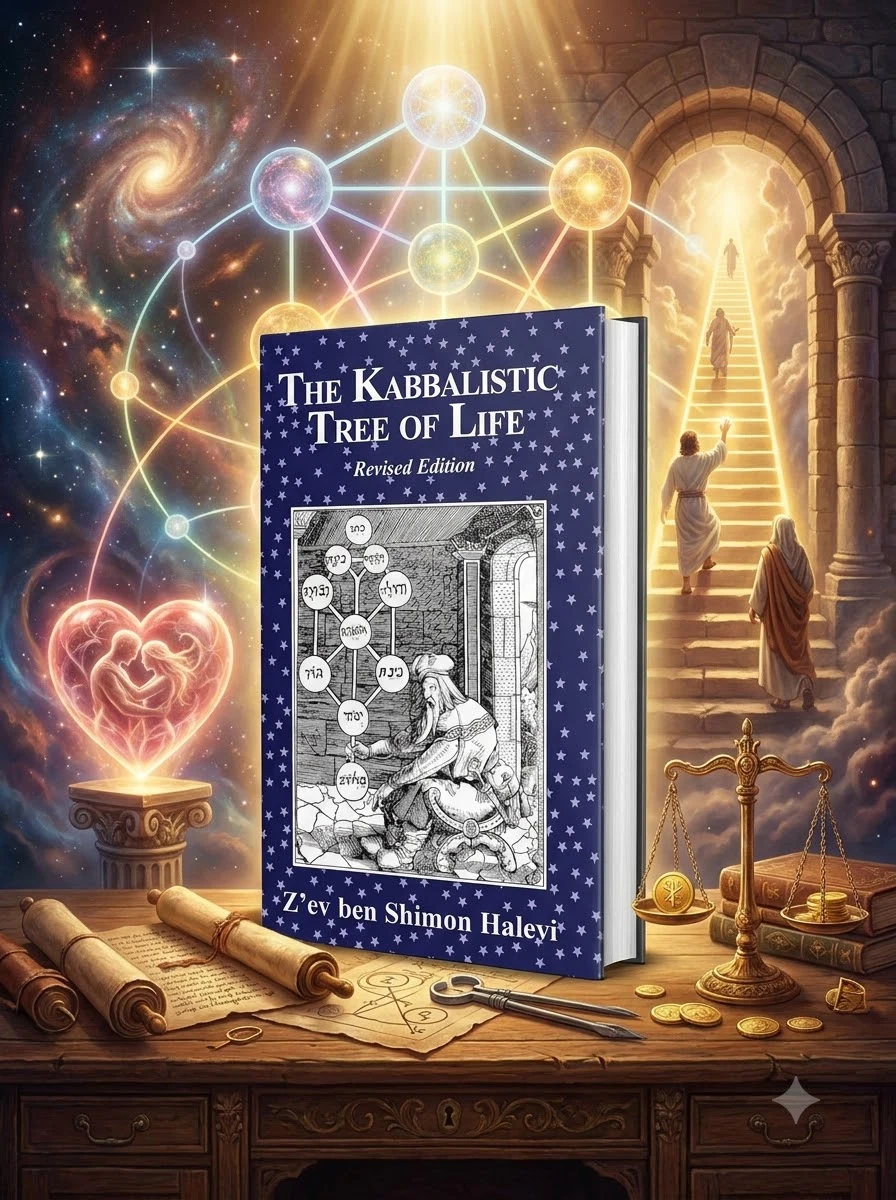
4. The Kabbalistic Tree of Life (Revised)—Z'ev Ben Shimon Halevi
The Kabbalistic Tree of Life is the standard text for understanding how the diagram actually works as a map of consciousness and reality. Halevi doesn't just explain the ten Sefirot and the twenty-two paths—he shows you how they relate to your own psychological and spiritual development. This is the book that makes the Tree stop being abstract and start being alive. Mid-range price.
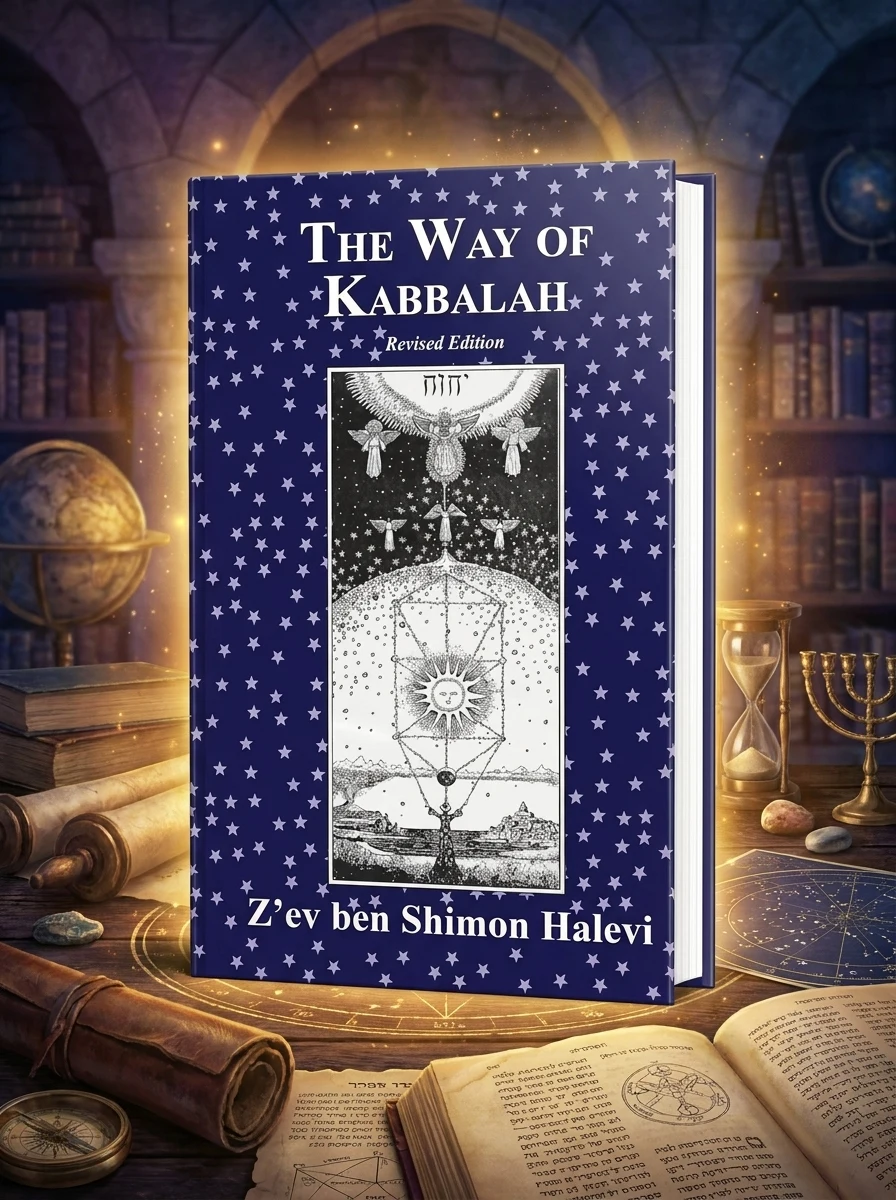
5. The Way of Kabbalah (Revised)—Z'ev Ben Shimon Halevi
The Way of Kabbalah is Halevi's companion volume, focusing on the actual practice of Kabbalistic spirituality. Where the previous book teaches structure, this one teaches movement—how to work with the Tree as a living system of transformation. If you're ready to move from understanding to practice, this is where you go. Mid-range price.
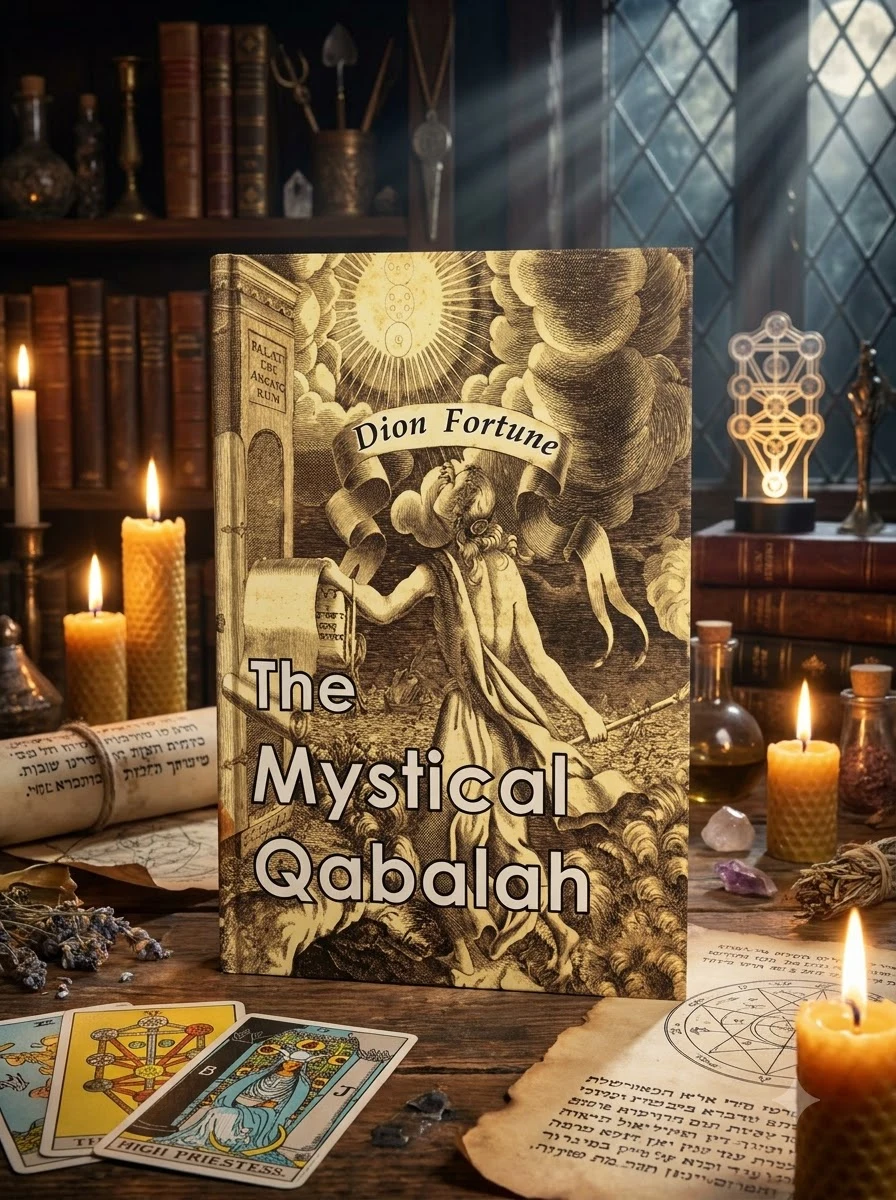
6. The Mystical Qabalah—Dion Fortune
The Mystical Qabalah is the Western occultist's classic. Fortune, writing in the 1930s, adapted Kabbalah for Western esoteric students. Her approach is psychological and symbolic rather than strictly Jewish. If you're interested in how Kabbalah became part of Western magic—through the Hermetic Order of the Golden Dawn and beyond—this is essential reading. Under $20.
Specialized Paths: Tarot, Astrology, and Sacred Texts
Many students come to Kabbalah through Tarot or astrology. These books show how those systems interlock with Kabbalistic philosophy.
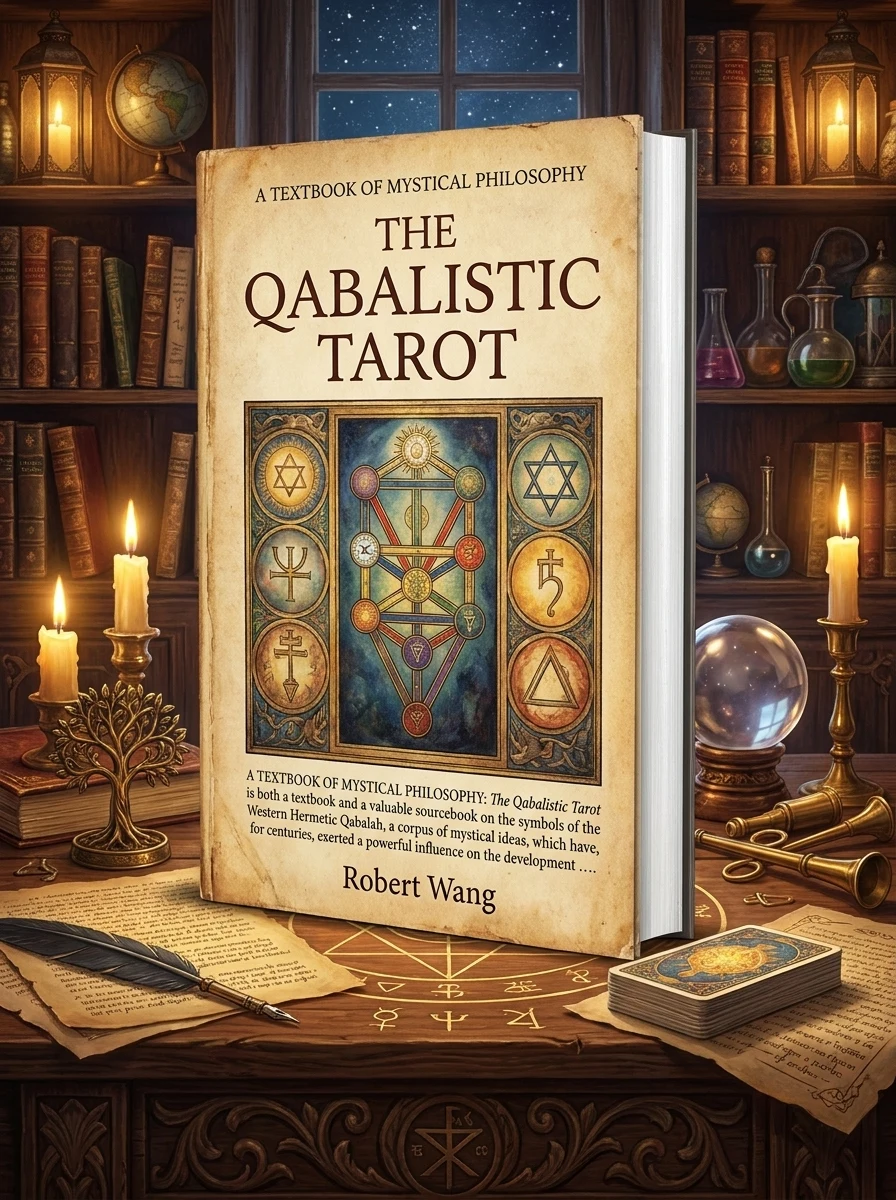
7. The Qabalistic Tarot Book: A Textbook of Mystical Philosophy—Robert Wang
The Qabalistic Tarot Book is the definitive text on how the Tarot's 22 Major Arcana correspond to the Tree of Life's paths. Wang doesn't just list correspondences—he explains the symbolic logic behind each connection. If you read Tarot and want to move beyond surface interpretations into genuine Kabbalistic depth, this book is non-negotiable. Mid-range price.
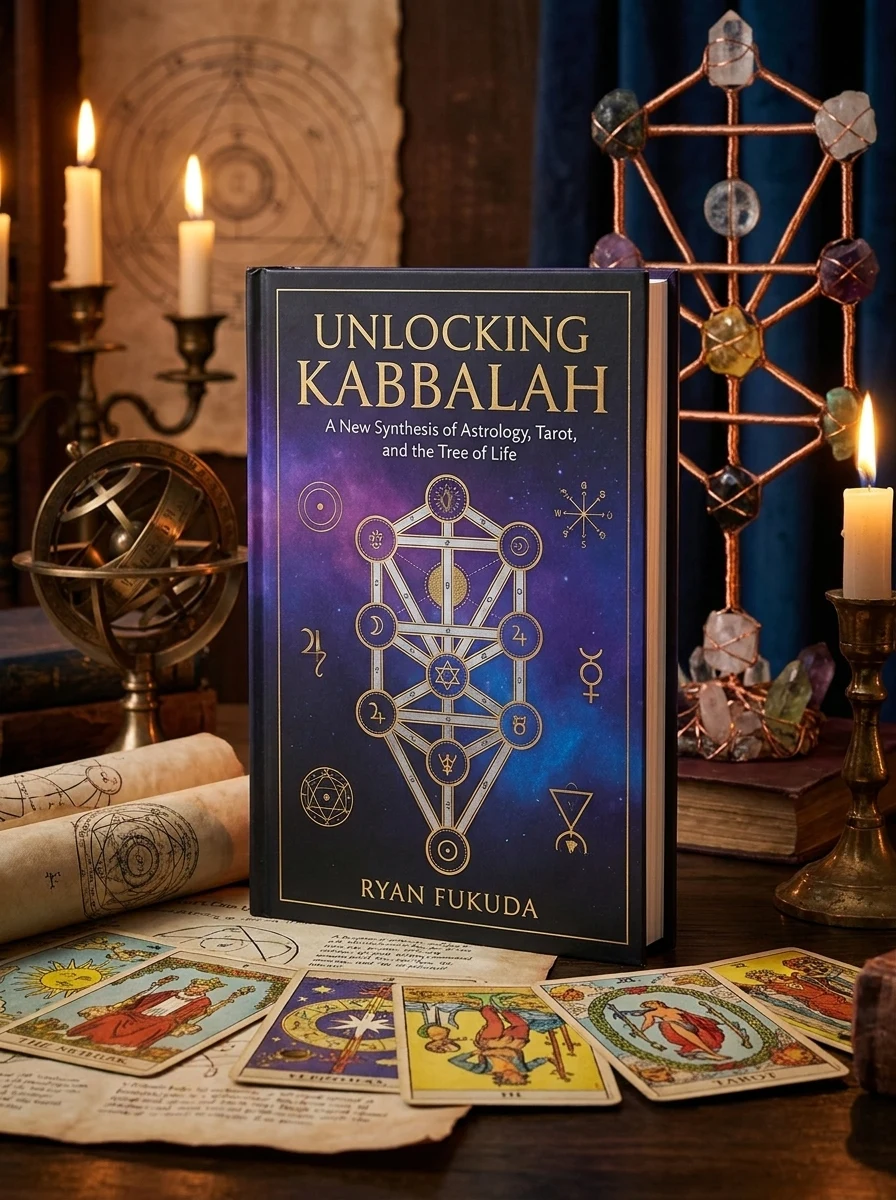
8. Unlocking Kabbalah: A New Synthesis of Astrology, Tarot, and the Tree of Life—Thomas Weems
Unlocking Kabbalah takes a bolder approach, synthesizing all three systems into one coherent framework. Weems challenges conventional correspondences and offers fresh interpretations. This book is for readers who've already studied Kabbalah separately and want to see how the pieces fit together in new ways. Under $20.
9. The Torah in the Tarot—Stav Appel
The Torah in the Tarot explores the historical and mystical connections between Torah, Kabbalah, and Tarot. Appel argues that understanding this relationship transforms how you read both the cards and the sacred text. This is scholarly work that also serves practitioners. Mid-range price.
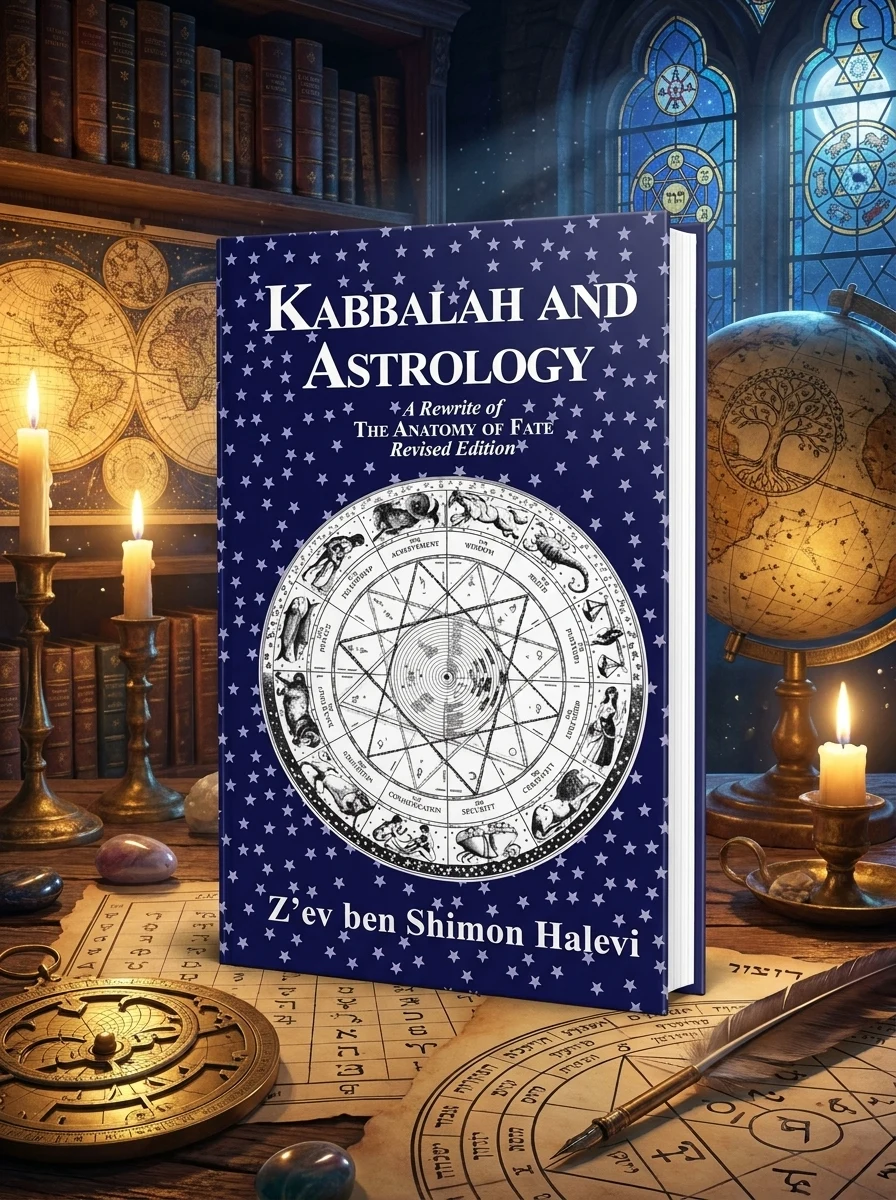
10. Kabbalah and Astrology (Revised)—Z'ev Ben Shimon Halevi
Kabbalah and Astrology shows how the Kabbalistic system maps onto astrological correspondences. Halevi explains why certain planets, signs, and houses connect to specific Sefirot and paths. If you practice astrology and want to deepen it through Kabbalistic understanding, this is your bridge. Mid-range price.
Advanced Study: Jewish Mysticism and Esoteric Philosophy
These books are for readers ready to engage with more complex material—either deep Jewish sources or sophisticated Western esoteric theory.
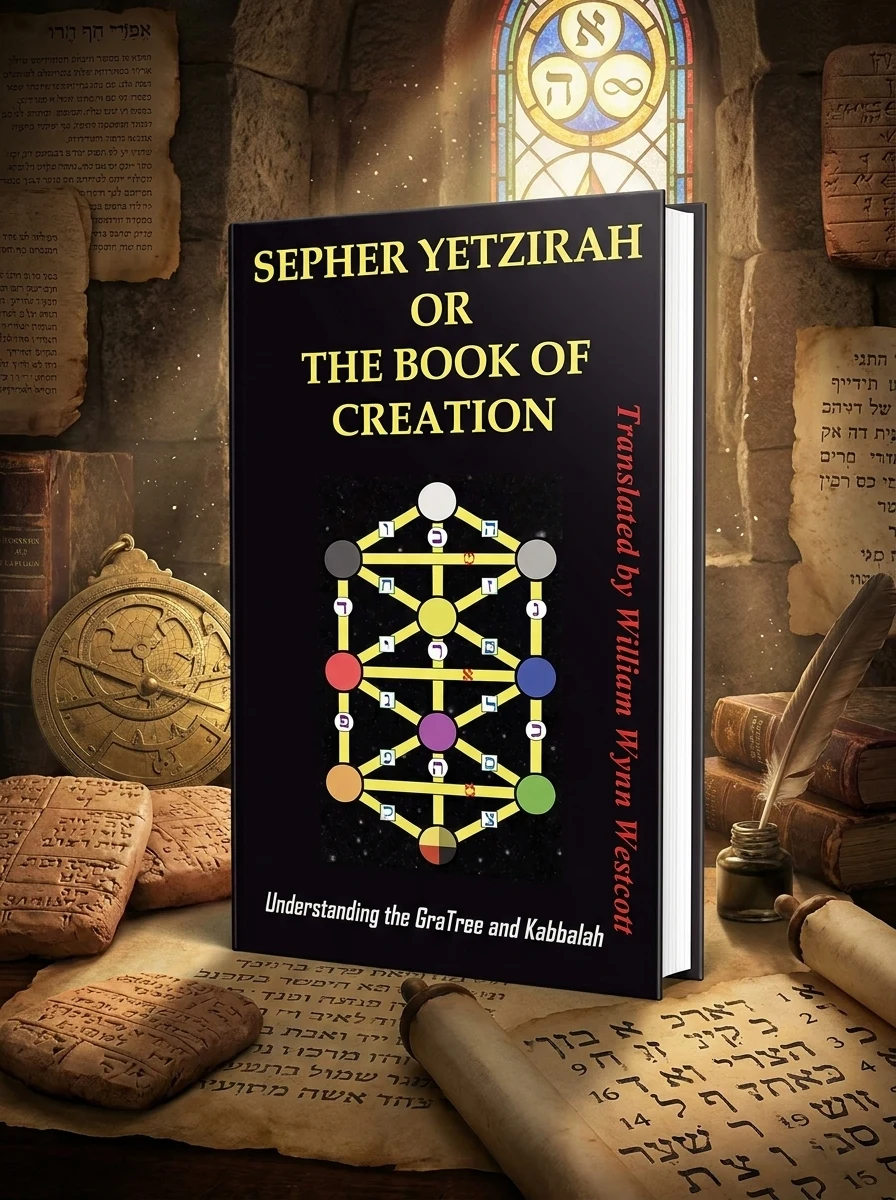
11. Sepher Yetzirah or the Book of Creation: Understanding the Gra Tree and Kabbalah—Wynn Westcott
Sepher Yetzirah is one of Kabbalah's oldest texts—a cryptic, poetic account of how creation unfolds through Hebrew letters and numbers. This text describes the genesis of the cosmos through divine language. Westcott's commentary makes it accessible without flattening its mystery. If you want to read an actual classical Kabbalistic text (not just about Kabbalah), this is the place to start. Under $20.
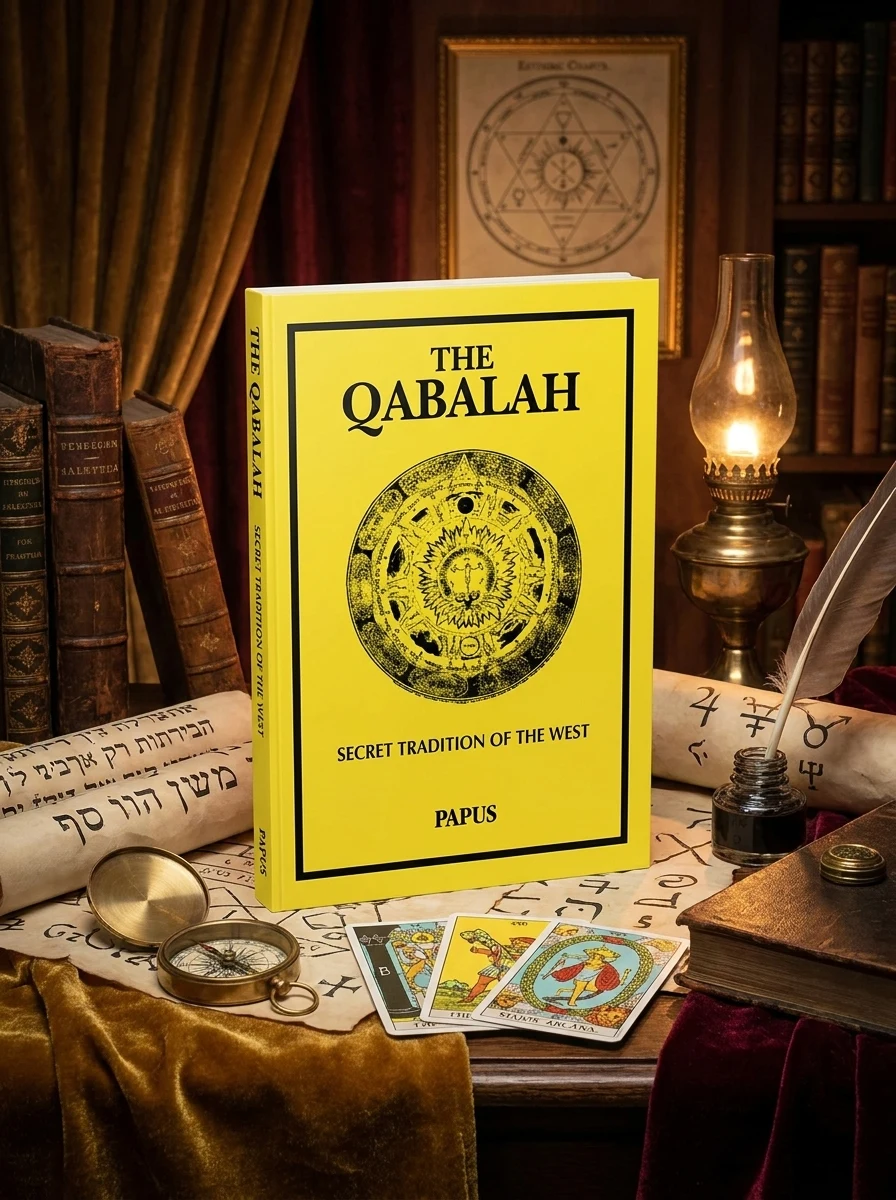
12. The Qabalah: Secret Tradition of the West—Papus
The Qabalah: Secret Tradition of the West is a 19th-century synthesis by Papus (Gérard Encausse), a major figure in Western esotericism. He traces how Kabbalah influenced Freemasonry, Rosicrucianism, and modern occultism. This book is historical, philosophical, and practical all at once. Mid-range price.
How to Choose Your Path
You don't need to read all twelve books. Here's how to pick:
If you want Jewish mysticism grounded in tradition: Start with Feldman's Fundamentals, then move to Westcott's Sepher Yetzirah and Halevi's Kabbalistic Tree of Life. These keep you close to the sources.
If you're a Western occultist or ceremonial magician: Begin with Silva's Ultimate Guide for context, then read Fortune's Mystical Qabalah and Papus's Secret Tradition. These show how Kabbalah became part of Western magic.
If you work with Tarot: Start with Silva's Ultimate Guide, then go straight to Wang's Qabalistic Tarot Book. Add Weems's Unlocking Kabbalah once you're comfortable with the basics.
If you're drawn to practice and transformation: Read Wolf's Practical Kabbalah first, then Halevi's Way of Kabbalah. These two books will give you both philosophy and method. Some traditions also explore reincarnation as part of Kabbalistic understanding of the soul's journey.
The key is honesty about what you actually want. Kabbalah isn't one thing. It's a living tradition with multiple legitimate branches—Jewish, Hermetic, ceremonial, contemplative. The books that serve you best are the ones that match your real path, not the one you think you should be on.