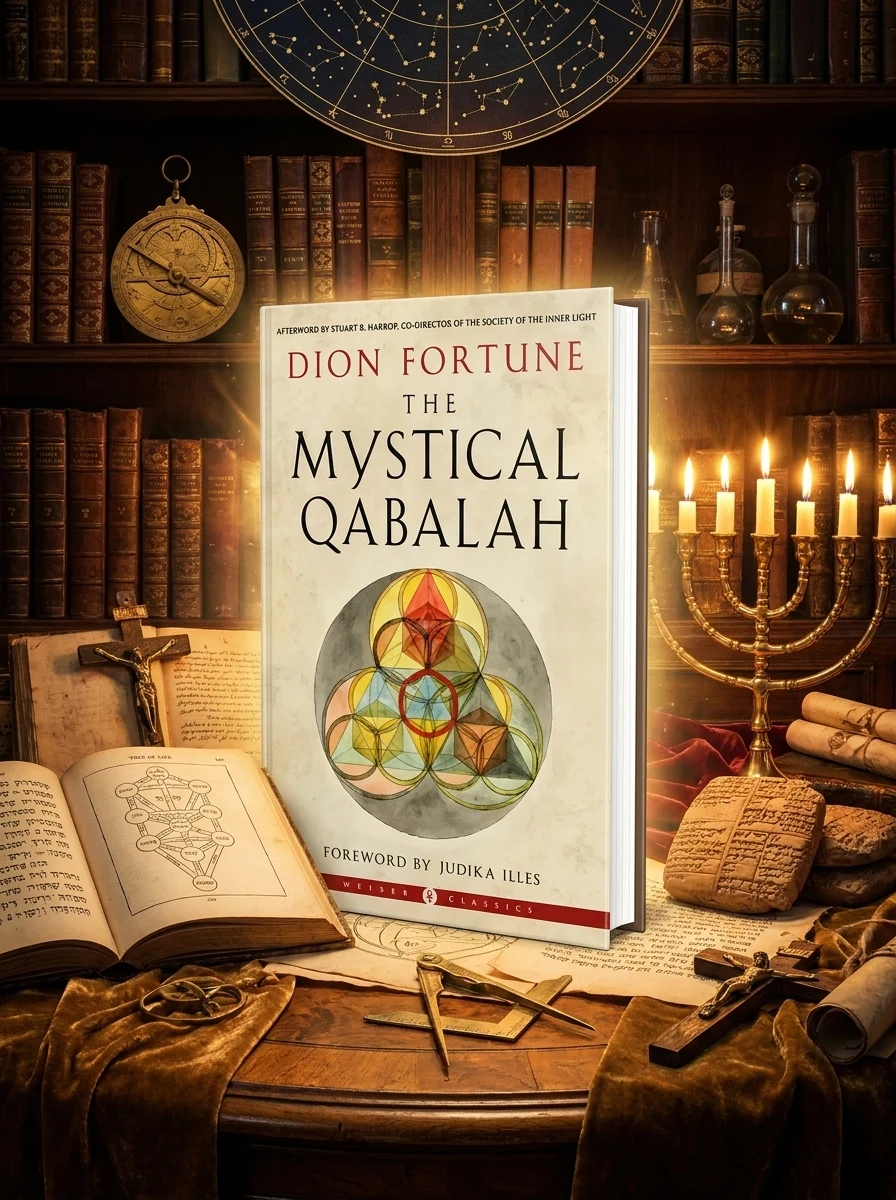
The Mystical Qabalah
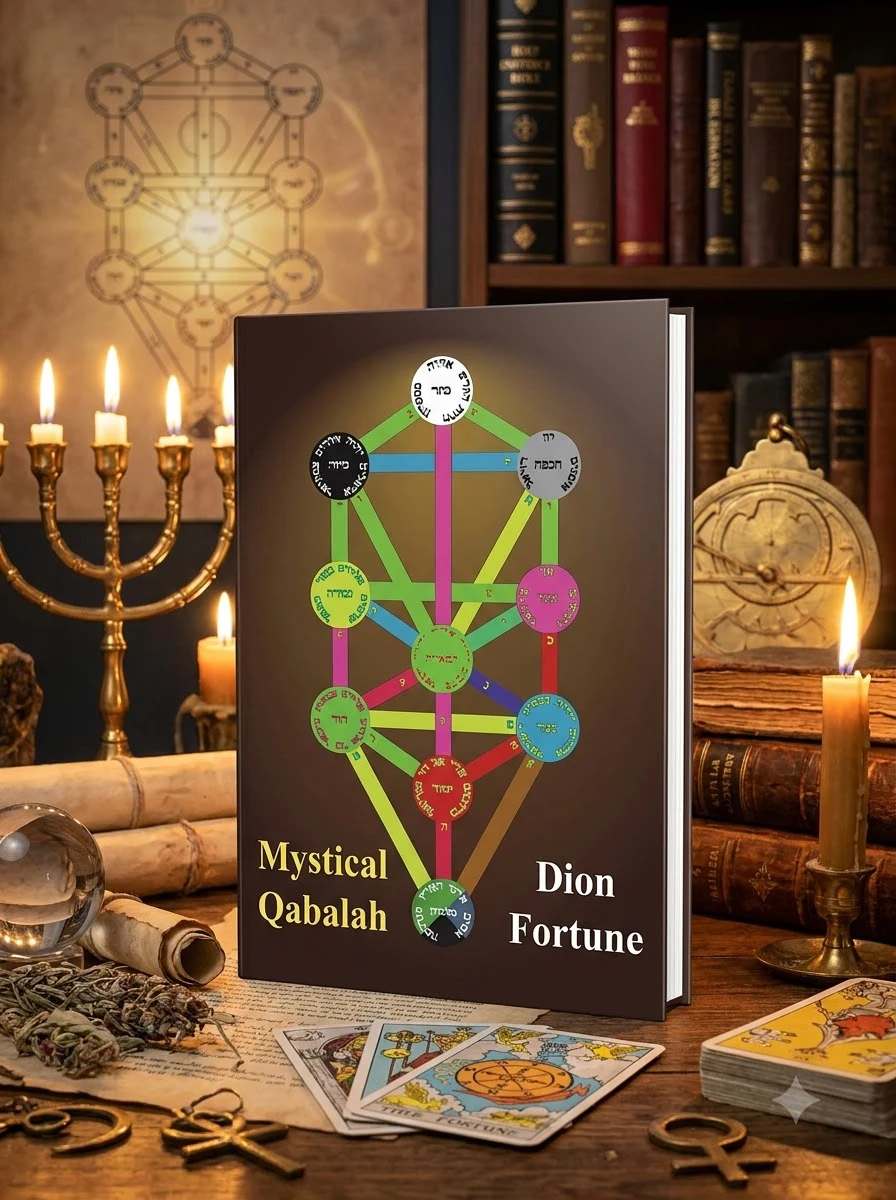
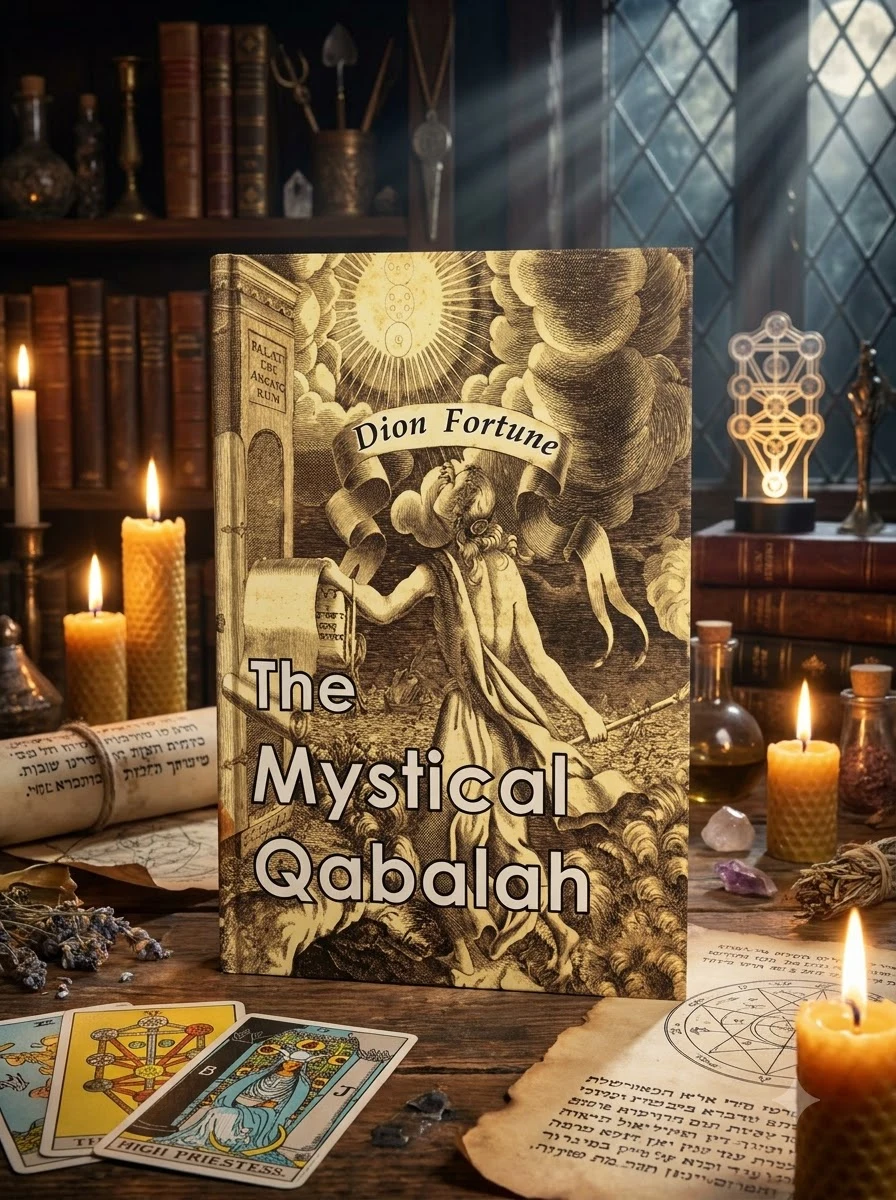
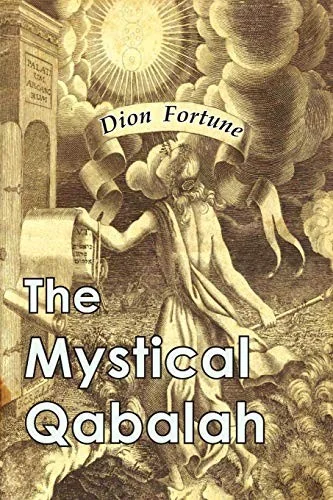
✍️ Fortune, DionDion Fortune's seminal work offers a profound exploration of the Qabalistic system, presenting it not merely as an ancient Israeli mystical tradition, but as a dynamic framework for understanding consciousness. Originally published in 1935, this book delves into the psychological dimensions of mystical practice, connecting Qabalah to primitive religious structures and esoteric cults. Fortune meticulously unpacks the symbolic Tree of Life, revealing its practical applications for spiritual growth and magical work. It serves as an indispensable guide for anyone seeking a deeper comprehension of the Western Mystery Tradition, from foundational concepts to advanced insights.


📝 Description: The Mystical Qabalah
💎 Expert review
📖 Why choose it
Why this book is worth reading
This book is an indispensable guide for seekers eager to move beyond superficial mysticism and engage with the Qabalistic system as a dynamic framework for understanding consciousness. Fortune meticulously unpacks the symbolic Tree of Life, revealing its practical applications for spiritual growth and magical work rather than treating it merely as historical artifact. Readers who wish to connect Qabalah to primitive religious structures and esoteric cults will find profound value here. It offers a deeper comprehension of the Western Mystery Tradition, making it essential for those ready to explore the psychological dimensions of mystical practice and unlock the universe's hidden architecture through rigorous study.
⭐ Reader reviews
Reader rating
Fortune presents a meticulous analysis that distinguishes this text from purely academic or dogmatic approaches by focusing on practical magical work. However, readers seeking quick, simplified answers or those uncomfortable with dense psychological theory will likely find this overwhelming. It is not suitable for casual hobbyists wanting light reading; it demands serious engagement with complex symbolic systems. The book’s strength lies in its depth, but its rigorous structure may alienate those preferring intuitive or emotional spiritual paths over the systematic deconstruction of consciousness presented here.
❓ Frequently asked questions
📖 Who should read this
If you're drawn to the profound symbology of the Qabalah, seek a structured approach to esoteric study, or wish to understand the psychological underpinnings of mystical experience, this classic is essential. It illuminates complex ideas with remarkable clarity, guiding both curious newcomers and dedicated initiates.
🎯 Key themes and symbolism
The Tree of Life
Fortune meticulously dissects the central diagram of Qabalistic thought, the Tree of Life. She illustrates how this intricate glyph functions as a cosmic map, a psychological blueprint, and a practical guide for spiritual ascent, making its complex symbolism accessible for both beginners and seasoned practitioners.
Mystical Psychology
This volume pioneers an understanding of Qabalah through the lens of psychological experience. Fortune explores how the ancient system provides a framework for comprehending the human psyche's depths, offering insights into altered states of consciousness, the nature of belief, and the mechanisms of personal transformation.
Western Esotericism Foundations
Fortune establishes Qabalah as the bedrock of the entire Western Mystery Tradition. She reveals its intrinsic links to various occult sciences, including astrology and tarot, demonstrating how these seemingly disparate systems converge within the Qabalistic framework to form a cohesive magical and spiritual path.
📜 Historical context
📚 Glossary
- Qabalah
- Tree of Life
- Western Mystery Tradition
📔 Questions to reflect on
- How might applying the principles of the Tree of Life to a personal challenge offer a new perspective or a path forward?
- Consider a significant mystical or spiritual experience you've had. How might Qabalistic concepts help you categorize or better understand its psychological dimensions?
- In what ways do you see elements of the Western Mystery Tradition, as rooted in Qabalah, appearing in contemporary spiritual or occult practices?