Kabbalah attracts two kinds of readers: those looking for quick spiritual answers, and those willing to sit with complexity. If you're in the second group, you already know that most books on the subject skim the surface. Real Kabbalist study requires texts that respect both the intellectual rigor and the lived practice of the tradition.
The problem is that Kabbalah books range wildly in depth, approach, and usefulness. Some treat it as abstract philosophy. Others reduce it to tarot card meanings. The best ones—the ones that actually change how you understand reality—combine scholarly precision with practical application. They assume you're willing to work.
This guide covers twelve books that serious students return to. They're organized by entry point and purpose, so you can build a coherent practice rather than collecting scattered fragments.
Start Here: The Tree of Life and Core Cosmology
Before you can work with Kabbalah, you need to understand its central map: the Tree of Life. This is not metaphorical. The Tree is a literal diagram of how reality unfolds, from the infinite to the material. These books teach you to read it.
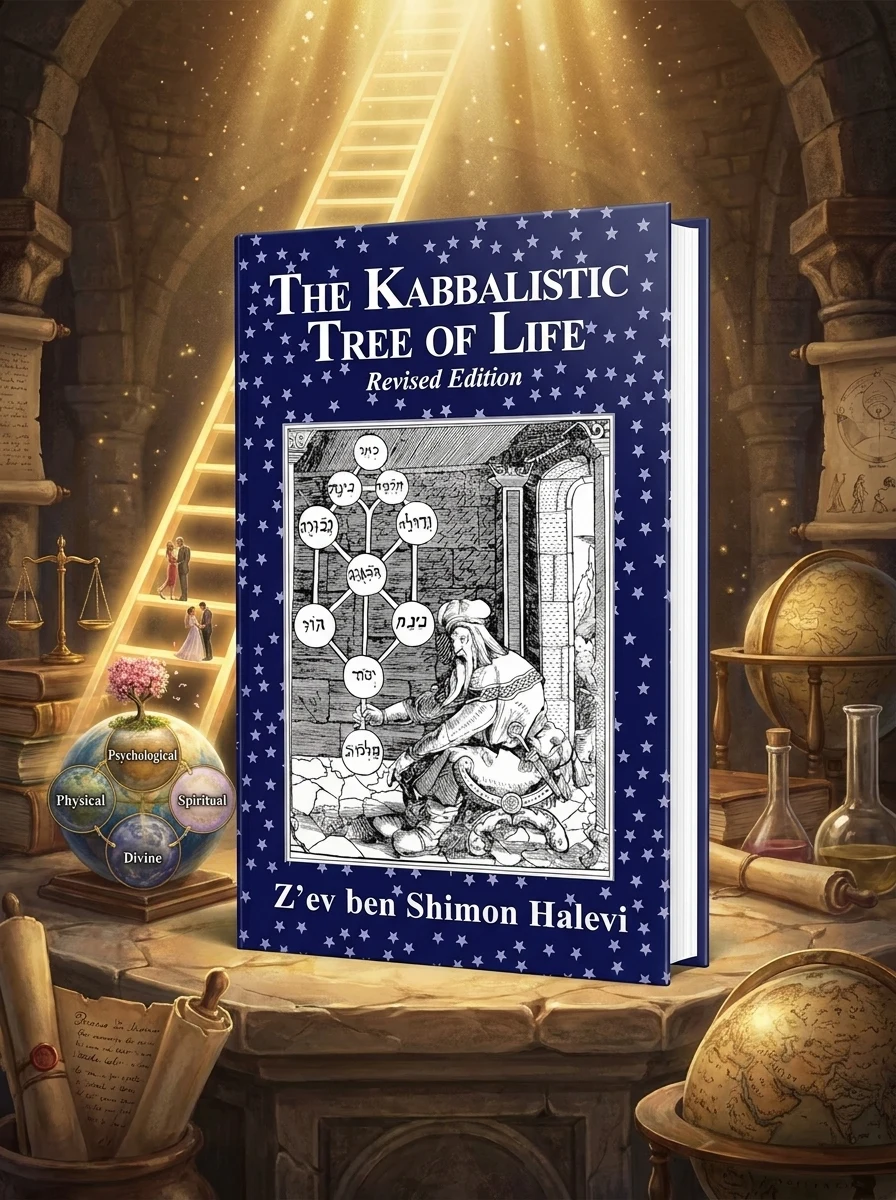
1. The Kabbalistic Tree of Life (Revised) — Z'Ev Ben Shimon Halevi
The Kabbalistic Tree of Life (Revised) is the standard introduction for practitioners who refuse to be talked down to. Halevi doesn't simplify; he clarifies. He walks you through each of the ten Sephiroth—the spheres on the Tree—and the twenty-two paths connecting them, explaining what each represents cosmologically and psychologically. The book treats Kabbalah as a living system, not historical artifact. If you want to understand why the Tree matters before you memorize it, this is where to begin.
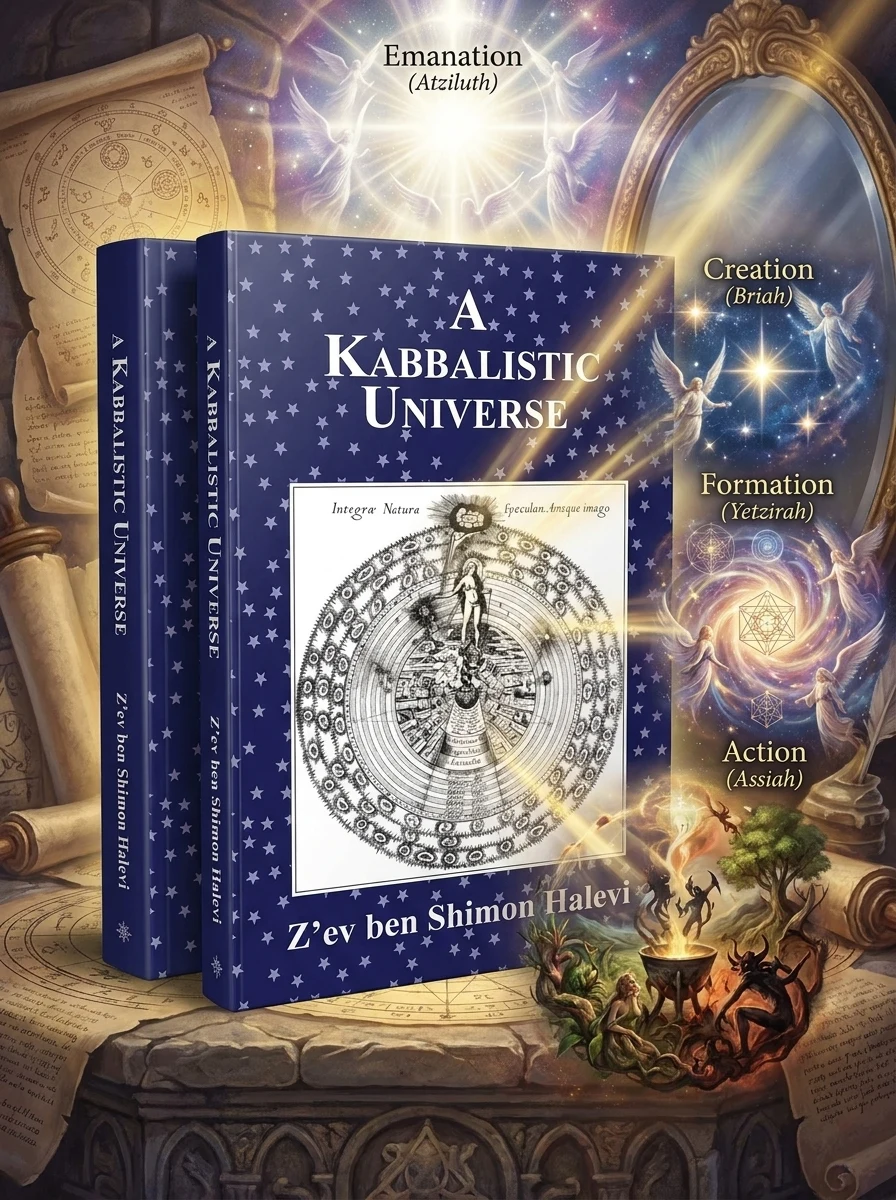
2. A Kabbalistic Universe (Revised) — Z'Ev Ben Shimon Halevi
A Kabbalistic Universe (Revised) expands the framework. Once you grasp the Tree's structure, Halevi shows you how it applies to time, space, consciousness, and the cycles of creation. This book answers the question: "So what?" It demonstrates that Kabbalah isn't abstract theology—it's a map of how existence actually works. Readers often report that this book shifts their perception of reality itself.
Tarot as Kabbalistic Practice
Tarot and Kabbalah are inseparable in Western esoteric tradition. The 78 cards encode the entire Kabbalistic system. These books teach you to read tarot not as fortune-telling, but as a tool for understanding the divine structure and your own transformation.
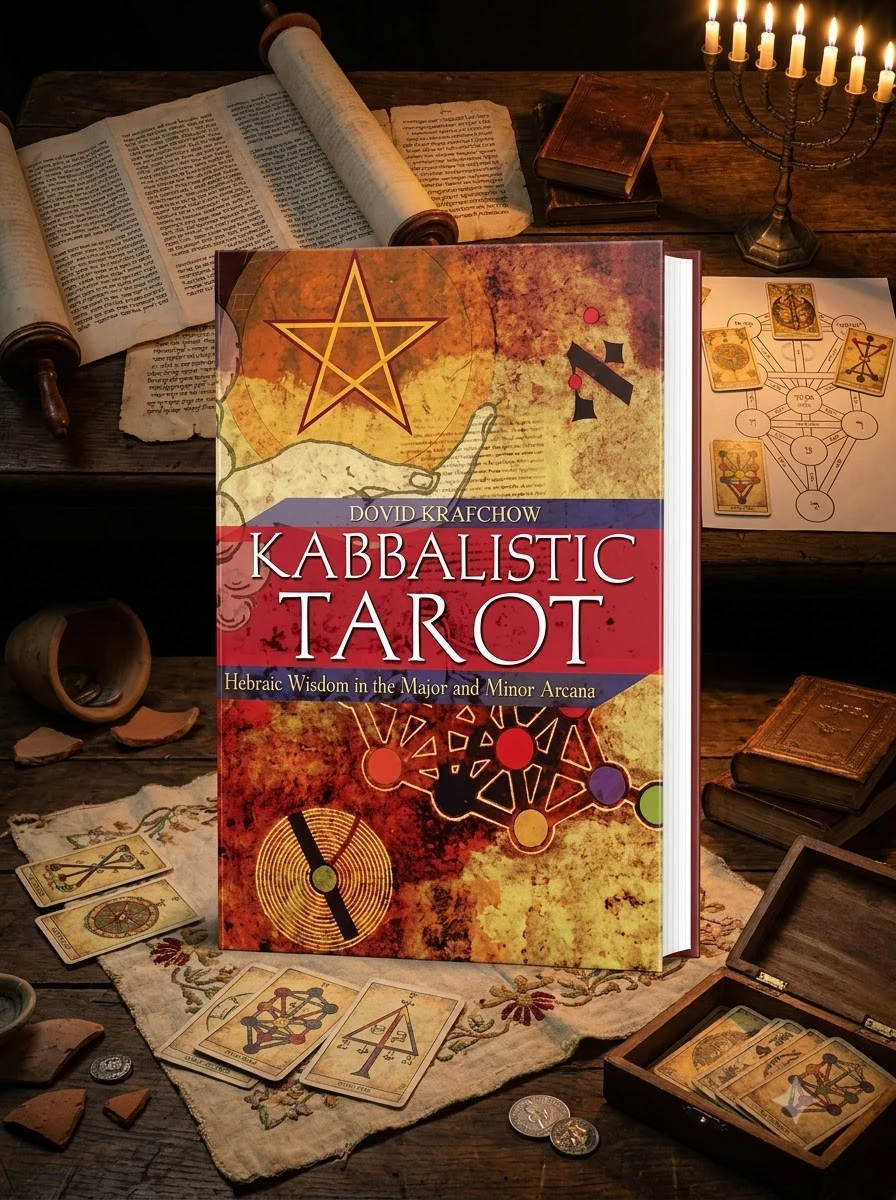
3. Kabbalistic Tarot: Hebraic Wisdom in the Major and Minor Arcana — Dovid Krafchow
Kabbalistic Tarot: Hebraic Wisdom in the Major and Minor Arcana is for tarot students who want to go deeper than card meanings. Krafchow shows how each card corresponds to the Tree of Life, the Hebrew alphabet, and the divine names. The book is dense—expect to reread it—but it's the bridge between tarot practice and Kabbalistic study. If you already read tarot and want to understand what you're actually working with, this is essential.
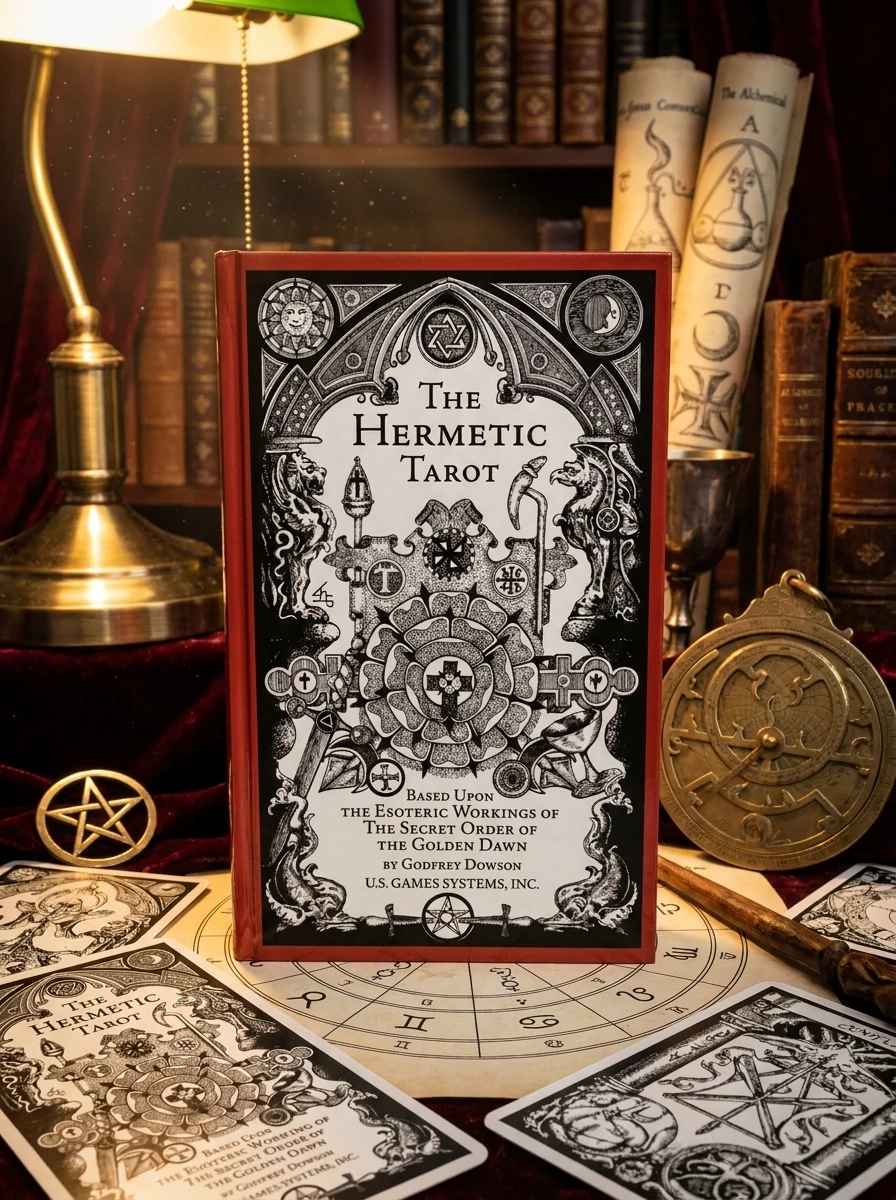
4. The Hermetic Tarot: Secrets of the Golden Dawn, Esoteric Symbolism, Kabbalistic Tree of Life, Astrological Correspondences, 78 Tarot Cards — Godfrey Dowson
The Hermetic Tarot approaches the same material through the lens of the Golden Dawn, the influential magical order that systematized Kabbalistic tarot in the late 19th century. Dowson's strength is clarity of structure. If you're studying ceremonial magic or want to understand how Hermetic philosophy integrates with Kabbalah, this book is invaluable. It's scholarly without being dry.
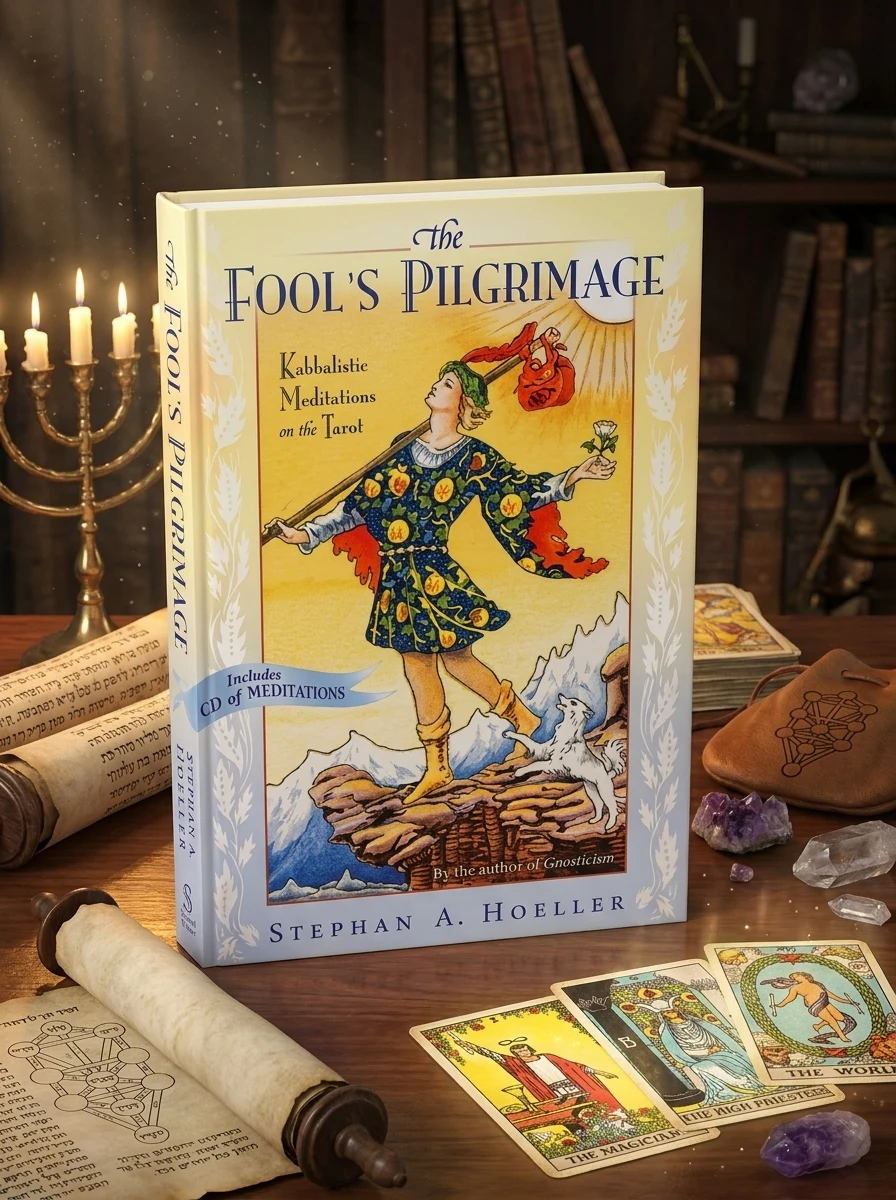
5. Fool's Pilgrimage: Kabbalistic Meditations on the Tarot [With CD] — Stephan A. Hoeller
Fool's Pilgrimage takes a different approach: meditation rather than analysis. Hoeller guides you through the Major Arcana as a spiritual journey, with the included CD providing guided meditations. This book is for practitioners who learn through experience, not just intellect. It's contemplative and accessible, making it useful whether you're new to Kabbalah or returning to deepen your practice.
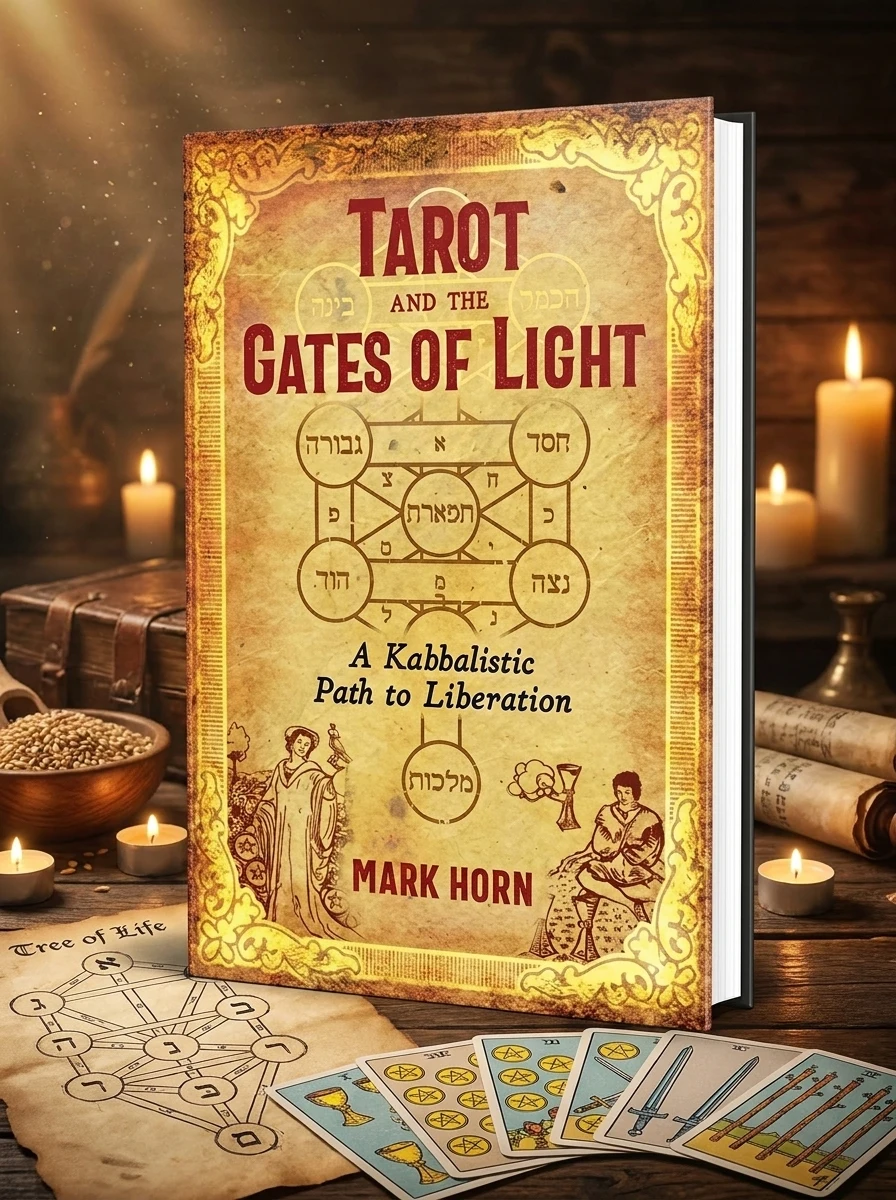
6. Tarot and the Gates of Light: A Kabbalistic Path to Liberation — Mark Horn
Tarot and the Gates of Light offers a structured daily practice. Horn integrates tarot with Kabbalistic meditation and ritual, giving you a concrete way to work with the material. If you want tarot study that leads to actual spiritual transformation—not just knowledge accumulation—this book provides the framework.
Kabbalah Beyond Tarot: Astrology, Healing, and Sacred Text
Kabbalah is vast. It encompasses cosmology, psychology, healing, and the interpretation of sacred scripture. These books show you dimensions of the tradition that tarot alone cannot reach.
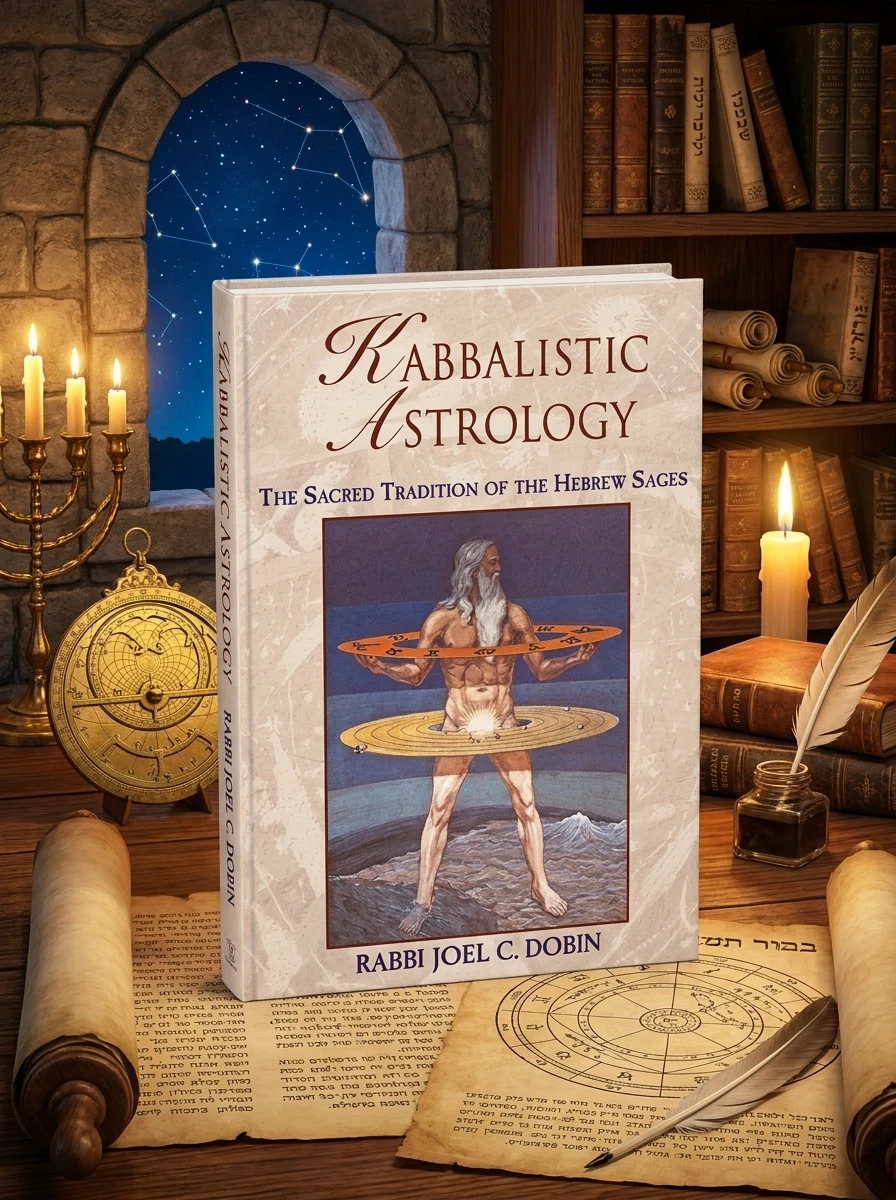
7. Kabbalistic Astrology: The Sacred Tradition of the Hebrew Sages — Rabbi Joel C. Dobin
Kabbalistic Astrology reveals how the Hebrew sages integrated the stars into their mystical system. Dobin shows the correspondence between the zodiac, the planets, the Tree of Life, and the Hebrew alphabet. If you practice astrology and want to ground it in deeper tradition, or if you're a Kabbalist curious about how celestial cycles fit the map, this book is the bridge. It's scholarly but practical.
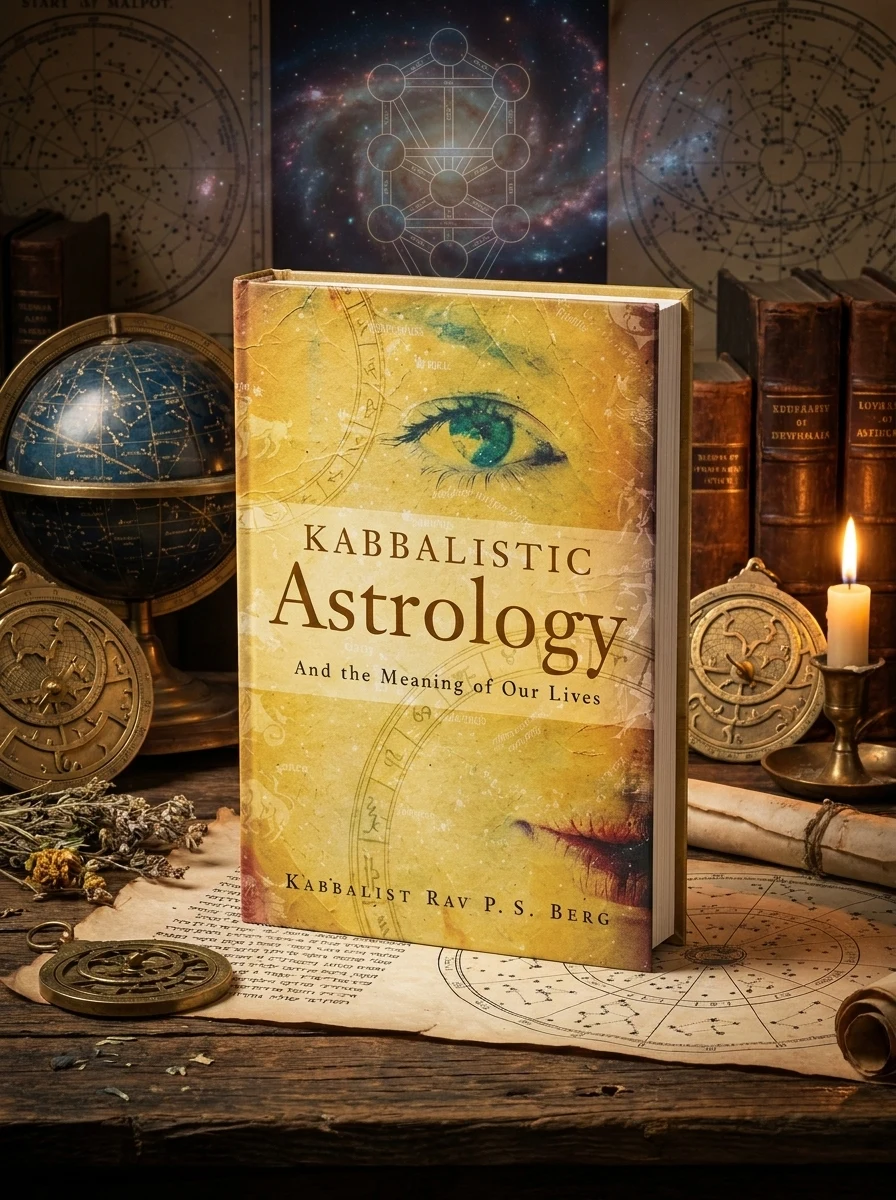
8. Kabbalistic Astrology: And the Meaning of Our Lives — Rav Berg
Kabbalistic Astrology: And the Meaning of Our Lives takes a different angle. Rather than correspondences, Berg focuses on how Kabbalah transforms your relationship to fate and free will. He argues that understanding your birth chart through Kabbalah reveals not your destiny, but your spiritual work. This book is for readers tired of fatalistic astrology and seeking agency.
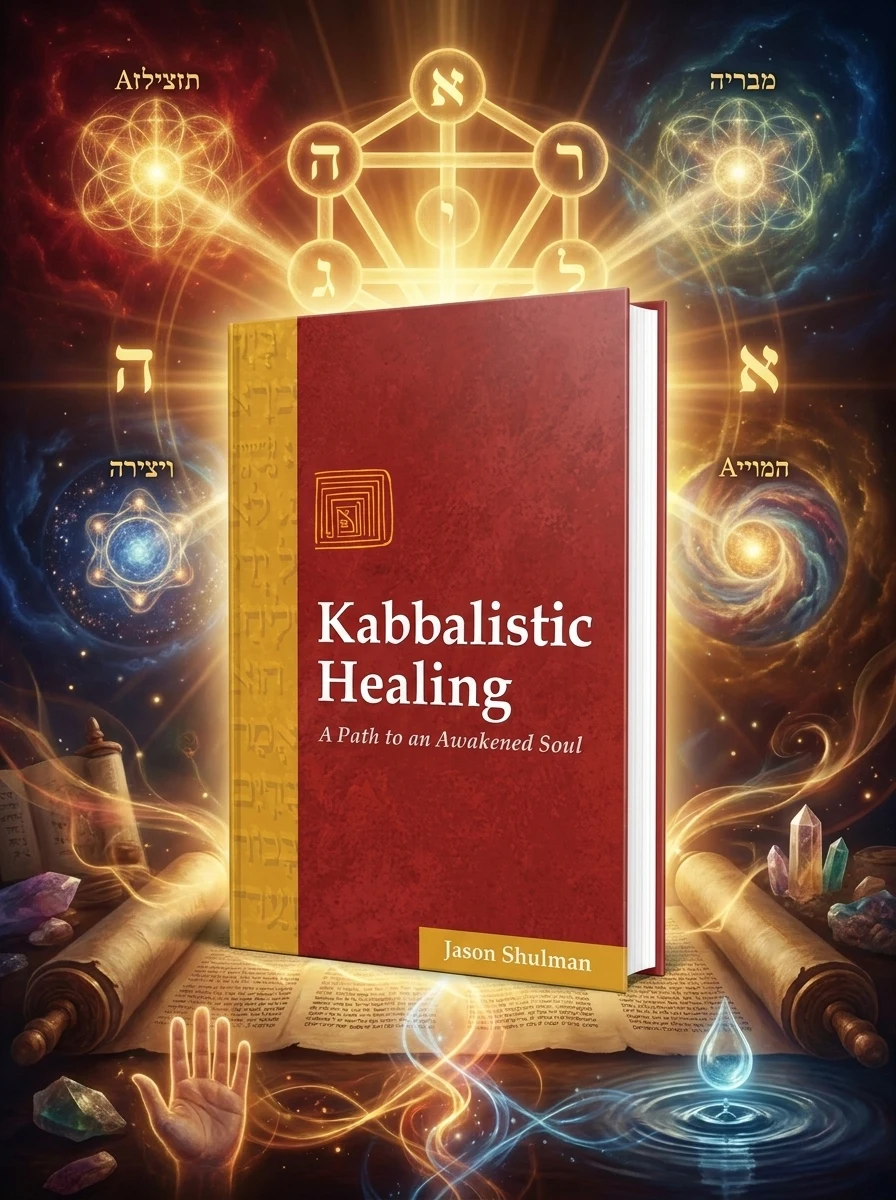
9. Kabbalistic Healing: A Path to an Awakened Soul — Jason Shulman
Kabbalistic Healing applies the tradition to wholeness and transformation. Shulman shows how Kabbalistic meditation and understanding of the Tree of Life can heal psychological and spiritual wounds. This is not alternative medicine; it's a path to awakening through the Kabbalistic framework. If you're drawn to healing work or seeking spiritual integration, this book offers both philosophy and practice.
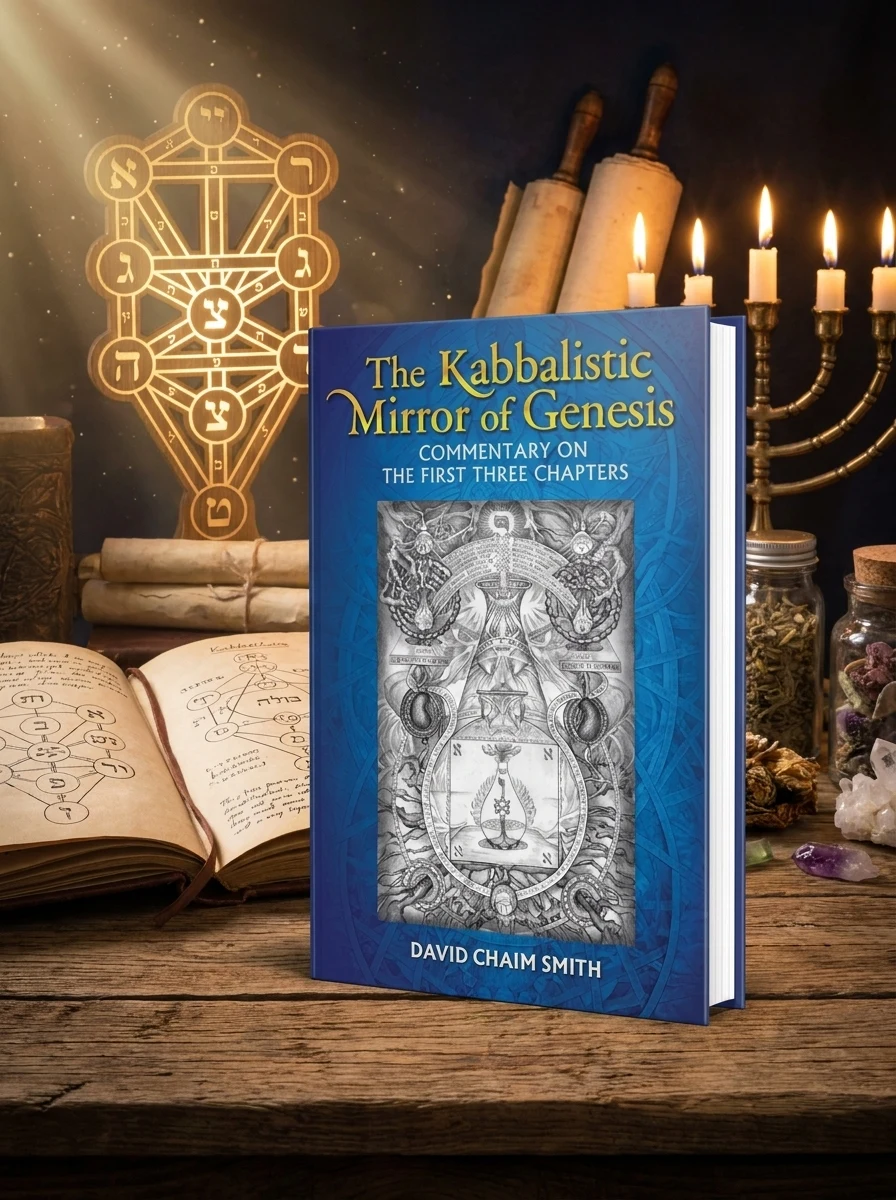
10. The Kabbalistic Mirror of Genesis: Commentary on the First Three Chapters — David Chaim Smith
The Kabbalistic Mirror of Genesis does what Kabbalah does best: it reads sacred text esoterically. Smith shows how Genesis encodes the entire Kabbalistic system. The creation story is not literal history; it's a map of how consciousness unfolds. This book is for readers weary of surface-level biblical interpretation and ready to see the depths beneath the words.
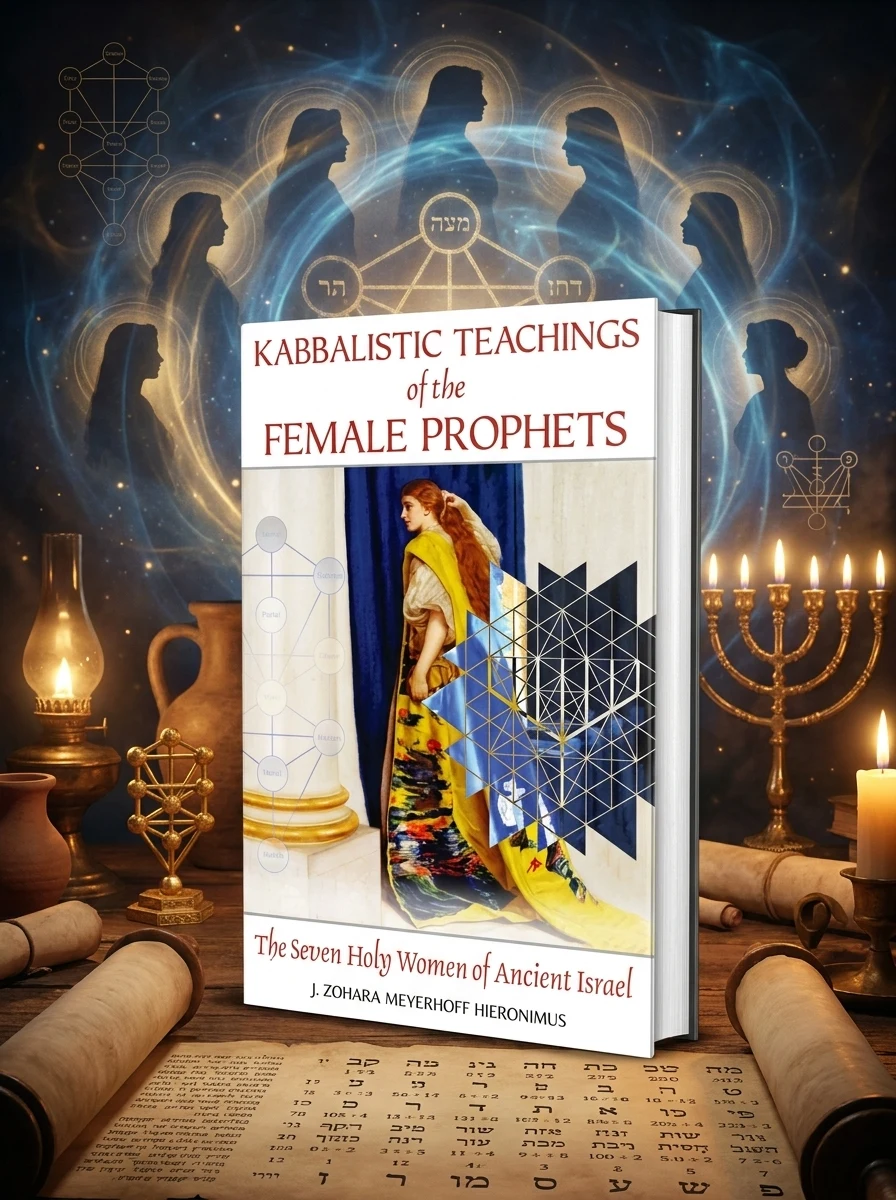
11. Kabbalistic Teachings of the Female Prophets: The Seven Holy Women of Ancient Israel — J. Zohara Meyerhoff Hieronimus
Kabbalistic Teachings of the Female Prophets corrects a major blind spot in Western Kabbalah: the feminine divine. Hieronimus recovers the teachings of seven biblical women—Sarah, Miriam, Deborah, Hannah, Abigail, Esther, and the Shunnamite—showing how their wisdom embodies Kabbalistic principles. If you're drawn to the esoteric and tired of male-centered mysticism, this book is revelatory.
12. Kabbalistic Astrology: The Sacred Tradition of the Hebrew Sages (New Edition) — Rabbi Joel C. Dobin
We've listed this twice because it deserves emphasis: Kabbalistic Astrology by Dobin is the definitive text on how the Hebrew mystical tradition integrates celestial wisdom. Whether you're an astrologer seeking depth or a Kabbalist curious about the stars, this book is foundational.
How to Choose Your Path
You don't need to read all twelve. Here's how to choose:
If you're completely new to Kabbalah: Start with The Kabbalistic Tree of Life by Halevi. It's the clearest introduction to the core map. Once you understand the Tree, everything else makes sense.
If you already read tarot: Go to Kabbalistic Tarot by Krafchow. It will deepen your practice immediately and show you what you've been working with all along.
If you're a ceremonial magician or Golden Dawn student: The Hermetic Tarot by Dowson is your reference. It's precise, systematic, and written for people who already understand magical structure.
If you want practice, not just theory: Choose Fool's Pilgrimage or Tarot and the Gates of Light. Both give you something to do, not just something to think about.
If you're interested in a specific application: Choose by your focus—astrology, healing, sacred text, or feminine wisdom. Each of these books stands alone while also deepening your overall Kabbalistic understanding.
The best approach: buy two or three books that match your current need, read them thoroughly, and let them guide your next purchases. Kabbalah rewards depth over breadth. A single book read three times will teach you more than twelve books skimmed once.