When most people hear "Lemuria," they picture a sunken continent with crystal temples and advanced beings—a fantasy borrowed from New Age paperbacks and Instagram spirituality. But that's not where Lemuria comes from. The serious study of Lemuria begins with Lemuria as a cosmological framework developed by 19th-century theosophists, particularly Helena Blavatsky, who used it to explain humanity's spiritual evolution across root races and planetary cycles. Understanding Lemuria requires reading what the actual architects of this tradition wrote, not what pop culture has made of it.
The problem is that most readers don't know where to start. Blavatsky's Secret Doctrine is dense and difficult. Steiner's work is scattered across multiple volumes. And the contemporary books on Lemuria range from rigorous scholarship to pure channeled fiction, often without clear labeling. If you want to understand how Lemuria functions in serious occult thought—and why it still appears in tarot decks, oracle systems, and modern esoteric practice—you need a map.
This guide collects the books that matter: the foundational theosophical texts, the scholarly reinterpretations, the works that bridge ancient mystery traditions with Lemurian cosmology, and the contemporary oracle and journal systems that show how this framework is actively used in modern spiritual work. Reading these in order will give you what casual Lemuria books cannot: a genuine understanding of why occultists take this seriously.
The Theosophical Foundation: Blavatsky and Steiner
Any serious engagement with Lemuria must begin with the theosophical tradition that created it. Blavatsky didn't invent Lemuria from nothing—she drew on Plato, Hindu cosmology, and esoteric philosophy—but she systematized it into a doctrine of human root races and planetary evolution. Steiner, her student and later rival, developed his own detailed cosmology of Lemuria that differs significantly from hers. These two texts form the bedrock.
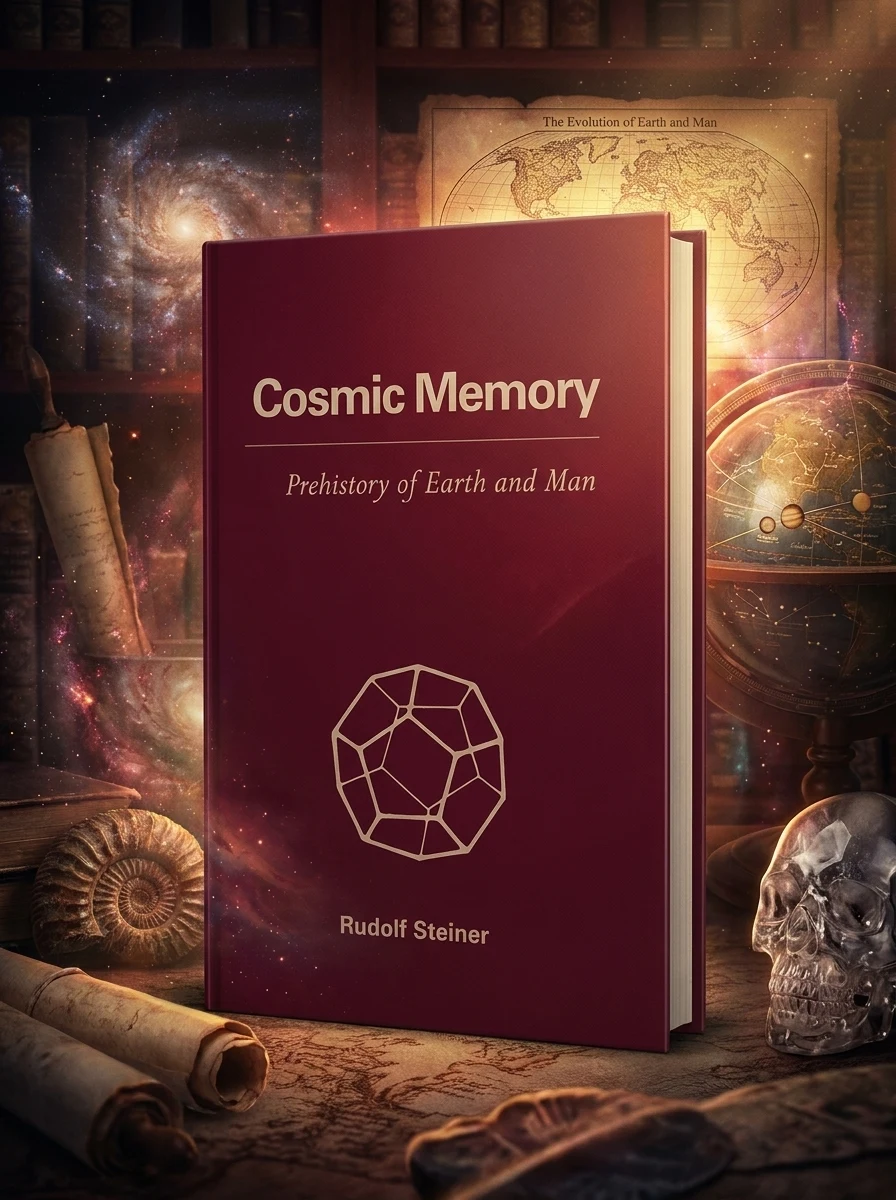
1. Cosmic Memory: The Story of Atlantis, Lemuria, and the Division of the Sexes — Rudolf Steiner
Cosmic Memory is Steiner's direct account of Lemurian civilization, presented as clairvoyant perception rather than historical narrative. Steiner describes Lemuria as a continent where humanity existed in a state of instinctive wisdom, before the development of individual ego consciousness. His account includes the emergence of the sexes, the role of spiritual hierarchies, and the cosmic forces that shaped human development. This is not easy reading—Steiner's prose is abstract and demands active thinking—but it is precise. If you want to understand how a serious occultist actually conceived of Lemuria, not as myth but as spiritual fact, this is essential.
2. Atlantis and Lemuria — Rudolf Steiner
Atlantis and Lemuria is Steiner's more compact treatment, drawing from his lecture cycles. It covers similar ground to Cosmic Memory but with greater accessibility. Steiner positions Lemuria as the third root race epoch, a time when humanity existed in a dream-like state of consciousness, guided by divine beings. He describes the geography, the spiritual capacities of Lemurian humans, and the cosmic events that led to the continent's destruction and the rise of Atlantis. This is the better entry point if you find Cosmic Memory overwhelming.
Scholarly Reinterpretation: Bridging Theosophy and History
The next layer of Lemuria books takes the theosophical framework seriously but attempts to ground it in historical evidence, archaeological anomalies, and cross-cultural mythology. These authors are not debunking Lemuria; they are asking: if Lemuria is real in the way occultists claim, what traces would it leave? What do ancient texts and artifacts tell us?
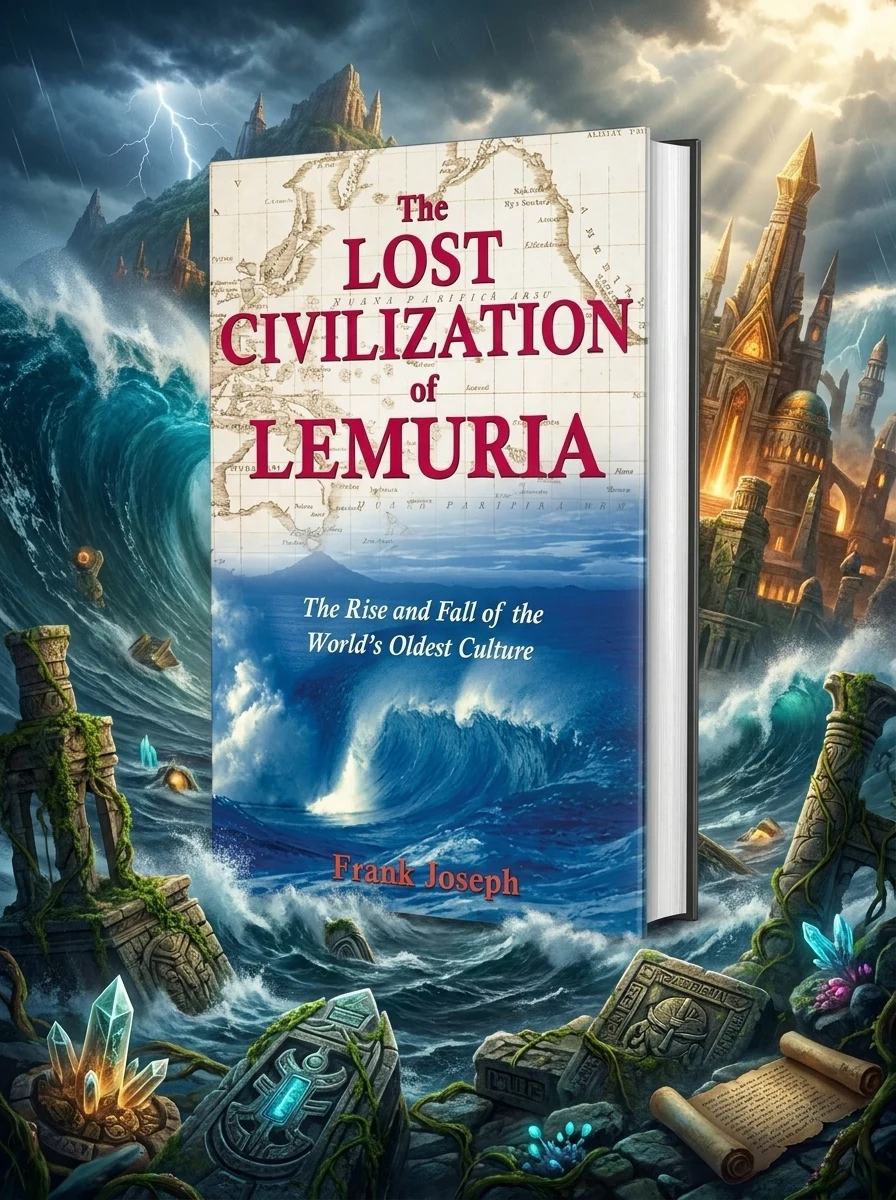
3. The Lost Civilization of Lemuria: The Rise and Fall of the World's Oldest Culture — Frank Joseph
The Lost Civilization of Lemuria is Joseph's comprehensive attempt to historicize Lemuria using geological evidence, comparative mythology, and esoteric sources. Joseph argues that Lemuria was a real continent in the Indian Ocean, home to an advanced civilization that influenced cultures across the Pacific and Indian regions. He draws on Blavatsky but also on modern geological theory, archaeological findings, and indigenous traditions. The book is well-researched and written for a general audience, making it ideal if you want to understand Lemuria as both an esoteric concept and a historical hypothesis.
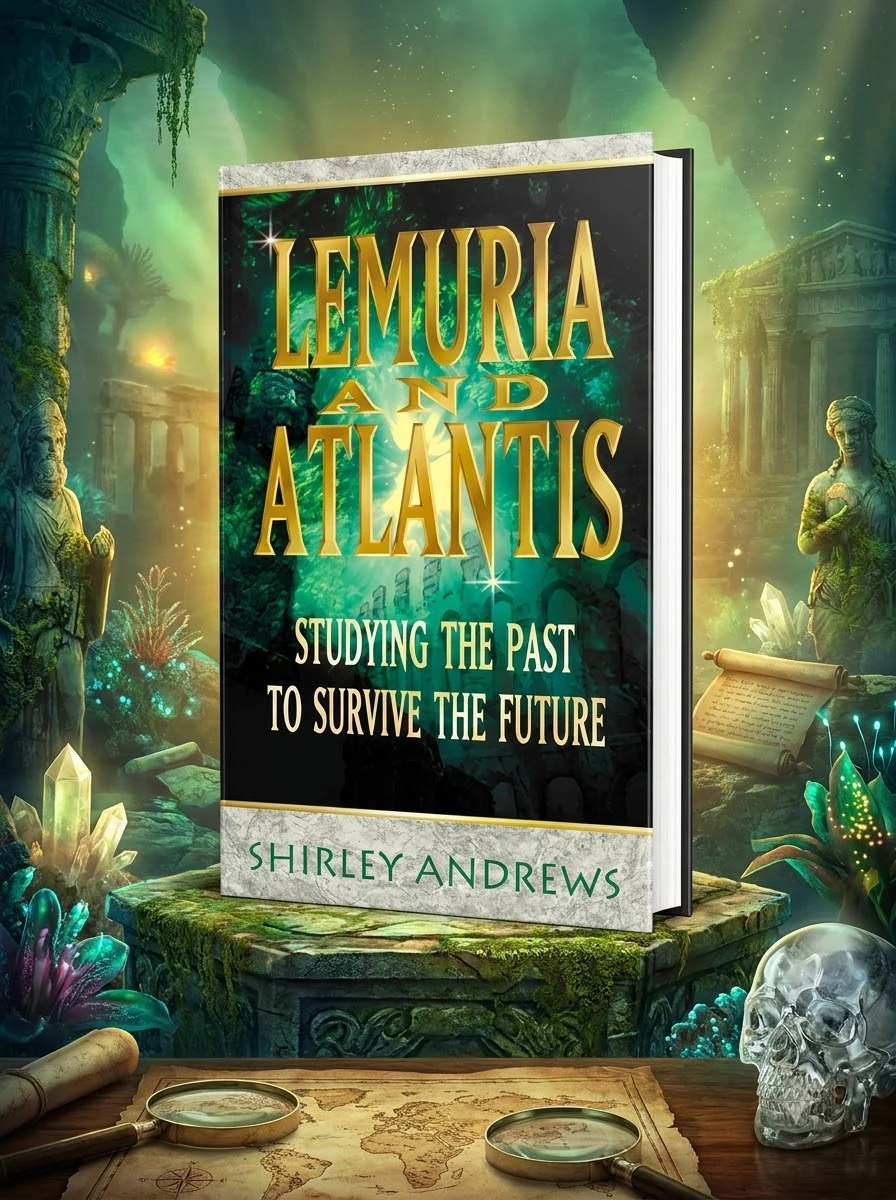
4. Lemuria & Atlantis: Studying the Past to Survive the Future — Shirley Andrews
Lemuria & Atlantis takes a different approach, using Lemurian and Atlantean history as a mirror for modern civilization. Andrews examines what these lost epochs teach us about the rise and fall of cultures, the misuse of spiritual power, and the cycles of human consciousness. She integrates theosophical sources with contemporary spiritual wisdom and practical insight. This book is less about proving Lemuria existed and more about understanding what Lemuria means—what it represents in the occult imagination and why that matters now.
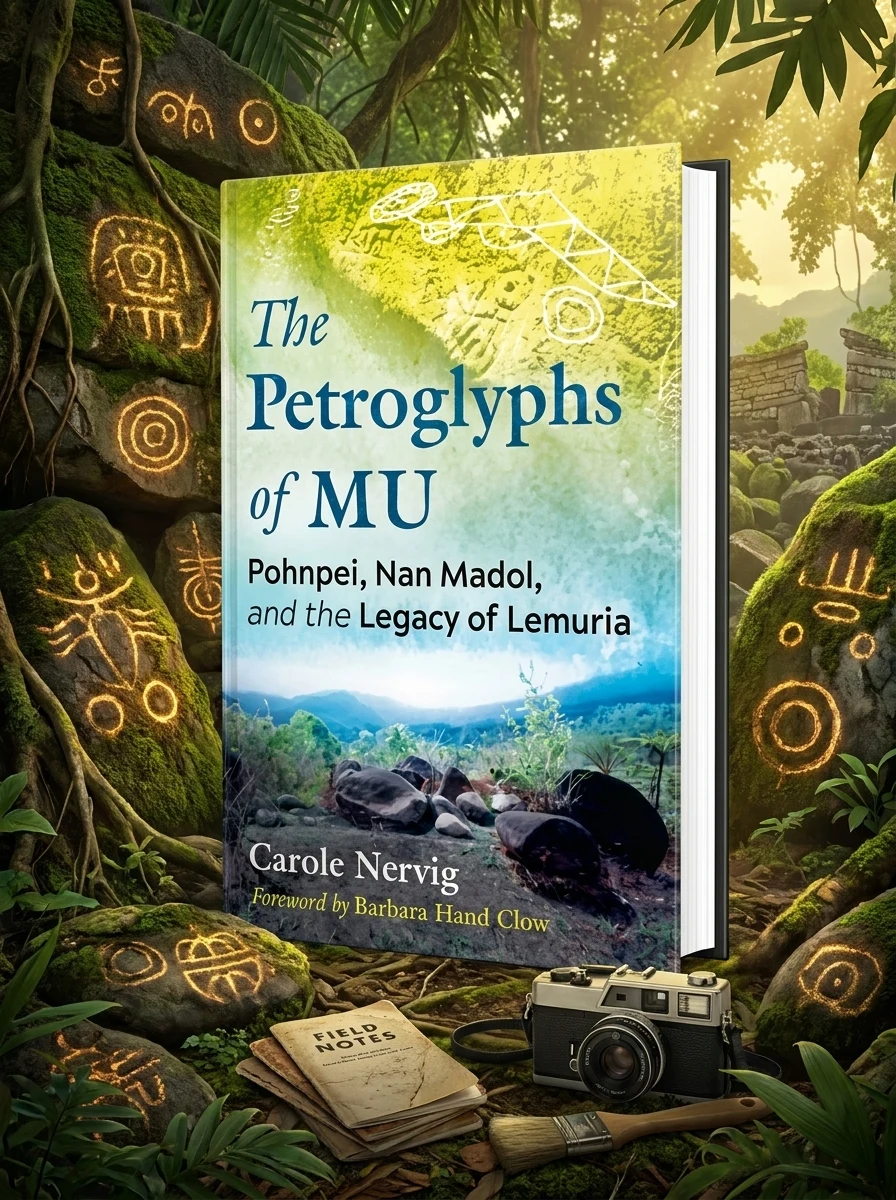
5. The Petroglyphs of Mu: Pohnpei, Nan Madol, and the Legacy of Lemuria — Carole Nervig and Barbara Hand Clow
The Petroglyphs of Mu focuses on the Pacific evidence for Lemuria, particularly the ruins of Nan Madol in Micronesia and the petroglyphs of Pohnpei. Nervig and Clow argue that these sites preserve Lemurian knowledge and symbolism. The book combines archaeological investigation with esoteric interpretation, examining how ancient Pacific cultures maintained memory of a lost mother civilization. This is specialized but valuable if you're interested in how Lemuria connects to actual archaeological sites and indigenous traditions.
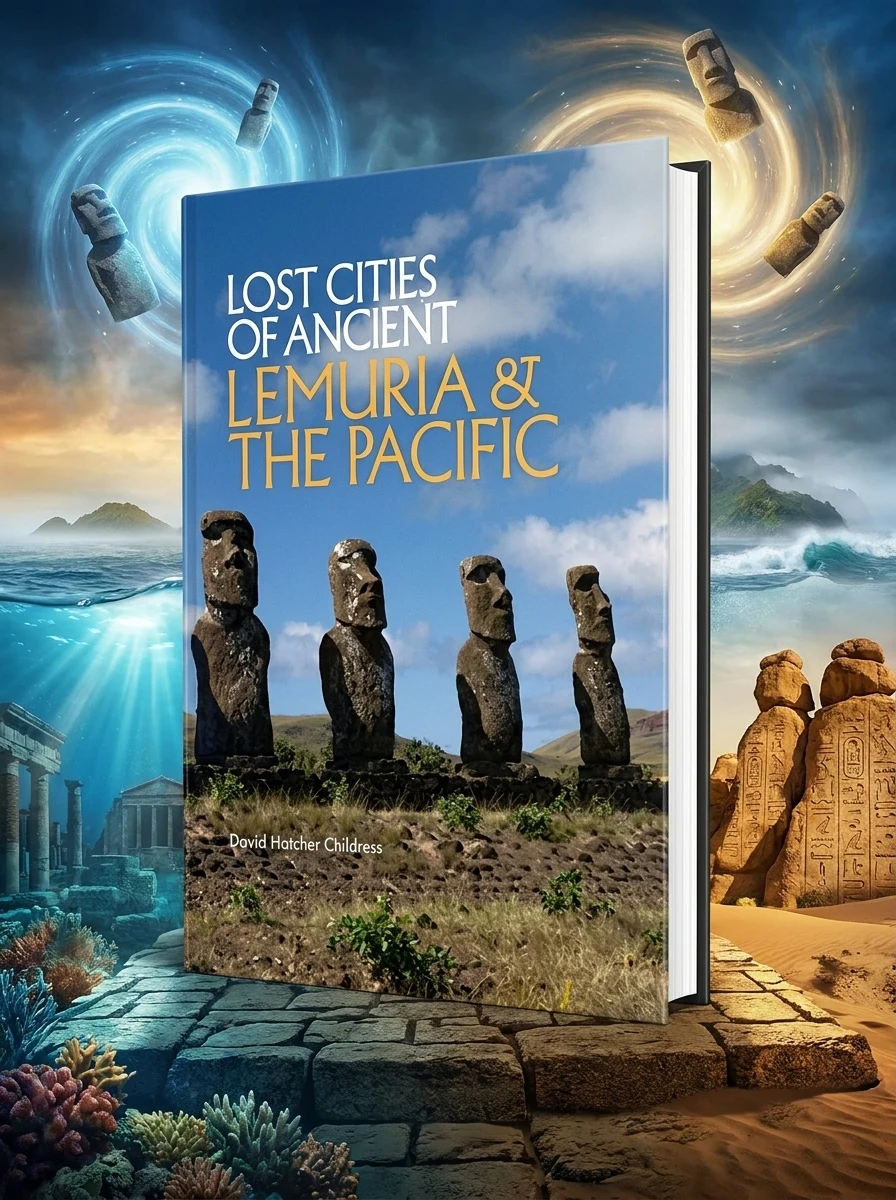
6. Lost Cities of Ancient Lemuria and the Pacific — David Hatcher Childress
Lost Cities of Ancient Lemuria and the Pacific is Childress's exploration of submerged ruins, underwater anomalies, and archaeological mysteries across the Pacific. Childress examines the evidence for a sunken Lemurian civilization and its possible connections to Polynesian, Asian, and American cultures. This book is more speculative than Joseph's or Andrews', but it's useful if you want to see how contemporary researchers are actually hunting for Lemuria.
Esoteric Cosmology and Spiritual Anthropology
Beyond history and archaeology, Lemuria appears in contemporary esoteric work as a spiritual reality—a state of consciousness, a template for human development, or a source of healing wisdom. These books approach Lemuria not as a continent to be proven but as a living tradition within modern occultism.
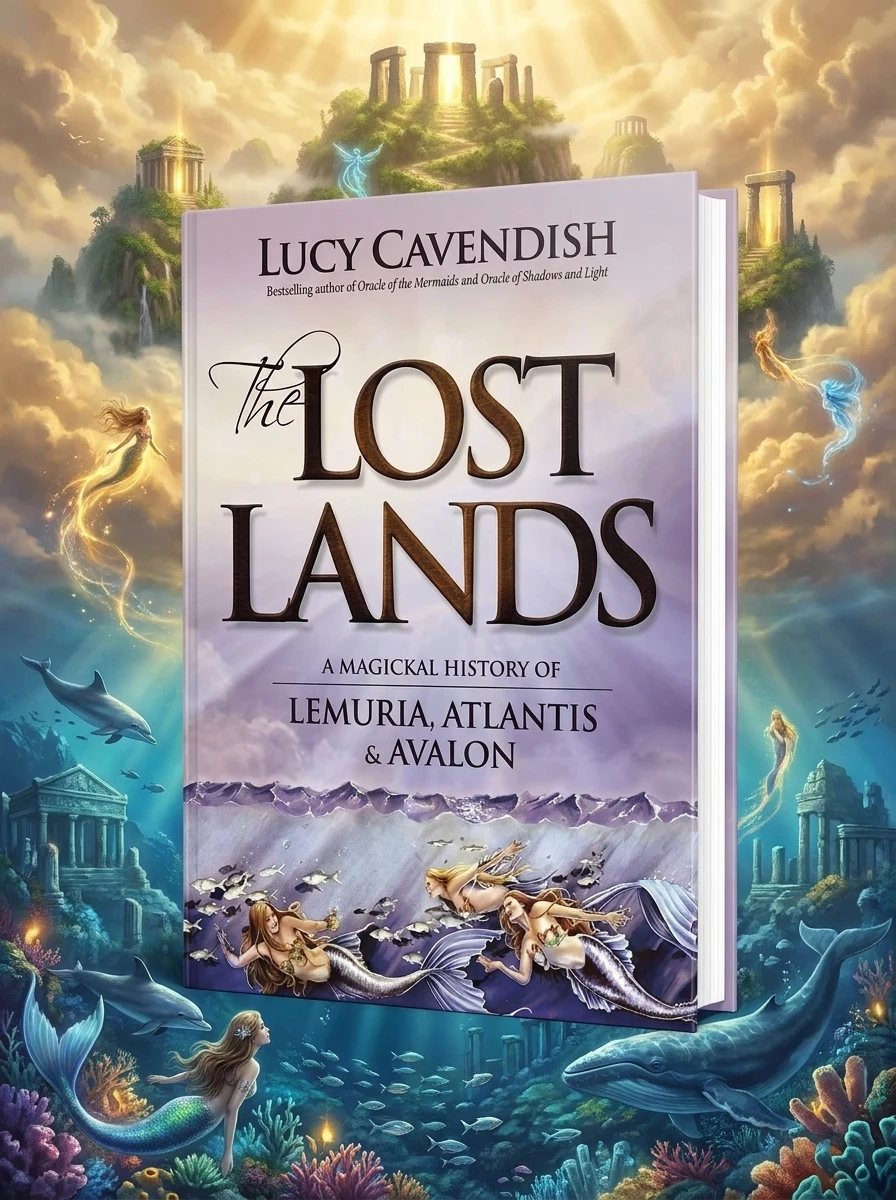
7. The Lost Lands: A Magickal History of Lemuria, Atlantis & Avalon — Lucy Cavendish
The Lost Lands treats Lemuria, Atlantis, and Avalon as interconnected magical traditions rather than separate historical epochs. Cavendish weaves together mythology, tarot symbolism, and esoteric practice to show how these lost lands function in the Western magical imagination. She explores how working with Lemurian energy can deepen spiritual practice and how these archetypal places appear in divination and meditation. This is the book to read if you want to understand how Lemuria actually operates in contemporary witchcraft and occult work.
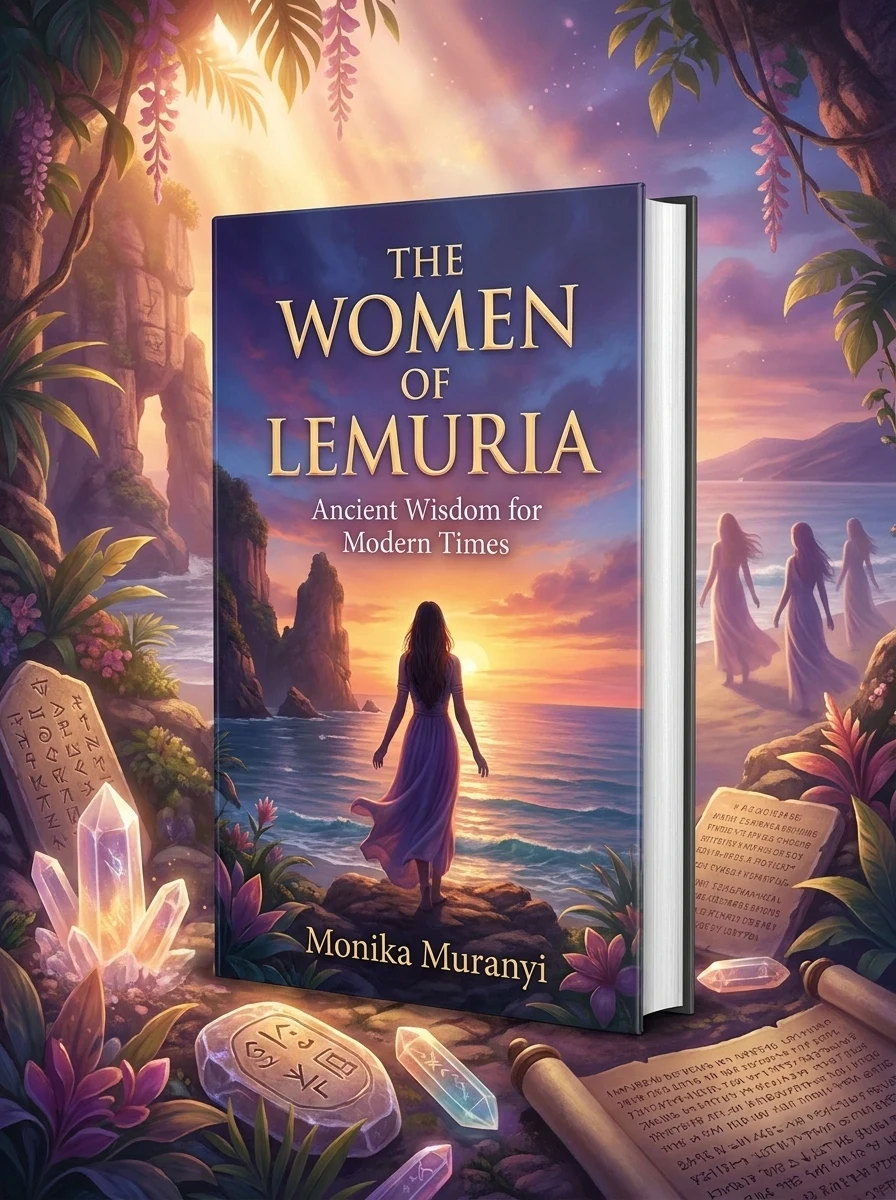
8. The Women of Lemuria — Monika Muranyi
The Women of Lemuria focuses specifically on the divine feminine in Lemurian civilization and its legacy. Muranyi draws on theosophical sources, particularly Blavatsky's work on the role of women in root race development, and explores how Lemurian feminine wisdom is being reclaimed in contemporary spirituality. This is essential reading if you're interested in how gender and the divine feminine function within esoteric cosmology.
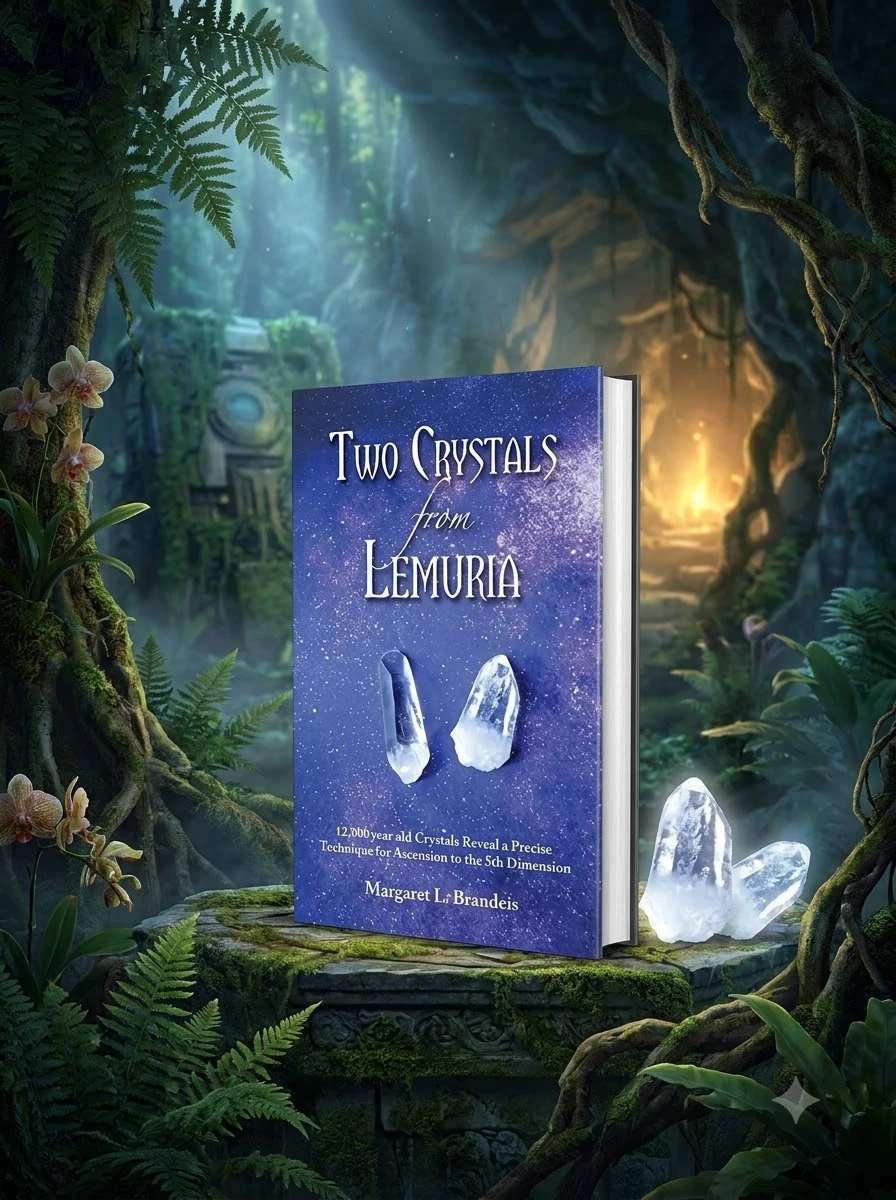
9. Two Crystals From Lemuria: 12,000 Year Old Crystals Reveal a Precise Technique for Ascension to the 5th Dimension — Margaret L. Brandeis
Two Crystals From Lemuria represents a different strand of contemporary Lemurian work: the channeled or intuitive approach. Brandeis presents practical techniques for spiritual ascension based on Lemurian teachings. This book sits at the boundary between serious esoteric work and New Age channeling. It's worth reading because it shows how Lemuria functions in contemporary spiritual practice—as a source of healing technology and evolutionary guidance.
Divination and Journaling: Lemuria in Practice
The most contemporary expression of Lemuria appears in oracle decks and spiritual journals. These tools don't argue about Lemuria's historical reality; they use Lemurian symbolism and energy as a framework for self-reflection and intuitive guidance. If you want to work with Lemuria directly in your spiritual practice, these are the resources.
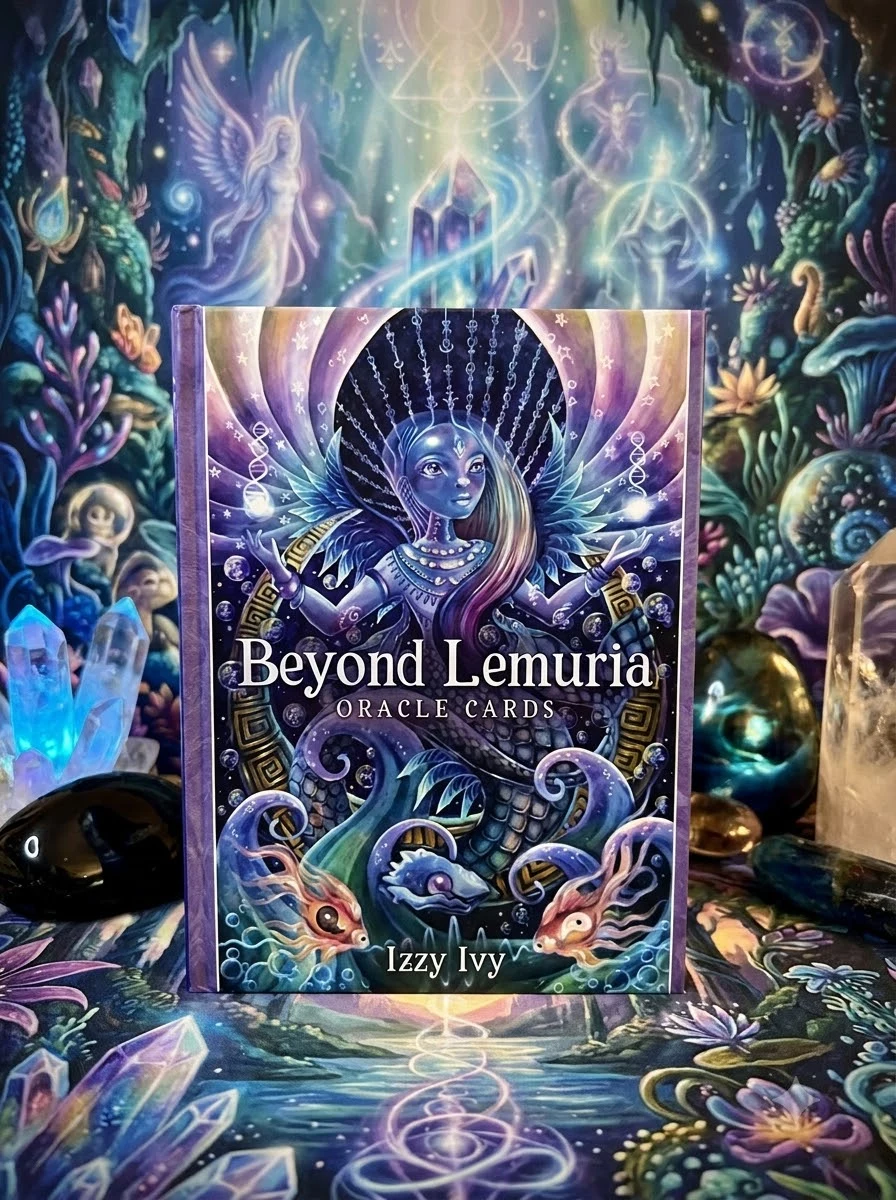
10. Beyond Lemuria Oracle Cards — Ivy, Izzy
Beyond Lemuria Oracle Cards is a full-size oracle deck designed to access Lemurian wisdom and energy. The deck includes 44 cards with detailed guidebook, each card representing different aspects of Lemurian consciousness and spiritual teaching. The artwork is beautiful and the guidebook is thorough. This is the tool to use if you want to bring Lemurian energy into your daily divination practice.
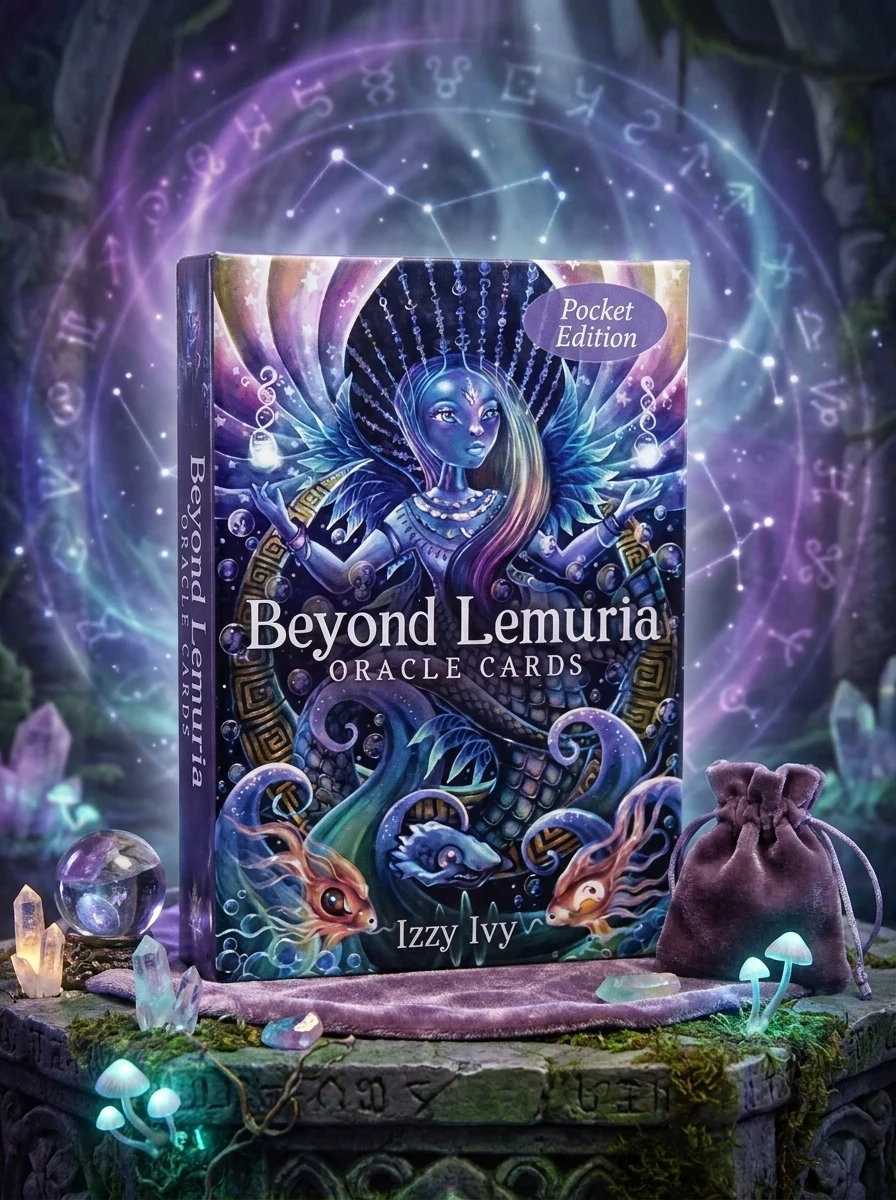
11. Beyond Lemuria Oracle (Pocket Edition) — Ivy, Izzy
Beyond Lemuria Oracle (Pocket Edition) is the portable version of the full deck, ideal for travel or quick readings. It contains the same cards and guidebook in a smaller format.
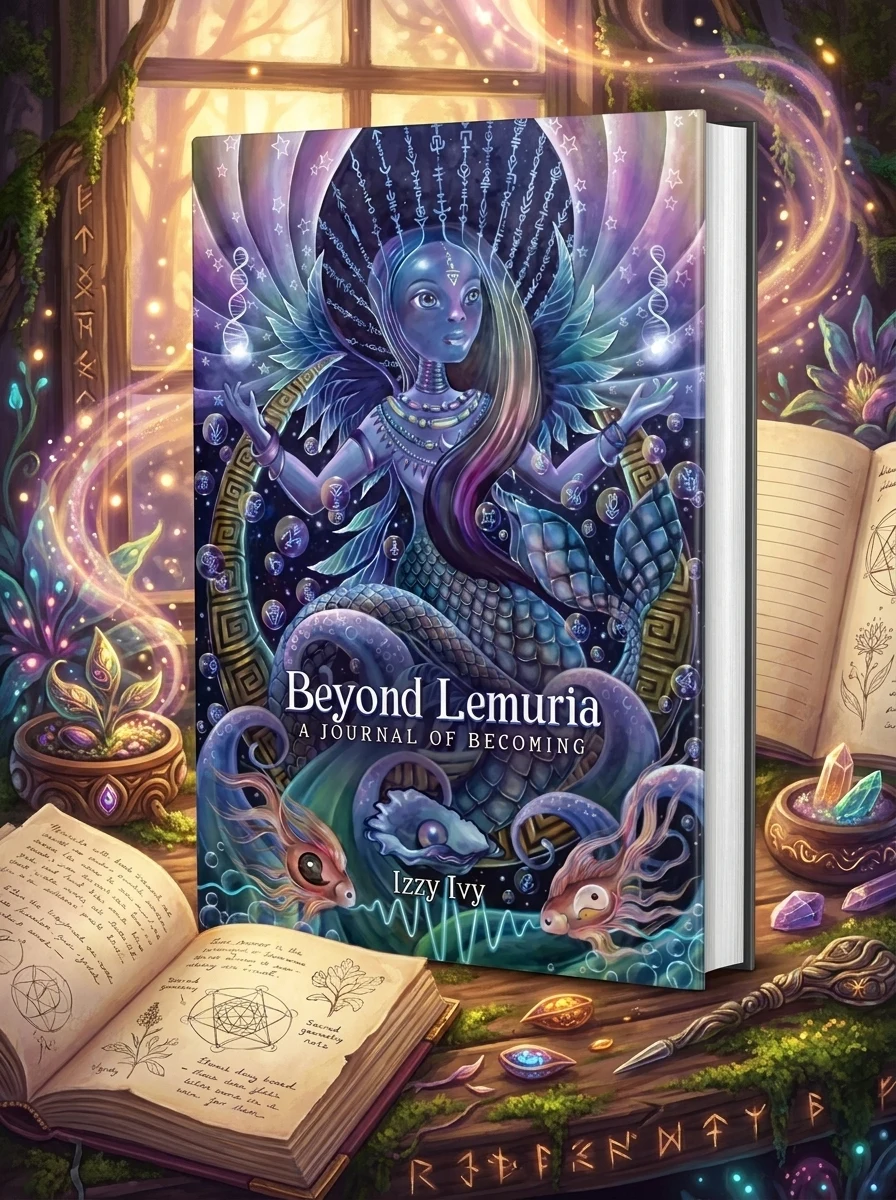
12. Beyond Lemuria Journal: A Journal of Becoming — Ivy, Izzy
Beyond Lemuria Journal is a structured journal designed to support deep spiritual work with Lemurian energy. It includes prompts, reflections, and space for personal writing, all organized around Lemurian themes of awakening, remembrance, and transformation. This is the companion tool if you're doing serious inner work with Lemurian consciousness.