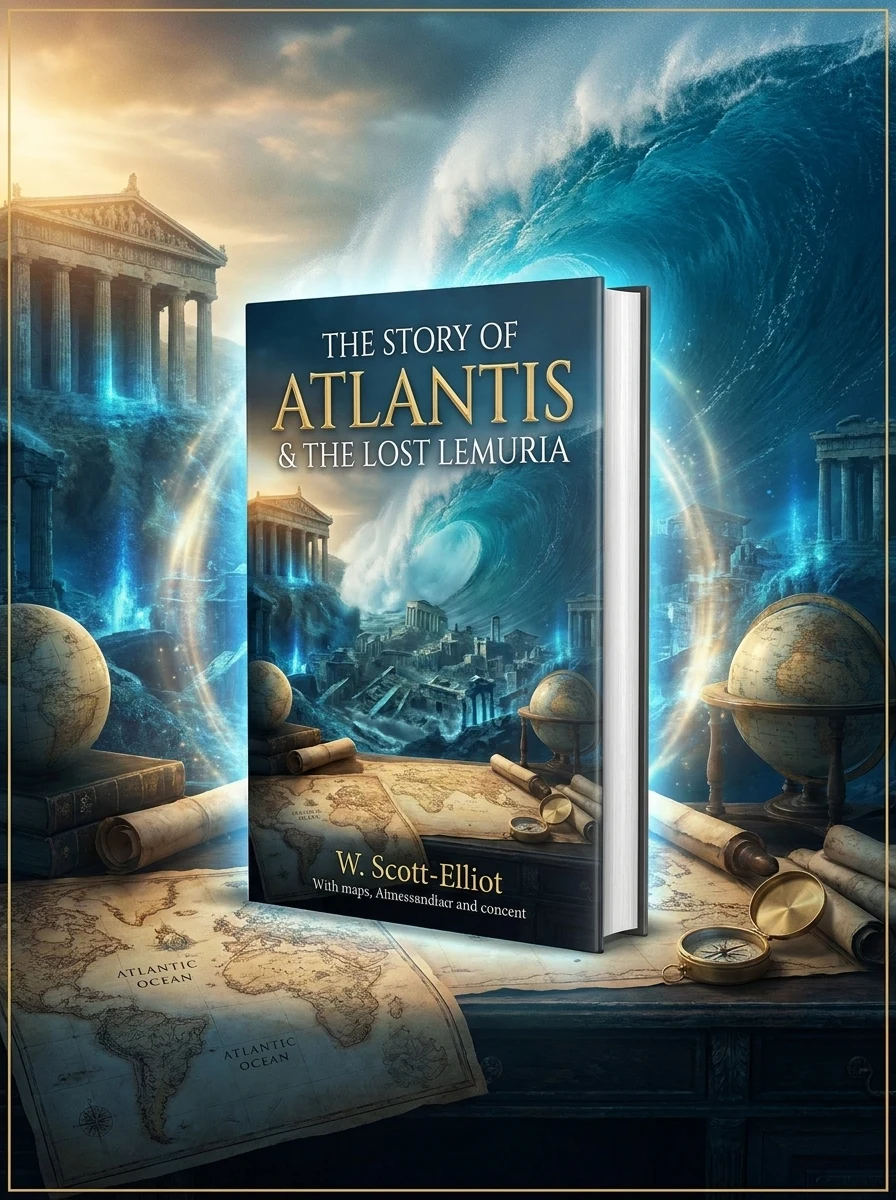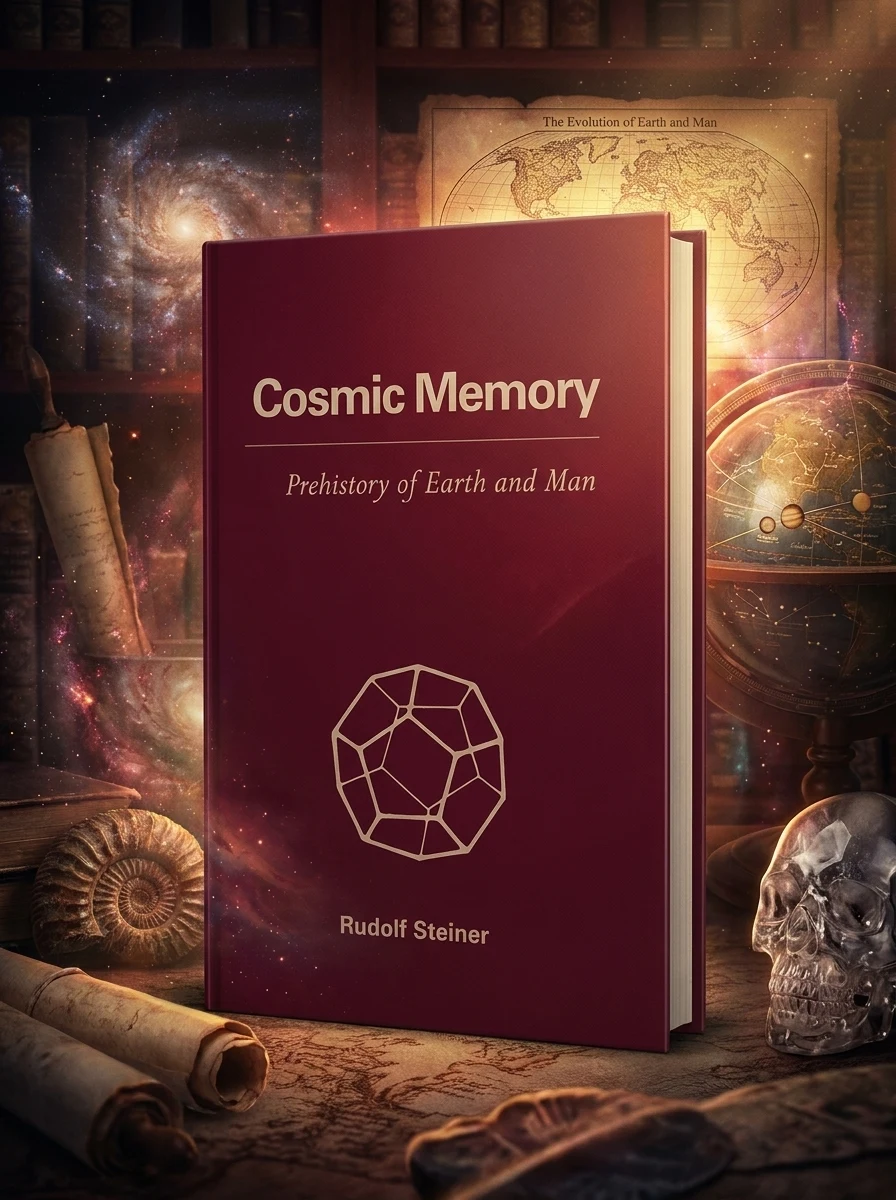
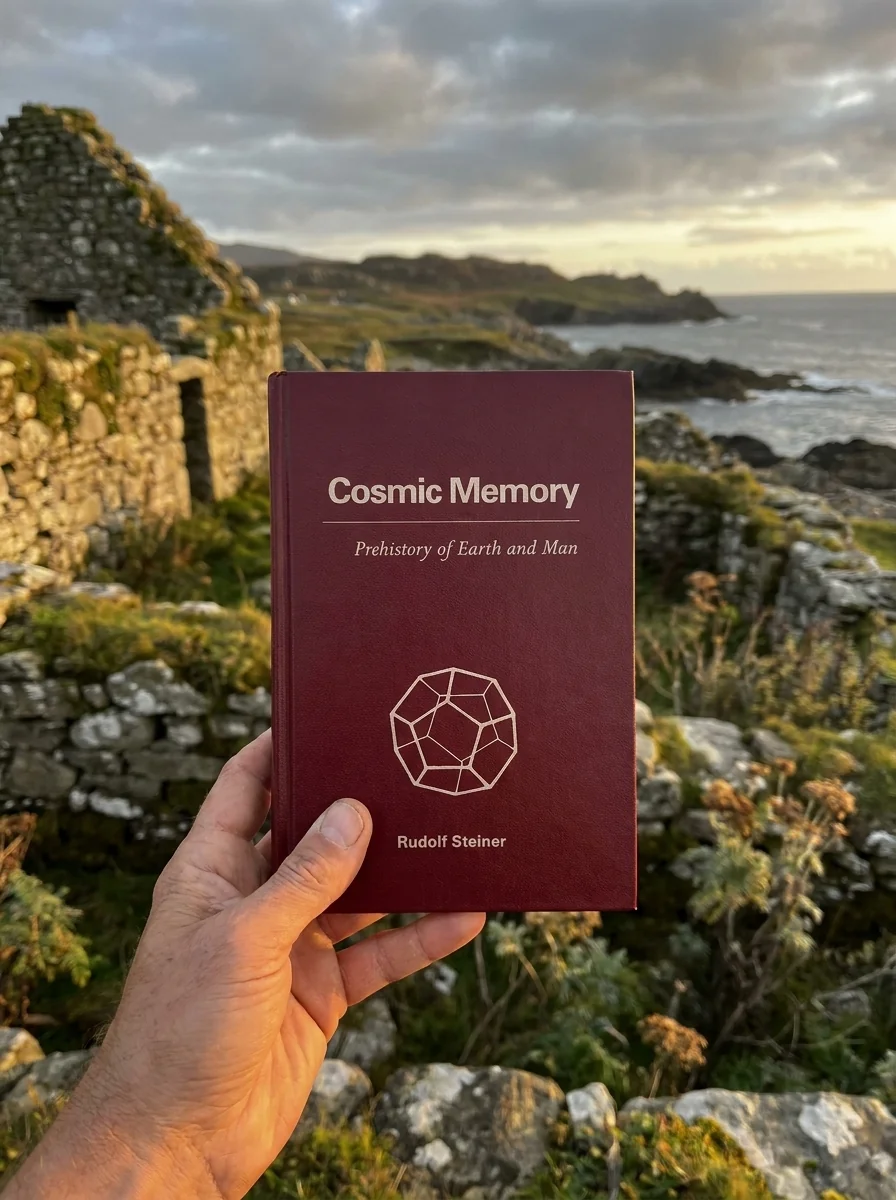
Cosmic Memory: The Story of Atlantis, Lemuria, and the Division of the Sexes (Cw 11)
✍️ Steiner, RudolfRudolf Steiner delves into the "Akashic Record" to reconstruct Earth's earliest epochs, predating conventional history. This seminal work reveals humanity's profound cosmic lineage and its intrinsic role in universal evolution. He explores the fabled civilizations of Atlantis and Lemuria, detailing the development of human consciousness, the emergence of moral concepts like "good" and "evil," and early mastery over natural energies. Cosmic Memory posits that understanding these ancient "root races" is crucial for comprehending our present path and shaping a responsible future for creation itself. It's a profound journey into our forgotten past, essential for conscious evolution.


📝 Description: Cosmic Memory: The Story of Atlantis, Lemuria, and the Division of the Sexes (Cw 11)
💎 Expert review
📖 Why choose it
Why this book is worth reading
Readers drawn to the esoteric roots of human consciousness will find this book profoundly illuminating. Steiner offers a unique lens through which to view moral development and our connection to universal evolution, making it essential for those seeking to understand their place in the cosmos. It provides a coherent narrative for spiritual seekers who feel that conventional history is incomplete. By exploring the forgotten epochs of Atlantis and Lemuria, you gain insight into the origins of good and evil, offering a roadmap for conscious living today. If you are interested in how ancient mastery over natural energies shapes our present reality, this text bridges the gap between past mythologies and future responsibilities.
⭐ Reader reviews
Reader rating
Steiner’s reconstruction of Earth's earliest epochs is ambitious and intellectually rigorous, appealing to those who value systematic spiritual science. However, readers expecting empirical archaeological evidence or mainstream historical accounts will likely find the content speculative and difficult to accept. The dense metaphysical framework may alienate casual readers or skeptics unfamiliar with Anthroposophical terminology. It is not suitable for those seeking light entertainment or quick facts. Instead, it demands a willingness to engage with complex concepts of cosmic lineage and root races. While transformative for open-minded esotericists, the work requires patience and an acceptance of its non-materialist approach to history.
❓ Frequently asked questions
📖 Who should read this
If you seek to grasp humanity's deepest origins and its intricate cosmic connection, this is essential reading. For those intrigued by esoteric history, lost civilizations, and spiritual evolution, Steiner offers a radical worldview, redefining our understanding of past and future.
🎯 Key themes and symbolism
Unveiling Akashic Records
Steiner's method of "spiritual research" allows him to perceive a hidden cosmic archive, often called the Akashic Record. This access provides an alternative chronicle of Earth's past, revealing events and developments that lie beyond conventional historical accounts and material science, offering a profound spiritual perspective on ancient eras.
Atlantis and Lemuria
This work meticulously explores the legendary civilizations of Atlantis and Lemuria, presenting them not as myth but as foundational stages in human development. Steiner details their unique cultures, their advanced understanding of natural forces, and their pivotal role in shaping early human consciousness, including the very concepts of morality.
Humanity's Cosmic Destiny
The book emphasizes humanity's inseparable link to the cosmos, asserting that our evolution is intertwined with the universe's ultimate fate. It argues that understanding our ancient origins and the path we've traversed is vital for consciously directing our future evolution and fulfilling our profound responsibility within the grand scheme of creation.
📜 Historical context
📚 Glossary
- Akashic Record
- Atlanteans
- Root Races
📔 Questions to reflect on
- How might understanding a forgotten cosmic past reshape your perspective on humanity's current challenges and future potential?
- If the concepts of "good" and "evil" evolved through specific historical epochs, how does that inform your personal understanding of morality today?
- Consider the idea of "spiritual research" accessing non-physical records. How might such a method complement or challenge conventional historical inquiry?