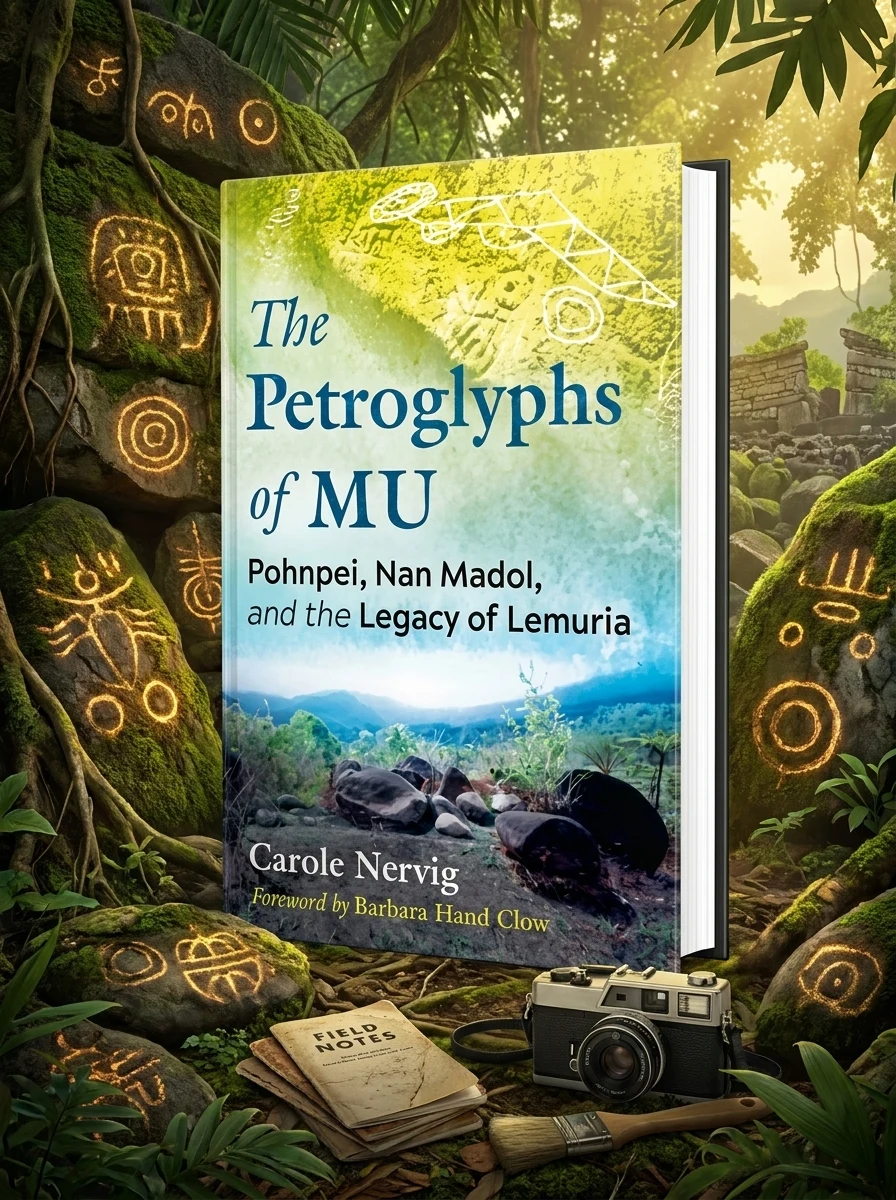
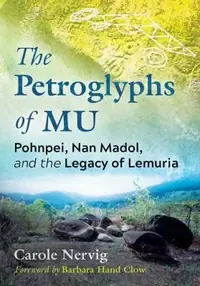
The Petroglyphs of Mu: Pohnpei, Nan Madol, and the Legacy of Lemuria


This edition can be ordered. No arrival date is confirmed.
Uncover ancient secrets etched in stone, revealing a forgotten global heritage.
Carole Nervig's captivating research unearths the mysteries of the Pohnpaid petroglyphs, discovered on the Micronesian island of Pohnpei after a brush fire. This groundbreaking work meticulously documents these never-before-seen carvings, revealing their profound connections to symbolic systems found in ancient cultures worldwide, from Vedic India to the Inca and beyond. Nervig presents a compelling argument that Pohnpaid is not only deeply ancient but also predates the neighboring megalithic city of Nan Madol, suggesting a shared, proto-civilization perhaps linked to the legendary continent of Lemuria. This illustrated volume invites a re-evaluation of humanity's ancient past.
This work sits firmly within the tradition of occult philosophy and alternative archaeology, specifically exploring the legacy of Lemuria and ancient megalithic civilizations. It aligns with esoteric interpretations of global symbolic systems and lost continental histories.


📝 Description: The Petroglyphs of Mu: Pohnpei, Nan Madol, and the Legacy of Lemuria
💎 Expert review
📖 Why choose it
Why this book is worth reading
Readers fascinated by the intersection of ancient mythology, archaeology, and esoteric history will find this volume deeply rewarding. Carole Nervig’s meticulous documentation of the Pohnpei petroglyphs offers a rare glimpse into a forgotten global heritage that challenges conventional historical timelines. Those intrigued by the mysterious connections between Vedic India, Inca symbolism, and Micronesian megalithic structures will appreciate the compelling argument for a shared proto-civilization. This book invites you to re-evaluate humanity's ancient past through the lens of legendary Lemuria, providing a captivating journey into stone-carved secrets that reveal profound symbolic links across vast distances and epochs.
⭐ Reader reviews
Reader rating
Nervig’s research provides a visually rich and intellectually stimulating exploration of Pohnpei’s petroglyphs and their alleged links to Nan Madol and Lemuria. While the illustrated format enhances the appeal for visual learners and enthusiasts of megalithic mysteries, this book may not suit readers seeking strictly peer-reviewed archaeological consensus or those skeptical of alternative history narratives. It is best appreciated by those already open to esoteric perspectives on ancient civilizations. The text serves as a compelling invitation to question established timelines, though it requires an acceptance of its speculative framework regarding global symbolic continuity and the existence of lost continents.
❓ Frequently asked questions
📖 Who should read this
If you're drawn to ancient mysteries, global symbolism, or the compelling possibility of lost civilizations like Lemuria, this book is essential. It's for those who question established historical narratives and seek profound connections across disparate ancient cultures.
🎯 Key themes and symbolism
Universal Symbolic Language
The book meticulously illustrates how the recently unearthed petroglyphs of Pohnpaid share striking similarities with archetypal symbols across diverse ancient cultures. From the intricate patterns of Australian Aboriginal art to the glyphs of Peruvian Incas and the runes of Norse traditions, Nervig unveils a compelling visual tapestry, suggesting a universal symbolic lexicon that transcends geographical and cultural boundaries, hinting at a shared origin for spiritual and artistic expression.
Pohnpei's Lost Antiquity
Nervig’s work challenges conventional archaeological timelines by focusing on the Pohnpaid site, which she posits as significantly older than the more famous Nan Madol. The discovery of these petroglyphs, previously unknown even to local preservationists, provides new evidence that Pohnpei harbors a deeper, more ancient history than previously understood. This re-evaluation positions Pohnpaid as a critical link in understanding the region's megalithic past.
Echoes of Lemuria
This volume bravely ventures into the realm of speculative archaeology, proposing a connection between the Pohnpaid petroglyphs and the fabled sunken continent of Lemuria, or Mu. By drawing parallels between the discovered symbols and the narratives of lost civilizations, Nervig offers a framework for understanding these ancient carvings not merely as local art, but as remnants of a vast, forgotten global culture that shaped humanity’s earliest symbolic expressions.
💬 Quotes from the book
“The silent stones of Pohnpaid whisper a forgotten narrative, echoing symbols found in the most distant corners of our ancient world.”
“Before the grandeur of Nan Madol, Pohnpaid's petroglyphs laid the symbolic groundwork, a testament to a civilization whose legacy reaches back to the mythic shores of Lemuria.”
📜 Historical context
📚 Glossary
- Petroglyph
- Megalithic
- Lemuria (Mu)
📔 Questions to reflect on
- If ancient symbols are indeed universal, what does this imply about the origins of human consciousness and our shared spiritual heritage?
- Consider the possibility of a lost global civilization. How might its existence reshape our understanding of human history and cultural development?
- Reflect on how modern archaeological discoveries, like the Pohnpaid petroglyphs, can challenge and expand our established historical narratives.
🏛 Books from this publisher Bear & Company
All books from this publisher →

You might also like
See more →