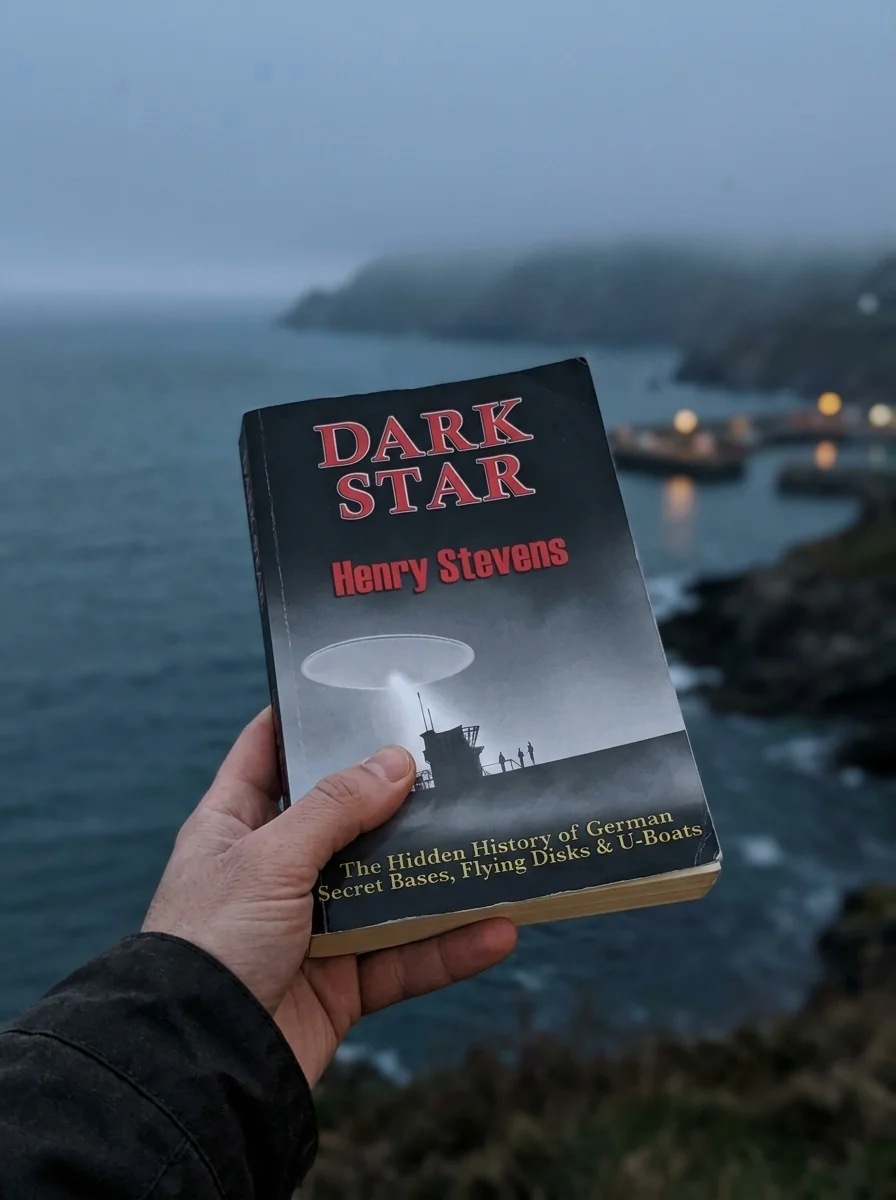

Dark Star: The Hidden History of German Secret Bases, Flying Disks & U-Boats
Step into the twilight of World War II as author Henry Stevens meticulously uncovers the untold stories of the Third Reich's clandestine operations. This provocative investigation delves into the fate of their advanced technology, from the mysterious Haunebu flying disks—reportedly inspired by Nikola Tesla's work—to an elite U-boat fleet that seemingly vanished. Stevens traces the escape routes of high-ranking Nazis to secret strongholds in South America and the Canary Islands, revealing a narrative where the war's end was merely a new beginning for a shadow network of power and innovation. Prepare to question everything you thought you knew about 1945.


📝 Description: Dark Star: The Hidden History of German Secret Bases, Flying Disks & U-Boats
💎 Expert review
📖 Why choose it
Why this book is worth reading
Readers fascinated by the intersection of World War II history and esoteric speculation will find this book a compelling read. Henry Stevens offers a provocative look at the Third Reich’s hidden world, detailing everything from the mysterious Haunebu flying disks to elite U-boat fleets that seemingly vanished into thin air. It appeals to those intrigued by the idea of a shadow network of power escaping to South America or the Canary Islands. If you enjoy uncovering the untold stories behind advanced technology and mythical narratives, this investigation provides a thrilling journey into the twilight of the war, challenging conventional views on 1945 and revealing a new beginning for innovation in the shadows.
⭐ Reader reviews
Reader rating
Stevens delivers a provocative narrative that blends historical inquiry with speculative occultism, focusing on the Reich’s deepest secrets. The book is ideal for enthusiasts of alternative history who appreciate tales of flying disks and advanced U-boats inspired by figures like Nikola Tesla. However, it may not suit readers seeking strict, peer-reviewed academic historiography or those skeptical of esoteric interpretations of military technology. The work leans heavily into the mysterious and the clandestine, offering a compelling, albeit unorthodox, perspective on the war's end. It is best consumed as an engaging exploration of myth rather than factual record, appealing to those who enjoy questioning established narratives about power and innovation.
❓ Frequently asked questions
📖 Who should read this
If you're captivated by the untold chapters of World War II, intrigued by secret technology, or drawn to theories of hidden history, this volume is for you. Readers who enjoy speculative history and the pursuit of covert operations will find its detailed research and compelling narratives utterly engrossing.
🎯 Key themes and symbolism
Post-War Nazi Enigmas
This book thoroughly explores the persistent rumors and documented evidence surrounding Nazi escapes post-1945. It meticulously tracks individuals like Otto Skorzeny and the establishment of hidden communities, particularly in South America and the Canary Islands, suggesting a concerted effort to preserve the Reich's ideology and assets beyond the official surrender.
Advanced German Technology
Stevens delves into the fascinating, often speculative, realm of advanced Nazi weaponry and propulsion systems. He provides an in-depth look at projects like the Haunebu flying disks and revolutionary U-boat designs, even drawing connections to Nikola Tesla's visionary engineering, positing that these innovations were far ahead of their time and possibly utilized after the war's conclusion.
Secret Global Bases
The narrative uncovers the geographical extent of the Third Reich's hidden infrastructure. From remote U-boat havens in Greenland to the clandestine base at Fuerteventura, the book paints a picture of a global network designed to harbor secret projects and facilitate post-war continuity. It challenges the conventional understanding of Nazi defeat, proposing a more complex, enduring presence.
📜 Historical context
📚 Glossary
- Haunebu
- Hans Kammler
- Fuerteventura
📔 Questions to reflect on
- How might the course of history have been altered if the advanced technologies discussed in this book had been widely known or successfully deployed during or after WWII?
- Reflect on the human desire to believe in hidden truths and secret histories. What societal or psychological needs do narratives like 'Dark Star' fulfill?
- Consider the ethical implications of developing and deploying 'wonder weapons' during wartime. How does the pursuit of technological superiority intersect with moral boundaries?