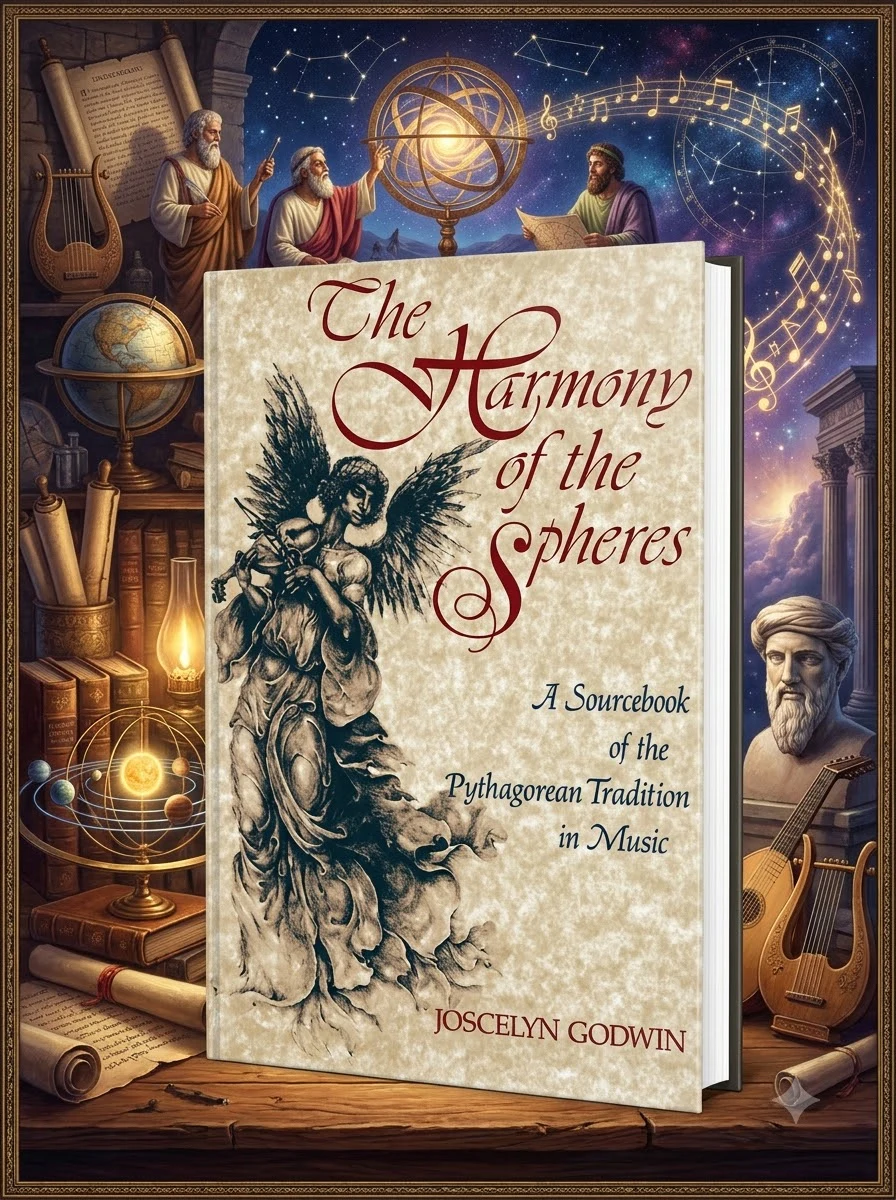
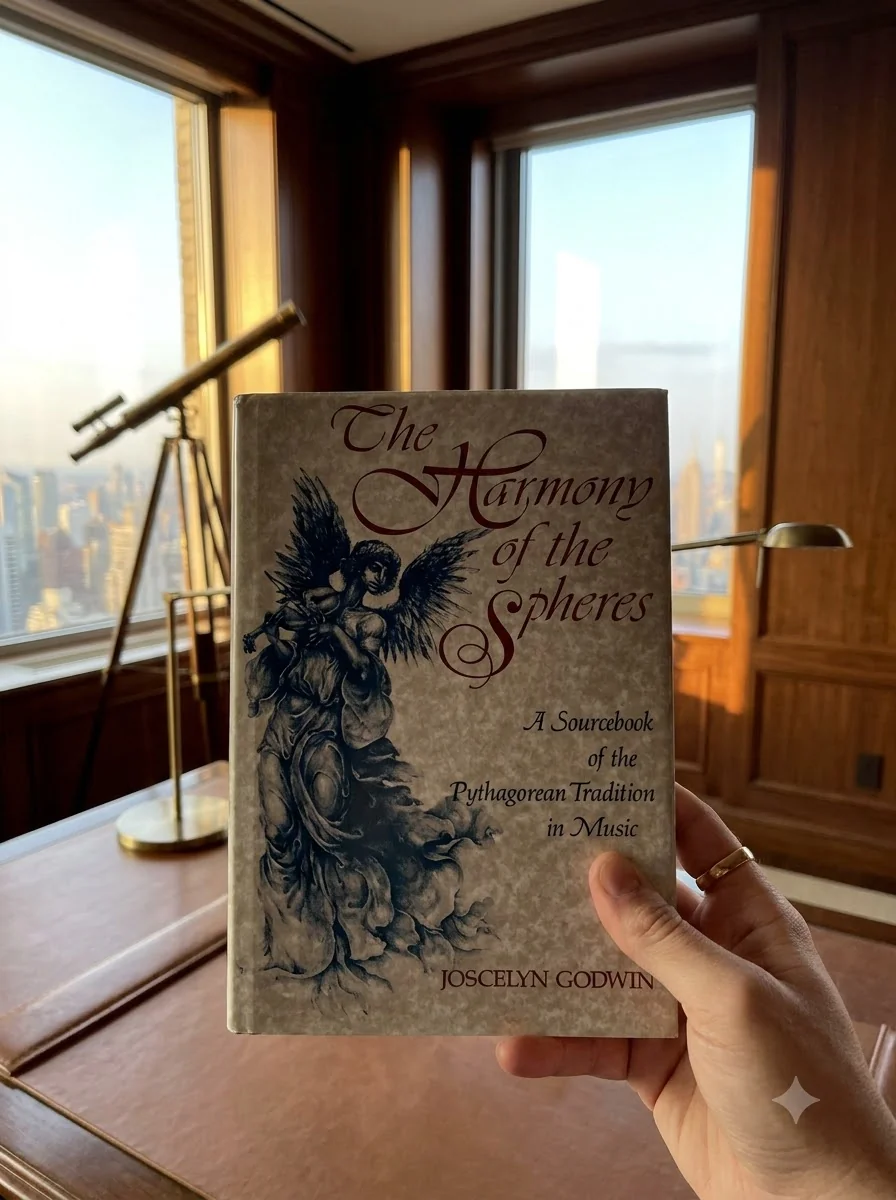
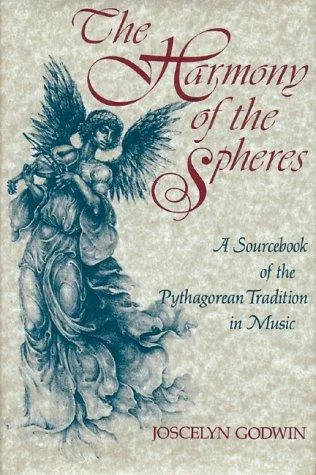
The Harmony of the Spheres: The Pythagorean Tradition in Music
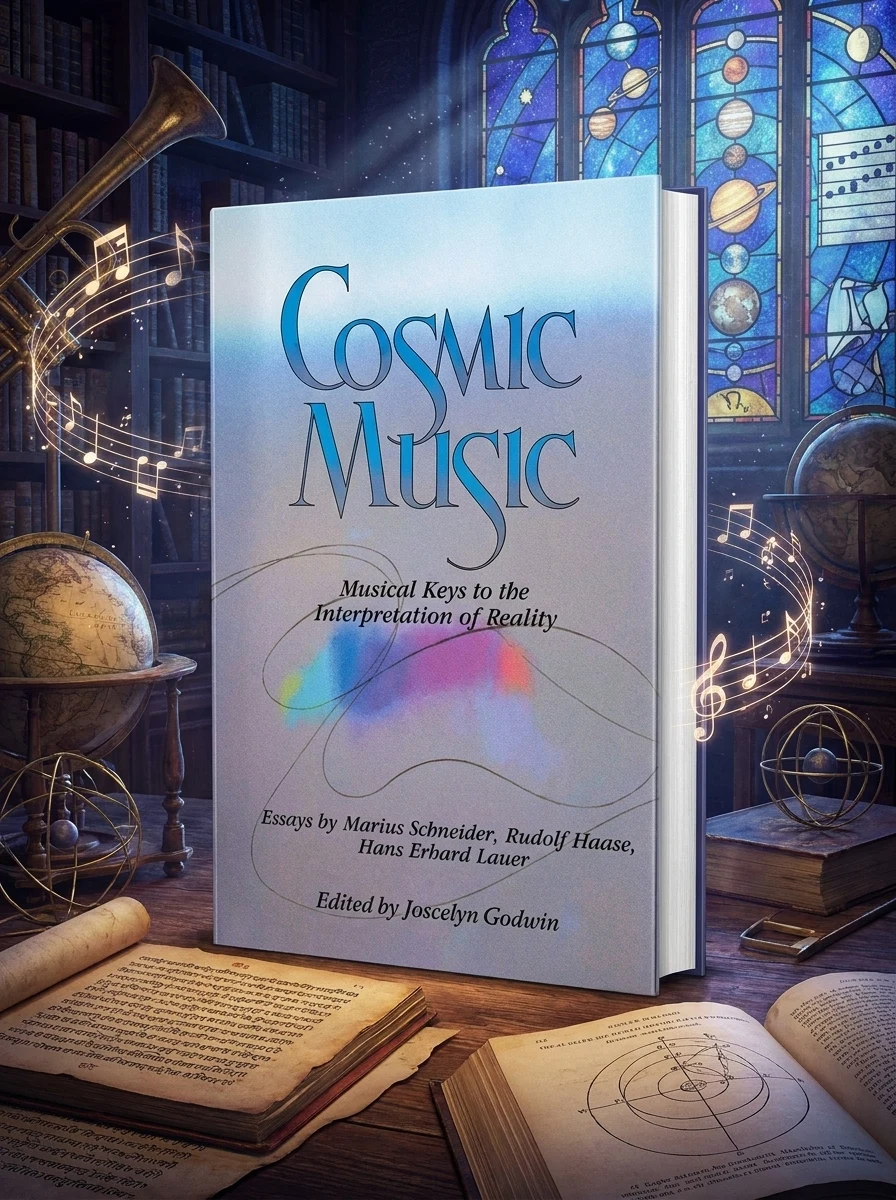
✍️ Godwin, JoscelynJoscelyn Godwin, a respected musicologist, delves into the enduring concept that the universe itself functions as a vast, harmonious musical composition. From the earliest philosophical ponderings to contemporary esoteric traditions, this insightful work explores how the "music of the spheres" has captivated thinkers. Discover how this profound idea influenced not only ancient Greek philosophy but also medieval cosmology, Renaissance art, and even modern scientific inquiry, revealing a continuous thread connecting celestial mechanics with human perception of beauty and order.


📝 Description: The Harmony of the Spheres: The Pythagorean Tradition in Music
📑 What's inside
- Preface and Acknowledgments
- I. Classical
- 1. Plato
- 2. Pliny The Elder
- 3. Nicomachus of Gerasa
- 4. Theon of Smyrna
- 5. Ptolemy
- 6. Censorinus
- 7. The Hymns of Orpheus
- 8. Saint Athanasius
- 9. Aristeides Quintilianus
- 10. Calcidius
- 11. Macrobius
- 12. Proclus
- 13. Boethius
- II. Medieval
- 14. Hunayn
- 15. Aurelian of Reome
- 16. John Scotus Eriugena
- 17. Regino of Prum
- 18. The Ikhwan Al-Safa" (Brethren of Purity)
- 19. Al-Hasan Al-Katib
- 20. Anonymous of the Twelfth Century
- 21. Isaac Ben Abraham Ibn Latif
- 22. Jacques De Liege
- 23. Ugolino of Orvieto
- 24. Giorgio Anselmi
- 25. Isaac Ben Haim
- III. Renaissance
- 26. Marsilio Ficino
- 27. Ramis de Pareja
- 28. Pico Della Mirandola
- 29. Franchino Gafori
- 30. Francesco Giorgi
- 31. Heinrich Glarean
- 32. Gioseffo Zarlino
- 33. Jean Bodin
- IV. Baroque
- 34. Johannes Kepler
- 35. Robert Fludd
- 36. Marin Mersenne
- 37. Athanasius Kircher
- 38. Angelo Berardi
- 39. Andeas Werckmeister
- V. Enlightenment and Romanticism
- 40. Isaac Newton
- 41. Jean-Philippe Rameau
- 42. Giuseppe Tartini
- 43. Louis-Claude De Saint-Martin
- 44. Johann Friedrich Hugo Von Dalberg
- 45. Arthur Schopenhauer
- 46. Fabre D'Olivet
- 47. Alphonse Toussenel
- 48. Peter Singer
- 49. Albert Von Thimus
- 50 Isaac Rice
- 51. Saint-Yves D'Alveydre
- 52. Azbel
- Notes Bibliography Index Nominum Index Rerum
💎 Expert review
📖 Why choose it
Why this book is worth reading
Readers fascinated by the hidden connections between celestial mechanics and human perception will find this book deeply rewarding. It is ideal for those interested in how ancient philosophical ponderings evolved into modern scientific inquiry and esoteric traditions. Joscelyn Godwin’s respected musicological background ensures the content is insightful without being overly dense, making it perfect for seekers of cosmic melodies and their impact on thought. If you wish to understand the continuous thread connecting beauty, order, and the universe's harmonious composition, this text offers a profound journey through history and metaphysics.
⭐ Reader reviews
Reader rating
Godwin provides a comprehensive survey of the 'music of the spheres' concept, tracing its influence from ancient Greece through to contemporary esotericism. The work is scholarly and well-researched, appealing to those who enjoy intellectual depth in occult studies. However, it may not suit readers seeking practical magical techniques or immediate spiritual experiences, as the focus remains firmly on historical and philosophical analysis rather than application. Those looking for a quick, entertaining read might find the academic tone somewhat dry, but it is an essential resource for understanding the intellectual foundations of cosmic harmony.
❓ Frequently asked questions
📖 Who should read this
If you're fascinated by the intersection of music, cosmology, and philosophy, or seek to understand the esoteric underpinnings of Western thought, this journey into the "music of the spheres" is essential. It's for anyone who believes there's more to the universe than meets the eye—or ear.
🎯 Key themes and symbolism
Cosmic Harmony's Legacy
Explore the historical lineage of the cosmic harmony concept, originating in ancient Greece and evolving through diverse intellectual traditions. Godwin meticulously illustrates how this foundational idea persisted, shaping the views of philosophers, scientists, and mystics across millennia, demonstrating its remarkable intellectual resilience.
Music as Universal Structure
This book reveals how music wasn't merely an art form but often considered a blueprint for the universe's very structure. Delve into the profound belief that planetary movements and mathematical ratios mirror musical intervals, suggesting an underlying order that is both audible and visible throughout creation.
Mysticism and Scientific Inquiry
Discover the fascinating interplay between mystical intuition and empirical observation within the Pythagorean tradition. Godwin illuminates how figures, from Plato to Kepler, found spiritual resonance and scientific inspiration in the harmony of the spheres, blending esoteric insight with a quest for rational understanding of the cosmos.
📜 Historical context
📚 Glossary
- Music of the Spheres
- Pythagorean Tradition
- Cosmic Harmony
📔 Questions to reflect on
- How might our perception of the universe change if we truly believed it was a living, breathing musical instrument?
- Consider how the concept of "harmony" extends beyond music into other aspects of your life or understanding of the world.
- In what ways do you think modern science or spirituality still seeks to uncover an underlying "music" or order in the cosmos?