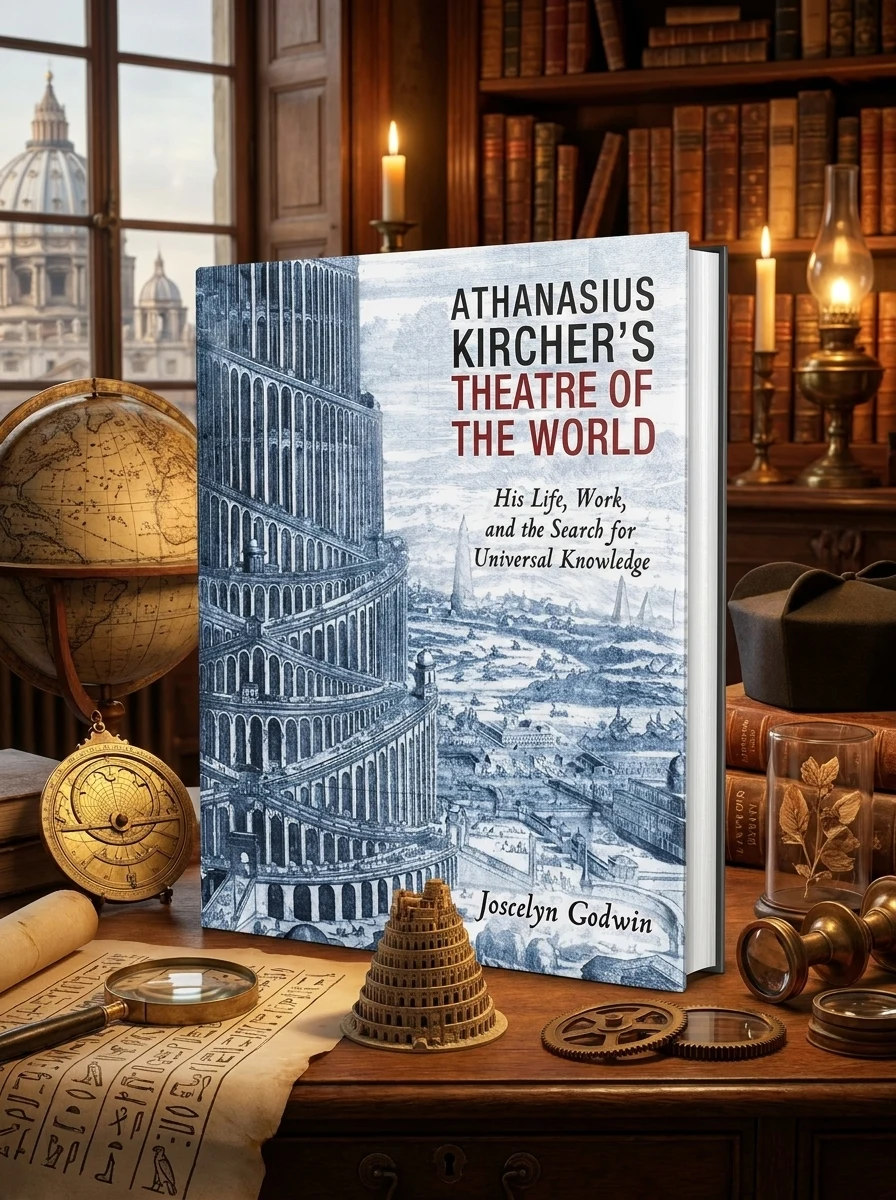
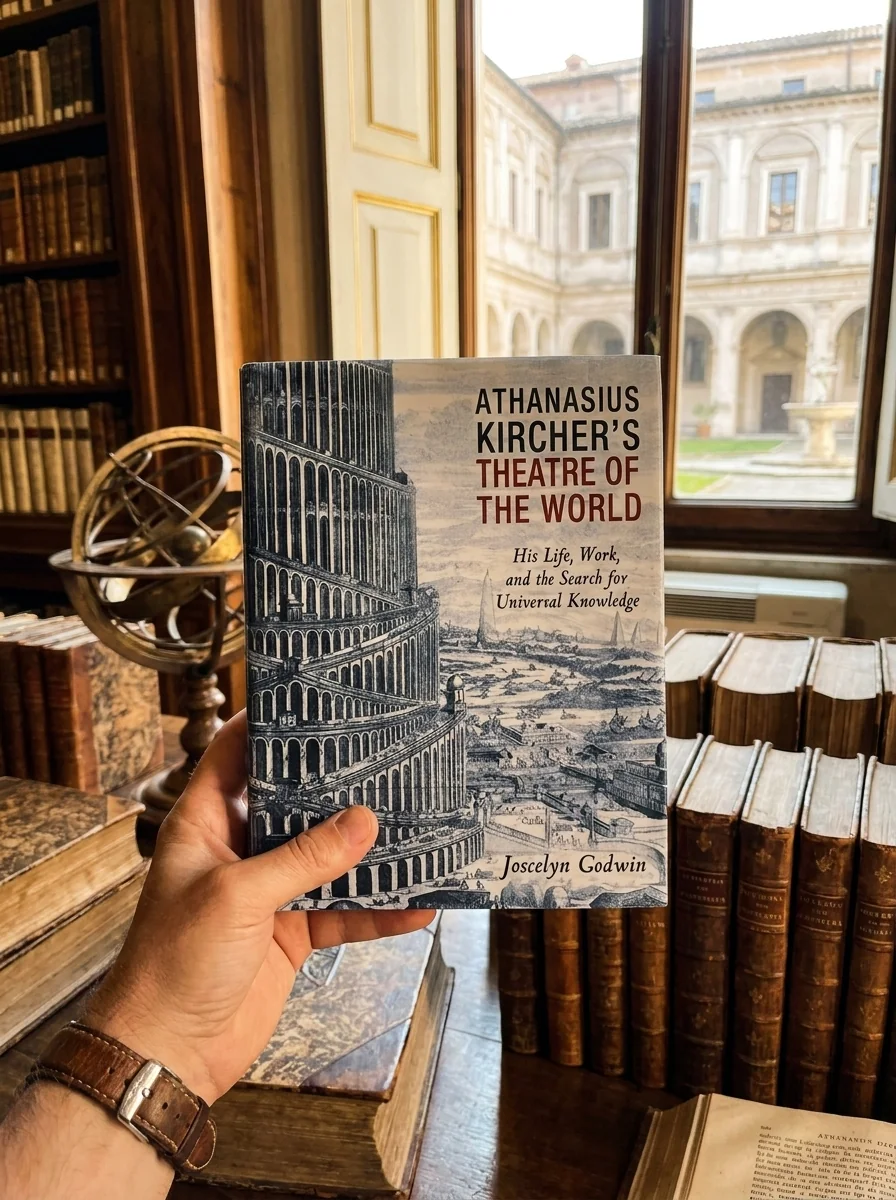
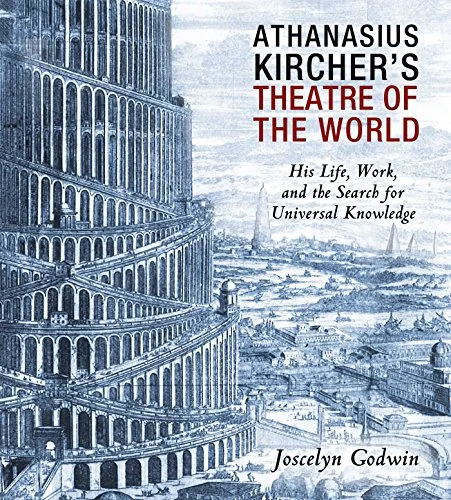
Athanasius Kircher's Theatre of the World: His Life, Work, and the Search for Universal Knowledge
✍️ Godwin, JoscelynThis authoritative study unveils Athanasius Kircher (1602-1680), a Jesuit scholar whose vast intellect earned him the title of the "last Renaissance man." Viewing the world as a divine manifestation, Kircher seamlessly merged scientific inquiry with spiritual revelation. The book explores his comprehensive work across disciplines like Egyptology, magnetism, music, and comparative religion, often through the lens of Christian Hermeticism. It meticulously details his writings and stunning illustrations, illuminating a profound thinker who integrated ancient wisdom—including alchemy, Kabbalah, and Hermetic traditions—with burgeoning scientific thought, ultimately leading to his unique, yet often overlooked, legacy.


Praise for this book
“A valuable addition to the history and philosophy of science shelves, offering valuable insight into the life of one of the world's last true polymaths.”
📝 Description: Athanasius Kircher's Theatre of the World: His Life, Work, and the Search for Universal Knowledge
📑 What's inside
- Preface Prologue: Interesting Times
- 1 Kircher's Life and Work: an Overview
- 2 Frontispieces
- 3 The Illustration of Kircher's Works
- 4 Antiquity Misread
- 5 Antiquity Preserved
- 6 Antiquity Imagined
- 7 Naturalia: Fire and Water
- 8 Naturalia: Air and Earth
- 9 Music
- 10 Machines of Past and Present
- 11 Machines: Magnetic and Optical
- 12 Maps and Plans
- 13 Exotica
- 14 Images of the Gods
- 15 Didactic Images
- Athanasius Kircher's Writings Bibliography of Works Cited Sources of Illustrations Index
💎 Expert review
📖 Why choose it
Why this book is worth reading
Readers deeply fascinated by the intersection of mysticism and early science will find this book indispensable. It offers a rare, authoritative glimpse into the mind of a polymath who viewed the cosmos as a divine manifestation. If you are intrigued by how alchemy, Kabbalah, and Hermetic traditions informed scholarly work in Egyptology and magnetism, this text provides essential context. It is perfect for those seeking to understand the 'last Renaissance man' and his unique legacy that often remains overlooked in standard histories of science.
⭐ Reader reviews
Reader rating
Godwin delivers a meticulous study of Kircher’s vast intellect, illuminating his seamless merger of scientific inquiry with spiritual revelation. The detailed exploration of his writings and illustrations is impressive, offering a comprehensive view of his work across comparative religion and music. However, readers seeking a quick, accessible biography or those who prefer strictly secular histories of science may find the dense focus on Christian Hermeticism and ancient wisdom traditions too esoteric. It is best suited for scholars and enthusiasts willing to navigate complex intellectual syncretism rather than casual readers looking for a straightforward narrative.
❓ Frequently asked questions
📖 Who should read this
If you're fascinated by the intersection of science, spirituality, and ancient wisdom, or drawn to the minds of history's great polymaths, this book is for you. It's an essential journey for anyone seeking to understand the deep currents of esoteric thought that shaped early modern intellectual life.
🎯 Key themes and symbolism
Quest for Universal Truth
This volume illuminates Kircher's relentless drive to synthesize all knowledge—scientific, spiritual, and arcane—into a cohesive worldview. He saw no division between empirical observation and divine revelation, believing every discipline contributed to understanding the cosmos as God's intricate design.
Hermetic Christian Synthesis
Kircher's intellectual framework was deeply rooted in Hermetic philosophy, akin to thinkers like Ficino. The book explores how he integrated ancient Egyptian mysteries, alchemy, and Kabbalah with his Jesuit faith, creating a unique synthesis that diverged from the burgeoning Age of Reason.
Reclaiming a Polymath
Discover why Kircher's monumental contributions were largely forgotten. His eclectic, holistic approach, which embraced both the mystical and the scientific, stood in contrast to the era's increasing specialization, leading to his marginalization despite his profound impact on numerous fields.
📜 Historical context
📚 Glossary
- Polymath
- Christian Hermeticism
- Age of Reason
📔 Questions to reflect on
- How might a modern holistic understanding of the world benefit from Kircher's unified approach to science and spirituality?
- Consider how historical figures, like Kircher, whose breadth of knowledge made them 'out of time,' challenge our contemporary emphasis on specialization.
- Reflect on how Kircher's Christian Hermeticism offers an alternative perspective on the relationship between faith, ancient wisdom, and scientific inquiry.