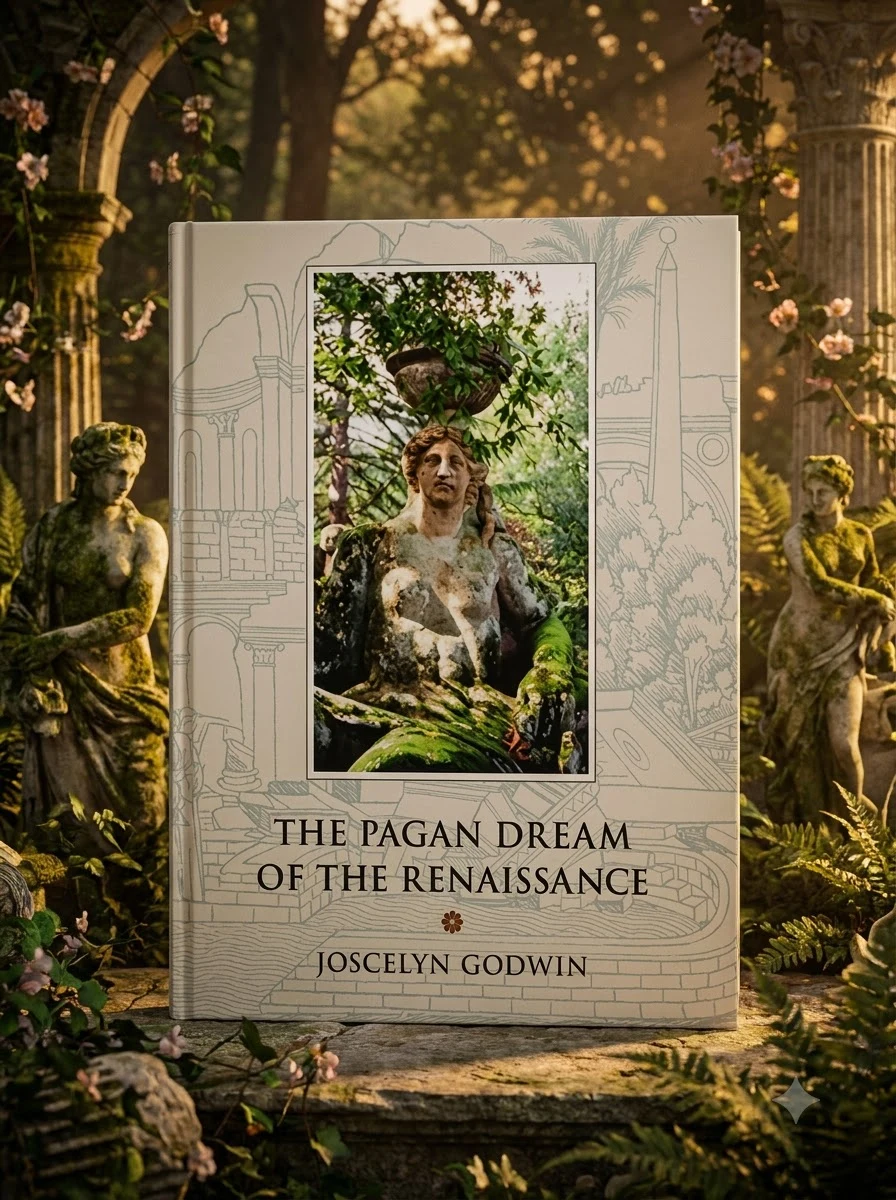
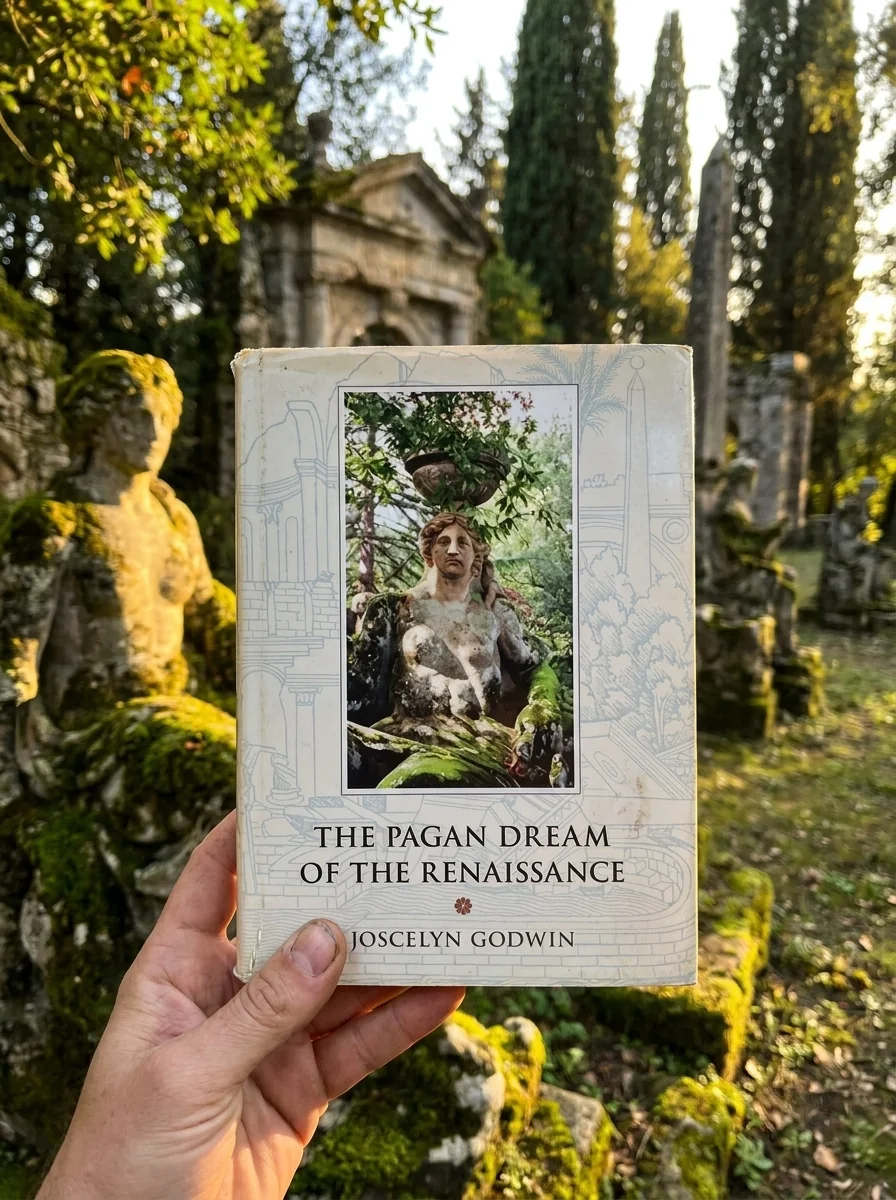
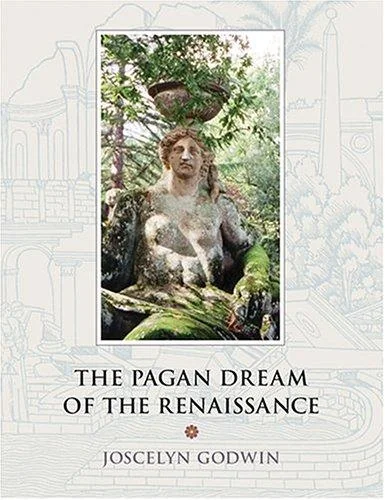
The Pagan Dream of the Renaissance
✍️ Godwin, JoscelynJoscelyn Godwin's compelling work illuminates a largely overlooked aspect of the Renaissance: the profound re-engagement with ancient pagan mythologies. This meticulously researched volume reveals how the imaginative spirit of antiquity, far from being suppressed, was revitalized, breathing new life into art, philosophy, and societal thought across Europe. It charts the transformative journey of these rediscovered traditions, demonstrating their essential role in shaping the cultural landscape we now associate with this pivotal era, offering fresh insights into its esoteric undercurrents.


📝 Description: The Pagan Dream of the Renaissance
💎 Expert review
📖 Why choose it
Why this book is worth reading
Readers deeply fascinated by the esoteric undercurrents of European history will find this volume an indispensable guide to understanding how ancient pagan traditions were revitalized during the Renaissance. Joscelyn Godwin meticulously unravels the hidden currents that reshaped the continent's soul, offering fresh insights into the imaginative spirit of antiquity. If you are interested in how these rediscovered myths breathed new life into art, philosophy, and societal thought, this book provides a compelling narrative of transformation. It is perfect for those seeking to look beyond the surface of the era and discover the profound re-engagement with pagan mythologies that defined its cultural landscape. This is not just history; it is an exploration of the soul of the Renaissance through its occult lens.
⭐ Reader reviews
Reader rating
Godwin delivers a compelling, albeit dense, exploration of the pagan revival in Renaissance Europe. The text is meticulously researched, illuminating how ancient mythologies were revitalized to influence art and philosophy. However, readers seeking a light, narrative-driven story or those uninterested in intellectual history may find the academic tone dry and inaccessible. It does not suit casual readers looking for simple entertainment or those who prefer straightforward historical accounts without esoteric interpretation. This is a serious scholarly work for those willing to engage with complex ideas about the cultural landscape of the past.
❓ Frequently asked questions
📖 Who should read this
If you're fascinated by the hidden spiritual currents of history, the interplay between myth and culture, or the esoteric roots of Western thought, this illuminating study offers a vital perspective. Prepare to see the Renaissance through an entirely new, myth-infused lens.
🎯 Key themes and symbolism
Renaissance Pagan Revival
This book meticulously traces how the forgotten spiritual and mythological narratives of ancient paganism were not merely rediscovered during the Renaissance but actively reincorporated into the cultural fabric, influencing everything from artistic expression to philosophical discourse and the nascent scientific inquiry of the period.
Cultural Metamorphosis
Godwin explores the profound shift in European consciousness sparked by this re-engagement with antiquity. It details how the infusion of pagan ideas catalyzed a dramatic transformation in societal perspectives, fostering new artistic forms, esoteric practices, and intellectual frameworks that profoundly reshaped the foundational beliefs of the era.
Esoteric Imaginings
Beyond academic history, the book delves into the mystical and imaginative dimensions of paganism that resonated deeply with Renaissance thinkers. It highlights how these ancient spiritual currents provided a rich symbolic language and alternative worldview, nurturing an esoteric imagination that challenged conventional religious dogma and fostered a new sense of wonder.
📜 Historical context
📚 Glossary
- Renaissance
- Paganism
- Esoteric
📔 Questions to reflect on
- What aspects of modern culture might be unknowingly influenced by ancient pagan ideas or archetypes?
- How might a conscious re-engagement with mythological imagination impact contemporary thought or artistic expression?
- Consider a historical period you're familiar with. What 'hidden currents' or overlooked influences might have been at play beneath its dominant narratives?