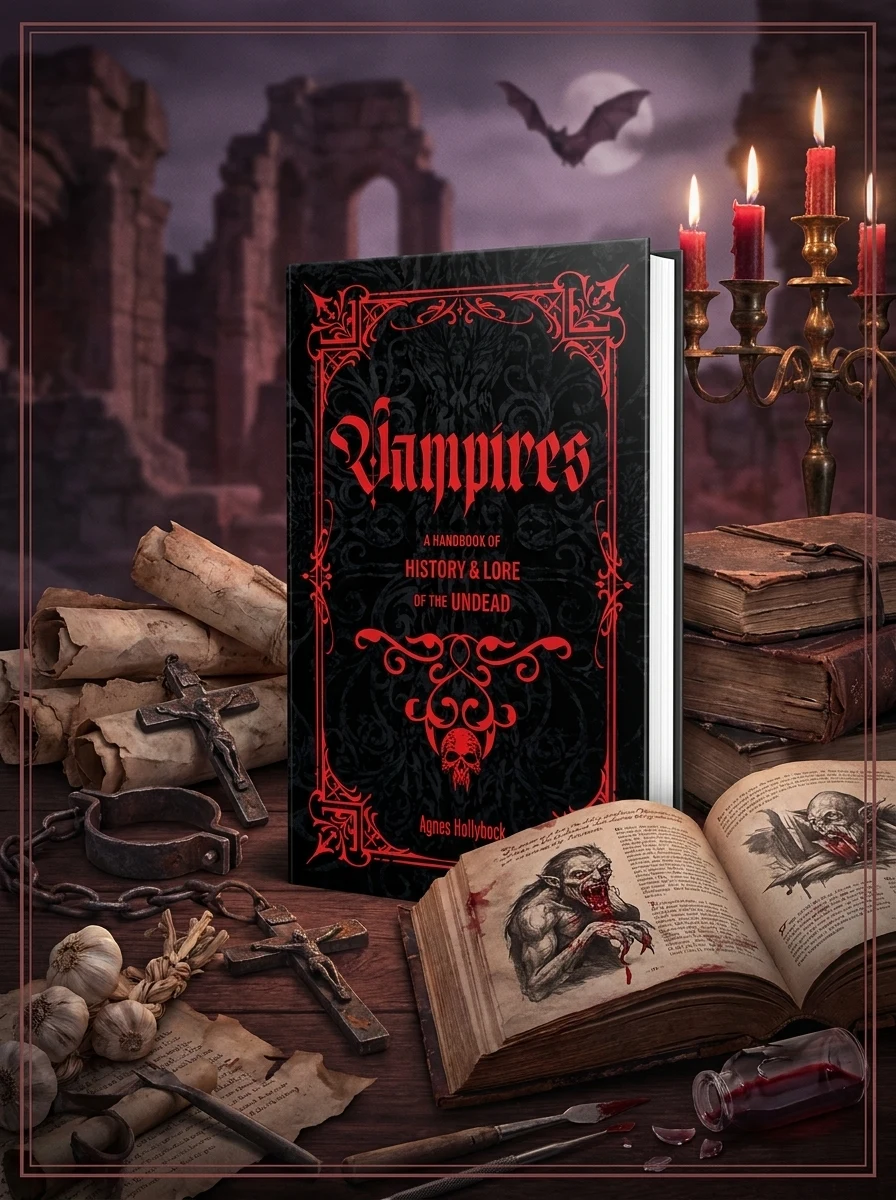
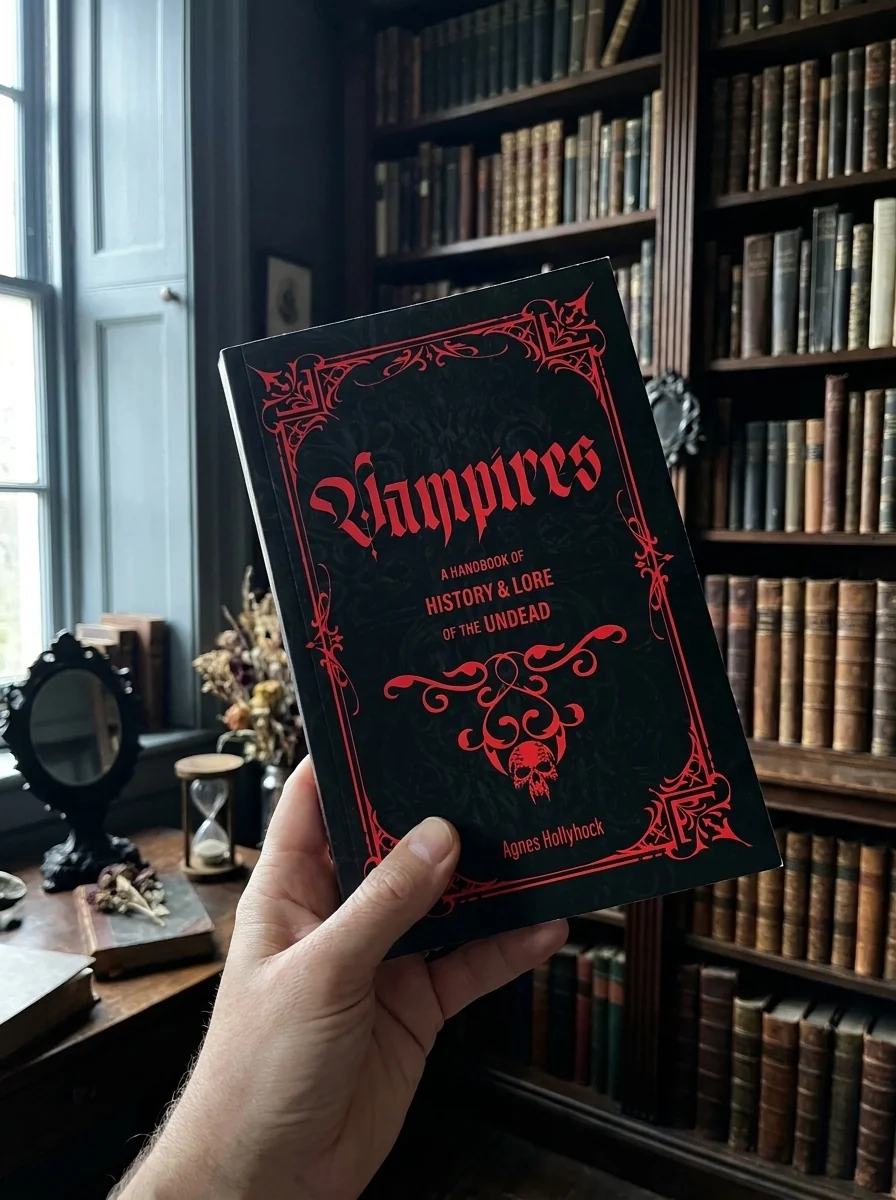
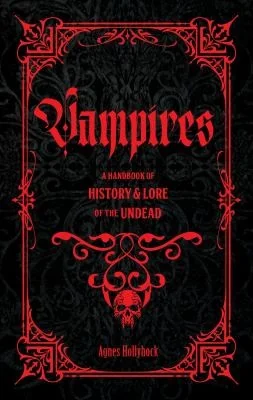
Vampires: A Handbook of History & Lore of the Undead
✍️ Hollyhock, AgnesAgnes Hollyhock's "Vampires" delves into the earliest conceptualizations of the undead, predating modern gothic fiction. This meticulously researched volume uncovers the diverse cultural and historical roots of beings with an unending thirst for life force, tracing their appearance in global mythologies. It explores the primal human anxieties and societal concerns that fueled these terrifying manifestations, revealing how cultures worldwide grappled with mortality and the unknown by envisioning such predatory entities. The book offers a comprehensive journey through the enduring lore of these formidable nocturnal figures.


Praise for this book
“An extraordinary and unreservedly recommended pick.”
📝 Description: Vampires: A Handbook of History & Lore of the Undead
💎 Expert review
📖 Why choose it
Why this book is worth reading
Readers fascinated by the deep historical roots of vampire myths will find this handbook indispensable for understanding the primal anxieties that shaped these legends. It is perfect for those seeking to move beyond modern gothic fiction and explore the diverse cultural manifestations of the undead across civilizations. By uncovering the societal concerns and human fears that birthed these terrifying figures, the book offers a comprehensive journey through enduring lore. Whether you are a writer seeking authentic inspiration or a curious mind wanting to grasp how cultures grappled with mortality, this meticulously researched volume provides essential context for the bloodthirsty legends we know today.
⭐ Reader reviews
Reader rating
Agnes Hollyhock delivers a rigorous exploration of vampire lore that prioritizes historical and cultural accuracy over sensationalism. This approach makes it an excellent reference for serious students of esoteric history and mythology who appreciate detailed research. However, readers expecting atmospheric horror stories or fictional narratives will likely find the tone too academic and dry. It is not suited for those seeking quick thrills or simple entertainment. The book’s strength lies in its analytical depth, tracing global mythologies rather than providing engaging plot-driven content. Consequently, it may disappoint casual fans of the genre who prefer dramatic retellings over scholarly examination of societal fears and mortality.
❓ Frequently asked questions
📖 Who should read this
For the curious scholar of comparative mythology, the dedicated folklore enthusiast, or anyone seeking to understand the deep cultural roots of supernatural beliefs, this book offers an indispensable, insightful journey into the true heart of vampire lore.
🎯 Key themes and symbolism
Ancient Undead Origins
This book meticulously traces the concept of the blood-drinking entity far beyond popular fiction, revealing its deep historical and cultural lineage. It explores the earliest beliefs and regional myths that paved the way for the vampire as we understand it today, highlighting its evolutionary path through human imagination and collective fears.
Global Folklore Tapestry
Hollyhock illustrates how the archetype of the life-draining creature is a universal phenomenon. The book surveys a rich array of global folk traditions, showcasing the myriad forms and names these nocturnal predators have taken across different continents and eras, demonstrating a shared human fascination with the boundary between life and death.
Reflecting Human Anxieties
Beyond mere tales, the author investigates the profound psychological and social underpinnings of vampire lore. By examining what societal worries and existential dread compelled past civilizations to conjure such monsters, the book offers insight into humanity's enduring struggles with mortality, disease, and the darker aspects of our own nature.
📜 Historical context
📚 Glossary
- Vampire
- Folklore
- Undead
📔 Questions to reflect on
- How do the ancient anxieties surrounding the undead, as presented in this book, still manifest in contemporary society or your personal fears?
- Consider a specific cultural vampire myth discussed in the book. What unique insights does it offer into that culture's worldview or societal structure?
- If the vampire archetype represents an 'insatiable appetite,' what modern societal 'appetites' might it symbolize today, and how might they be addressed?