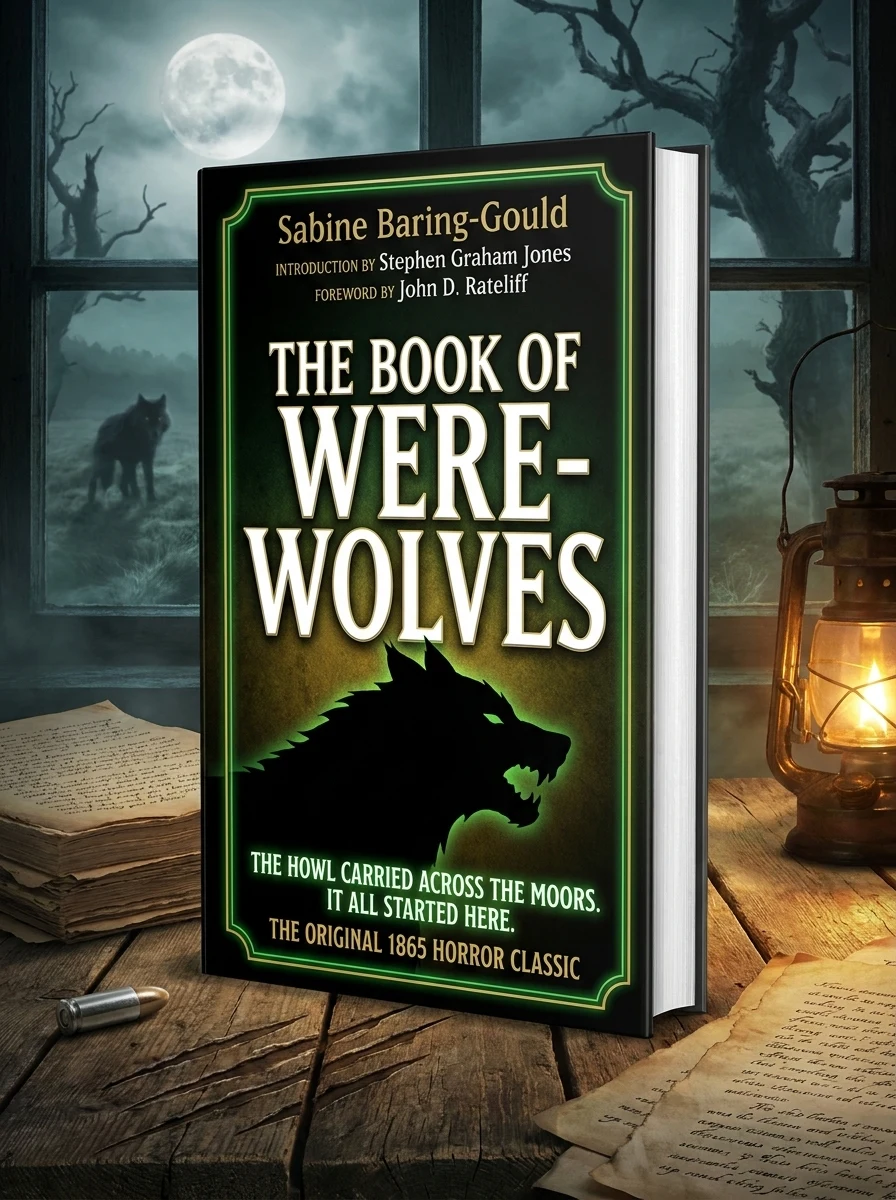

The Book of Were-Wolves: Being an Account of a Terrible Superstition
This edition can be ordered. No arrival date is confirmed.
Unearth the primal fear of the beast within, a terror as ancient as humanity itself.
Sabine Baring-Gould's seminal 1865 work stands as a foundational examination of the lycanthropic phenomenon. This pioneering text delves into the historical and cultural manifestations of were-creatures, meticulously compiling accounts from ancient folklore, personal confessions, and what we now recognize as early true crime narratives. It explores the blurred line between human and animal, tracing fears of transformation across various cultures—from wolf-men to bear-folk and beyond. A vital resource for understanding the enduring power of supernatural dread, it's a testament to humanity's fascination with its own monstrous potential.
This seminal work anchors the modern understanding of lycanthropy by bridging historical folklore with early criminological observation. It establishes a foundational framework for examining the cultural manifestations of beastly superstitions across time.


📝 Description: The Book of Were-Wolves: Being an Account of a Terrible Superstition
💎 Expert review
📖 Why choose it
Why this book is worth reading
Readers with a deep fascination for the primal roots of supernatural dread will find immense value in this text. It serves as an essential resource for those seeking to understand how humanity has historically processed its own monstrous potential through the lens of transformation myths. By meticulously compiling accounts from ancient folklore and early true crime narratives, Baring-Gould illuminates the blurred line between human and animal. Those interested in the enduring power of lycanthropic legends across various cultures will appreciate this comprehensive examination. It is ideal for scholars and enthusiasts alike who wish to trace the evolution of these fears from bear-folk to wolf-men, offering a profound glimpse into the ancient terror that still resonates today.
⭐ Reader reviews
Reader rating
This pioneering text offers a rigorous academic approach to the were-wolf phenomenon, making it unsuitable for readers seeking thrilling fictional horror or quick entertainment. It is not for those who prefer modern supernatural romances or lightweight urban fantasy tropes. The work demands patience and an appreciation for historical analysis over narrative action. While it provides a vital resource for understanding the cultural context of these superstitions, its focus on confessions and folklore may feel dry to casual readers. However, for those dedicated to the serious study of esoteric history and the psychological underpinnings of beastly transformation myths, it remains an indispensable and candid examination of humanity's darkest fears.
❓ Frequently asked questions
📖 Who should read this
If you're captivated by the origins of horror, the intersection of folklore and early criminology, or the enduring human fascination with shapeshifting legends, this essential work is for you. Dive deep into a historical exploration of our most ancient fears.
🎯 Key themes and symbolism
The Roots of Lycanthropy
This volume extensively chronicles the historical trajectory of the werewolf myth, from its earliest mentions in classical antiquity through medieval European beliefs. Baring-Gould meticulously gathers diverse accounts, illustrating how the concept of human-animal transformation has permeated various societies, revealing a deeply ingrained fear and fascination that transcends geographical and chronological boundaries.
Human and Beast Duality
The book profoundly explores the tenuous boundary separating human rationality from animalistic instinct. It examines narratives where individuals are believed to transform into predatory creatures, often driven by dark forces or primal urges. This exploration highlights society's anxieties about the wildness lurking beneath civilization's veneer and the potential for humanity to revert to savagery.
Supernatural Investigation
Serving as one of the earliest attempts at a systematic study of folklore and alleged supernatural occurrences, Baring-Gould's text approaches its subject with an investigative zeal. It compiles 'confessions' and 'case studies' of purported lycanthropes, presenting them with a scholarly rigor that foreshadows later psychological and criminological analyses of extraordinary claims, blending historical inquiry with proto-forensic curiosity.
💬 Quotes from the book
“The shadow upon the threshold, the inexplicable terror in the glade, these primal manifestations of dread find their genesis in the ancient fear of the shape-shifter.”
“Where the man ends and the wolf begins is a line often etched not by nature, but by the dark anxieties lurking in the human heart, susceptible to lunar sway.”
📜 Historical context
📚 Glossary
- Lycanthropy
- Folklore
- Superstition
📔 Questions to reflect on
- Reflect on how historical fears, as presented in this book, continue to manifest in contemporary horror stories or societal anxieties about 'monsters.'
- Consider the human need to explain inexplicable violence or strange phenomena through supernatural beliefs. How does Baring-Gould's work shed light on this tendency?
- How might our understanding of human psychology, pathology, and animal behavior today reinterpret the 'confessions' and 'cases' Baring-Gould presents?
You might also like
See more →
 91
91