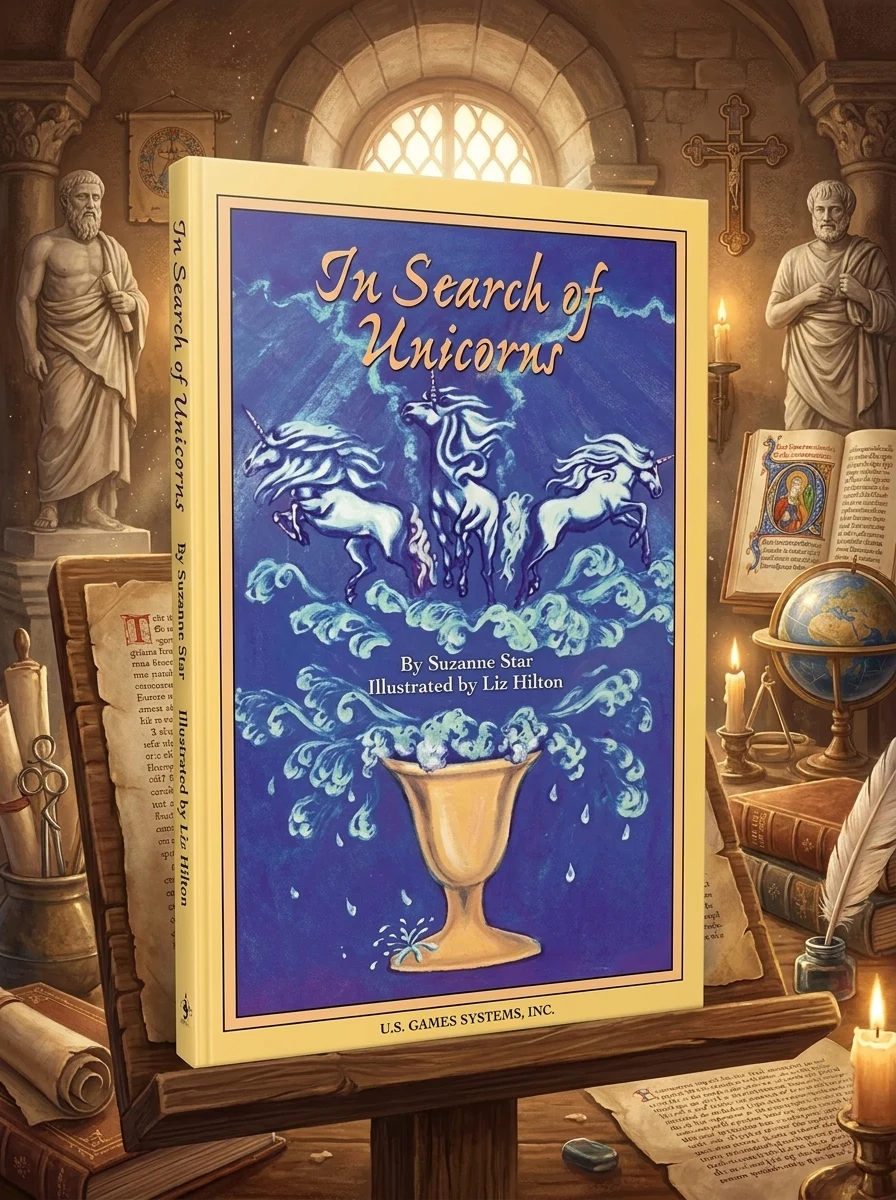
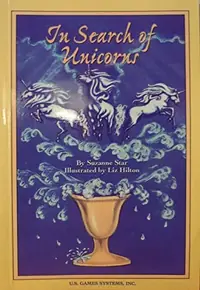
In Search of Unicorns Book


This edition can be ordered. No arrival date is confirmed.
Uncover the hidden currents linking ancient wisdom to medieval thought.
This essential sourcebook illuminates a pivotal 400-year span, tracing the philosophical evolution from ancient Greek thought through its assimilation into Islamic and Western medieval traditions. It delves into the crucial role of commentators on Plato and Aristotle, revealing how many concepts often attributed to the Middle Ages actually originated in this earlier period. Discover how later Neoplatonists, despite their struggles, inadvertently shaped Christian philosophy by reinterpreting Aristotle, and how their writings preserved invaluable insights into a millennium of Greek intellectual history, serving as the vital connection often overlooked.
This volume sits at the intersection of classical philosophy and medieval esotericism, bridging ancient Greek intellectual history with its assimilation into Islamic and Western traditions. It serves as a critical scholarly resource for understanding the transmission of Neoplatonic and Aristotelian thought during a pivotal era of philosophical evolution.


📝 Description: In Search of Unicorns Book
💎 Expert review
📖 Why choose it
Why this book is worth reading
Readers deeply interested in the hidden intellectual currents that shaped Western esoteric thought will find this sourcebook indispensable. It offers a rare, clear-eyed view of how ancient Greek concepts were preserved and transformed by commentators on Plato and Aristotle. Those seeking to understand the true origins of ideas often misattributed to the Middle Ages will appreciate the author's meticulous tracing of this 400-year span. The book reveals how later Neoplatonists inadvertently shaped Christian philosophy, providing a vital connection to a millennium of Greek history. It is an essential guide for anyone wishing to uncover the philosophical evolution that underpins much of medieval and occult tradition.
⭐ Reader reviews
Reader rating
This text provides a rigorous academic exploration of the philosophical lineage connecting ancient Greece to the medieval world. While it excels at illuminating the crucial role of commentators in preserving Greek intellectual history, it demands patience from its audience. Readers seeking quick, mystical insights or simplified narratives about unicorns will be disappointed by the dense focus on Neoplatonism and Aristotelian interpretation. It is strictly for those willing to engage with complex philosophical assimilation into Islamic and Western traditions. The book does not offer light reading but rather a substantial, scholarly examination of how concepts originated in earlier periods, making it unsuitable for casual browsers or those unfamiliar with classical philosophical discourse.
❓ Frequently asked questions
📖 Who should read this
If you're drawn to the hidden currents of intellectual history, curious about the origins of medieval philosophy, or seeking to understand the foundational links between ancient Greece, Islam, and the West, this book offers an indispensable journey into a crucial, often overlooked, era of philosophical development.
🎯 Key themes and symbolism
From Ancient to Medieval Thought
Explore the profound 400-year intellectual journey, witnessing philosophy's transformation from its ancient Greek roots into the complex tapestry of Islamic and Western medieval traditions. This work highlights the critical period where foundational ideas were reinterpreted and passed down, shaping future philosophical discourse.
The Power of Commentary
Understand the pivotal role of ancient and early medieval commentators who meticulously dissected and reinterpreted the works of Plato and Aristotle. Their profound analyses not only preserved but also subtly reshaped philosophical concepts, demonstrating how textual engagement became a primary mode of intellectual progress.
Neoplatonism's Enduring Legacy
Delve into the fascinating impact of later Neoplatonist thinkers, who, despite their challenges, acted as crucial conduits. Their interpretations of Aristotle, particularly regarding a Creator God and immortality, inadvertently made his ideas palatable to emerging Christian thought, ensuring his enduring presence in Western philosophy.
💬 Quotes from the book
“The true brilliance of these ancient interpreters lies not merely in preservation, but in their subtle, yet profound, re-sculpting of foundational philosophical concepts for new generations.”
“It was through the Neoplatonists' lens that Aristotle, the pagan titan, became not just palatable but foundational for the very Christian theology he seemed to contradict.”
📜 Historical context
📚 Glossary
- Neoplatonism
- Impetus (dynamics)
- Intentional Objects
📔 Questions to reflect on
- How might philosophical ideas evolve differently if ancient texts were always transmitted without commentary or reinterpretation?
- Consider a contemporary concept you believe is widely misunderstood. How does its current perception echo or diverge from the historical misattributions discussed in this book?
- In what ways do modern academic fields continue the tradition of commentary, and what are the implications for preserving and evolving knowledge today?
You might also like
See more →