Arthur Edward Waite can be challenging to approach because his writings cover several connected areas of Western esotericism. A reader searching for where to start with Waite books usually wants a clear route through tarot, ceremonial traditions, mystical symbolism, and historical studies of occult literature.
The strongest introduction is not simply a chronological list. Waite is widely associated with tarot, but his work also examines older magical writings, religious ideas, and symbolic systems. His discussions often connect subjects such as Magic and Rosicrucianism with broader questions about spiritual philosophy and historical interpretation.
This reading order begins with accessible tarot materials and then moves toward more specialized studies. The goal is to help a new student understand Waite's interests gradually, while giving experienced readers a structured way to revisit his major themes.
Start with Arthur Edward Waite's Tarot Foundations
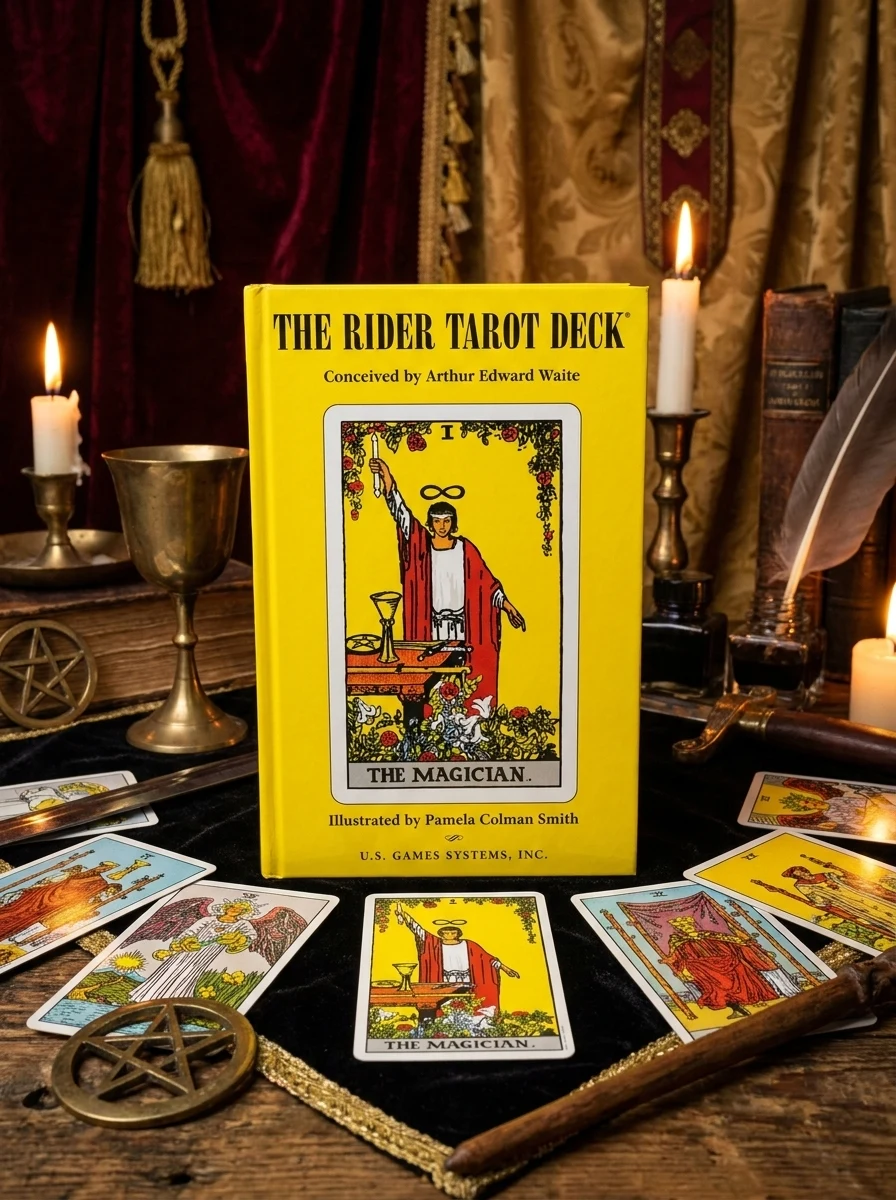
1. Rider-Waite(r) Tarot -- Premier Edition: 78 Cards and Instruction Booklet of Tarot Meanings and Esoteric Symbolism, Essential for Tarot Beginners & Ex — Edward Waite, Arthur
For many readers, this is the most approachable first step because it introduces the tarot system most closely connected with Waite's name. The cards and instruction booklet provide an entry point into tarot meanings and esoteric symbolism. Starting here allows readers to become familiar with the visual language that appears throughout Waite's tarot-related work.
This starting point is especially useful for readers who want a practical connection to Waite before approaching his longer historical writings. The deck creates a foundation for understanding why imagery, symbolism, and interpretation became central parts of his contribution to tarot study.
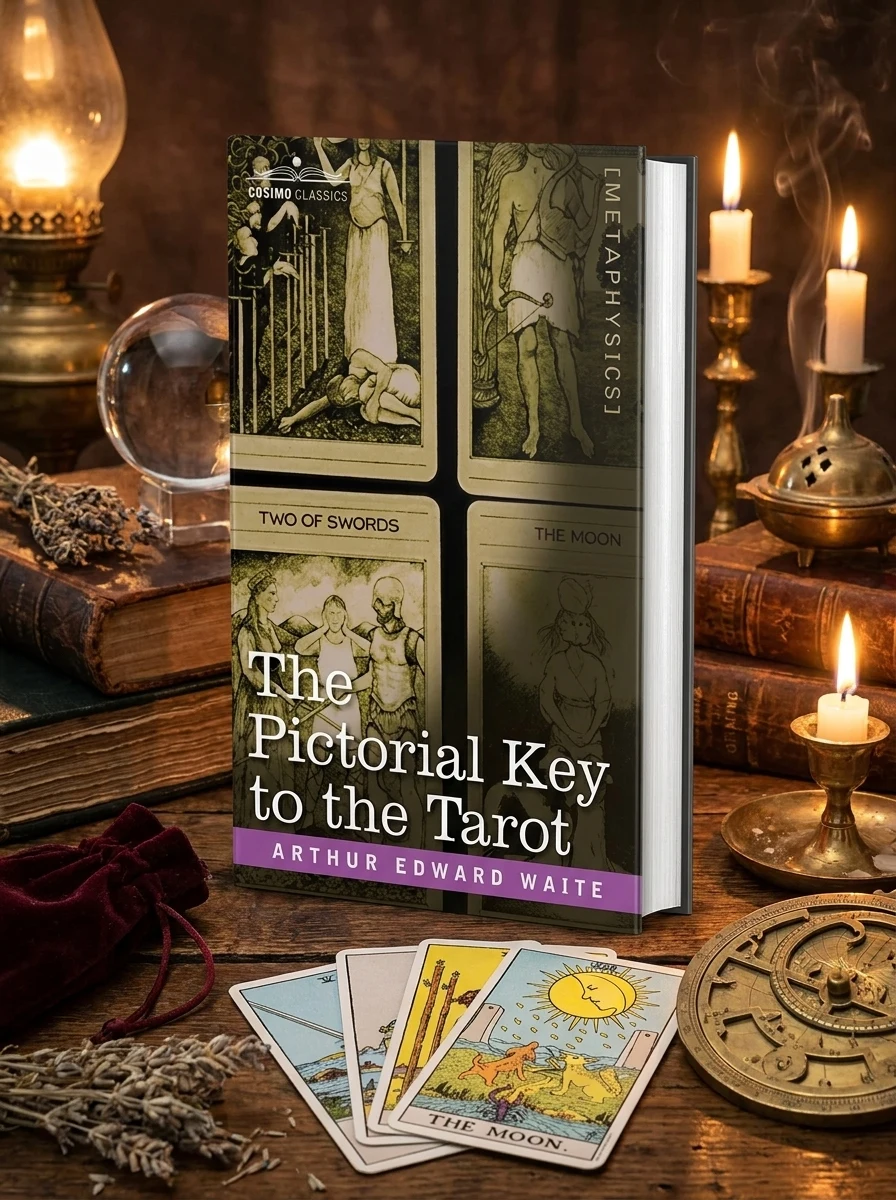
2. The Pictorial Key to the Tarot — Waite, Arthur Edward
After becoming familiar with the cards, The Pictorial Key to the Tarot is the natural next reading. Waite presents his explanations of tarot imagery, meanings, and symbolic associations in his own voice. It helps readers move beyond simple memorized definitions and consider the ideas behind the cards.
This book remains an important step for anyone studying the Rider-Waite tradition. It connects the practical experience of using tarot cards with the intellectual framework Waite developed around them.
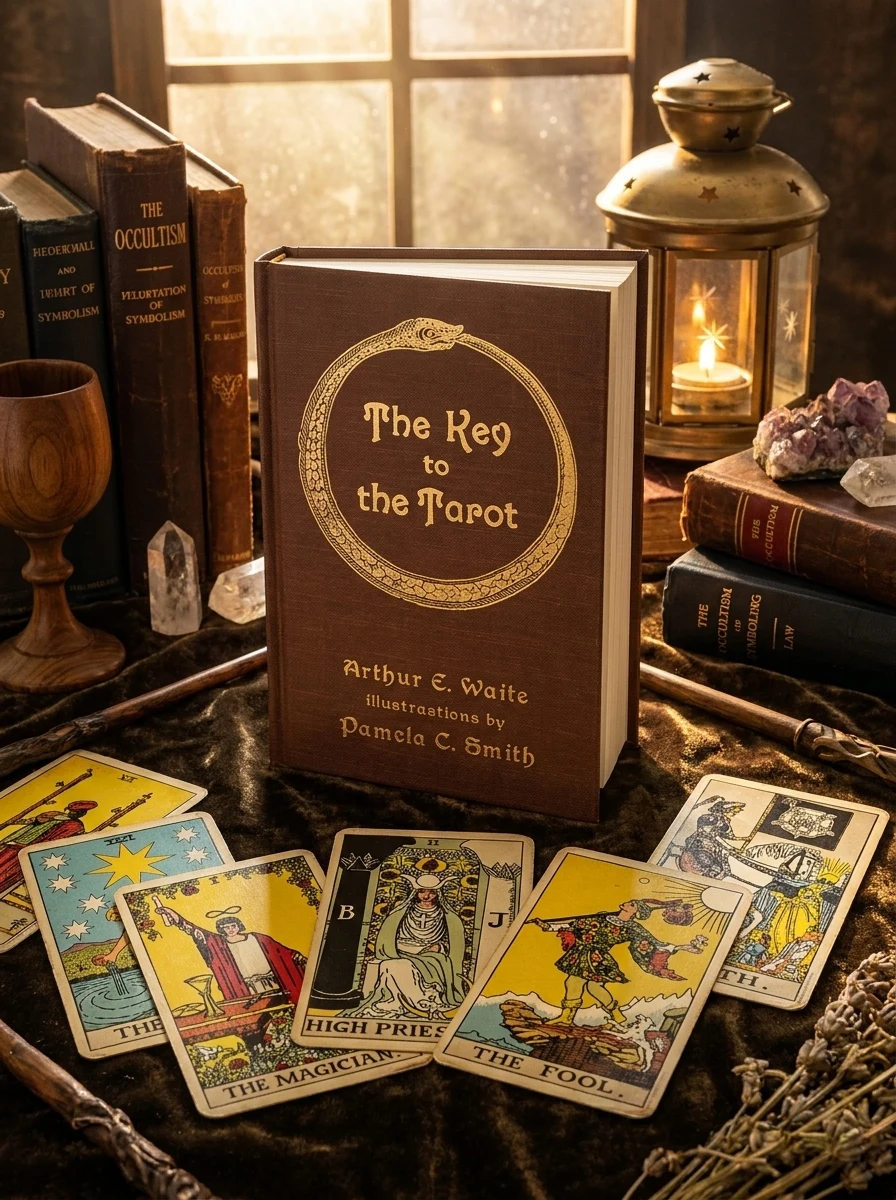
3. The Key to the Tarot — Waite, Arthur Edward; Smith, Pamela Colman
The Key to the Tarot offers another entry into the Waite-Smith tarot tradition. It can be read alongside other tarot materials to compare approaches to the classic system and its symbolic presentation.
For collectors and students, this title provides another perspective on the ideas surrounding the tarot tradition associated with Waite and Pamela Colman Smith. It works best after the reader already has a basic familiarity with the cards.
Move into Waite's Studies of Ceremonial Traditions
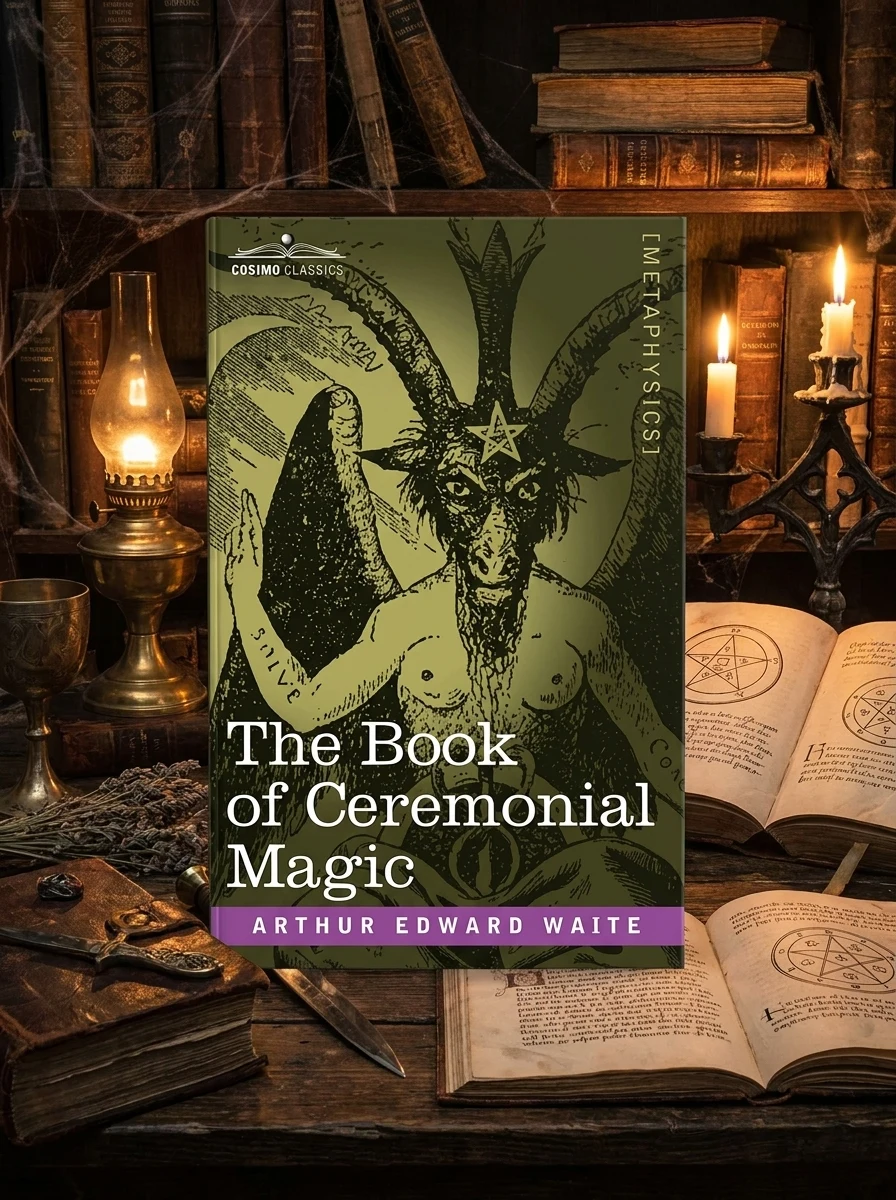
4. The Book of Ceremonial Magic — Waite, Arthur Edward
Once the foundations of tarot are established, The Book of Ceremonial Magic introduces another major side of Waite's scholarship. The work examines ceremonial traditions, rituals, and magical writings through a historical approach rather than presenting a simple practical guide.
This makes it a valuable next step for readers interested in how magical ideas developed and were recorded. Waite's approach is analytical, making this book a bridge between introductory tarot study and more demanding occult history.
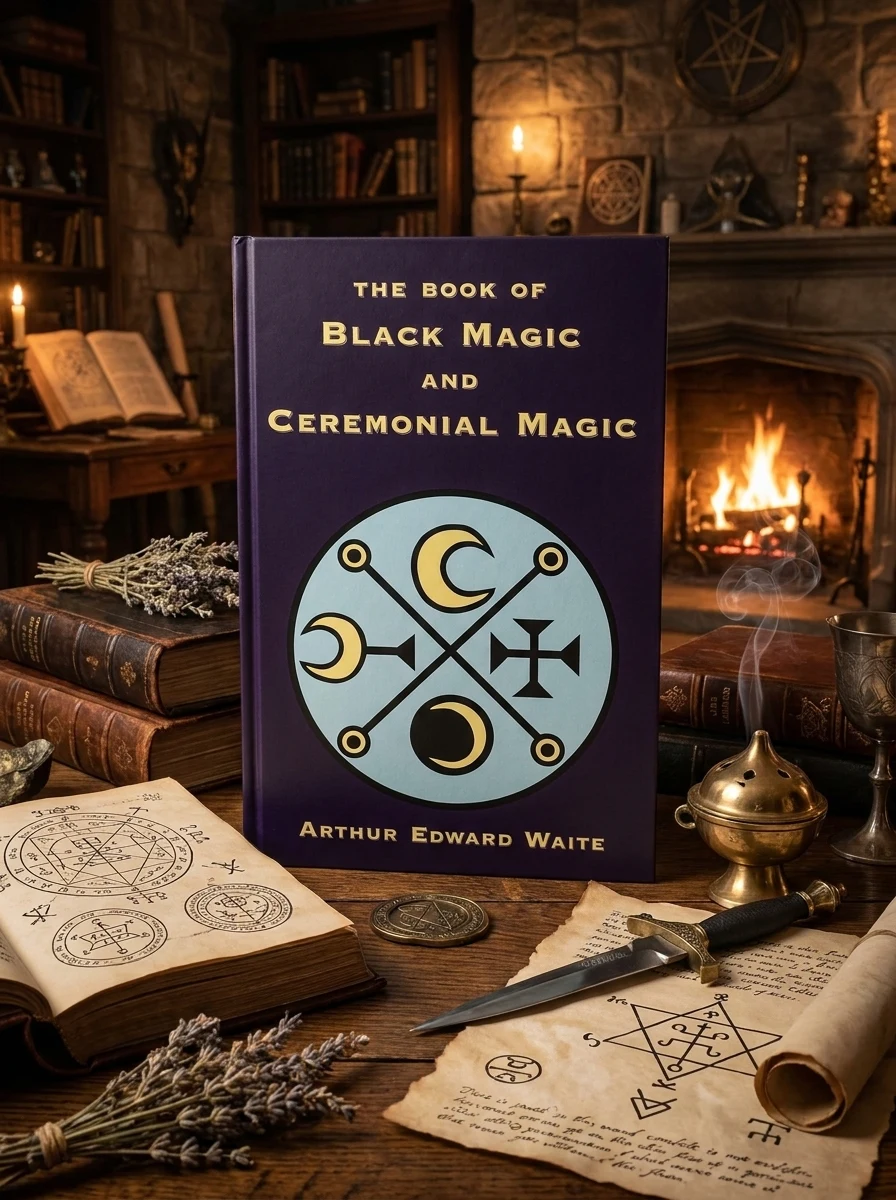
5. The Book of Black Magic and Ceremonial Magic — Waite, Arthur Edward
This title continues Waite's examination of magical texts and traditions. Its focus is the study of materials often associated with darker forms of occult literature, along with the historical ways these subjects were described and debated.
Readers who appreciate Waite's interest in religious symbolism may find connections between his discussions of magic, historical belief systems, and symbolic traditions. The book is best approached as a work of occult history and interpretation.
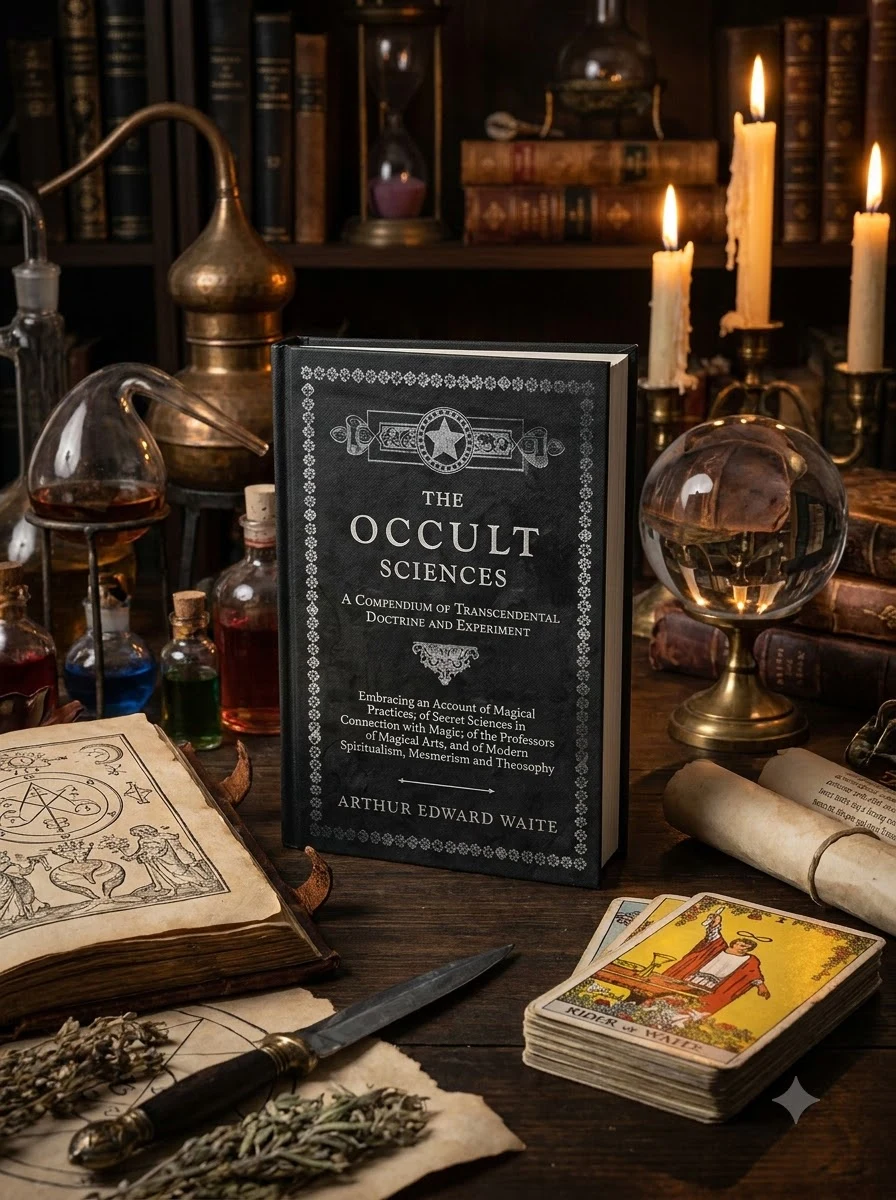
6. The Occult Sciences - A Compendium of Transcendental Doctrine and Experiment;Embracing an Account of Magical Practices; of Secret Sciences in Connection w — Waite, Arthur Edward
This compendium expands the scope beyond individual magical traditions. Waite surveys occult subjects, magical practices, and secret sciences from a broad intellectual perspective.
It is a suitable choice after reading his tarot and ceremonial magic works because the reader already understands some of the themes that appear throughout his writing. This book rewards patience and curiosity about the historical development of esoteric ideas.
Continue with Historical and Mystical Studies
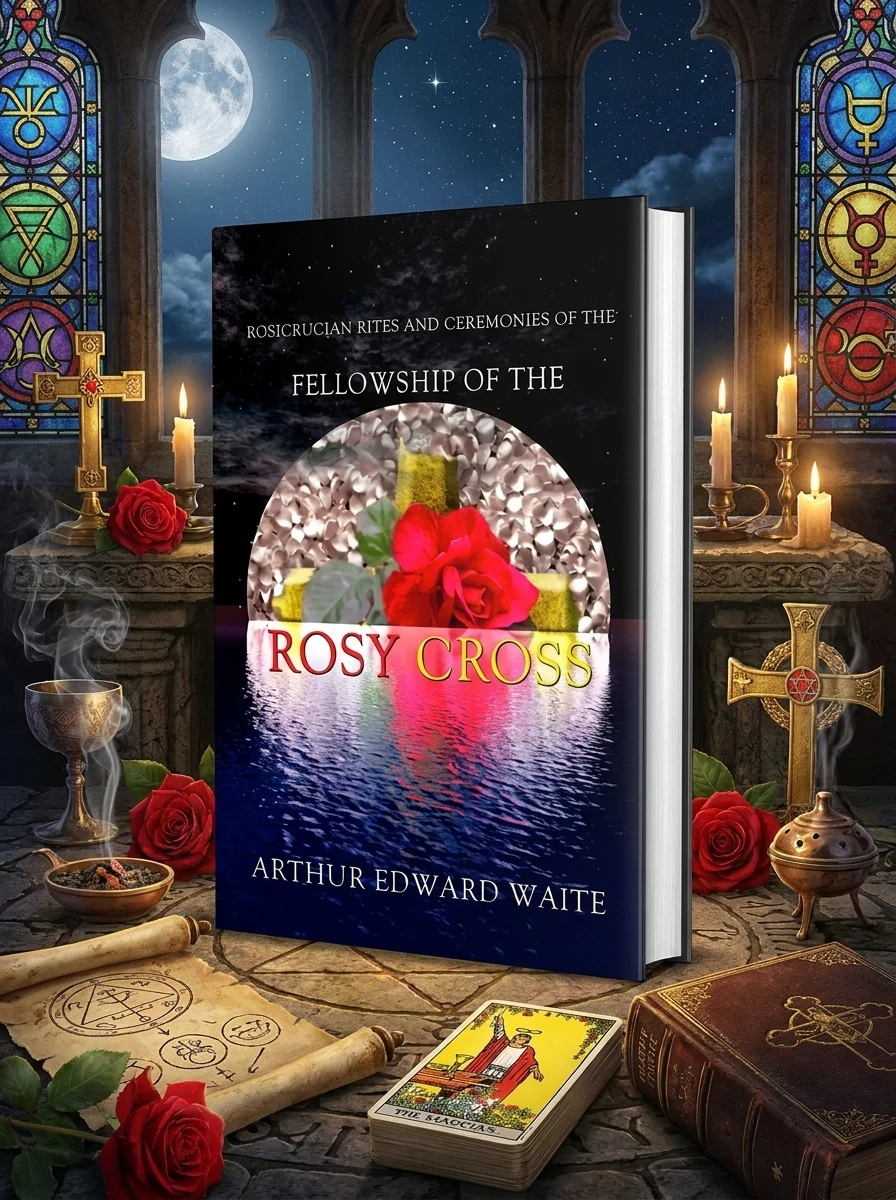
7. Rosicrucian Rites and Ceremonies of the Fellowship of the Rosy Cross by Founder of the Holy Order of the Golden Dawn Arthur Edward Waite — Waite, Arthur Edward
This work focuses on Waite's interest in Rosicrucian traditions and ceremonial organizations. It gives readers a closer look at his engagement with symbolic groups and their practices.
For students interested in the relationship between mystical movements and Western esoteric history, this title provides a specialized look at one of the traditions that influenced Waite's studies. It is most effective after gaining familiarity with his broader approach.
8. The Magical Writings of Thomas Vaughan Also Known as Eugenius Philalethes — Waite, Arthur Edward
Waite's work with Thomas Vaughan introduces readers to an older mystical and alchemical writer. This title is among the more specialized choices in the reading order because it asks the reader to engage with historical texts and the authors Waite considered significant.
It is a fitting later step for those who want to understand the sources and traditions behind Waite's own interests. Instead of beginning here, most readers will gain more from approaching it after the tarot and ceremonial studies above.
How to Choose Your First Arthur Edward Waite Book
If your main interest is tarot, begin with the Rider-Waite tarot deck followed by The Pictorial Key to the Tarot. These two works provide the clearest introduction to Waite's approach to imagery, symbolism, and interpretation.
If your focus is ceremonial traditions and occult history, begin with The Book of Ceremonial Magic. It offers a structured introduction to the historical subjects that appear throughout Waite's wider body of work.
Readers building a personal collection should also consider that several editions in this area may present similar material. The best choice depends on whether your priority is tarot practice, historical research, or studying the development of Western esoteric thought.
A complete reading path through Waite does not require every available title. Instead, select books according to your interests and allow each work to provide context for the next. Starting with tarot and moving toward his historical investigations creates a balanced introduction to one of the most distinctive writers in modern esoteric literature.