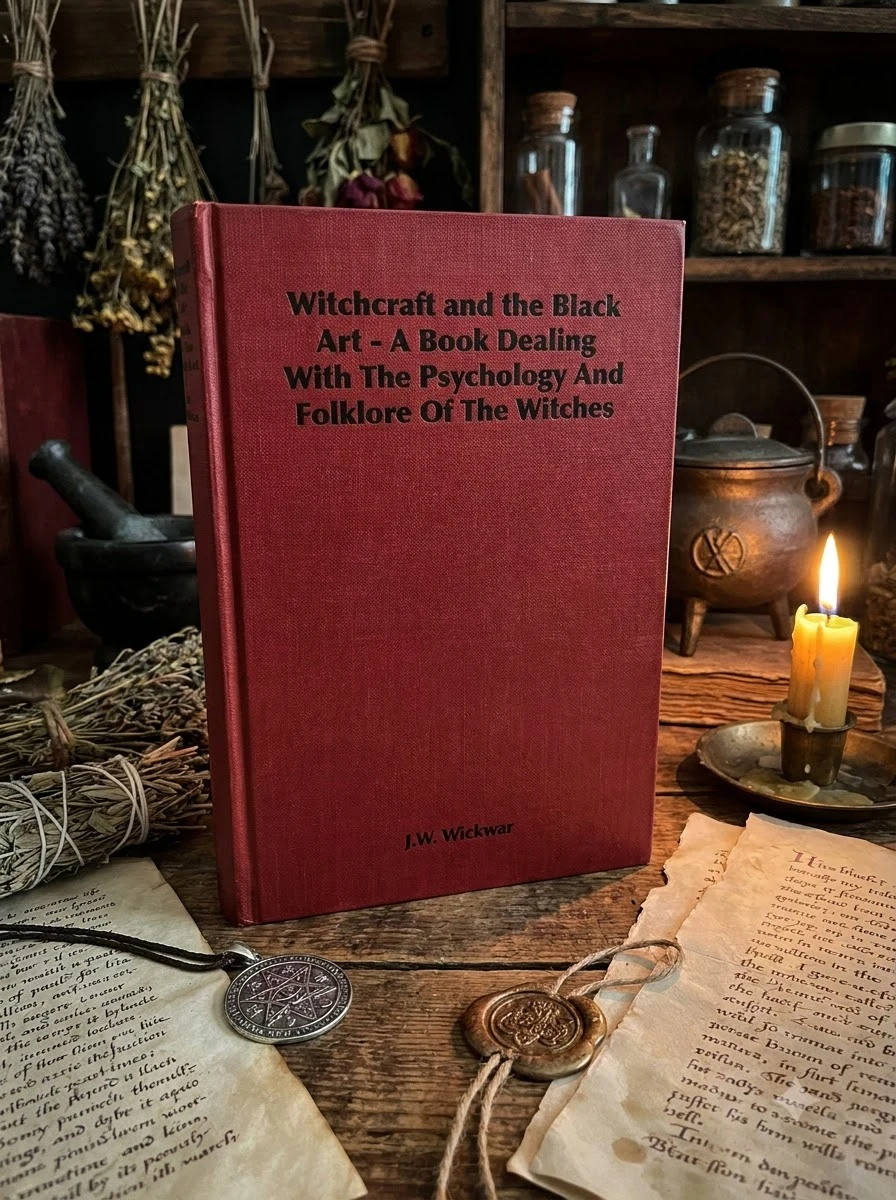
Witchcraft and the Black Art - A Book Dealing with the Psychology and Folklore of the Witches
Wickwar, J WStock reported in the catalog; fulfillment is confirmed with your request.
Unveil the hidden psychology and folklore of the old craft in this compelling historical survey.
J.W. Wickwar resurrects the secretive lineage of the witches, moving beyond mere myth to explore the psychological underpinnings of the craft. Through fourteen comprehensive chapters, he traces the evolution of witchcraft from primitive cults to medieval trials, examining initiation rites, spells, and the pervasive fear of the evil eye. The text bridges folklore and history, analyzing how these beliefs manifested in England, Europe, and America. It is a meticulous reconstruction of a lost world, offering readers a rare glimpse into the rituals, demons, and societal fears that defined the age of the witch.
This work sits firmly within the historical and psychological study of European witchcraft, bridging folklore with esoteric tradition. It serves as a scholarly yet accessible entry point for understanding the societal fears that defined the age of the witch.


📝 Description: Witchcraft and the Black Art - A Book Dealing with the Psychology and Folklore of the Witches
💎 Expert review
📖 Why choose it
Why this book is worth reading
Readers fascinated by the intersection of history, psychology, and occult folklore will find this book an indispensable resource. Wickwar moves beyond sensationalist myths to offer a rigorous exploration of the psychological underpinnings that fueled the old craft. It is particularly valuable for those seeking to understand the evolution of witchcraft from primitive cults through medieval trials without getting lost in dry academic jargon. If you are intrigued by initiation rites, the mechanics of spells, and the pervasive cultural fear of the evil eye, this text provides a meticulous reconstruction of that lost world. It offers a rare, grounded glimpse into the rituals and demons that shaped societal fears across England, Europe, and America, making it essential for serious students of esoteric history.
⭐ Reader reviews
Reader rating
Wickwar delivers a compelling historical survey that successfully bridges folklore and psychological analysis. The fourteen chapters provide a comprehensive look at the secretive lineage of witches, tracing their evolution with clarity and depth. However, readers seeking practical spellcasting instructions or modern Wiccan liturgy will find this text lacking; it is strictly an academic and historical reconstruction rather than a practitioner's manual. Those expecting sensationalist ghost stories or modern pagan theology may be disappointed by its focus on societal fears and medieval trials. It is best suited for historians of religion and those interested in the psychological roots of superstition, rather than contemporary practitioners looking for active magical techniques or community guidance.
❓ Frequently asked questions
📖 Who should read this
Scholars of religious history, occult practitioners seeking contextual roots, and readers fascinated by the intersection of folklore, psychology, and medieval persecution.
🎯 Key themes and symbolism
Psychological Foundations
Wickwar analyzes the mental states and folk beliefs driving witchcraft, treating the craft not just as superstition but as a complex psychological phenomenon rooted in human fear and desire for power.
Historical Trial Records
The book meticulously dissects actual witch trials and tracts from England and America, using primary ecclesiastic records to reconstruct the legal and social mechanisms used to persecute the accused.
Ritual and Symbolism
It explores the esoteric elements of the craft, including initiation ceremonies, blood rites, and the symbolism of fire and demons, providing context for the arcane practices described in historical accounts.
💬 Quotes from the book
“The old craft of the witches was a close order, sworn to secrecy.”
“References to witchcraft are numerous in early ecclesiastic and medieval literature.”
📜 Historical context
📚 Glossary
- Phantasmagoria
- Ecclesiastic Records
- Initiation Rites
📔 Questions to reflect on
- How does the fear of the 'evil eye' reflect modern anxieties about unseen influence?
- What psychological needs might have driven the formation of such secretive historical orders?
- How do the rituals described in the text parallel modern esoteric practices of initiation?
✍️ More books by this author Wickwar, J W
All books by this author →
🏛 Books from this publisher Obscure Press
All books from this publisher →


 88
88
You might also like
See more →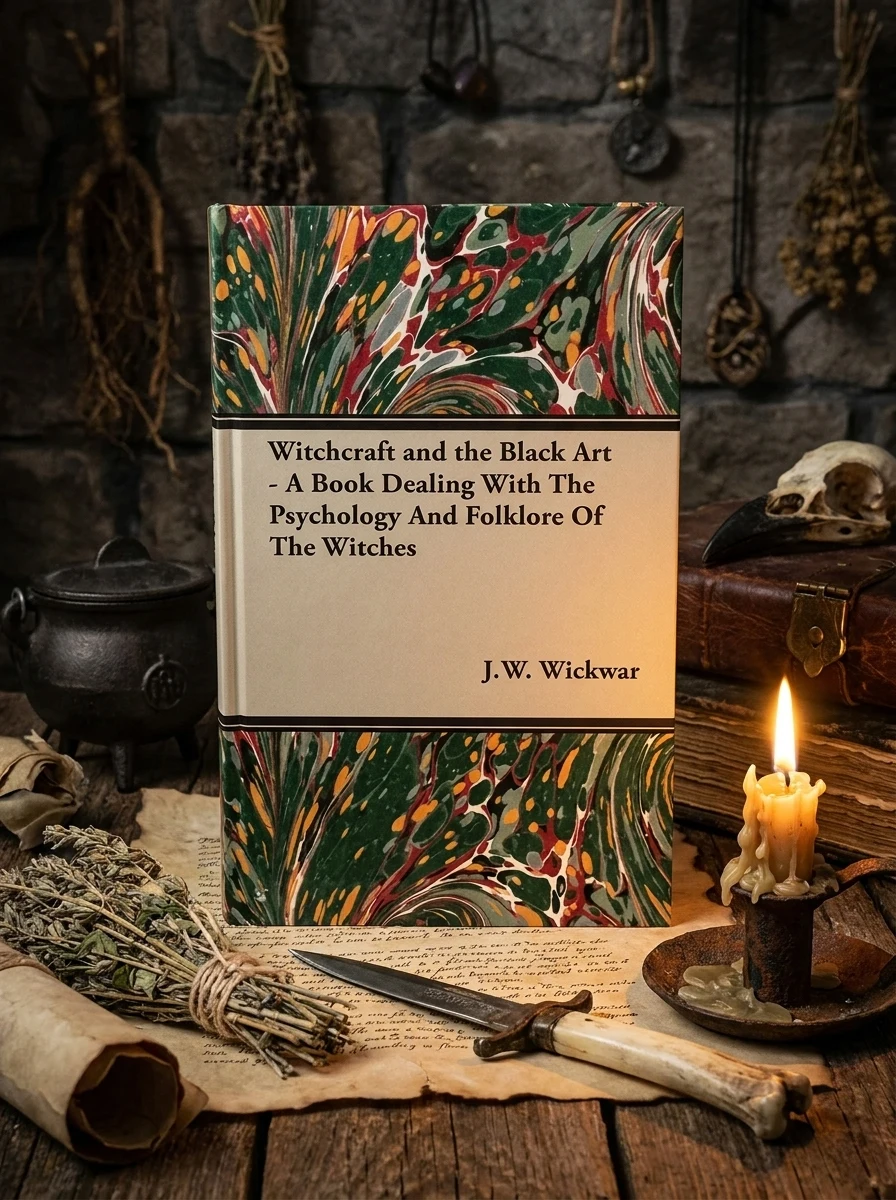
 91
91
 88
88
 83
83