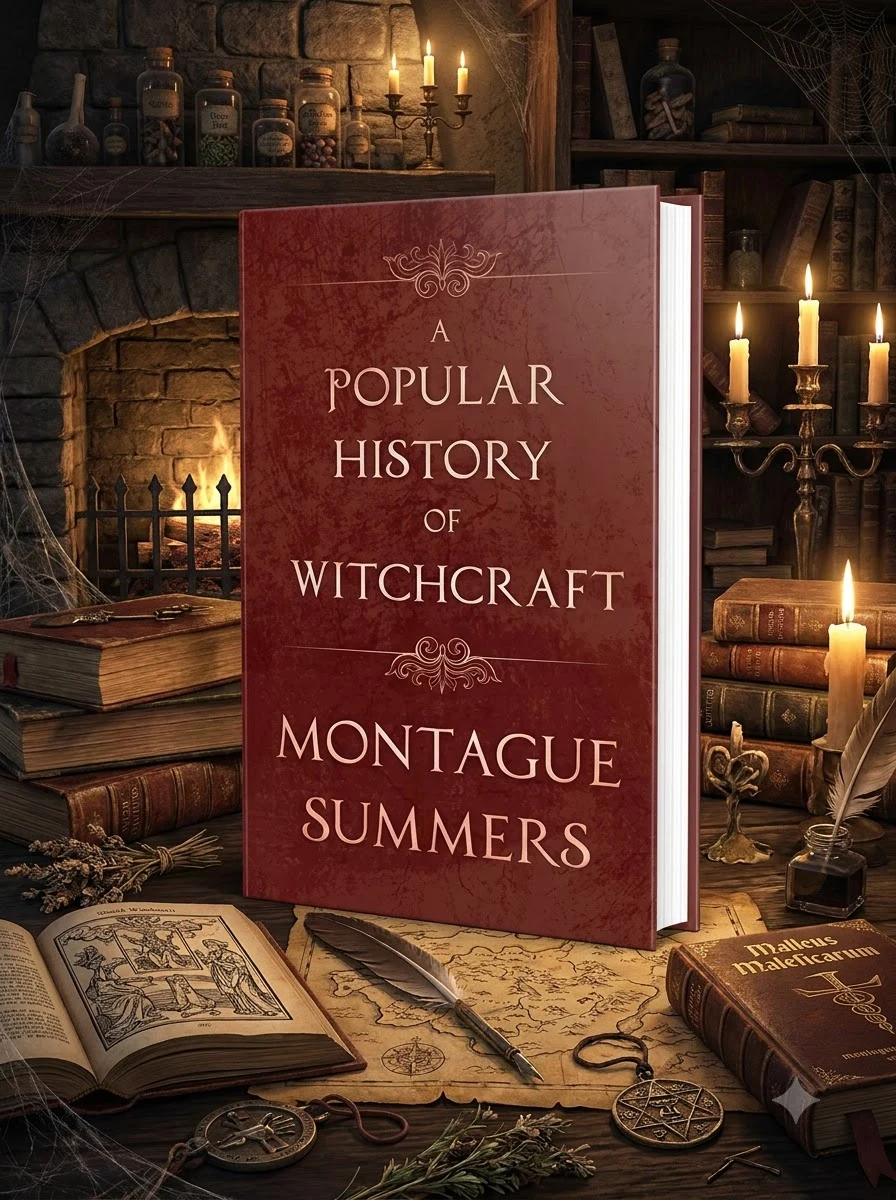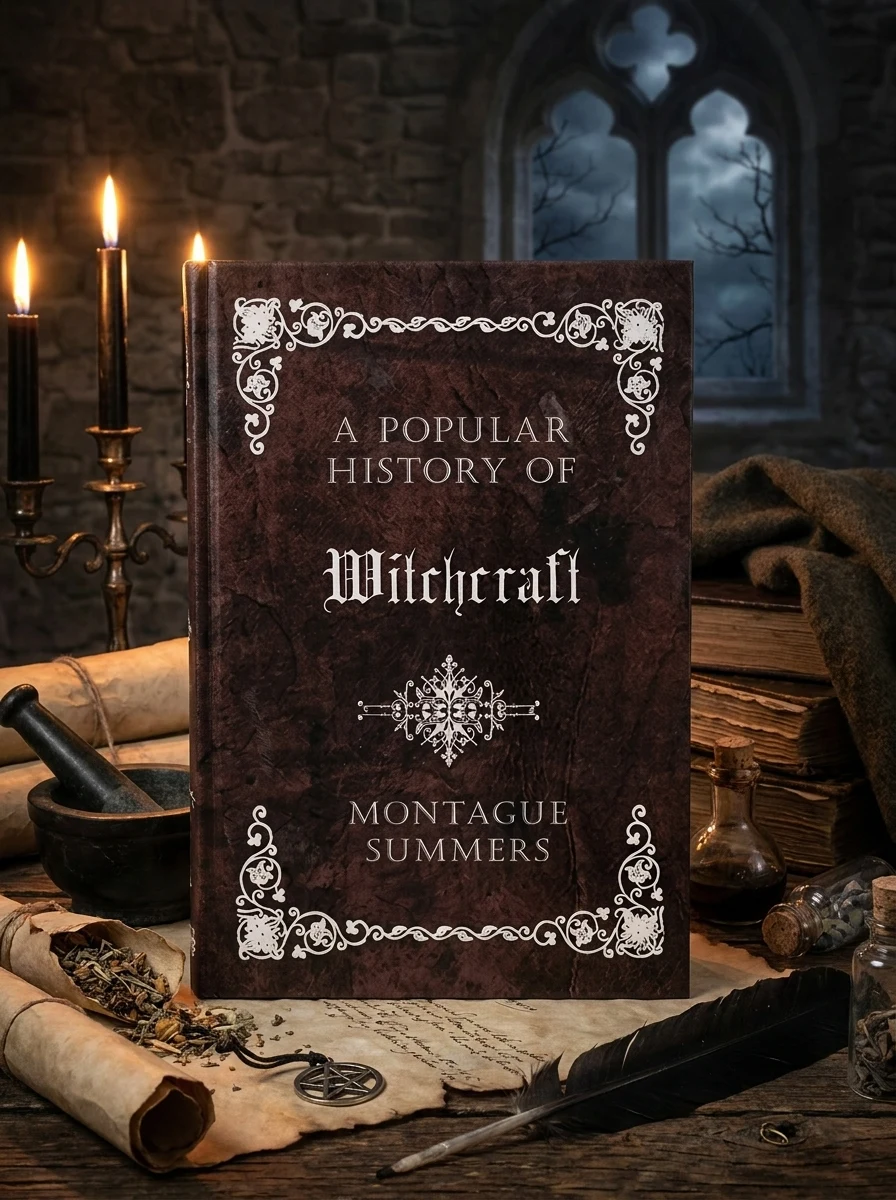
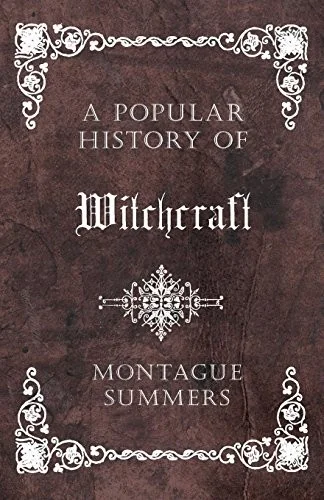
A Popular History of Witchcraft
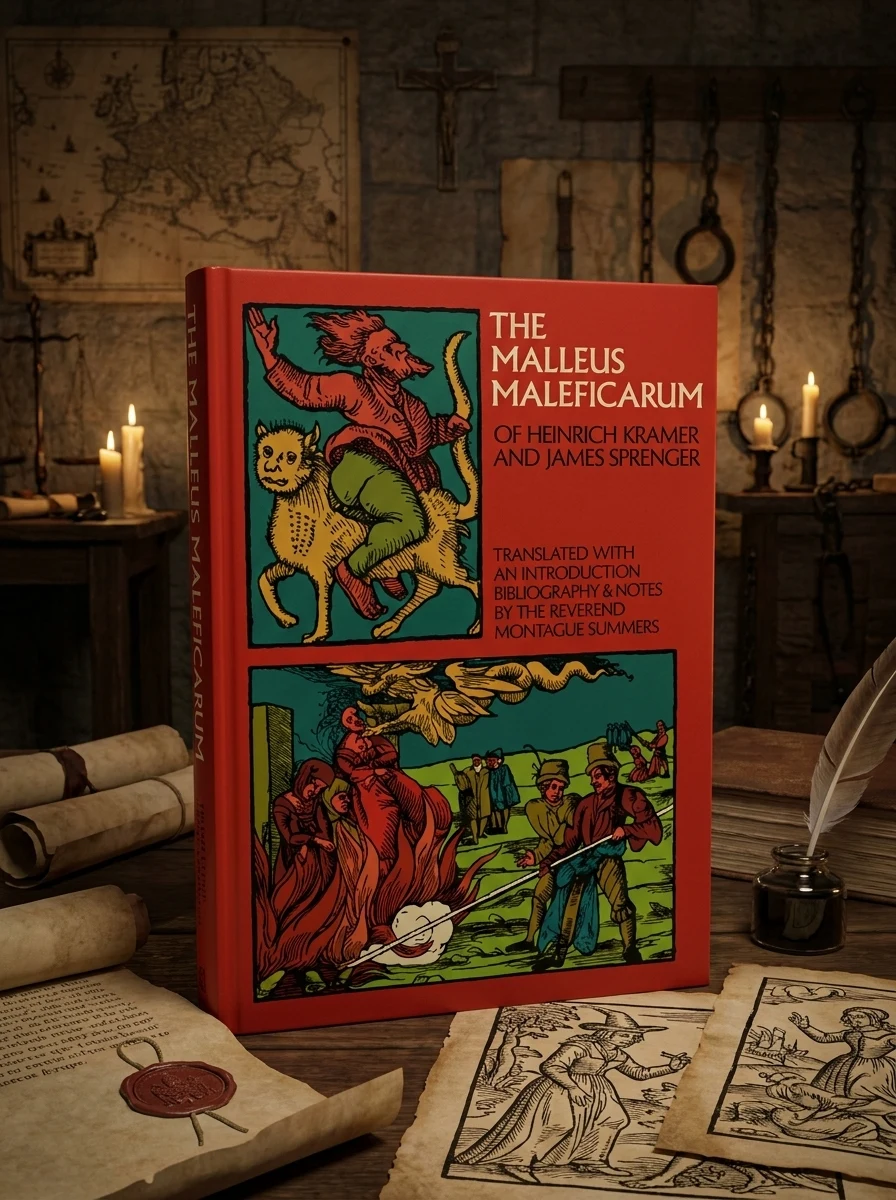
✍️ Summers, MontagueDelve into the shadowy world of witchcraft through the eyes of Montague Summers, an English clergyman whose fervent belief in the supernatural permeated his extensive research. First appearing in 1937, this volume meticulously chronicles the practices and historical evolution of sorcery, from familiar spirits and the sinister Devil's Mark to clandestine witch covens and their infamous Sabbats. Summers, renowned for his work on vampires and his translation of the *Malleus Maleficarum*, approaches the subject with an unwavering conviction in its reality. This modern edition offers a unique lens into occult history, complete with a fresh author biography.


📝 Description: A Popular History of Witchcraft
💎 Expert review
📖 Why choose it
Why this book is worth reading
Readers who appreciate historical narratives filtered through a distinct, unapologetic worldview will find this volume particularly compelling. It offers a rare glimpse into an era when clergy members actively engaged with the supernatural not merely as metaphor, but as tangible reality. Those interested in the evolution of witchcraft studies, the cultural impact of the Malleus Maleficarum, or the psychological landscape of interwar England will gain profound insight here. The book serves as a fascinating artifact of occult history, allowing modern audiences to understand how fervent belief shaped historical interpretation and scholarly output during this pivotal period.
⭐ Reader reviews
Reader rating
This text provides an intense, albeit highly subjective, exploration of witchcraft that demands patience from skeptical readers. Summers’ unwavering conviction may feel overwhelming or archaic to those seeking objective, secular analysis. It is not suited for modern Wiccans or those preferring contemporary, nuanced sociological approaches to magic. However, for students of religious history and the development of esoteric thought, it remains an indispensable, if polarizing, primary source that vividly illustrates the fervor of its time.
❓ Frequently asked questions
📖 Who should read this
For those intrigued by historical witchcraft, especially seen through the eyes of a devout believer, this book is essential. It offers a rare glimpse into how the occult was understood by those convinced of its literal, terrifying power, making it vital for students of esoteric history and counter-cultural beliefs.
🎯 Key themes and symbolism
The Reality of Witchcraft
Summers' unique perspective stems from his absolute conviction that witches, demons, and their dark arts were not folklore but tangible forces. He meticulously documents historical accounts and perceived practices, not as an academic skeptic, but as a believer exposing a pervasive, albeit hidden, truth. This foundational belief profoundly shapes his entire narrative and interpretation of events.
Historical Practices of Sorcery
This volume meticulously details the alleged rituals and traditions of witchcraft throughout history. From the invocation of familiars and the significance of the Devil's Mark to the structure of witch covens and the infamous Sabbat gatherings, Summers reconstructs what he believed to be the authentic historical practices of those who engaged in forbidden arts against the divine.
The Devil's Influence and Malice
A central thread in Summers' work is the pervasive presence of diabolical influence. He explores the malicious intent attributed to witches, their pacts with infernal entities, and the nefarious consequences believed to arise from their dark magic. This theme underscores the era's deep-seated fears regarding spiritual corruption and the perceived threat of occult power.
📜 Historical context
📚 Glossary
- Sabbat
- Familiar
- Devil's Mark
📔 Questions to reflect on
- How does understanding an author's personal beliefs (like Summers' conviction in the supernatural) impact your interpretation of their historical writings?
- Considering the detailed descriptions of 'witchcraft practices' in this book, how might such accounts have influenced public perception and historical persecution of accused witches?
- In what ways does this historical view of witchcraft, rooted in literal demonic pacts, differ from or align with modern interpretations of magic and occultism?