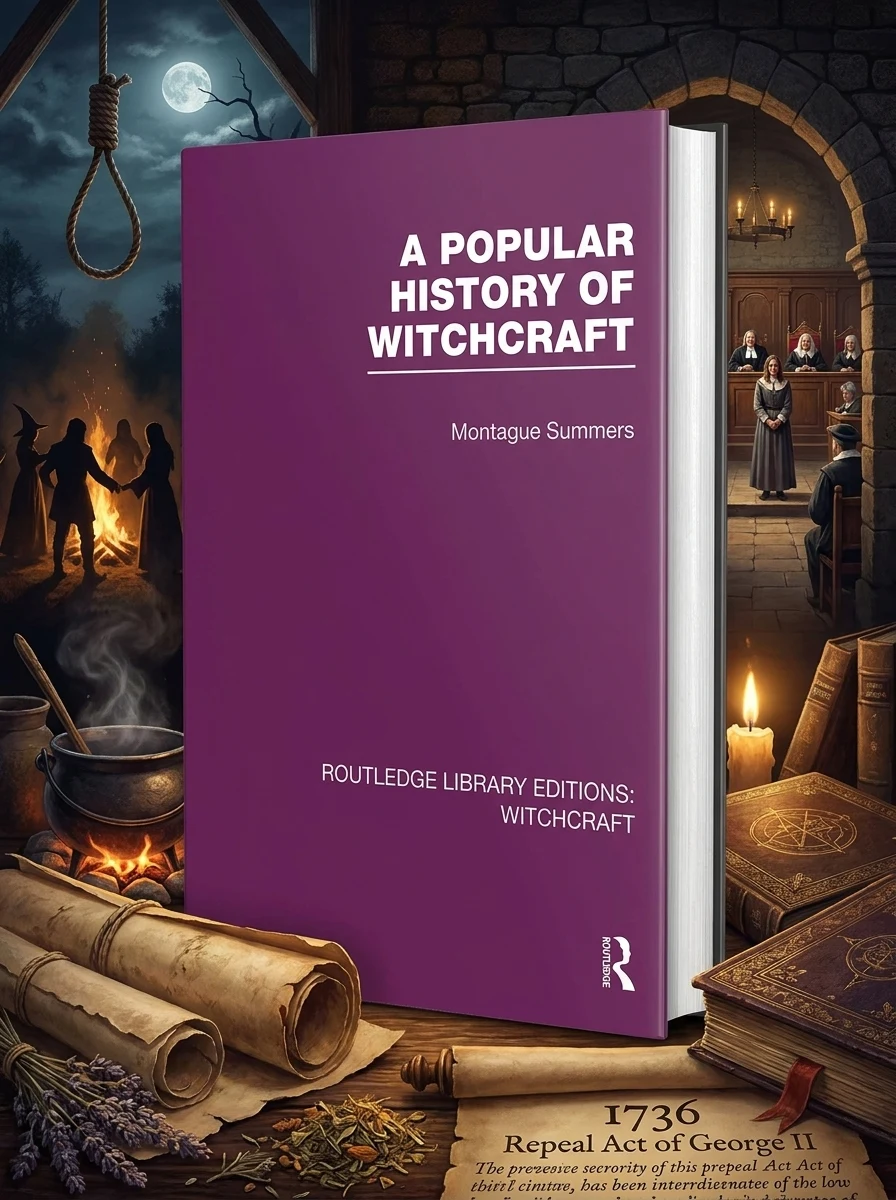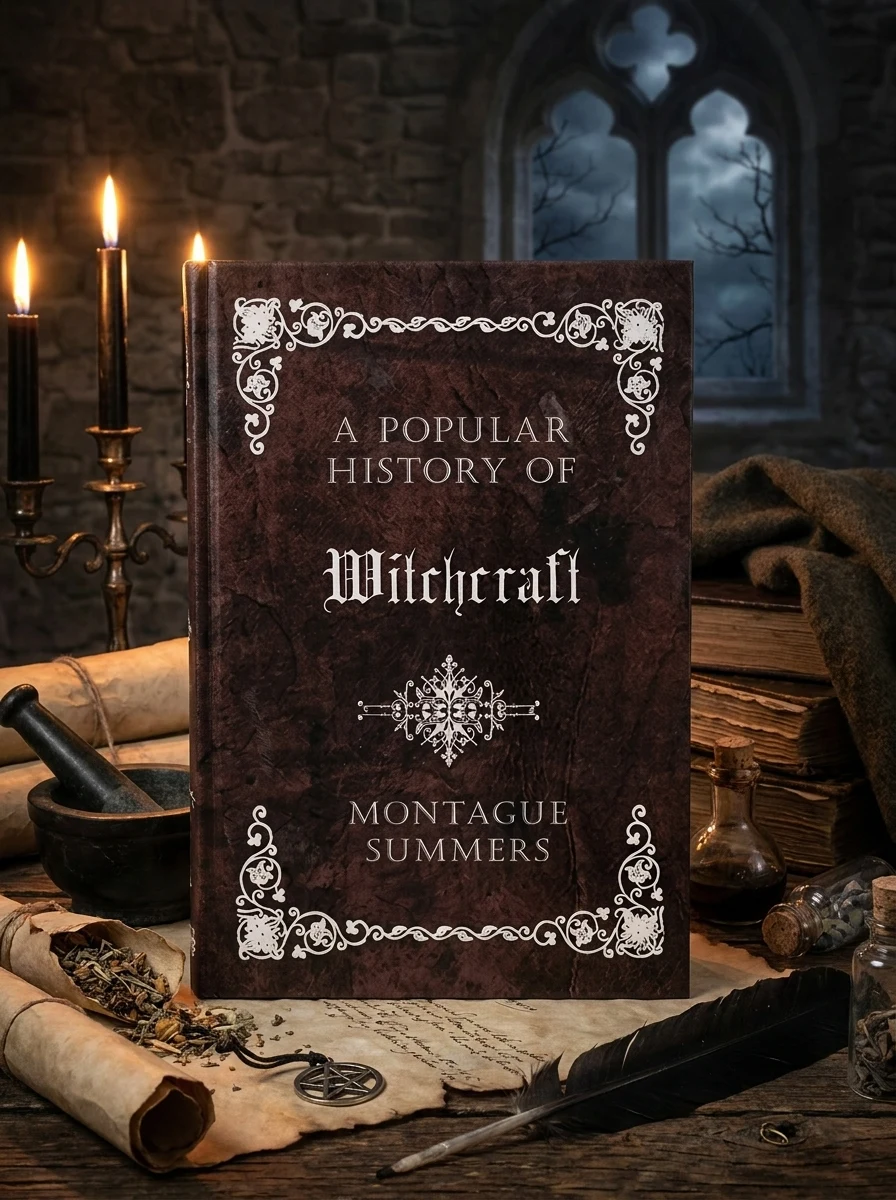
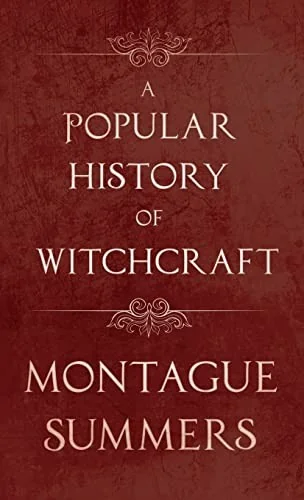
A Popular History of Witchcraft
✍️ Summers, MontagueAn English clergyman's 1937 study detailing historical witchcraft, sabbats, covens, and black magic practices.
This work presents an early 20th-century historical survey of witchcraft written by clergyman Montague Summers, author of Witchcraft and Black Magic (1946) and The Physical Phenomena of Mysticism (1947). The text examines the formal profession of witches, familiar spirits, grimoires, and physical signs like the Devil's mark. It details coven structures, grand masters, and journeys taken to the sabbat orgy. Obscure Press republishes this 308-page hardcover edition to keep scarce vintage works accessible, pairing the original text with a new biographical overview of the author's life.
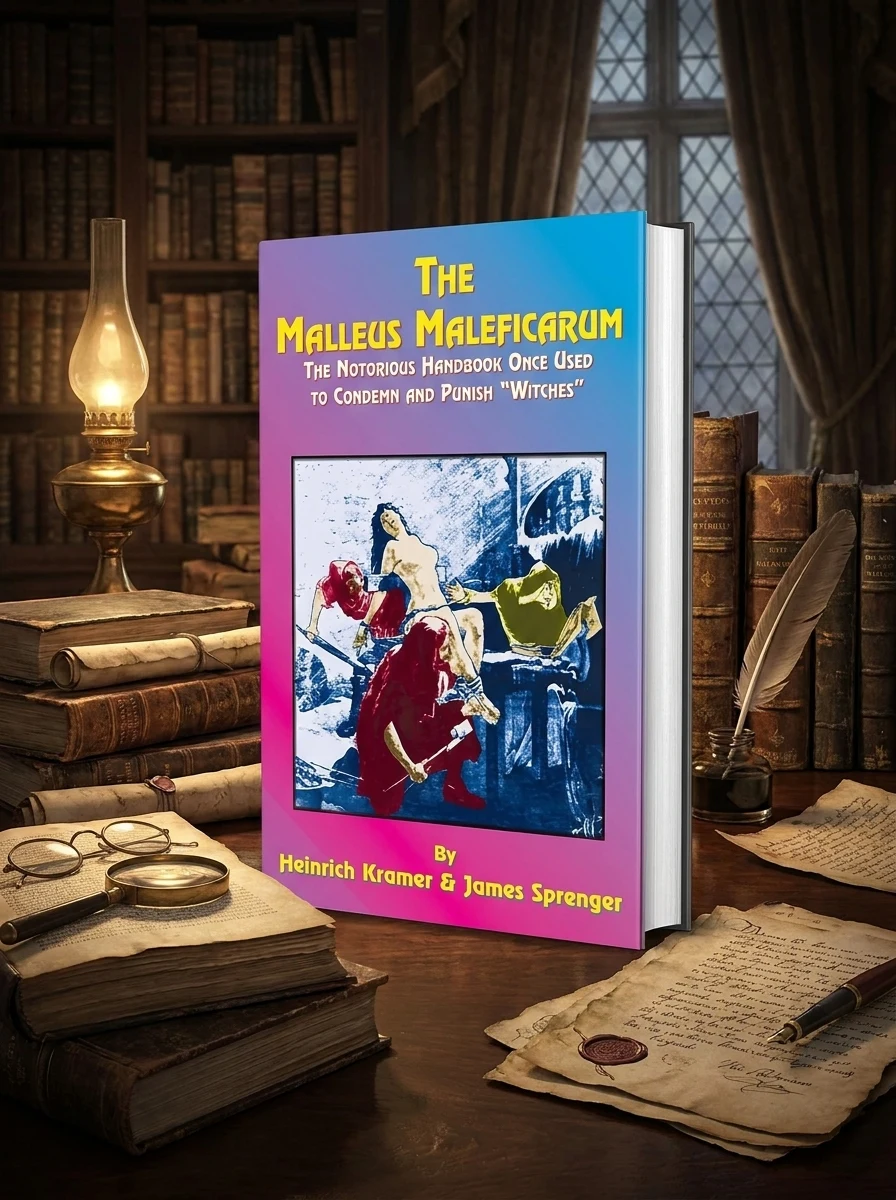
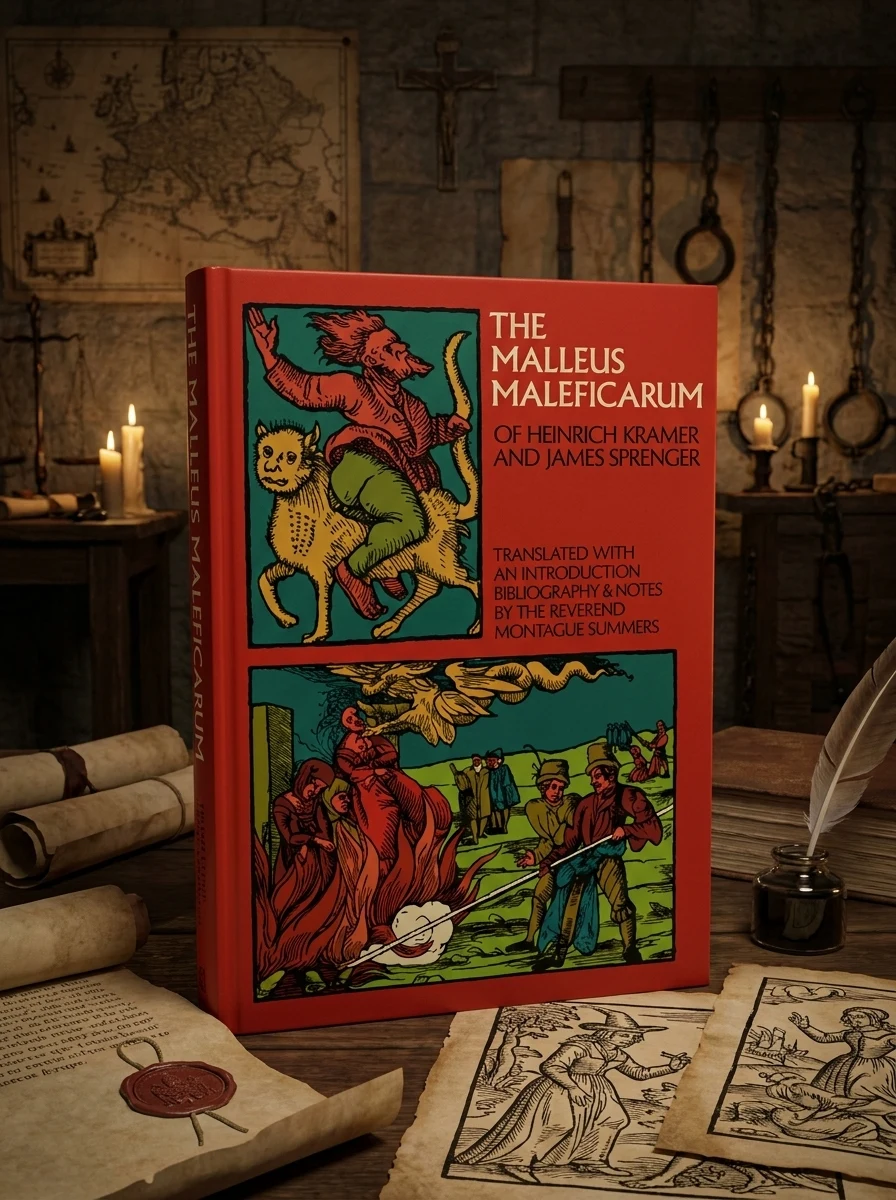
Written in 1937 England by an Anglican clergyman, this work reflects early 20th-century scholarship on 15th-century witch hunting manuals and folk lore. It sits alongside his 1928 translation of the Malleus Maleficarum.


📝 Description: A Popular History of Witchcraft
💎 Expert review
📖 Why choose it
Why this book is worth reading
Readers fascinated by the intersection of theology, history, and the supernatural will find this book an indispensable resource for understanding how witchcraft was perceived by devout contemporaries. It offers a rare glimpse into the mindset of a true believer who saw no distinction between historical fact and spiritual warfare. Those interested in the evolution of occult studies, particularly the shift from viewing witches as criminals to seeing them as agents of evil, will gain valuable insight. This text is essential for anyone wishing to comprehend the fervent, unapologetic perspective that shaped much of twentieth-century esoteric literature and popular understanding of witchcraft history.
⭐ Reader reviews
Reader rating
While Summers provides a comprehensive overview of alleged practices, his deep conviction clouds objectivity, making this unsuitable for readers seeking dispassionate academic analysis or modern skeptical historiography. It is not for those who prefer sociological explanations over supernatural ones, nor for readers uncomfortable with vehement assertions of demonic reality. However, it remains a compelling primary source for understanding the ardent chronicler’s view of tangible evil and the societal impact of witchcraft fears in historical contexts.
❓ Frequently asked questions
📖 Who should read this
If you're fascinated by historical perspectives on witchcraft, particularly those from a deeply traditional and credulous viewpoint, this book is for you. Readers interested in the evolution of occult literature and the beliefs of a pivotal, albeit controversial, figure will find it invaluable for its unique insight.
🎯 Key themes and symbolism
The Witch's Covenant
Explores the foundational elements of witchcraft, including the initial contact with infernal forces, the establishment of pacts, and the role of familiar spirits in magical workings and daily life. Summers meticulously details how these relationships were believed to manifest, laying bare the supposed core of a witch's power and allegiance.
Maleficium and Its Tools
Delves into the practical application of witchcraft for harmful purposes, examining the various forms of malice attributed to witches. This section covers the infamous Devil's Mark, believed to seal the pact, and the use of grimoires as repositories of dark knowledge, spells, and forbidden rituals for malevolent ends.
The Unholy Sabbat
Describes the clandestine gatherings of witches, from their nocturnal journeys to the sabbat locations to the purported rituals and orgies that transpired there. Summers paints a vivid, if sensationalized, picture of these infamous assemblies, detailing the ceremonies and blasphemies believed to take place under the cover of night.
📜 Historical context
📚 Glossary
- Familiar
- Grimoire
- Sabbat
📔 Questions to reflect on
- How does understanding an author's personal beliefs, like Summers' conviction in witchcraft, influence your interpretation of their historical writings?
- Consider the societal fears and anxieties of the early 20th century that might have made a book like "A Popular History of Witchcraft" resonate with its audience.
- Reflect on the ethical implications of historical texts that present deeply biased or sensationalized accounts as factual, especially concerning marginalized groups.