The History of Witchcraft and Demonology
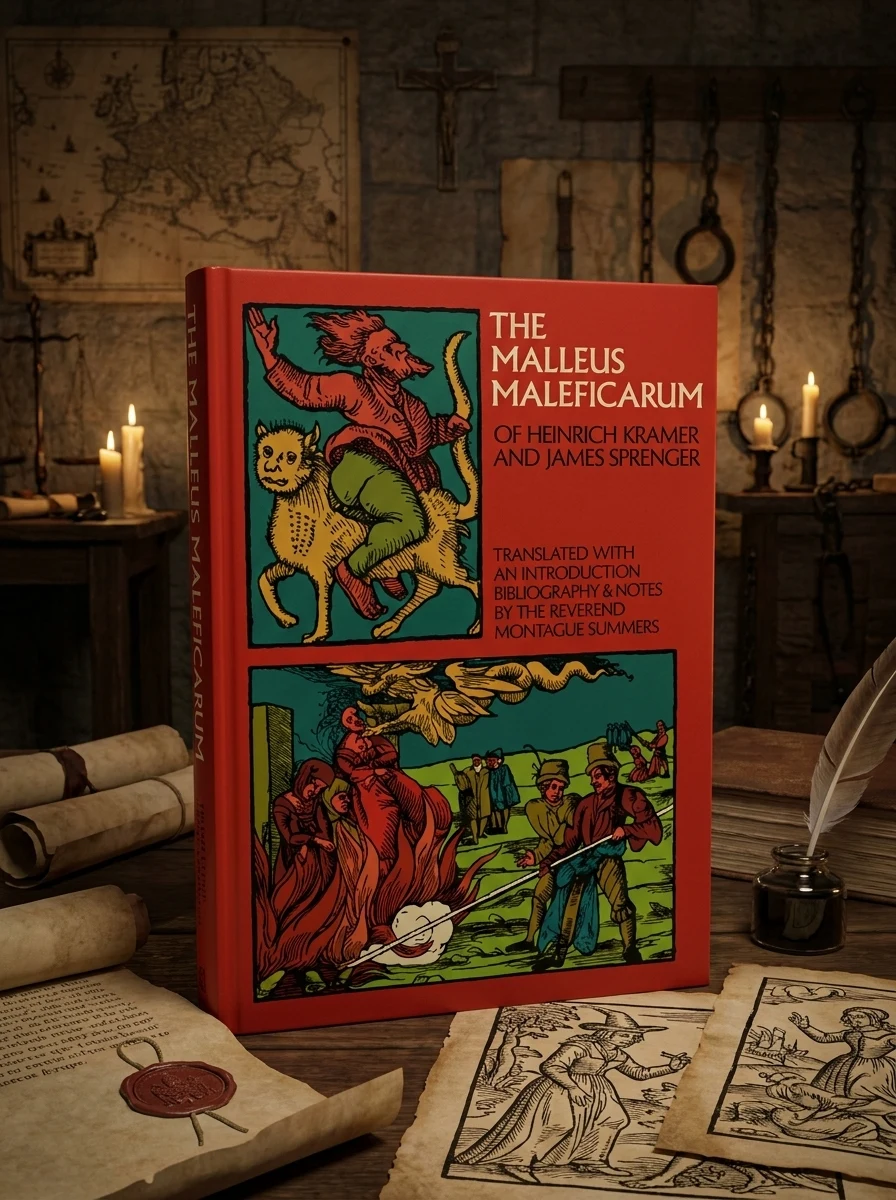
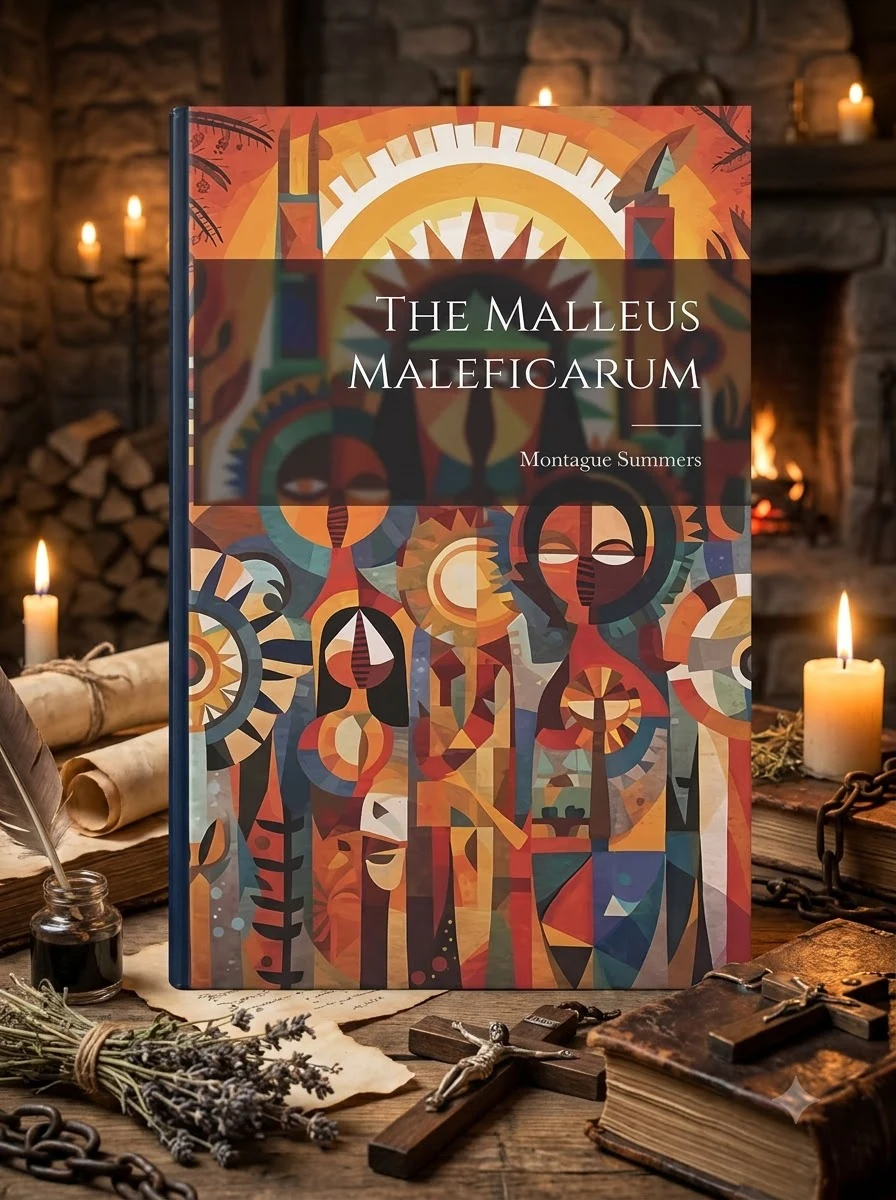
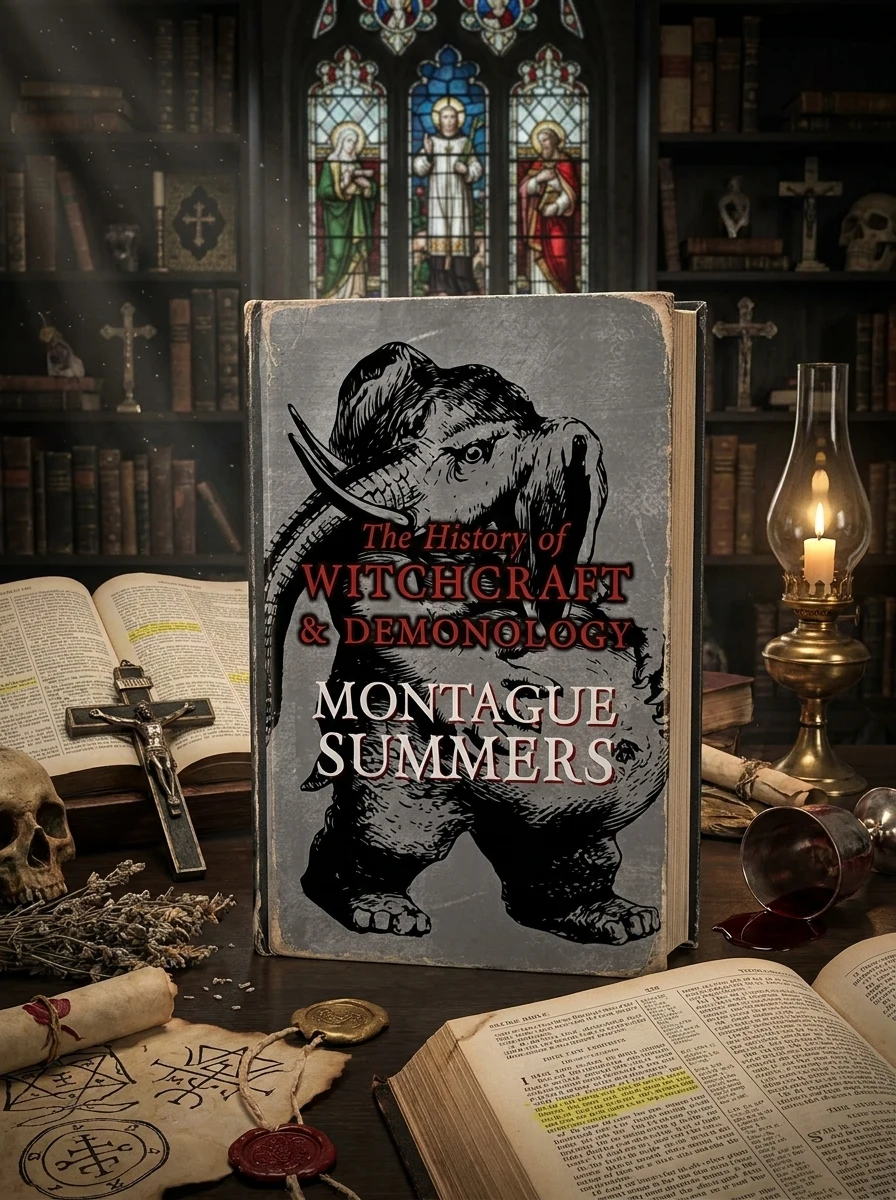
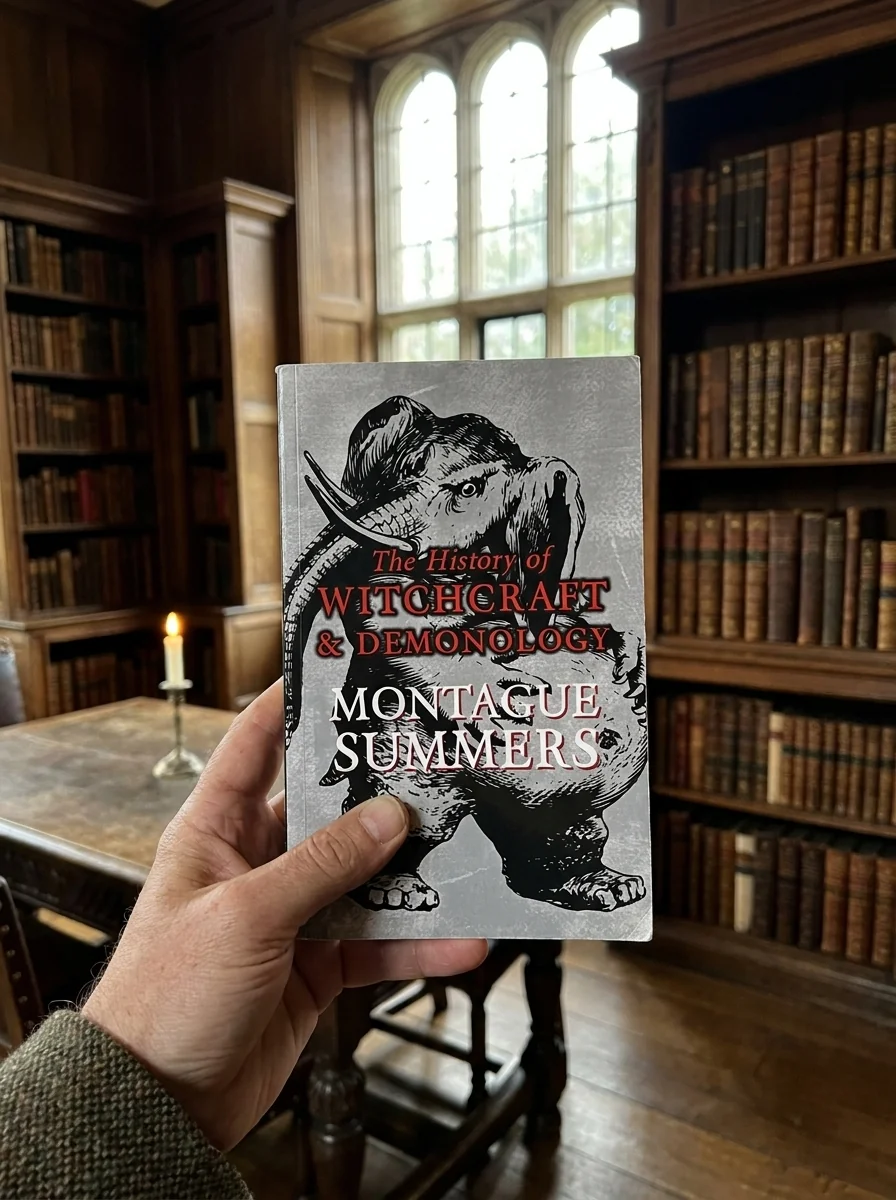
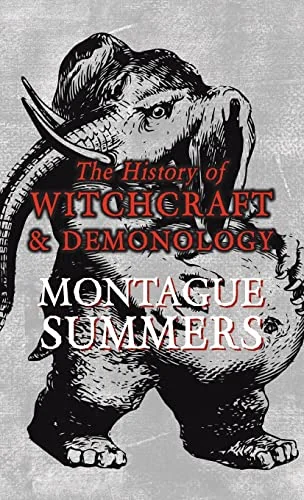
✍️ Summers, MontagueMontague Summers, a figure with a fascinating past as a Catholic priest, meticulously chronicles the intricate tapestry of witchcraft and demonology. First appearing in 1926, this seminal work delves into historical accounts, often drawing heavily from theological perspectives, to portray occult practices as inherently perilous. Summers doesn't merely describe; he elucidates the perceived malevolence behind various supernatural occurrences, offering his interpretations. It's an essential, if opinionated, read for anyone seeking a comprehensive, albeit religiously framed, exploration of these forbidden subjects.


📝 Description: The History of Witchcraft and Demonology
💎 Expert review
📖 Why choose it
Why this book is worth reading
Readers who crave a comprehensive, albeit intensely opinionated, exploration of witchcraft will find this book invaluable. It is ideal for those interested in how theological frameworks shape our understanding of forbidden subjects. Summers offers a unique window into early twentieth-century scholarly interpretations of the dark arts. His meticulous chronicle provides depth for anyone seeking to understand the perceived malevolence behind supernatural occurrences. While controversial, it remains an essential resource for grasping the historical and religious context of demonology.
⭐ Reader reviews
Reader rating
Montague Summers delivers a meticulously researched yet heavily biased account of witchcraft through a strict Catholic lens. This book is not for those seeking neutral academic analysis or modern pagan perspectives. It suits readers comfortable with theological arguments that portray occult practices as inherently perilous. Those expecting detached observation may find the author’s devout interpretations overwhelming. However, for individuals willing to engage with its controversial stance, it offers a profound, if singular, view of the dark arts' history.
❓ Frequently asked questions
📖 Who should read this
If you're drawn to historical accounts of the arcane, particularly those viewed through a distinctly theological and cautionary perspective, this book offers a deep dive. It's for the diligent researcher or curious mind eager to explore the darker corners of occult history from its unique, often polemical, viewpoint.
🎯 Key themes and symbolism
Demonology and Diabolism
Summers presents a relentless examination of demonic influence and the pervasive evil he attributes to occult practices. His narrative frequently intertwines theological doctrine with historical accounts, constructing a stark warning against any engagement with the dark arts, portraying them as direct manifestations of malevolent forces at play in the world.
Historical Occult Narratives
This volume meticulously compiles a vast array of historical episodes and alleged supernatural incidents. Summers endeavors to provide a chronological and thematic framework for understanding the evolution of witchcraft accusations and demonological beliefs across different eras, offering a rich, if biased, compendium of historical lore and legend.
Theological Interpretations of Witchcraft
Drawing profoundly from his religious background, Summers frames witchcraft and demonology predominantly through a Christian lens. He consistently references biblical texts and ecclesiastical teachings to underscore his belief in the inherent wickedness of these practices, positioning them as direct affronts to divine order and instruments of spiritual corruption.
📜 Historical context
📚 Glossary
- Demonology
- Occultism
- Witchcraft
📔 Questions to reflect on
- How does Summers' theological background influence his interpretation of historical witchcraft, and what are the implications of such a perspective?
- Consider a supernatural event described in the book. How might a modern, non-theological perspective explain it differently?
- In what ways do historical narratives like Summers' contribute to, or detract from, our contemporary understanding of occultism and spiritual practices?