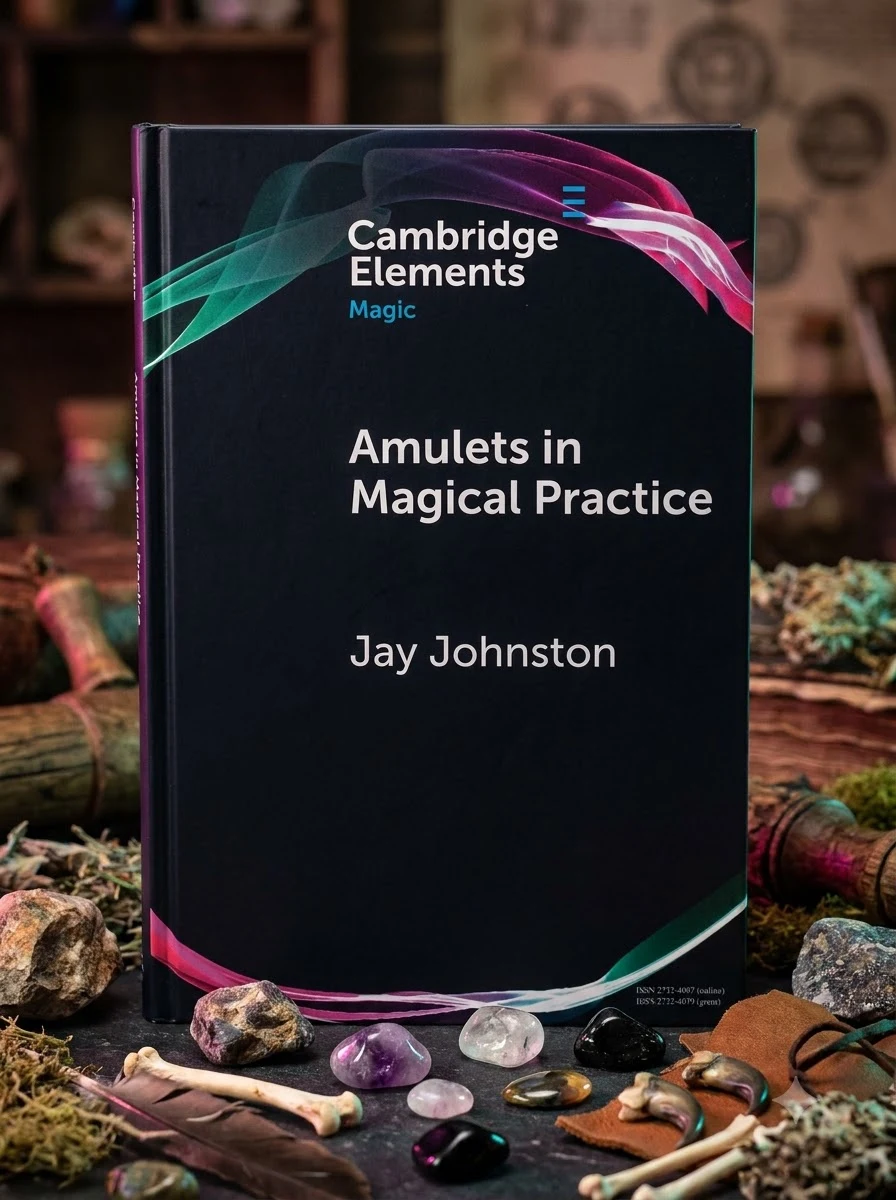
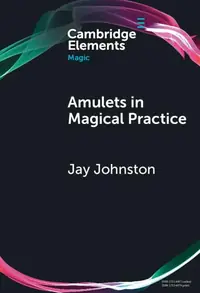
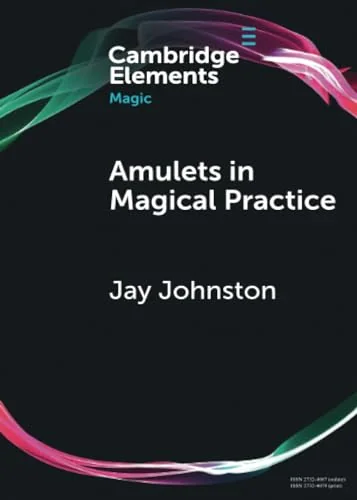
Amulets in Magical Practice Johnston, Jay
Johnston, JayStock reported in the catalog; fulfillment is confirmed with your request.
Unlock the ancient power held within natural talismans and forgotten charms.
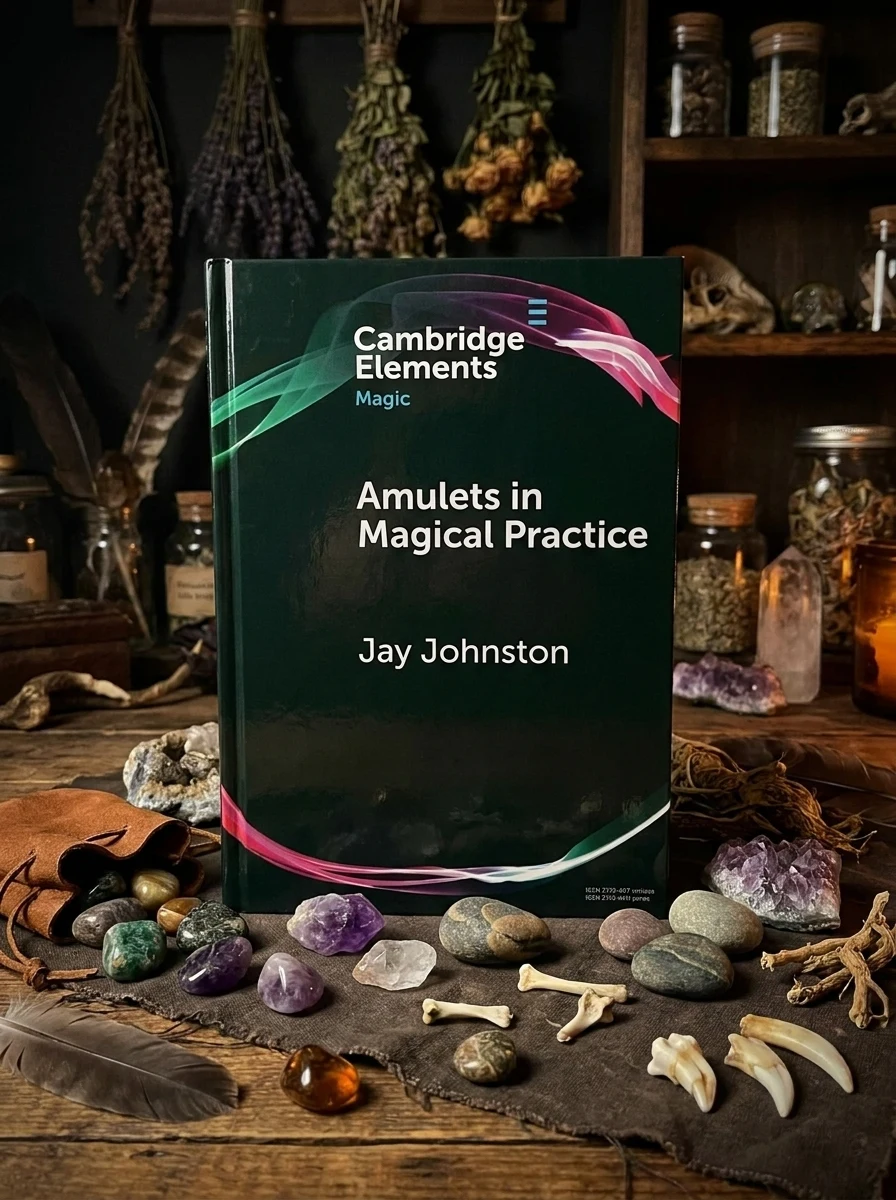
This compelling volume delves into the fascinating world of protective and empowering objects. Jay Johnston meticulously explores the creation and practical application of amulets, emphasizing those crafted from natural materials. Discover how found stones, precious gems, and even animal components were historically imbued with spiritual significance and utilized for magical purposes. The book specifically highlights talismans that rely on their inherent form and composition rather than inscribed texts, offering a unique perspective on pre-literate or non-textual magical traditions. It’s an essential guide for understanding the foundational material aspects of occult protection.
This work sits within the realm of English-language occult and esoteric studies, specifically focusing on the material history of protective magic. It bridges historical anthropology with practical magical theory by examining pre-literal talismanic traditions.


📝 Description: Amulets in Magical Practice Johnston, Jay
💎 Expert review
📖 Why choose it
Why this book is worth reading
Practitioners deeply interested in the tactile and sensory aspects of magic will find this volume invaluable. It appeals to those who seek to move beyond text-heavy rituals and connect with the raw, inherent power of natural materials like stones, gems, and animal components. Readers fascinated by pre-literate traditions or non-textual magical frameworks will appreciate Johnston’s meticulous exploration of how form and composition drive spiritual efficacy. If you are a collector of charms or a magician looking to ground your practice in historical materiality, this book offers a unique lens. It provides essential context for understanding the foundational elements of occult protection, helping you craft more authentic and powerful amulets by respecting their ancient significance and physical properties.
⭐ Reader reviews
Reader rating
Jay Johnston delivers a compelling, albeit niche, examination of natural talismans that prioritizes material composition over inscribed text. While the focus on non-textual traditions offers a refreshing perspective on pre-literate magic, this book may not suit readers seeking elaborate ritual instructions or dense philosophical treatises. It is best for those interested in the physical artifacts of occult history rather than abstract theory. The emphasis on found stones and animal parts requires an open mind toward ancient spiritual beliefs. However, for historians of magic or practitioners focused on material culture, it provides a rigorous and insightful look into how protective objects were historically imbued with meaning. It is a solid resource for understanding the tangible roots of esoteric practice.
❓ Frequently asked questions
📖 Who should read this
If you're drawn to the tangible aspects of magic, or seek to understand the earliest forms of protective charm-making, this book is for you. It offers a unique lens for practitioners interested in working with natural elements and the inherent power of the earth.
🎯 Key themes and symbolism
Material Amulet Crafting
This book provides an in-depth look at the physical processes involved in creating amulets. It examines how practitioners selected and prepared natural items—such as specific stones, gems, or animal parts—to harness their inherent energies, moving beyond the common focus on inscribed or explicitly textual charms.
Non-Textual Magic
Delve into magical traditions where power resides in the object's intrinsic nature rather than written words. Johnston explores how amulets derive their potency from their material composition, form, and the intention infused during their creation, offering insights into a more primal form of magical engagement.
Ancient Protective Objects
Uncover the historical and cultural significance of talismans used for protection and empowerment across various societies. The text illuminates how these simple, unadorned objects served as powerful spiritual tools, guarding against harm and attracting blessings long before elaborate sigils or spells became prevalent.
💬 Quotes from the book
“The most potent protection often resides not in complex sigils or whispered incantations, but in the raw, unadulterated essence of a river-smoothed stone or the preserved claw of a revered creature.”
“Understanding the amulet's power requires looking beyond its symbolic representation and delving into its very substance, for the magic is often woven into the fibers of its being, not merely etched upon its surface.”
📜 Historical context
📚 Glossary
- Amulet
- Material Charm
- Found Object Magic
📔 Questions to reflect on
- Consider a natural object you've encountered that felt imbued with a subtle energy. How might you approach understanding or working with its inherent magical properties?
- Reflect on historical or cultural examples of protective objects in your own background. Were these primarily textual or material in their power?
- What ethical considerations arise when working with animal or plant components in magical practice, particularly when collected from the wild?
📖 From the series “Elements in Magic”
All books in the series →
✍️ More books by this author Johnston, Jay
All books by this author →
🏛 Books from this publisher Cambridge University Press
All books from this publisher →
 75
75

You might also like
See more →