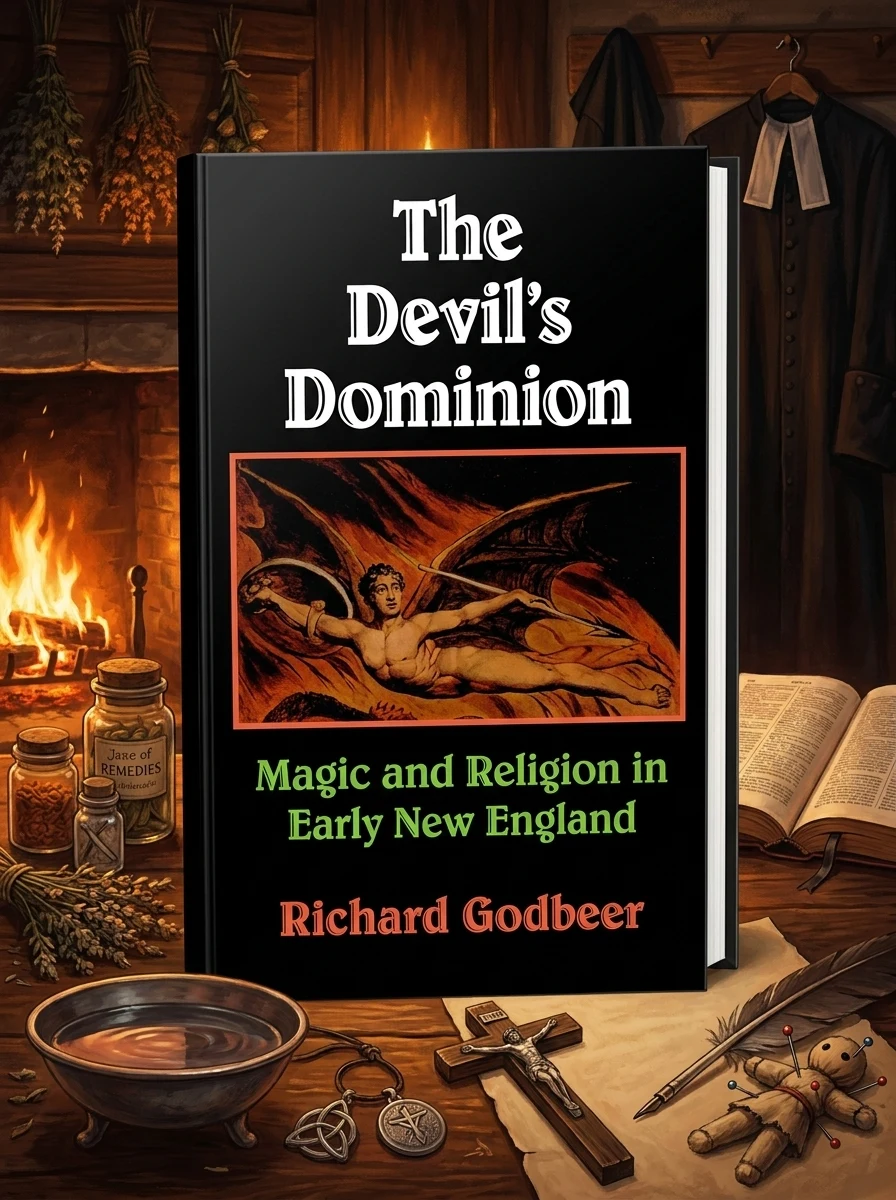
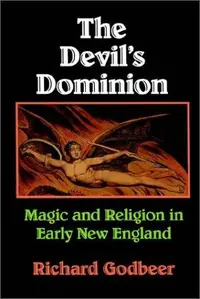
The Devil's Dominion: Magic and Religion in Early New England (Revised)
Godbeer, RichardStock reported in the catalog; fulfillment is confirmed with your request.
Puritan piety concealed a vibrant world of practical magic in early New England.
Richard Godbeer unearths the surprising prevalence of magical practices within early New England society. Despite vehement condemnation from Protestant ministers, colonists frequently engaged in magic for practical purposes: divining the future, healing ailments, or even inflicting harm. This meticulously researched work reveals how these seemingly contradictory beliefs coexisted, painting a more nuanced portrait of Puritan life. Godbeer skillfully argues that settlers integrated magical techniques into their worldview, challenging the traditional narrative of a purely pious colonial era and showcasing a pragmatic approach to the unseen world.
This work sits within the historiography of early American colonial life, challenging traditional narratives of Puritan piety by exploring the intersection of religion and practical magic in New England. It bridges religious studies and cultural history, revealing how settlers integrated magical techniques into their worldview alongside Protestant doctrine.


📝 Description: The Devil's Dominion: Magic and Religion in Early New England (Revised)
💎 Expert review
📖 Why choose it
Why this book is worth reading
Scholars and history enthusiasts will find this book invaluable for its meticulous research that dismantles the myth of purely pious colonial society. Richard Godbeer offers a nuanced portrait of early New England, demonstrating how colonists balanced vehement religious condemnation with vibrant practical magic for healing and divination. Readers seeking to understand the complex, pragmatic approach to the unseen world in history will appreciate this fresh perspective. It is essential for those interested in how contradictory beliefs coexisted, providing a deeper understanding of the human need for control over fate and health during the colonial era.
⭐ Reader reviews
Reader rating
Godbeer’s revisionist account is intellectually stimulating but may frustrate readers expecting a sensationalist tome on witches or supernatural horror. This is a scholarly examination of daily life, not a thrilling narrative of demonic possession. Those looking for quick, accessible anecdotes or purely theological debates might find the dense integration of social and religious analysis tedious. It does not suit casual readers seeking simple moral judgments on Puritan hypocrisy; rather, it demands attention to subtle historical evidence. The book is best appreciated by those willing to engage with complex arguments about how ordinary people navigated the tension between faith and folk practice in a rigidly structured society.
❓ Frequently asked questions
📖 Who should read this
If you're fascinated by the hidden depths of American history, the intersection of faith and folk practices, or the complex spiritual lives of early settlers, this book is essential. It offers a sophisticated look at the nuanced reality beyond simplistic Puritan caricatures.
🎯 Key themes and symbolism
Magic's Daily Role
Explores how various magical techniques, from charms for protection to divination for guidance, were not fringe activities but deeply embedded in the everyday lives of New Englanders. It highlights their pragmatic application in health, agriculture, and personal safety, revealing a society far more reliant on the unseen than often assumed.
Clerical Contradiction
Examines the tension between the ministers' theological condemnation of magic and its persistent, widespread use among their congregations. The book delves into how religious leaders struggled to reconcile Christian doctrine with popular practices, often leading to nuanced, sometimes tacit, acceptance or reinterpretation rather than outright eradication.
Syncretic Beliefs
Illustrates how early colonists synthesized seemingly disparate belief systems—Protestant Christianity and inherited folk magic—into a coherent worldview. Godbeer shows how settlers often saw no inherent conflict, interpreting magical intervention as part of God's providence or a natural extension of their spiritual understanding, blurring lines between piety and pragmatic power.
💬 Quotes from the book
“The boundary between prayer and spell was often porous, a testament to the colonists' pragmatic spiritual arsenal.”
“Ministers might thunder against 'vain superstitions,' yet their parishioners continued to seek aid from wise women and cunning men for matters both mundane and grave.”
📜 Historical context
📚 Glossary
- Divination
- Maleficium
- Clerical Opposition
📔 Questions to reflect on
- Consider how societal views on what constitutes 'magic' versus 'science' or 'religion' have evolved over centuries. What does this tell us about human understanding of the unknown?
- Reflect on a time you or someone you know sought unconventional or 'superstitious' remedies or explanations for a problem. How does this compare to the colonists' use of magic?
- How might the lack of clear distinctions between the natural and supernatural affect one's daily life and decision-making, as it did for early New Englanders?
✍️ More books by this author Godbeer, Richard
All books by this author →
🏛 Books from this publisher Cambridge University Press
All books from this publisher →

 75
75

You might also like
See more →