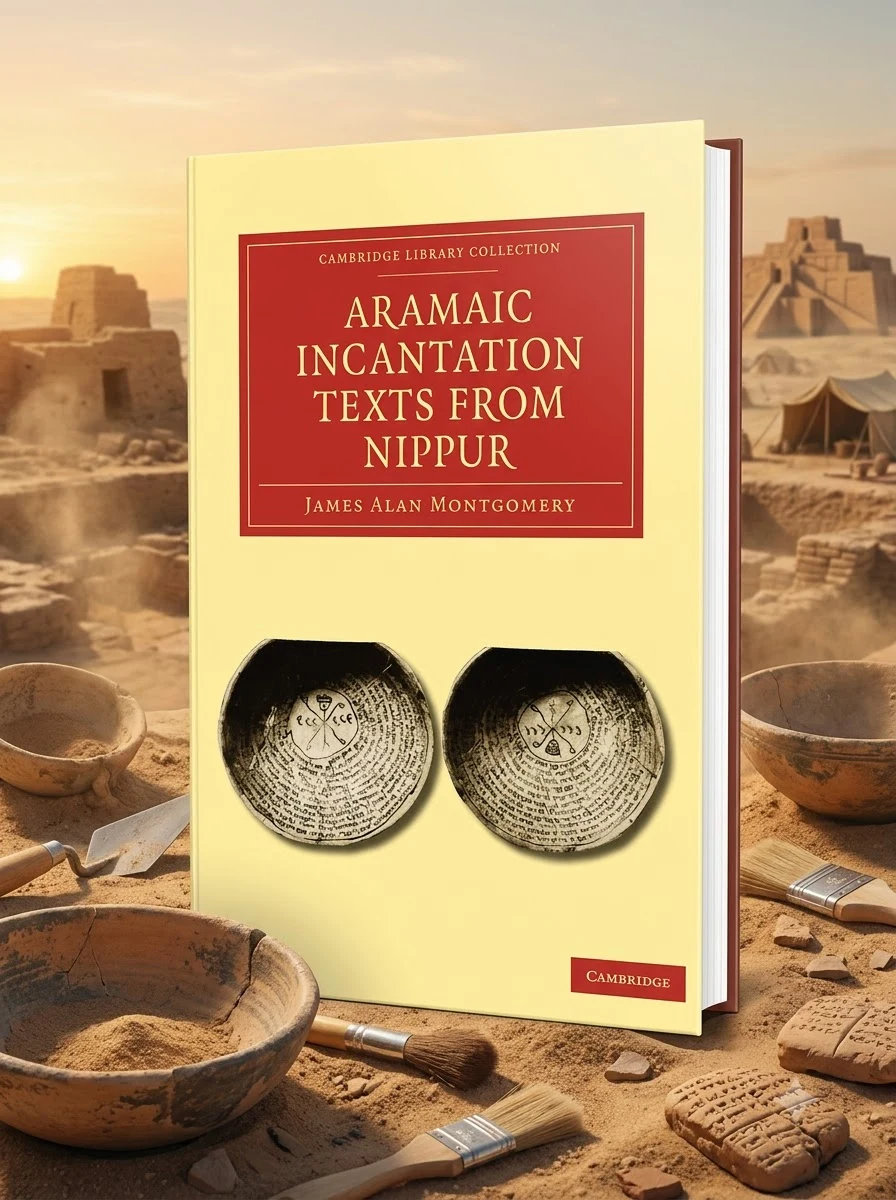
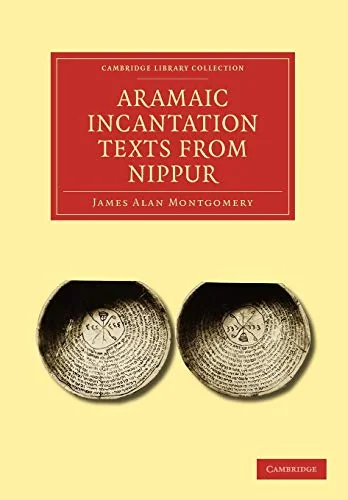
Aramaic Incantation Texts from Nippur
Step into the groundbreaking work of James Alan Montgomery, exploring over one hundred Aramaic incantation bowls unearthed during the pioneering 1888 American archaeological expedition to Nippur, Mesopotamia. These remarkable artifacts, dating from the early centuries of the Common Era, offer a rare glimpse into the popular magical and religious practices of the time. Montgomery meticulously deciphers and analyzes these potent vessels, revealing their protective powers and the fascinating blend of beliefs held by ancient communities, illuminating a pivotal era in Judeo-Aramaic magical traditions.


📝 Description: Aramaic Incantation Texts from Nippur
💎 Expert review
📖 Why choose it
Why this book is worth reading
Scholars and serious students of esoteric history will find immense value in this groundbreaking work by James Alan Montgomery. It offers a rare, meticulously deciphered glimpse into the popular magical and religious practices of early Common Era Mesopotamia. Readers fascinated by the intersection of archaeology and occultism will appreciate the detailed analysis of over one hundred incantation bowls from Nippur. This book illuminates how ancient communities blended beliefs to create potent protective magic, providing essential context for understanding the evolution of Judeo-Aramaic traditions. It is an indispensable resource for those seeking to uncover the forgotten secrets embedded in these historic artifacts.
⭐ Reader reviews
Reader rating
Montgomery’s text is a rigorous academic achievement, offering unparalleled insight into Aramaic incantation bowls unearthed in 1888. However, it is strictly for the dedicated scholar or the esoteric historian with patience for dense, technical analysis. It does not suit casual readers seeking accessible narratives or those looking for practical modern spellcasting instructions. The work demands a serious engagement with linguistic and archaeological data rather than mystical inspiration. While essential for understanding the historical roots of protective magic, its scholarly tone may alienate general occult enthusiasts who prefer more interpretive or contemporary approaches to ancient wisdom traditions.
❓ Frequently asked questions
📖 Who should read this
If you're captivated by ancient magic, the esoteric dimensions of early Judaism, or the tangible remnants of historical ritual practices, this foundational work offers an unparalleled journey. It's a must-read for students and enthusiasts of archaeology, linguistics, and the occult.
🎯 Key themes and symbolism
Ancient Mesopotamian Sorcery
This volume dives deep into the practical magic of antiquity, specifically the use of incantation bowls. It explores how these vessels were inscribed with spells to ward off evil spirits, protect homes, and influence personal fortunes, providing invaluable insight into the daily magical landscape of early Mesopotamian communities and the pervasive role of sorcery in their lives.
Judeo-Aramaic Mysticism
Discover the unique intersection of Jewish traditions and local magical practices through the Aramaic language of the bowls. The texts reveal a rich tapestry of beliefs, where Jewish names of God and biblical allusions are invoked alongside Mesopotamian demons and protective entities, showcasing a vibrant syncretism in the development of early Jewish magical thought and popular religion.
Pioneering Archaeological Finds
The book chronicles the significant discovery of these incantation bowls during the University of Pennsylvania’s inaugural archaeological venture to Nippur. It highlights the profound impact of these finds on our understanding of ancient Near Eastern cultures, demonstrating how archaeological excavation can unearth direct evidence of daily ritual life and popular spiritual expression, previously only hinted at in textual sources.
📜 Historical context
📚 Glossary
- Aramaic
- Nippur
- Incantation
📔 Questions to reflect on
- How do these ancient magical practices reflect universal human fears and desires for control over the unknown, even in our modern world?
- Consider the ethical implications of 'discovering' and interpreting sacred or protective objects from another culture. What responsibilities do scholars hold?
- What might the prevalence of these incantation bowls tell us about daily life and popular religion in early post-exilic communities, beyond official religious doctrines?